This slow cooker lasagna provides a hearty, cheesy meal with minimal active preparation time. By layering ingredients in a crockpot, you achieve tender noodles and melded flavors without using an oven.
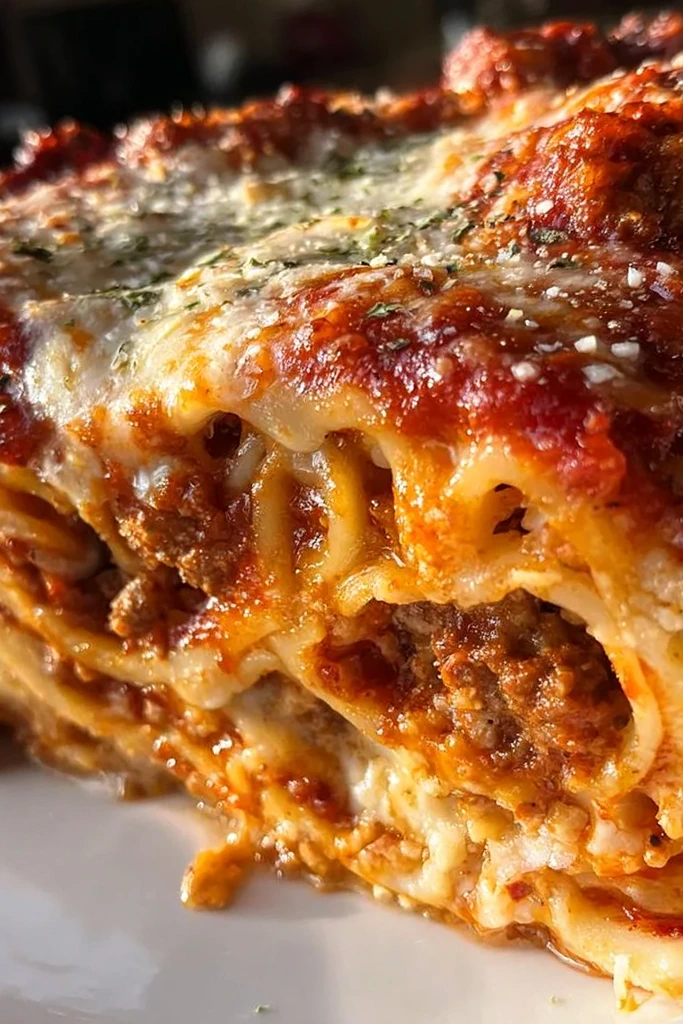
List of ingredients
- 12 lasagna noodles – use regular or no-boil varieties.
- 1 pound ground beef – brown and drain excess fat before layering.
- 2 cups ricotta cheese – creates a creamy texture between layers.
- 3 cups marinara sauce – a high-quality sauce provides the primary flavor base.
- 2 cups shredded mozzarella cheese – used for both layering and the topping.
- 1/2 cup grated Parmesan cheese – adds a salty, sharp finish to the top.
- 1 egg – acts as a binder for the ricotta mixture.
- 1 teaspoon Italian seasoning – a blend of dried herbs for classic flavor.
- Salt and pepper to taste – adjust based on the saltiness of your sauce.
step-by-step instructions
- Brown the beef: Cook the ground beef in a skillet over medium heat until browned, then drain off the excess fat.
- Prepare the cheese mix: In a mixing bowl, combine the ricotta cheese, egg, Italian seasoning, salt, and pepper.
- Base layer: Spread a thin layer of marinara sauce across the bottom of the crockpot to prevent sticking.
- First noodle layer: Place 4 lasagna noodles over the sauce, breaking them into smaller pieces if necessary to fit the pot.
- First filling layer: Spread half of the ricotta mixture, followed by half of the browned ground beef, and one-third of the mozzarella cheese.
- Second filling layer: Repeat the layering process by adding marinara sauce, noodles, the remaining ricotta mixture, the rest of the beef, and another third of the mozzarella.
- Final layer: Top with the remaining noodles, the last of the marinara sauce, and finish with the remaining mozzarella and Parmesan cheese.
- Cook: Cover the crockpot with a lid and cook on low for 4 to 6 hours until the noodles are tender.
Ingredient Selection Guide
Choosing the Right Lasagna Noodles
Regular lasagna noodles can be used, but they may require slightly more sauce to soften completely in a slow cooker. No-boil noodles are a convenient alternative as they are designed to absorb liquid and cook through during the slow cooking process.
Selecting High-Quality Marinara
Since the sauce is a primary flavor component, choose a brand with minimal added sugars and a robust garlic and herb profile. Homemade sauce also works well, provided it is thick enough to support the layers.
The Role of Ricotta Cheese
Full-fat ricotta provides the best creaminess and structural integrity for the layers. Low-fat versions can be used but may release more moisture, potentially making the lasagna slightly thinner.
Using Freshly Grated Mozzarella
Freshly grating mozzarella from a block often results in a better melt than pre-shredded cheese. Pre-shredded cheeses contain anti-clumping agents that can slightly alter the texture of the melted cheese layer.
The Importance of the Binder Egg
Including one egg in the ricotta mixture prevents the cheese from becoming too runny as it heats. This helps the lasagna hold its shape when sliced and served.
Ground Beef Lean-to-Fat Ratio
Using 80/20 or 90/10 ground beef is recommended for this recipe. Be sure to drain the fat thoroughly after browning to avoid a greasy layer at the bottom of the crockpot.
Selecting Italian Seasoning
A standard Italian blend typically contains oregano, basil, rosemary, and thyme. If you do not have a blend, a combination of dried basil and oregano is a suitable replacement.
Adjusting Salt and Pepper
Taste your marinara sauce before seasoning the ricotta mixture. If the sauce is very salty, reduce the added salt in the cheese mixture to maintain a balanced flavor.
Customizing Your Lasagna
Substituting Ground Turkey or Chicken
For a leaner protein option, replace the ground beef with ground turkey or ground chicken. These meats cook similarly and pair well with the marinara and cheese.
Creating a Vegetarian Version
Replace the ground beef with sautéed vegetables such as mushrooms, spinach, zucchini, and bell peppers. Ensure the vegetables are cooked down first to remove excess water.
Adding Extra Spicy Elements
Stir red pepper flakes or diced jalapeños into the marinara sauce before layering. This adds a spicy kick that complements the richness of the cheeses.
Low-Carb Vegetable Substitutes
Replace the pasta noodles with thinly sliced zucchini or eggplant planks. Salt the vegetable slices first and pat them dry to prevent the lasagna from becoming watery.
Incorporating Fresh Spinach
Mix fresh, chopped spinach into the ricotta mixture for added nutrition and color. Squeeze the spinach dry if using frozen leaves to avoid adding too much moisture.
Using Provolone for Extra Flavor
Substitute half of the mozzarella with shredded provolone cheese. This adds a sharper, more complex flavor profile to the melty layers.
Gluten-Free Noodle Options
Use corn or brown rice-based lasagna noodles to make this dish gluten-free. Follow the package instructions regarding whether they need pre-boiling for slow cooker use.
Adding Ricotta Alternatives
Cottage cheese can be used as a substitute for ricotta. Blend the cottage cheese in a food processor first for a smoother consistency that mimics ricotta.
Cooking and Preparation Tips
Managing Liquid Ratios
Slow cookers trap steam, which can make lasagna watery if too much sauce is used. Stick to the recommended 3 cups of sauce to ensure the noodles cook without becoming mushy.
Ensuring Even Noodle Distribution
Break the noodles into smaller segments to ensure there are no gaps in the layers. This prevents the cheese and sauce from leaking to the bottom and creates a more uniform slice.
The Value of a Resting Period
Allow the lasagna to sit for 10 to 15 minutes after cooking before slicing. This allows the cheese to set and the layers to firm up, resulting in cleaner squares.
Controlling the Temperature Setting
Cooking on low is recommended to prevent the edges from burning while the center cooks. If using the high setting, reduce the cooking time to 2 to 3 hours and monitor closely.
Preventing Bottom Burning
Always start with a layer of sauce at the very bottom of the pot. This creates a barrier between the heat source and the noodles, preventing them from sticking or scorching.
Checking Noodle Tenderness
Use a fork or knife to pierce a noodle in the center of the pot to check for doneness. The noodle should be soft and offer no resistance when pressed.
Using a Liner for Easy Cleanup
Slow cooker liners can be used to make cleaning the pot easier. Ensure the liner is trimmed to fit the rim so it does not interfere with the lid’s seal.
Optimizing Pot Size
An oval or round 6-quart slow cooker is typically ideal for this amount of ingredients. If using a smaller pot, you may need to reduce the noodle count to fit the dimensions.
Storage and Reheating
Refrigerating Leftovers
Store leftover lasagna in an airtight container in the refrigerator for up to 3 days. Ensure the food is cooled slightly before sealing to prevent condensation.
Freezing Instructions
Freeze portions of lasagna wrapped tightly in plastic wrap and then aluminum foil for up to 3 months. Label the packages with the date for freshness tracking.
Thawing Frozen Lasagna
Thaw frozen portions in the refrigerator overnight before reheating. This ensures the center warms through evenly without overcooking the edges.
Microwave Reheating Method
Place a slice on a microwave-safe plate and cover with a damp paper towel. Heat on medium power in 1-minute increments until the cheese is bubbly.
Oven Reheating Method
Place lasagna in an oven-safe dish and cover with foil to retain moisture. Bake at 350 degrees Fahrenheit for 15 to 20 minutes or until heated through.
Preventing Dryness During Reheating
Add a tablespoon of water or extra marinara sauce on top of the slice before reheating. This replenishes moisture lost during the cooling and storage process.
Portioning for Storage
Cut the lasagna into individual serving squares before storing. This allows you to reheat only what you need, preserving the quality of the remaining portions.
Safe Storage Containers
Use glass containers for storing lasagna to avoid stains from the tomato sauce. Glass also allows for easier transition from the fridge to the oven.
Serving Recommendations
Classic Side Dish Pairings
Serve the lasagna with warm garlic bread or toasted focaccia. The crunch of the bread provides a textural contrast to the soft layers of the pasta.
Adding a Fresh Green Salad
A side salad with a light lemon vinaigrette or balsamic dressing helps balance the richness of the cheese. Fresh arugula or romaine are excellent choices.
Fresh Herb Garnishes
Top each serving with a sprig of fresh basil or a sprinkle of chopped parsley. This adds a pop of color and a fresh aromatic quality to the dish.
Plating for Presentation
Use a wide spatula to lift the square carefully from the pot. Placing it on a warm plate keeps the cheese melted and the sauce fluid during the meal.
Beverage Pairing Ideas
Pair this dish with sparkling water with a twist of lemon or a chilled grape juice. These options cleanse the palate between bites of rich cheese.
Vegetable Side Options
Steamed broccoli or roasted asparagus make healthy accompaniments. These greens add vitamins and a different flavor profile to the meal.
Serving Size Guidelines
One square of this lasagna is quite filling due to the density of the cheese and beef. A standard serving is typically one-eighth of the total pot.
Maintaining Temperature
If serving a crowd, keep the crockpot on the ‘warm’ setting. This ensures the lasagna stays at a safe and appetizing temperature throughout the gathering.
Troubleshooting Common Issues
Dealing with Mushy Noodles
If the noodles are too soft, you may have used too much sauce or cooked it for too long. To prevent this next time, reduce the sauce by half a cup or shorten the cook time.
Fixing Dry Edges
Dry edges occur when the lid is not sealed properly or the pot is too wide for the ingredients. Ensure the lid fits tightly and consider adding a splash of water if edges look dry.
Addressing a Watery Consistency
Watery lasagna is often caused by not draining the beef or using high-moisture vegetables. Ensure all proteins are browned and drained, and pat any added vegetables dry.
Correcting Bland Flavor
If the dish tastes bland, it may need more salt or a pinch of sugar to balance the tomato acidity. Stir a small amount of Parmesan into the top layer for extra saltiness.
Handling Stuck Noodles
If the noodles stick to the side of the pot, avoid scraping them during the cooking process. Let the lasagna rest for 15 minutes, which helps the cheese release from the walls.
Preventing Burnt Cheese
If the top mozzarella is browning too quickly, cover it with a piece of parchment paper. This diffuses the heat and prevents the cheese from scorching.
Fixing a Cold Center
A cold center indicates the pot was overcrowded or the cook time was too short. Ensure there is a small gap around the edges for heat circulation and extend the time by 30 minutes.
Managing Sauce Separation
Sauce separation can happen if the heat is too high. Stirring the sauce slightly before layering and keeping the temperature on ‘low’ helps maintain a stable emulsion.
Frequently Asked Questions
Can I use cottage cheese instead of ricotta?
Yes, cottage cheese is a common substitute. For the best results, blend it in a blender or food processor until smooth before mixing it with the egg and seasonings.
Do I need to boil the noodles first?
No, this recipe is designed for the noodles to cook in the sauce. If using standard noodles, just ensure there is enough sauce to hydrate them throughout the cooking process.
Can I prepare this a day in advance?
You can assemble the layers the day before and keep the pot in the refrigerator. When ready to cook, let it sit at room temperature for 30 minutes before starting the slow cooker.
Can I use ground turkey instead of beef?
Yes, ground turkey is a great alternative. Brown it in the skillet exactly as you would the beef to ensure the flavors are developed before layering.
What size slow cooker is best?
A 6-quart slow cooker is the ideal size for this recipe. It provides enough room for the 12 noodles and the layers of cheese and meat without overflowing.
Can I finish the lasagna in the oven?
Yes, you can transfer the contents to a baking dish and broil for 3-5 minutes. This creates a browned, crispy cheese crust on top that a slow cooker cannot achieve.
How do I freeze uncooked lasagna?
Assemble the lasagna in a freezer-safe dish, cover tightly with foil, and freeze. Thaw completely in the fridge before placing it in the slow cooker to cook.
Can I add spinach to the layers?
Absolutely. You can either mix chopped spinach into the ricotta or add a layer of fresh spinach leaves between the noodles and the meat.
Print
Slow Cooker Lasagna for Easy Weeknight Meals
- Total Time: 4 hours 20 minutes
- Yield: 8 servings 1x
- Diet: General
Description
A simple and delicious recipe for making lasagna in a crockpot, perfect for busy weeknights.
Ingredients
- 12 lasagna noodles
- 1 pound ground beef
- 2 cups ricotta cheese
- 3 cups marinara sauce
- 2 cups shredded mozzarella cheese
- 1/2 cup grated Parmesan cheese
- 1 egg
- 1 teaspoon Italian seasoning
- Salt and pepper to taste
Instructions
- Step: Brown the ground beef in a skillet over medium heat, then drain excess fat.
- Step: In a bowl, mix ricotta cheese, egg, Italian seasoning, salt, and pepper.
- Step: Spread a layer of marinara sauce on the bottom of the crockpot.
- Step: Layer 4 lasagna noodles over the sauce, breaking them to fit if necessary.
- Step: Add half of the ricotta mixture, half of the ground beef, and a third of the mozzarella cheese.
- Step: Repeat the layers: sauce, noodles, ricotta mixture, ground beef, and mozzarella.
- Step: Finish with a final layer of noodles, remaining sauce, and top with remaining mozzarella and Parmesan cheese.
- Step: Cover and cook on low for 4-6 hours or until noodles are tender.
Notes
For a vegetarian option, substitute ground beef with sautéed vegetables. Let the lasagna sit for 10-15 minutes before serving for easier slicing. Feel free to add extra spices or herbs to enhance flavor.
- Prep Time: 20 minutes
- Cook Time: 4-6 hours
- Category: Main Dish
- Method: Crockpot
- Cuisine: Italian
Nutrition
- Serving Size: 1 slice
- Calories: 350 kcal
- Sugar: 6 g
- Sodium: 800 mg
- Fat: 18 g
- Saturated Fat: 9 g
- Unsaturated Fat: 7 g
- Trans Fat: 0 g
- Carbohydrates: 30 g
- Fiber: 2 g
- Protein: 20 g
- Cholesterol: 60 mg