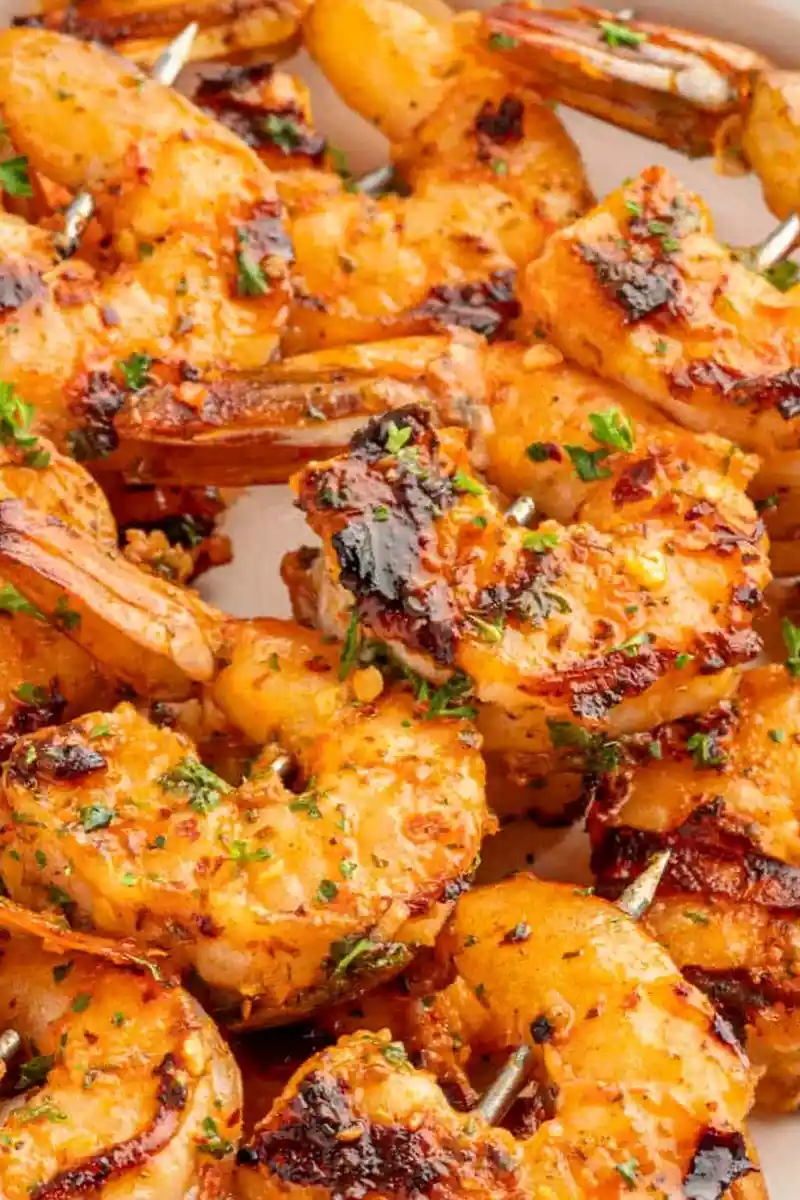
Experience the vibrant, smoky flavors of your favorite restaurant-style grilled shrimp right in your own kitchen. This simple recipe highlights succulent jumbo shrimp coated in a bright, savory marinade of fresh herbs and garlic that caramelizes perfectly on the grill. It is an ideal quick-fix meal that brings a professional touch to your outdoor dining or indoor weeknight dinners.
List of ingredients
- 1 1/2 pounds Jumbo shrimp, 16/20 peeled and deveined
- 1/4 cup olive oil
- 2 tablespoons lemon juice
- 2 tablespoons fresh Parsley, chopped
- 3 cloves garlic, minced
- 1 teaspoon dried oregano
- 1/2 teaspoon paprika
- 1/2 teaspoon salt
- 1/2 teaspoon black pepper
- 1/2 teaspoon crushed red pepper, optional
- lemon wedges for garnish
step-by-step instructions
- Step: Peel the shrimp and devein them if needed, leaving the tails on.
- Step: In a medium bowl, add the olive oil, lemon juice, parsley, garlic, oregano, paprika, salt, pepper, and red pepper flakes and mix until combined.
- Step: Add the shrimp to the marinade bowl and toss until coated. Cover and marinade for at least 15 minutes or up to 1 hour.
- Step: If using wooden skewers, soak them for 1 hour before grilling.
- Step: Preheat the grill to medium-high heat.
- Step: Thread the shrimp onto the skewers, about 4-6 per skewer.
- Step: Grill the shrimp skewers for 2-3 minutes per side, until opaque and cooked through.
- Step: Garnish with fresh chopped parsley and fresh lemon wedges.
Refining Your Grilling Technique
Maintaining Proper Grill Heat
Achieving a professional-looking sear on shrimp requires a consistent medium-high temperature. If your grill is too cold, the shrimp will steam rather than sear, resulting in a rubbery texture and a lack of color. Use a high-quality thermometer or observe the grill’s reaction to verify it is sufficiently heated before laying the skewers down.
Preventing Over-Charring
Shrimp have a very high water content and a lean structure, which means they can transition from perfectly cooked to dry and tough in a matter of seconds. Keep a close watch during the final minute of cooking, as the sugars in the marinade can caramelize rapidly. If you see the edges darkening too quickly, move the skewers to a cooler zone of the grill.
Substitutions and Flavor Adaptations
Choosing Alternative Herbs
If you prefer a different flavor profile, you can easily swap the dried oregano for dried thyme or a mediterranean blend. While fresh parsley is traditional for this specific restaurant-style result, cilantro can be substituted if you want to pair the shrimp with a Mexican-inspired side dish. Always add fresh herbs at the end of the marinade process to preserve their bright, volatile oils.
Selecting Healthy Fats
While extra virgin olive oil provides the best flavor for this marinade, avocado oil is an excellent high-heat alternative if you find that your grill produces flare-ups. Avocado oil has a higher smoke point and a neutral flavor, allowing the garlic and lemon to take center stage without interference. Do not use butter in the marinade, as the milk solids will burn rapidly when subjected to high-heat direct grilling.
Ensuring Quality and Texture
Managing Shrimp Moisture
Before adding the shrimp to your marinade, use paper towels to pat them dry. Excess surface moisture prevents the oil-based marinade from adhering properly and can cause the shrimp to boil in their own juices rather than browning. A dry surface is the secret to a professional crust that captures the essence of the garlic and paprika.
Understanding the Acid Factor
The lemon juice in this recipe acts as a mild curing agent. While essential for flavor, letting the shrimp sit in the acidic marinade for more than one hour can lead to a mushy, chalky texture. Always set a timer when marinating, as this specific protein is significantly more sensitive to acid than chicken or tougher cuts of meat.
Serving and Accompaniment Ideas
Designing a Balanced Plate
These grilled shrimp are highly versatile and pair beautifully with grains that soak up the extra garlic-infused olive oil. Consider serving them over a bed of buttery basmati rice, couscous, or a chilled pasta salad tossed in a light vinaigrette. The brightness of the lemon in the marinade cuts through rich side dishes, making it perfect for pairing with roasted root vegetables or grilled asparagus.
Creating a Casual Appetizer Spread
If you are serving these as an appetizer rather than an entree, place the skewers on a large wooden board alongside a dipping sauce. A simple mixture of mayonnaise, smoked paprika, and a touch more lemon juice makes an excellent creamy dip. You can also offer a variety of citrus wedges—such as lime or blood orange—to give your guests different flavor profiles to explore.
FAQs
Can I cook these on an indoor grill pan?
Yes, an indoor cast-iron grill pan works exceptionally well for this recipe. Ensure the pan is preheated over high heat until it just begins to smoke slightly, then proceed with the same cooking times, pressing the skewers gently into the pan to ensure consistent contact with the ridges.
How do I know if the shrimp are fully cooked?
Aside from the opaque color change, look for the C-shape curvature of the shrimp. If the shrimp curls into a tight, closed O-shape, they have been cooked slightly too long and may become tough. A loose, C-shaped curl indicates the shrimp has reached an internal temperature of approximately 145 degrees Fahrenheit, which is the standard for perfectly succulent seafood.
Is it necessary to use jumbo shrimp?
Using 16/20 count jumbo shrimp is recommended because their larger surface area stands up better to the intensity of grill heat without drying out. If you only have access to smaller medium-sized shrimp, reduce the cooking time to roughly 1.5 minutes per side to compensate for their thinner profile and faster cooking rate.
How should I reheat leftover shrimp?
To avoid overcooking leftovers, do not reheat them in the microwave. Instead, place them in a preheated skillet over medium heat for about 30 seconds per side with a tiny splash of water or oil. This method gently warms them through without causing the proteins to tighten and become leathery.
Storage and Make-Ahead Advice
Maximizing Freshness in the Fridge
Store any leftover grilled shrimp in a shallow, airtight glass container. This minimizes air exposure and helps the shrimp retain their moisture for up to 48 hours. When storing, it is beneficial to drizzle a tiny amount of olive oil over the top to keep the exterior from drying out as it cools in the refrigerator.
Preparing for Future Events
You can effectively prepare the marinade and store it in a sealed jar for up to three days before cooking. For the best texture, wait to add the shrimp to the marinade until approximately 30 minutes before you plan to fire up the grill. This ensures the shrimp remains firm and succulent while still absorbing the deep, aromatic flavors of the garlic and herb blend.
Print
Texas Roadhouse Grilled Shrimp Recipe
- Total Time: 16 minutes
- Yield: 4 servings 1x
- Diet: Pescatarian
Description
Texas Roadhouse Grilled Shrimp is a classic summertime dish with juicy succulent shrimp in a simple lemon herb marinade, and under 10 minutes to get that perfectly charred mark to impress your guests!
Ingredients
- 1 1/2 pounds Jumbo shrimp, 16/20 peeled and deveined
- 1/4 cup olive oil
- 2 tablespoons lemon juice
- 2 tablespoons fresh Parsley, chopped
- 3 cloves garlic, minced
- 1 teaspoon dried oregano
- 1/2 teaspoon paprika
- 1/2 teaspoon salt
- 1/2 teaspoon black pepper
- 1/2 teaspoon crushed red pepper, optional
- lemon wedges for garnish
Instructions
- Step: Peel the shrimp and devein them if needed, leaving the tails on.
- Step: In a medium bowl, add the olive oil, lemon juice, parsley, garlic, oregano, paprika, salt, pepper, and red pepper flakes and mix until combined.
- Step: Add the shrimp to the marinade bowl and toss until coated. Cover and marinade for at least 15 minutes or up to 1 hour.
- Step: If using wooden skewers, soak them for 1 hour before grilling.
- Step: Preheat the grill to medium-high heat.
- Step: Thread the shrimp onto the skewers, about 4-6 per skewer.
- Step: Grill the shrimp skewers for 2-3 minutes per side, until opaque and cooked through.
- Step: Garnish with fresh chopped parsley and fresh lemon wedges.
Notes
Don’t marinade the shrimp for longer than 1 hour, as the acid from the lemon juice can affect the texture. If using wooden or bamboo skewers, soak them for at least 30 minutes to prevent burning. If a grill is unavailable, you can broil the shrimp in the oven for 2-3 minutes per side, watching closely to prevent burning.
- Prep Time: 10 minutes
- Cook Time: 6 minutes
- Category: Entrees
- Method: Grilling
- Cuisine: American
Nutrition
- Serving Size: 1 serving
- Calories: 289 kcal
- Sugar: 1 g
- Sodium: 865 mg
- Fat: 18 g
- Saturated Fat: 3 g
- Unsaturated Fat: 13 g
- Trans Fat: 0 g
- Carbohydrates: 3 g
- Fiber: 1 g
- Protein: 28 g
- Cholesterol: 190 mg