This 10-minute lemon pepper salmon delivers a bright, citrusy punch combined with a perfectly crisp, pan-seared exterior. It is an ideal solution for busy weeknights when you need a healthy, protein-packed meal that requires minimal cleanup and no complex marinating time. By focusing on high-quality seasoning and precise heat control, you can achieve restaurant-quality results right in your own kitchen.
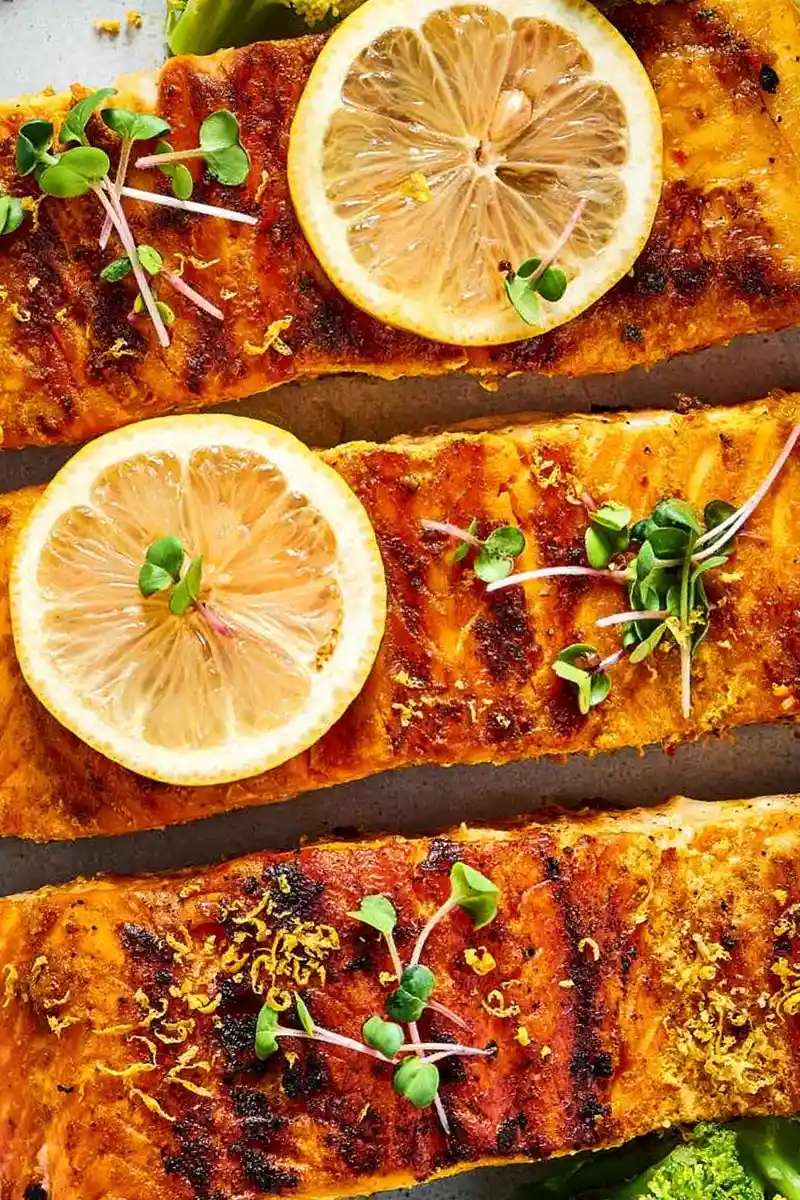
List of ingredients
- 4 salmon fillets (4-6 ounces each)
- 2 tablespoons olive oil (divided)
- 2 tablespoons lemon pepper seasoning
- 1 tablespoon salt
- 1/2 large lemon (juiced)
- Fresh parsley (for garnish)
step-by-step instructions
- Step: Pat dry the salmon fillets. Rub one tablespoon of olive oil over each one, then rub lemon pepper seasoning and sea salt over the top of each fillet. Squeeze the lemon juice over the top.
- Step: Add the remaining olive oil to a non-stick skillet and place over medium heat. Once hot, add the salmon fillets skin side down and cook for 4 minutes, flip the fish and sear it for 2 minutes, flip again and cook for another minute.
- Step: Remove the salmon from the pan and sprinkle with fresh parsley, to serve.
Essential Cooking Methods
Achieving The Perfect Sear
To get that golden-brown crust on your salmon, the pan must be properly preheated before the fish makes contact. If the oil is not hot enough, the salmon will steam rather than sear, which results in mushy skin and less flavor. Test the heat by flicking a tiny drop of water into the oil; if it sizzles instantly, your pan is ready for the fillets.
Monitoring Internal Temperature
Using a digital probe thermometer is the most reliable way to ensure your salmon is cooked to perfection. You are looking for an internal temperature of 145 degrees Fahrenheit in the thickest part of the fillet. Pulling the fish off the heat just a degree or two early allows for carryover cooking, which keeps the fish from becoming dry or chalky during serving.
Preparation And Storage Advice
Maintaining Freshness In The Fridge
Leftover salmon should be stored in an airtight container to prevent it from absorbing other flavors in your refrigerator. Properly chilled, it will maintain its quality for up to three days. When storing, try to avoid stacking the fillets on top of each other to keep the crust from softening too quickly.
Strategies For Freezer Storage
If you have extra portions, wrap them tightly in plastic wrap before placing them in a freezer-safe bag to prevent freezer burn. You can keep the salmon in the freezer for up to three months without a significant drop in flavor. Always label your storage container with the date so you can keep track of how long it has been stored.
Reheating Without Drying Out
The microwave can quickly ruin the texture of cooked fish if you use too much power. Reheat your salmon in 20-second intervals on a low setting, or ideally, place it back into a skillet with a tiny splash of water or oil over low heat. This gentle steaming method ensures the inside stays moist while warming through without overcooking the delicate protein.
Practical Ingredient Substitutions
Adjusting The Lemon Profile
If you prefer a more subtle lemon taste, substitute the fresh lemon juice with a splash of apple cider vinegar during the seasoning phase. If you want a more intense citrus flavor, you can also add a teaspoon of finely grated lemon zest directly onto the fillets before searing. This captures the aromatic oils from the peel, which provides a deeper, more fragrant citrus experience than juice alone.
Alternative Cooking Oils
While olive oil provides a classic flavor, you can substitute it with avocado oil for a higher smoke point. Avocado oil is neutral in flavor and handles the heat required for searing much better than extra virgin olive oil. If you choose to use butter, combine it with a little oil to prevent the milk solids from burning during the initial 4-minute sear.
Frequently Asked Questions
Why does my salmon stick to the pan?
Sticking usually happens if you try to flip the fish before the sear is fully formed or if the pan is not hot enough. Ensure the pan is properly heated and resist the urge to move the fillets for the first four minutes. The salmon will naturally release from the surface once the skin has reached a crispy, golden-brown state.
Can I remove the skin before cooking?
Yes, you can remove the skin, but you lose a significant layer of flavor and protection during the searing process. If you prefer to go skinless, be extra careful when flipping the fish, as it will be more fragile and prone to breaking apart in the pan. A thin metal spatula is the best tool for turning delicate, skinless fillets.
Is there a way to make this in the oven?
If you prefer a hands-off approach, you can roast the fillets on a parchment-lined baking sheet at 380 degrees Fahrenheit. It typically takes between 15 to 17 minutes depending on the thickness of the fish. This method creates a softer exterior but keeps the interior incredibly succulent and flaky.
How do I know if the lemon pepper seasoning has too much salt?
Some commercial lemon pepper blends are heavily salted while others are salt-free. Always check your label; if the first ingredient listed is salt, omit the extra tablespoon of salt suggested in this recipe to ensure the dish does not become too briny. You can always add extra salt at the table, but you cannot remove it once the fish has cooked.
Serving Suggestions
Pairing With Grains And Salads
This salmon pairs beautifully with fluffy coconut milk rice, which mimics the tropical brightness of the lemon pepper. Alternatively, a crisp Greek couscous salad offers a refreshing texture contrast. The acidity of the lemon pepper seasoning also complements roasted vegetables, such as carrots or asparagus, which benefit from the residual heat of the pan.
Creating A Balanced Meal
To round out the meal, focus on adding textures that are not overly soft. A crunchy slaw with a light dressing or roasted root vegetables provides a satisfying contrast to the tender, flaky texture of the salmon. Ensure that whatever side dish you choose does not have an overwhelming sauce that competes with the clean, bright flavors of the lemon and pepper seasoning.
Print
10-Minute Lemon Pepper Salmon
- Total Time: 10 minutes
- Yield: 4 servings 1x
- Diet: Pescatarian
Description
My 10-minute lemon pepper salmon recipe is pan-seared until crisp, flaky, and tender. It’s the perfect healthy lunch or quick weeknight dinner!
Ingredients
- 4 salmon fillets (4–6 ounces each)
- 2 tablespoons olive oil (divided)
- 2 tablespoons lemon pepper seasoning
- 1 tablespoon salt
- 1/2 large lemon (juiced)
- Fresh parsley (for garnish)
Instructions
- Step: Pat dry the salmon fillets. Rub one tablespoon of olive oil over each one, then rub lemon pepper seasoning and sea salt over the top of each fillet. Squeeze the lemon juice over the top.
- Step: Add the remaining olive oil to a non-stick skillet and place over medium heat. Once hot, add the salmon fillets skin side down and cook for 4 minutes, flip the fish and sear it for 2 minutes, flip again and cook for another minute.
- Step: Remove the salmon from the pan and sprinkle with fresh parsley, to serve.
Notes
To store: Let the leftover salmon cool completely, then transfer it to an airtight container and refrigerate for up to three days. To freeze: Store the cooled salmon in a freezer-safe container and freeze for up to three months. Reheating: Microwave the salmon in 20-second intervals until warm, or reheat it in an oiled skillet over medium heat.
- Prep Time: 2 minutes
- Cook Time: 8 minutes
- Category: Main Course
- Method: Pan-seared
- Cuisine: American
Nutrition
- Serving Size: 1 fillet
- Calories: 315 kcal
- Sugar: 0 g
- Sodium: 1820 mg
- Fat: 18 g
- Saturated Fat: 3 g
- Unsaturated Fat: 14 g
- Trans Fat: 0 g
- Carbohydrates: 3 g
- Fiber: 1 g
- Protein: 34 g
- Cholesterol: 95 mg