This recipe creates a perfect balance of sweet and tangy flavors with a caramelized crust on tender fish. It is an efficient meal that requires minimal preparation and cooks in under 20 minutes.
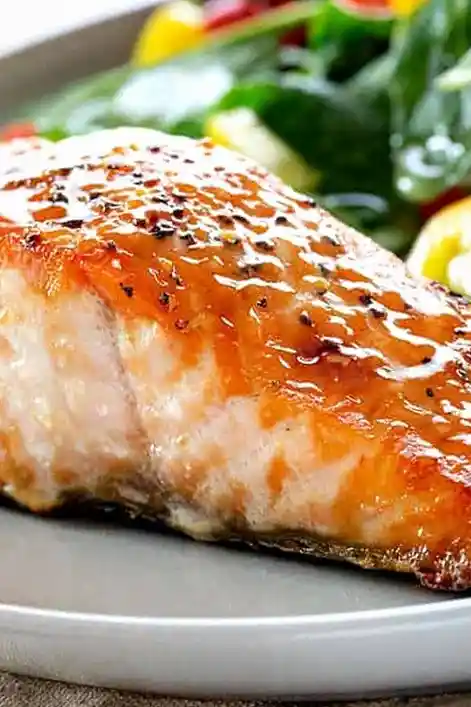
List of ingredients
- 1/4 cup (50 g) brown sugar, packed – provides the sweetness and caramelization.
- 2 tablespoons dijon mustard – adds tanginess and helps the glaze adhere.
- 4 (6 ounces) boneless salmon fillets – the main protein source.
- Salt and ground black pepper to taste – essential for enhancing the natural flavor of the fish.
step-by-step instructions
- Preheat the Oven: Set your oven to 425°F and position the oven rack at the highest setting to ensure the heat is close to the fish.
- Prepare the Pan: Use cooking spray to coat the rack of a broiler pan to prevent the salmon from sticking.
- Season the Fish: Place the salmon fillets on the prepared broiler pan and season both sides generously with salt and ground black pepper.
- Apply the Glaze: In a small mixing bowl, whisk together the packed brown sugar and Dijon mustard until smooth, then spoon the mixture evenly over the top of each fillet.
- Bake and Broil: Cook the salmon in the preheated oven for 10 minutes. Switch the oven to the broil setting and cook for an additional 5-10 minutes until the glaze is golden and caramelized.
Selecting the Right Salmon
Comparing Atlantic, Sockeye, and King Salmon
Atlantic salmon is the most common variety and is known for its mild flavor and higher fat content, which makes it very forgiving during the cooking process. Sockeye salmon has a deeper red color and a more intense, robust flavor with slightly less fat.
King salmon is the richest of all, offering a buttery texture and a very mild taste. Depending on your preference for richness or intensity, any of these three will work well with a sweet glaze.
Choosing Between Fresh and Frozen Fillets
Fresh salmon should have a bright color and a clean scent with no fishy odor. When buying fresh, ensure the flesh is firm and springs back when lightly pressed with your finger.
Frozen fillets are often flash-frozen at sea, which preserves quality. If using frozen salmon, thaw it completely in the refrigerator overnight to ensure even cooking and to prevent the fish from releasing too much moisture in the pan.
Identifying the Best Cut for Glazing
Center-cut fillets are the best choice because they provide a uniform thickness across the entire piece of fish. This ensures that all fillets cook at the same rate and the glaze caramelizes evenly.
Avoid pieces with uneven edges or varying thicknesses, as thinner parts will overcook and dry out before the center reaches the desired temperature.
Advanced Glaze Customization
Substituting Light and Dark Brown Sugar
Light brown sugar provides a subtle sweetness and a clean finish to the glaze. Dark brown sugar contains more molasses, which results in a deeper, more caramel-like flavor and a darker color.
Both types are interchangeable in this recipe. If you prefer a more complex, earthy sweetness, opt for the dark brown sugar variety.
Using Whole Grain Mustard Instead of Dijon
Dijon mustard is creamy and blends seamlessly into the sugar to create a smooth sauce. Whole grain mustard contains intact mustard seeds, which adds a textured, popped sensation to the crust.
While the flavor profile remains tangy, the texture changes from smooth to grainy. Both options are compatible with the salmon, but Dijon is better for those who prefer a consistent glaze.
Alternative Sweeteners for the Glaze
If you do not have brown sugar, maple syrup or honey can be used as a replacement. These liquid sweeteners provide a similar sweetness but may make the glaze thinner.
When using honey or maple syrup, you may need to reduce the amount of mustard slightly to maintain the right consistency. These options add a distinct floral or woody note to the dish.
Optimal Cooking Techniques
Managing Oven Rack Placement
Placing the oven rack at the highest setting is crucial for the broiling phase. This puts the salmon closer to the heating element, allowing the sugars in the glaze to bubble and brown quickly.
If the rack is too low, the fish may overcook internally before the top achieves a golden-brown caramelization. Always double-check your rack position before sliding the pan in.
Using a Meat Thermometer for Precision
The most reliable way to determine doneness is using an instant-read thermometer. For medium salmon, aim for an internal temperature of 125°F to 130°F.
For those who prefer their fish fully cooked, the FDA recommends an internal temperature of 145°F. Remember that the salmon will continue to cook for a few degrees after being removed from the oven.
Preventing the Salmon from Sticking
Using a broiler pan with a rack allows heat to circulate under the fish, preventing the bottom from becoming soggy. Coating the rack with a high-smoke-point cooking spray, like olive oil or avocado oil, is essential.
Alternatively, you can line a baking sheet with parchment paper or aluminum foil. If using foil, lightly grease it to ensure the fillets lift off easily after cooking.
Complementary Side Dish Ideas
Pairing with Roasted Green Vegetables
Roasted asparagus or broccolini pairs excellently with the sweetness of the glaze. Toss the vegetables in olive oil, salt, and pepper, and roast them at 425°F alongside the salmon.
The charred, bitter notes of the roasted vegetables balance the sugar in the glaze. Adding a squeeze of fresh lemon juice over the vegetables right before serving adds a bright acidity.
Selecting the Best Grains
Quinoa or wild rice provides a nutty contrast to the rich salmon. Cook the grains in vegetable broth instead of water to add more depth of flavor to the meal.
Brown rice or farro are also excellent options for those seeking a heartier texture. These grains soak up any extra glaze that drips from the fillets during serving.
Fresh Salad Combinations
A crisp arugula salad with a lemon-vinaigrette dressing cuts through the richness of the fish. The peppery flavor of arugula complements the tang of the Dijon mustard.
Adding sliced cucumbers, radishes, and a few pomegranate seeds can add color and a refreshing crunch to the plate. Keep the salad dressing simple to avoid overpowering the glaze.
Storage and Preservation
Refrigerating Leftover Salmon
Store leftover glazed salmon in an airtight container in the refrigerator. It will stay fresh and safe to eat for up to three to four days.
Ensure the fish is completely cooled before sealing the container to prevent excess steam from making the glaze soggy. Place the fillets on a piece of parchment paper to keep them from sticking together.
Freezing Glazed Salmon
While cooked salmon can be frozen, the texture of the glaze may change upon thawing. Wrap fillets tightly in plastic wrap and then place them in a heavy-duty freezer bag.
Cooked salmon can be kept in the freezer for up to two months. Thaw the fish slowly in the refrigerator for 24 hours before reheating to maintain as much moisture as possible.
Effective Reheating Methods
Using the Oven for Best Texture
To maintain the quality of the glaze, reheat salmon in the oven at 275°F. Place the fillets on a baking sheet and heat for about 10-15 minutes until warmed through.
This low-temperature method prevents the fish from drying out and keeps the glaze from burning. Avoid using high heat, which can make the salmon rubbery.
Microwave Heating Tips
If you are in a rush, the microwave can be used, but it requires caution. Use a medium power setting and heat the fish in 30-second intervals.
Cover the salmon with a damp paper towel to trap moisture. This prevents the fish from becoming tough, although the glaze will lose its crispness.
Make-Ahead Strategies
Preparing the Glaze in Advance
The brown sugar and mustard mixture can be made up to a week in advance. Store the glaze in a small jar or airtight container in the refrigerator.
Before applying it to the salmon, give the glaze a quick whisk to re-incorporate the sugar. This saves time during the actual cooking process on busy weeknights.
Pre-seasoning the Fillets
You can season the salmon with salt and pepper a few hours before cooking. This allows the salt to penetrate the fish, enhancing the overall flavor.
However, avoid applying the glaze too early, as the salt can draw moisture out of the fish, potentially making the glaze runny. Apply the glaze immediately before the fillets go into the oven.
Troubleshooting Common Issues
Dealing with a Burnt Glaze
Because of the high sugar content, the glaze can burn if left under the broiler for too long. If the top becomes too dark, remove the pan immediately and scrape off the burnt bits.
To prevent this, check the salmon every two minutes during the broiling phase. If the glaze is browning too quickly, move the rack down one level.
Fixing Dry or Overcooked Salmon
Overcooked salmon often develops a white substance called albumin on the surface. While safe to eat, it indicates the fish is becoming dry.
To fix dry salmon, serve it with a dollop of Greek yogurt or a side of avocado. These creamy additions add moisture back into every bite.
Adjusting a Glaze That is Too Sweet
If the glaze tastes too sugary for your preference, add a teaspoon of apple cider vinegar or extra Dijon mustard. The acidity helps neutralize the sugar.
A squeeze of fresh lemon juice over the finished fillet also provides a sharp contrast that balances the sweetness of the brown sugar.
Frequently Asked Questions
What is the ideal internal temperature for salmon?
For a medium cook, aim for 125°F to 130°F. For a fully cooked fillet, the recommended temperature is 145°F.
Can I use frozen salmon fillets?
Yes, but they must be completely thawed before cooking. Thawing in the refrigerator is the safest and most effective method to ensure even heat distribution.
How do I prevent salmon from sticking to the pan?
Use a non-stick broiler pan or line your baking sheet with greased parchment paper. High-smoke-point oils like avocado oil are best for high-heat cooking.
Can this recipe be made in an air fryer?
Yes. Preheat the air fryer to 400°F and cook the glazed fillets for 5-7 minutes. Check frequently as air fryers can cook faster than traditional ovens.
Print
Sweet and Savory Brown Sugar Glazed Salmon
- Total Time: 20 minutes
- Yield: 4 salmon fillets 1x
- Diet: General
Description
Brown Sugar Glazed Salmon is a simple and delicious way to kick your salmon up a notch! I love the contrast of the light and flakey salmon with a sweet brown sugar glaze. It’s easy enough to put together for a weeknight dinner and the kids love it too!
Ingredients
- ¼ cup (50 g) brown sugar, packed
- 2 tablespoons dijon mustard
- 4 (6 ounces) boneless salmon fillets
- salt and ground black pepper to taste
Instructions
- Preheat: Preheat the oven to 425°F and set the oven rack at to the highest setting.
- Prepare Pan: Prepare the rack of a broiler pan with cooking spray.
- Season: Arrange the salmon on top of the prepared broiler pan and season with salt and pepper.
- Glaze: In a small bowl, whisk together the brown sugar and Dijon mustard; spoon mixture evenly onto top of the fillets.
- Cook: Cook for 10 minutes in the preheated oven, switch your oven to the broil setting, and broil for an additional 5-10 minutes, or until the glaze is caramelized and golden.
Notes
Light and dark brown sugar can be used interchangeably. For an air fryer version, cook at 400°F for 5-7 minutes.
- Prep Time: 10 minutes
- Cook Time: 10 minutes
- Category: Main Course
- Method: Baking
- Cuisine: American
Nutrition
- Serving Size: 1 salmon fillet
- Calories: 312 kcal
- Sugar: 12 g
- Sodium: 550 mg
- Fat: 12 g
- Saturated Fat: 3 g
- Unsaturated Fat: 9 g
- Trans Fat: 0 g
- Carbohydrates: 13 g
- Fiber: 0 g
- Protein: 34 g
- Cholesterol: 70 mg