This slow cooker honey garlic chicken is a practical dinner option requiring minimal preparation time. It provides a balanced sweet and savory glaze that works well for meal prepping throughout the week.
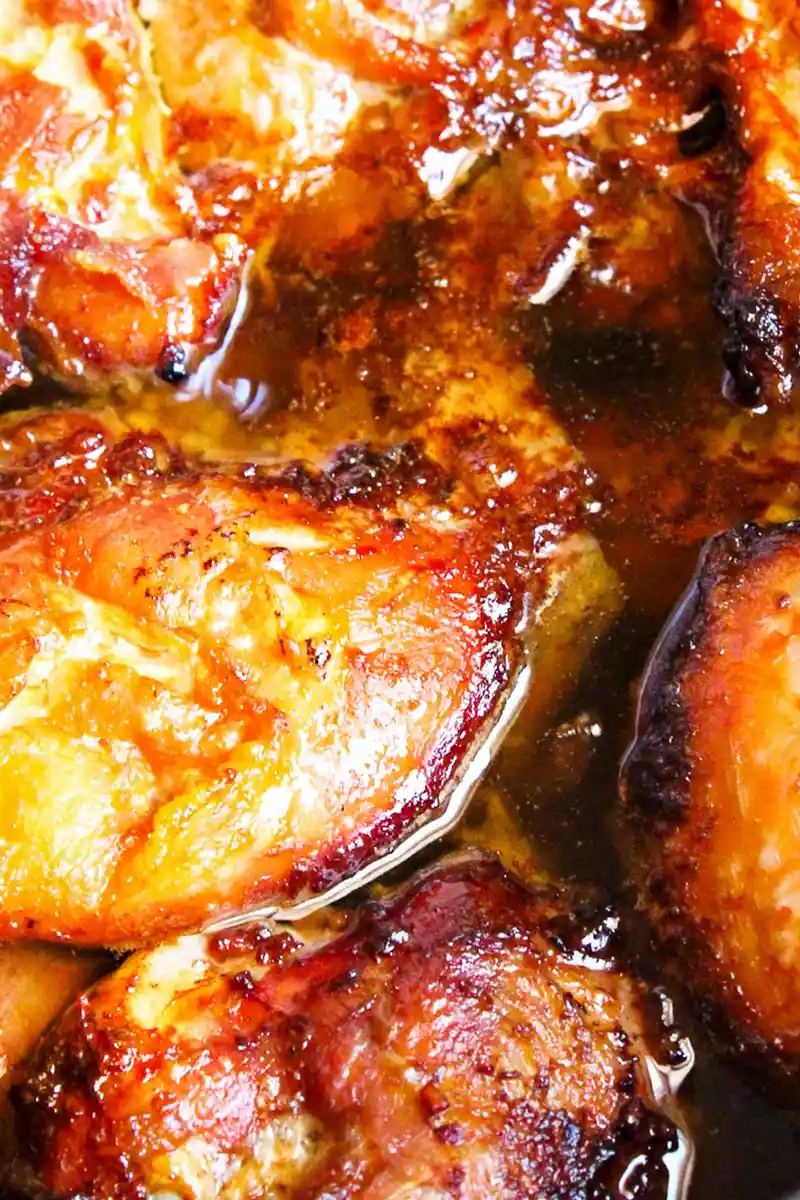
List of ingredients
- 3.5 lbs chicken (combination of thighs and breasts is best, 3-4 lbs total) – provides a balance of lean meat and juicy dark meat.
- salt and pepper – used for basic seasoning and flavor enhancement.
- 2 tablespoons sesame oil (or olive oil) – used for searing the chicken to lock in juices.
- 1/2 cup soy sauce (or coconut aminos or gluten-free soy sauce) – the primary salty and savory element.
- 3 tablespoons honey – adds natural sweetness and helps thicken the sauce.
- 2 cloves garlic (minced) – provides a pungent, aromatic base.
- 1 inch piece ginger (grated) – adds a warm, spicy note to the glaze.
step-by-step instructions
- Season the meat: Pat the chicken dry with paper towels and season lightly with salt and pepper on all sides. This ensures the seasoning sticks and the meat browns properly.
- Sear the chicken: Heat a large skillet to medium-high heat and add the oil. Brown the seasoned chicken in batches, searing both sides quickly to develop flavor without fully cooking the interior.
- Prepare the glaze: In the bottom of the slow cooker, combine the soy sauce, honey, minced garlic, and grated ginger. Stir these ingredients together until the honey is fully incorporated into the liquid.
- Combine: Add the browned chicken pieces into the slow cooker and stir them to ensure every piece is evenly coated with the sauce.
- Slow cook: Set the slow cooker to LOW for 6-8 hours or to HIGH for 3-4 hours. Ensure the lid remains closed to maintain a consistent temperature and moisture level.
- Finish and serve: Shred the meat, cut it into bite-sized pieces, or leave the pieces whole. Serve over a bed of rice and spoon the remaining sauce from the pot over the top.
Optimizing the Sauce Profile
Managing Sodium with Low-Sodium Soy Sauce
Using a reduced-sodium soy sauce prevents the dish from becoming overly salty during the long cooking process. Since the liquid reduces slightly in the slow cooker, the salt concentration increases over time. This adjustment ensures the honey’s sweetness remains balanced against the salt.
Using Coconut Aminos for Gluten-Free Requirements
Coconut aminos serve as a direct replacement for soy sauce for those avoiding soy or gluten. It has a slightly sweeter profile and lower sodium content than traditional soy sauce. If using aminos, you may want to add a pinch of extra salt to maintain the savory depth.
Increasing Sauce Volume for Extra Glaze
If you prefer more sauce for serving over rice or quinoa, you can double the quantities of soy sauce, honey, garlic, and ginger. This will provide a larger volume of liquid without altering the core flavor ratio. Just be aware that more liquid may result in a thinner sauce consistency.
Adjusting the Sweetness Level
Depending on the type of honey used, the sweetness may vary. If the dish tastes too sweet, add a teaspoon of rice vinegar or a squeeze of lime juice to introduce acidity. If it is not sweet enough, stir in an additional tablespoon of honey during the last 30 minutes of cooking.
Meat Selection and Preparation
Benefits of Using Chicken Thighs
Boneless, skinless chicken thighs are ideal for slow cooking because they contain more connective tissue and fat than breasts. This prevents the meat from drying out over an 8-hour cooking cycle. Thighs remain tender and juicy even when cooked on the high setting.
Handling Chicken Breasts in a Slow Cooker
Chicken breasts lean out the dish but are prone to becoming rubbery if overcooked. To prevent this, consider adding them to the pot later or cooking them on the low setting. Slicing breasts into larger chunks can also help them maintain moisture.
Utilizing Chicken Drumsticks
Drumsticks are a budget-friendly option that works well with this honey garlic glaze. The bone helps conduct heat into the center of the meat, ensuring it cooks evenly. Note that you will need to remove the skin if you prefer a leaner result.
The Importance of Patting Meat Dry
Moisture on the surface of the chicken creates steam when it hits the hot oil, which prevents browning. Patting the meat dry with paper towels ensures a proper sear and the development of a brown crust. This crust adds a layer of depth to the final flavor of the dish.
Advanced Cooking Techniques
The Role of Searing in Flavor Development
Searing the chicken in a skillet triggers the Maillard reaction, which creates complex flavor compounds. While the slow cooker tenderizes the meat, it cannot brown it, meaning skipping this step results in a paler and less flavorful dish. Searing also helps the chicken hold its shape during the long cook time.
Comparing Low and High Heat Settings
The low setting is generally preferred for this recipe as it allows the collagen in the chicken to break down slowly, resulting in a more tender texture. The high setting is convenient for shorter timeframes but increases the risk of the meat toughening. Always check the internal temperature with a meat thermometer.
Controlling Liquid Evaporation
Slow cookers are designed to trap steam, but some evaporation still occurs over several hours. If you notice the sauce becoming too thick or sticky, stir in a tablespoon of water or chicken broth. Conversely, if the sauce is too thin, you can simmer it in a saucepan after cooking to reduce it.
Managing Batch Searing in the Pan
Crowding the skillet lowers the temperature of the oil, which causes the chicken to steam rather than sear. Cook the meat in two or three separate batches to maintain high heat. This ensures each piece gets a golden-brown exterior without overcooking the inside.
Serving and Pairing Recommendations
Selecting the Best Rice Varieties
Long-grain white rice, such as Jasmine or Basmati, provides a neutral base that complements the bold honey garlic sauce. For a nuttier flavor, brown rice is an excellent alternative. Ensure the rice is fluffy and not overcooked to provide a texture contrast to the tender chicken.
Low-Carb and Grain-Free Alternatives
Cauliflower rice is a practical substitute for traditional grains for those following a low-carb diet. Quinoa offers a higher protein content and a slightly firmer texture. Both options absorb the sauce well while keeping the meal lighter.
Pairing with Fresh Vegetables
Steamed broccoli, snap peas, or sautéed bok choy provide a fresh, crisp contrast to the rich glaze. Adding these vegetables during the last 30 minutes of slow cooking can integrate them into the dish. Alternatively, serving them on the side preserves their bright color and crunch.
Adding Garnish for Texture and Flavor
Sliced green onions or toasted sesame seeds add a professional finish and a hint of nuttiness. A sprinkle of red pepper flakes can introduce a subtle heat that cuts through the sweetness of the honey. These additions enhance the visual appeal and taste profile.
Storage and Preservation
Safe Refrigeration Practices
Store leftover chicken and sauce in airtight glass or plastic containers in the refrigerator. The dish will remain safe to eat for up to three to four days. Keep the chicken submerged in the sauce to prevent the meat from drying out during storage.
Freezing for Long-Term Use
This recipe is well-suited for freezing. Place the chicken and sauce in freezer-safe bags, removing as much air as possible to prevent freezer burn. The meal can be stored in the freezer for up to one month without significant loss of quality.
Thawing and Defrosting Methods
The safest way to thaw frozen honey chicken is in the refrigerator overnight. This ensures the meat thaws evenly and stays at a safe temperature. Avoid thawing at room temperature to prevent bacterial growth on the surface of the chicken.
Optimal Reheating Techniques
For the best results, reheat the chicken in a skillet over medium heat with a splash of water or broth. This restores the sauce’s consistency and prevents the meat from becoming tough. If using a microwave, heat in short intervals and stir in between to avoid cold spots.
Troubleshooting Common Issues
Fixing a Sauce That is Too Thin
If the sauce remains watery after cooking, you can create a simple cornstarch slurry. Mix one teaspoon of cornstarch with one teaspoon of cold water and stir it into the sauce during the last 30 minutes of cooking. This will create a thick, glossy glaze that clings to the meat.
Reducing Excess Saltiness
If the dish tastes too salty, you can add a small amount of unsweetened applesauce or a grated carrot. These ingredients introduce natural sugars and bulk that dilute the salt concentration. Adding a bit more honey or a splash of water can also help balance the flavor.
Preventing Dry Chicken Breast
If the chicken breasts are too dry, it usually means they were cooked for too long. To avoid this in the future, check the meat at the 6-hour mark on low or the 3-hour mark on high. Once the internal temperature reaches 165°F, remove the meat immediately.
Handling Burnt Honey Residue
Honey can sometimes burn or stick to the edges of the slow cooker if the heat is too high. To prevent this, ensure the sauce is well-stirred before starting the cook cycle. If you notice burning, transfer the contents to a clean pot and simmer gently to remove any burnt bits.
Frequently Asked Questions
Can I use garlic powder instead of fresh garlic?
Yes, you can use 1 teaspoon of garlic powder as a substitute for two fresh cloves. However, fresh garlic provides a more pungent and layered flavor that is characteristic of this dish.
Can I substitute the honey with maple syrup?
Maple syrup is a suitable alternative and will provide a slightly different, woodsy sweetness. The consistency is similar, so it will not affect the thickness of the glaze significantly.
Is browning the chicken mandatory?
While the chicken will cook through without browning, searing is highly recommended for flavor. Without it, the meat can have a boiled texture and a less complex taste.
Can I add vegetables directly to the slow cooker?
Yes, you can add sliced carrots or celery at the beginning of the cooking process. For softer vegetables like broccoli or spinach, add them during the final 30 to 60 minutes to avoid overcooking.
Print
Slow Cooker Honey Garlic Chicken
- Total Time: 6 hours 5 minutes
- Yield: 6 servings 1x
- Diet: General
Description
This crock pot Honey Chicken only needs 10 minutes of hands-on time! It is a very kid-friendly recipe, and can be served in so many ways! This recipe can be made gluten-free easily.
Ingredients
- 3.5 lbs chicken (combination of thighs or breasts)
- salt and pepper
- 2 tablespoons sesame oil
- ½ cup soy sauce
- 3 tablespoons honey
- 2 cloves garlic, minced
- 1 inch piece ginger, grated
Instructions
- Step 1: Pat the chicken dry and season lightly with salt and pepper on all sides.
- Step 2: Heat a large skillet to medium-high heat, add the oil, and brown the seasoned chicken on both sides.
- Step 3: At the bottom of the slow cooker, combine the soy sauce, honey, garlic, and ginger and stir together.
- Step 4: Add the chicken to the sauce and stir.
- Step 5: Cook on LOW for 6-8 hours or HIGH for 3-4 hours.
- Step 6: Shred, cut up, or leave whole, and serve over rice, spooning extra sauce over the rice.
Notes
Use low-sodium or gluten-free soy sauce, or substitute coconut aminos. Fresh garlic and ginger are recommended for the best flavor.
- Prep Time: 5 minutes
- Cook Time: 6 hours
- Category: Dinner
- Method: Slow Cooking
- Cuisine: American
Nutrition
- Serving Size: 1 serving
- Calories: 359 kcal
- Sugar: 9 g
- Sodium: 1169 mg
- Fat: 24 g
- Saturated Fat: 6 g
- Unsaturated Fat: 18 g
- Trans Fat: 0 g
- Carbohydrates: 10 g
- Fiber: 1 g
- Protein: 26 g
- Cholesterol: 95 mg