This one-pot meal combines tender chicken breasts and fluffy white rice infused with zesty lemon and aromatic herbs. It is a practical dinner solution that reduces cleanup by using a single skillet for the entire process.
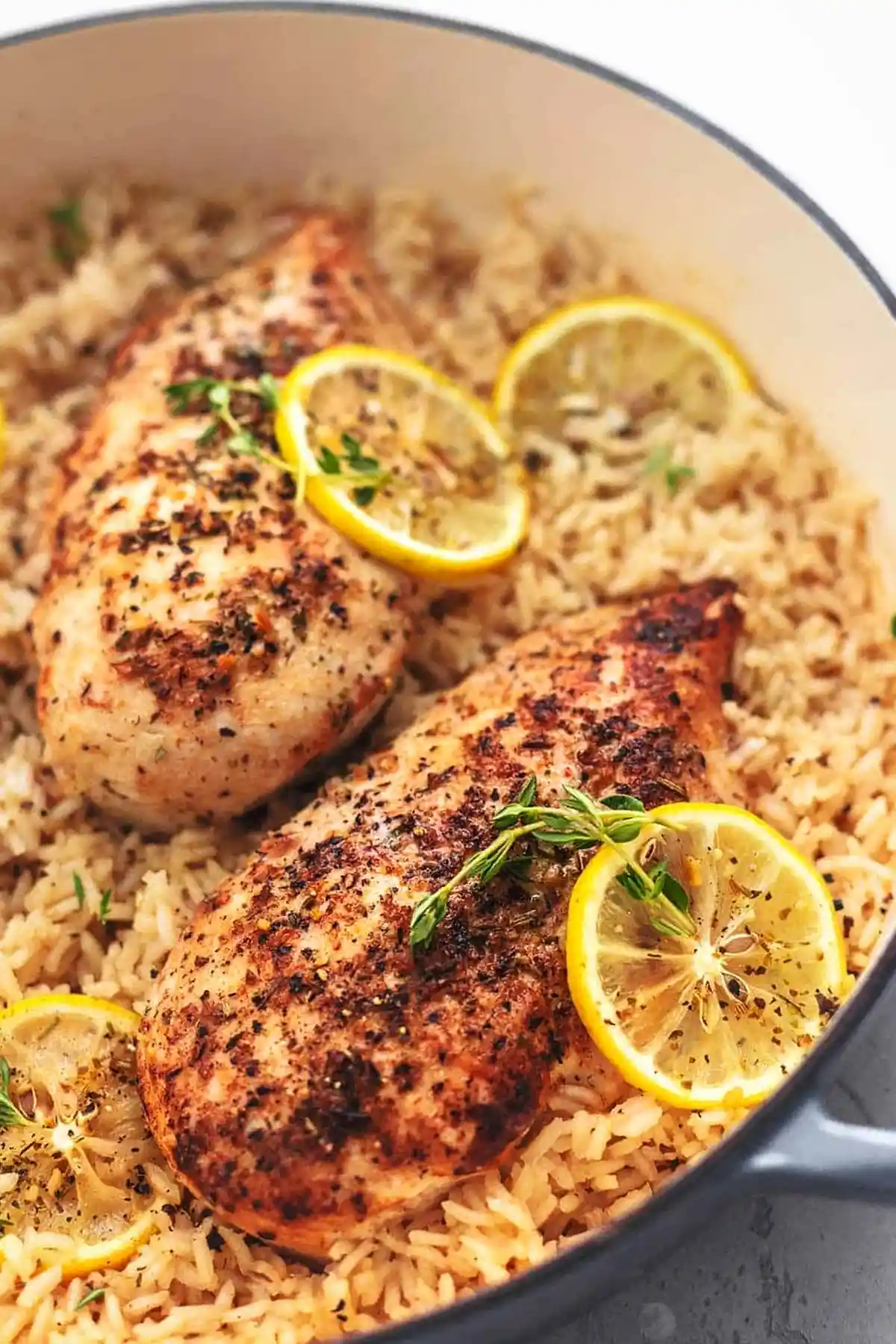
List of ingredients
- 4 boneless skinless chicken breasts – cut to even sizes for consistent cooking.
- 2 tablespoons butter – used for searing the chicken and adding richness.
- Salt and pepper to taste – for basic seasoning.
- 2 teaspoons Italian seasoning – used for the initial chicken rub.
- 1 cup uncooked white rice – long-grain white rice works best for a fluffy texture.
- 2 ¼ cups chicken broth – low sodium is recommended to control salt levels.
- Juice of 1 lemon – provides acidity and brightness.
- 1 teaspoon Italian seasoning – added to the rice mixture for extra flavor.
step-by-step instructions
- Sear the Chicken: Melt butter over medium heat in a large skillet or pan equipped with a lid. Season the chicken breasts with salt, pepper, and 2 teaspoons of Italian seasoning. Brown the chicken for 1-2 minutes on each side, then transfer the pieces to a plate.
- Combine Rice and Liquid: In the same skillet, add the uncooked rice, chicken broth, lemon juice, and the remaining 1 teaspoon of Italian seasoning. Stir the mixture to combine and scrape up any browned bits from the bottom of the pan.
- Simmer and Cook: Place the browned chicken breasts on top of the rice mixture. Cover the pan with a tight-fitting lid and simmer over medium-low heat for 20-25 minutes until the liquid is fully absorbed and the rice is tender.
- Final Touch: Garnish the dish with fresh parsley or cilantro if desired. Serve immediately with fresh lemon wedges for an extra burst of acidity.
Essential Kitchen Equipment
Selecting the Right Skillet
Use a heavy-bottomed skillet or a deep sauté pan to ensure even heat distribution. A pan with a thick base prevents the rice from scorching on the bottom during the simmering process. Ensure the pan is large enough to accommodate four chicken breasts without overcrowding.
Using a Tight-Fitting Lid
A lid that seals tightly is critical for trapping steam inside the pan. This steam is what cooks the rice and ensures the chicken remains moist. If your lid has a vent, you may need to slightly increase the simmering time to account for moisture loss.
Meat Thermometer for Accuracy
Use an instant-read meat thermometer to verify the chicken is safe to eat. The thickest part of the breast should reach an internal temperature of 165 degrees Fahrenheit. This prevents overcooking while ensuring food safety.
Measuring Cups for Precision
Use a standard dry measuring cup for the rice and a liquid measuring cup for the broth. Precise ratios of liquid to grain are essential for achieving the correct rice consistency. Too much liquid will result in mushy rice, while too little will leave grains hard.
Ingredient Selection and Quality
Choosing the Best White Rice
Long-grain white rice or Jasmine rice is ideal for this one-pot method because they maintain their structure. These varieties absorb the flavored broth without clumping together. Avoid using instant or quick-cooking rice, as they will overcook before the chicken is done.
Selecting Chicken Breasts
Choose boneless, skinless chicken breasts of similar thickness to ensure they cook evenly. If some breasts are significantly thicker than others, you can pound them to a uniform thickness. This prevents smaller pieces from drying out while larger pieces finish cooking.
Using Low Sodium Broth
Low sodium chicken broth allows you to control the salt levels of the final dish. Since Italian seasoning often contains salt, using a lower sodium broth prevents the meal from becoming overly salty. You can always add more salt at the end if needed.
Fresh Lemon Juice vs bottled
Freshly squeezed lemon juice provides a brighter, more vibrant acidity than bottled alternatives. Fresh juice contains natural oils that enhance the herbal notes of the Italian seasoning. Squeeze the lemon immediately before adding it to the pan for maximum freshness.
Flavor Enhancements and Customizations
Incorporating Fresh Vegetables
Adding frozen peas or diced carrots provides color and nutritional value. Stir these into the rice mixture just before placing the chicken on top. These vegetables will steam perfectly during the 20-25 minute simmering period.
Adding Aromatics for Depth
Finely chop a small onion or two cloves of garlic and sauté them in the butter before browning the chicken. This creates a fragrant base that adds a savory layer to the rice. Ensure the aromatics are translucent but not burnt before adding the meat.
Substituting Different Herbs
If you do not have Italian seasoning, a mix of dried oregano, basil, and thyme works well. Fresh rosemary or sage can also be used for a more earthy, autumnal flavor profile. Adjust the quantity to match the potency of the herb you choose.
Adding a Touch of Heat
Add half a teaspoon of red pepper flakes to the rice mixture for a subtle spicy kick. This heat balances the acidity of the lemon and the richness of the butter. For a stronger spice, you can garnish the final dish with sliced jalapeños.
Using Coconut Milk for Creaminess
Replace half a cup of the chicken broth with full-fat coconut milk for a creamier texture. This change shifts the flavor profile toward a tropical style while keeping the lemon brightness. It pairs exceptionally well with Jasmine rice.
Advanced Cooking Techniques
Optimizing the Browning Process
Ensure the butter is shimmering and hot before adding the chicken to create a proper sear. Do not move the chicken too often; let it sit for 1-2 minutes to develop a golden-brown crust. This crust adds a rich, caramelized flavor to the entire pot.
Adjusting Heat for Simmering
Once the lid is on, keep the heat at a consistent medium-low setting. If the heat is too high, the liquid will evaporate too quickly, leaving the rice undercooked in the center. A gentle simmer ensures the rice grains expand evenly.
Managing Moisture Levels
If the liquid is absorbed but the rice still feels firm, add two tablespoons of broth and cover for another five minutes. This prevents the rice from burning while allowing the remaining starch to soften. Always check the rice texture before removing the pan from heat.
Deglazing the Pan
When you add the broth and lemon juice, use a wooden spoon to scrape the browned bits from the bottom. These bits, known as fond, are concentrated flavor particles from the seared chicken. Incorporating them into the rice creates a deeper, more complex sauce.
Serving and Pairing Suggestions
Pairing with Steamed Greens
Serve this dish alongside steamed asparagus or sautéed spinach for a balanced meal. The bitterness of leafy greens cuts through the richness of the buttery rice. Steam the vegetables separately to maintain their bright color and crisp texture.
Using Fresh Garnishes
Freshly chopped parsley or cilantro added at the end provides a visual contrast and a fresh taste. These herbs brighten the savory notes of the chicken broth. A sprinkle of fresh chives also adds a mild onion flavor that complements the lemon.
Adding a Side Salad
A simple arugula salad with a light vinaigrette is an excellent accompaniment. The peppery taste of arugula balances the citrus and herb flavors of the main course. Keep the dressing light to avoid overpowering the chicken and rice.
Plating for Presentation
Spoon a generous portion of rice onto a plate and place a chicken breast on top. Arrange fresh lemon wedges around the edge of the plate for a professional look. This allows guests to add as much extra lemon as they prefer.
Storage and Preservation
Refrigeration Guidelines
Store leftovers in an airtight container in the refrigerator for up to three days. Ensure the food is cooled slightly before sealing the container to prevent excessive condensation. This keeps the rice from becoming soggy during storage.
Freezing for Later Use
This meal can be frozen for up to three months in a freezer-safe container. Allow the dish to cool completely before freezing to maintain the texture of the chicken. Label the container with the date for easy tracking.
Preventing Rice Hardening
Rice tends to harden in the refrigerator as the starches retrograde. To prevent this, ensure the chicken and rice are stored together, as the moisture from the meat helps keep the grains softer. Avoid storing the rice in a wide, shallow container where it is more exposed to air.
Thawing Frozen Portions
Thaw frozen portions in the refrigerator overnight before reheating. This ensures the chicken thaws evenly and prevents the exterior from overcooking while the center remains frozen. Avoid thawing in the microwave if you want to maintain the best texture.
Reheating Methods
Microwave Reheating Tips
Place a portion of chicken and rice in a microwave-safe bowl and add a tablespoon of water or broth. Cover the bowl with a damp paper towel to create a steaming effect. Heat in 1-minute intervals, stirring gently, until the dish is steaming hot.
Stovetop Reheating
Add the leftovers to a small pan with a splash of chicken broth over low heat. Cover the pan with a lid and heat slowly, stirring occasionally. This method is superior for restoring the fluffy texture of the rice.
Oven Reheating Options
Place the leftovers in an oven-safe dish and cover tightly with aluminum foil to trap moisture. Heat at 325 degrees Fahrenheit for about 15-20 minutes. This method is best for larger quantities, ensuring the chicken is heated through without drying out.
Troubleshooting Common Issues
Fixing Mushy Rice
Mushy rice usually occurs when too much liquid is used or the rice is overstirred during cooking. To avoid this, do not lift the lid until the cooking time is complete. If the rice is too soft, serve it immediately without adding extra sauce.
Dealing with Undercooked Grains
If the rice is still hard after 25 minutes, add a small amount of warm broth and cover for an additional 5-10 minutes. Check the rice every few minutes to ensure it does not burn. Lower the heat to the absolute minimum setting during this stage.
Preventing Burnt Bottoms
Burnt rice often happens if the heat is too high or the pan has a thin bottom. Use a heavy-bottomed skillet and maintain a strict medium-low heat once the lid is on. If you smell burning, immediately remove the pan from the heat and transfer the top layer to a new dish.
Managing Dry Chicken
Dry chicken is often the result of overcooking or using breasts that are too thin. Ensure the chicken is not browned for too long at the start, as it finishes cooking during the simmering stage. Always use a thermometer to pull the chicken at exactly 165 degrees.
Frequently Asked Questions
Can you cook raw chicken and rice together?
Yes, you can cook them together in one pot. While the chicken is browned first, it remains partially raw inside until the simmering stage. Both the chicken and rice reach safe temperatures simultaneously during the 20-25 minute covered cooking period.
How many cups is two chicken breasts?
On average, two boneless, skinless chicken breasts yield about 1.5 to 2 cups of meat when diced. However, for this recipe, the breasts are cooked whole, so the volume is less important than the thickness of the meat for timing purposes.
Can I use brown rice instead of white?
Yes, but you must increase the cooking time to 30-35 minutes and slightly increase the amount of chicken broth. Brown rice takes longer to soften and requires more moisture to reach the desired tenderness.
What can I use if I don’t have butter?
You can substitute butter with olive oil or avocado oil. While you will lose the buttery flavor, the chicken will still brown effectively. You can add a small amount of butter at the end for richness if desired.
Print
One Pot Lemon Herb Chicken and Rice
- Total Time: 30 minutes
- Yield: 4 servings 1x
- Diet: General
Description
Buttery, one pot lemon herb chicken and rice with lemon herb spices, all cooked and ready to devour in 30 minutes in just one pot!
Ingredients
- 4 boneless skinless chicken breasts
- 2 tablespoons butter
- salt and pepper to taste
- 2 teaspoons Italian seasoning
- 1 cup uncooked white rice
- 2 ¼ cups chicken broth
- juice of 1 lemon
- 1 teaspoon Italian seasoning
Instructions
- Brown Chicken: Melt butter over medium heat in a large skillet or pan with a lid. Season chicken with salt, pepper, and Italian seasoning. Brown chicken in the butter for 1-2 minutes on each side and transfer to a plate.
- Simmer: Add rice, chicken broth, lemon juice, and remaining Italian seasoning to the pan. Place chicken on top, then cover and simmer over medium-low heat for 20-25 minutes until liquid is dissolved.
- Garnish: Garnish with fresh parsley or cilantro and lemon wedges. Serve immediately.
Notes
For bone-in, skin-on chicken breasts, increase browning time to 3-4 minutes per side. For brown rice, increase simmering time to 30-35 minutes. Store in an airtight container for up to 3 days in the fridge or 3 months in the freezer.
- Prep Time: 5 minutes
- Cook Time: 25 minutes
- Category: Main Course
- Method: Simmering
- Cuisine: American
Nutrition
- Serving Size: 1 serving
- Calories: 313 kcal
- Sugar: 1 g
- Sodium: 625 mg
- Fat: 4 g
- Saturated Fat: 1 g
- Unsaturated Fat: 2 g
- Trans Fat: 1 g
- Carbohydrates: 39 g
- Fiber: 1 g
- Protein: 28 g
- Cholesterol: 73 mg