This Greek chickpea soup is a hearty, nutrient-dense meal characterized by a bright, lemony finish and a creamy texture. It is a simple one-pot dish that brings together traditional Mediterranean flavors for a comforting experience.
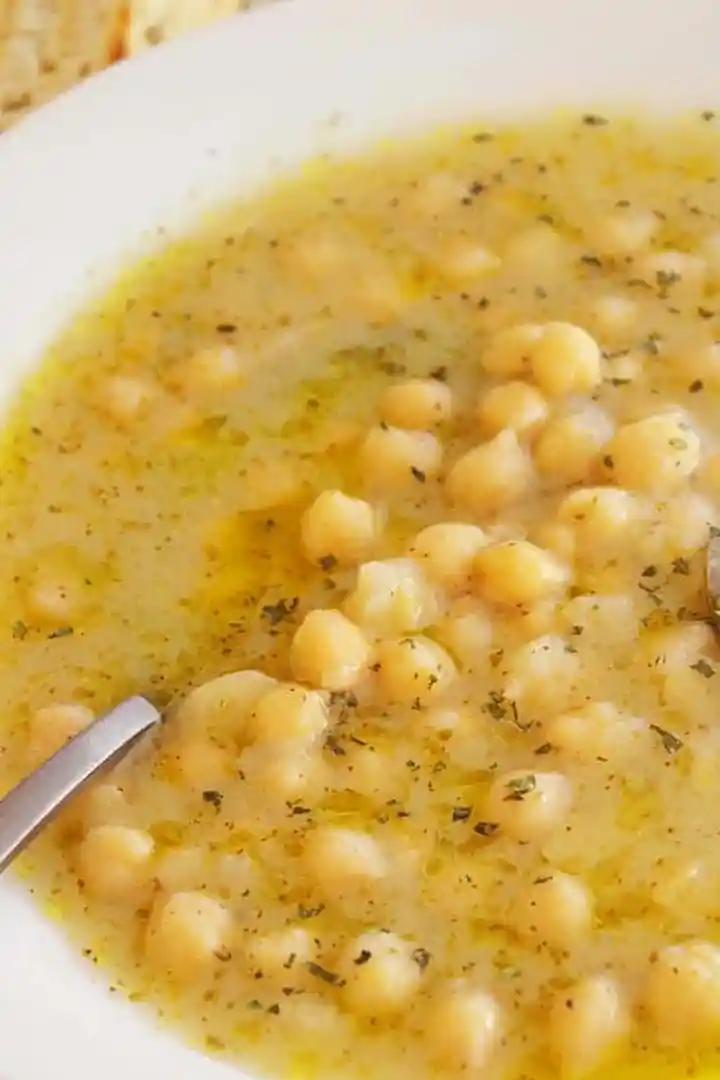
List of ingredients
- 1½ cup (300g) dried chickpeas (preferably peeled) – the primary protein and base of the soup.
- 1 onion, chopped – provides a foundational aromatic sweetness.
- 2 lemons (the juice) – adds the necessary acidity and fresh citrus notes.
- 1 teaspoon oregano, dried – a key herb for an authentic Mediterranean flavor.
- 1 tablespoon flour (optional) – used for those who prefer a thicker, more velvety consistency.
- ⅓ cup olive oil – adds richness and a smooth mouthfeel.
- 2 bay leaves – adds a subtle, earthy depth to the broth.
- Salt and freshly ground pepper, to taste – used for final seasoning.
step-by-step instructions
- Prepare the chickpeas: Sort and rinse the dried chickpeas thoroughly. Soak them in a bowl with plenty of tap water for 12-14 hours. Strain the chickpeas and rinse them well, using your hands to rub off and remove as many skins as possible.
- Parboil and rinse: Place the soaked chickpeas in a pot and bring them to a boil for 2-3 minutes. Strain them again, rinse under tap water to remove any remaining skins, and clean the pot.
- Simmer the soup: Place the cleaned chickpeas back into the pot and add enough water to cover them by about 1.5 inches (4cm). Add the chopped onion, dried oregano, and bay leaves. Bring the mixture to a boil, then immediately reduce the heat to medium-low.
- Cook until tender: Simmer the soup over medium-low heat until the chickpeas are completely tender. This typically takes about one hour for fresh dried chickpeas, though times may vary; add more water if the level drops too low.
- Thicken without flour: Once the chickpeas are soft, add salt. In a food processor, blend the lemon juice, olive oil, and one ladle of the cooked chickpeas until smooth, adding some broth if needed. Stir this mixture into the pot for 2-3 minutes, then simmer on very low heat for a few more minutes before serving.
- Thicken with flour: Add salt a few minutes before the chickpeas finish cooking. In a small bowl, whisk together the lemon juice and flour until smooth, then gradually stir in some chickpea broth. Pour this mixture and the olive oil into the pot, stir for 2-3 minutes, and simmer on very low heat until fully incorporated.
Essential Chickpea Preparation Techniques
The Importance of Overnight Soaking
Soaking dried chickpeas for 12 to 14 hours is critical for digestibility. This process reduces anti-nutrients and ensures the beans cook evenly without remaining hard in the center. It also significantly shortens the total boiling time required.
Removing Skins for Better Texture
Removing the outer skins of the chickpeas results in a much creamier, buttery consistency. Rubbing the soaked beans between your palms or parboiling them briefly helps the skins slide off easily. This step prevents the soup from having a grainy or tough texture.
Selecting the Right Chickpea Variety
Kabuli chickpeas are the larger, lighter-colored variety and are ideal for this soup due to their thinner skins. Desi chickpeas are smaller and darker, often requiring longer cooking times. For the best results, choose peeled dried chickpeas to save preparation time.
Maintaining Water Levels During Simmering
Dried legumes absorb a significant amount of liquid as they soften. Check the pot periodically to ensure the water remains roughly 1.5 inches above the chickpeas. Adding boiling water instead of cold water prevents the temperature from dropping and keeps the cooking process consistent.
Ways to Enhance Soup Consistency
Blending a Portion for Natural Thickness
Using a food processor to blend a small amount of the cooked chickpeas creates a thick, creamy base without adding extra starches. This method preserves the pure flavor of the legume while giving the soup a rich body. It is the preferred method for those avoiding wheat flour.
Using Flour for a Velvety Finish
Whisking flour with lemon juice creates a roux-like slurry that stabilizes the soup. This provides a more uniform, glossy appearance and a heavier mouthfeel. Ensure the flour is fully dissolved in the lemon juice before adding it to the pot to avoid lumps.
Adjusting the Liquid Ratio
Depending on your preference, you can create a thinner broth or a thicker stew-like consistency. For a thinner soup, increase the water amount during the simmer. For a thicker result, simmer the soup uncovered for the final 15 minutes to allow excess moisture to evaporate.
Integrating Olive Oil for Emulsification
Adding the olive oil at the end helps the soup emulsify, creating a smooth, shimmering finish. Stirring the oil into the lemon-chickpea mixture before adding it to the pot ensures the fat is evenly distributed. This prevents oil slicks from forming on the surface.
Ingredient Alternatives and Swaps
Substituting Other Legumes
If chickpeas are unavailable, yellow split peas or brown lentils can be used as a replacement. Split peas will break down more naturally, creating a thick soup without the need for blending or flour. Adjust the soaking time according to the specific legume used.
Alternative Herb Combinations
While oregano is traditional, fresh thyme or a pinch of rosemary can add a different earthy dimension. Adding a small amount of fresh parsley at the very end provides a bright, green contrast. Avoid using too many strong herbs, as they can overpower the delicate lemon flavor.
Varying the Citrus Element
If you prefer a milder tartness, reduce the lemon juice to one lemon and add more at the table. Fresh lime juice can be used as a substitute for a slightly different, more tropical acidity. Ensure the citrus is added at the end to prevent the flavor from dulling during the long simmer.
Using Vegetable Broth for Extra Depth
Replacing the plain water with a low-sodium vegetable broth adds more complexity to the base. This introduces savory notes of celery, carrot, and onion from the start. If using broth, be cautious with additional salt as the broth may already be seasoned.
Recommended Pairing Ideas
Whole Grain Bread Options
Serving this soup with toasted whole wheat bread or warm pita bread is ideal for soaking up the creamy broth. Toasted sourdough also provides a tangy contrast that complements the lemon. Brush the bread with olive oil and garlic for extra flavor.
Salty Mediterranean Accompaniments
Kalamata olives or marinated anchovies add a salty, briny element that cuts through the richness of the chickpeas. A side of feta cheese crumbled over the top provides a creamy, salty punch. These additions transform the soup into a complete Mediterranean meal.
Fresh Side Salads
A simple cabbage salad or a mix of lettuce with chopped scallions and dill works well. Use a light dressing of lemon juice and olive oil to mirror the flavors in the soup. The crispness of the raw vegetables balances the soft texture of the cooked legumes.
Pickled Vegetable Pairings
Pickled carrots, cucumbers, or turnips provide a sharp acidity that refreshes the palate between spoonfuls of soup. These traditional Greek accompaniments add color and a variety of textures to the table. They are particularly useful when serving the soup as a main course.
Guidelines for Storage and Freezing
Refrigeration Best Practices
Store leftover soup in airtight glass containers to maintain freshness for up to four days. The soup may thicken significantly in the fridge as the chickpeas continue to absorb liquid. This is normal and can be easily corrected during the reheating process.
Freezing for Long Term Storage
This soup freezes well for up to three months when stored in freezer-safe containers. Leave a small amount of space at the top of the container to allow for expansion during freezing. Avoid freezing the soup if you added a large amount of fresh herbs, as they may lose their vibrancy.
Thawing Procedures
For the best quality, thaw frozen soup in the refrigerator overnight. This slow thaw preserves the texture of the chickpeas and prevents the emulsion from breaking. Avoid thawing in the microwave, which can cause uneven heating and overcook the legumes.
Maintaining Flavor During Storage
Wait until the soup has cooled completely to room temperature before sealing the lid. This prevents condensation from forming inside the container, which can dilute the flavor. Store the containers in the coldest part of the refrigerator away from the door.
Best Practices for Reheating
Stovetop Reheating Method
Gently warm the soup in a pot over medium-low heat to avoid scorching the bottom. Add a splash of water or vegetable broth to restore the original consistency. Stir occasionally to ensure the blended chickpeas are evenly redistributed.
Microwave Reheating Tips
Heat the soup in short 1-minute intervals, stirring in between each session. This ensures that the center is heated through without overcooking the edges. Cover the bowl with a microwave-safe lid to keep the moisture trapped inside.
Restoring the Citrus Brightness
Lemon flavor can diminish slightly after storage and reheating. Stir in a fresh squeeze of lemon juice just before serving to bring back the bright, zesty notes. This simple step makes the reheated soup taste as fresh as the original batch.
Adjusting Thickness After Reheating
If the soup becomes too thick after reheating, whisk in a tablespoon of warm water at a time. If it feels too thin, you can simmer it for a few extra minutes on the stove. Avoid adding more flour during reheating, as it may create a pasty taste.
Common Cooking Challenges and Solutions
Dealing with Tough Chickpeas
If the chickpeas remain hard after an hour, they may be old or were not soaked long enough. Continue simmering for another 30 minutes, adding water as needed. In some cases, adding a tiny pinch of baking soda to the soaking water can help soften old beans.
Preventing the Soup from Splattering
A rolling boil can cause the soup to bubble over and splatter on the stove. Always lower the heat immediately after the first boil to a gentle simmer. Using a lid that fits snugly but allows a small amount of steam to escape helps regulate the temperature.
Correcting Over-Salted Soup
If you accidentally add too much salt, add a bit more water or a small amount of unsalted vegetable broth. A small piece of peeled potato simmered in the soup for 10 minutes can also absorb some excess salt. Remove the potato before serving.
Fixing a Broken Emulsion
If the olive oil separates from the broth during reheating, use a whisk to vigorously stir the soup while it is simmering. Adding a teaspoon of lemon juice can help re-bind the fats. Ensure you are not boiling the soup too violently, as extreme heat can break the emulsion.
Frequently Asked Questions
Can I use canned chickpeas instead of dried?
While canned chickpeas are convenient, they lack the creamy texture and nutty flavor of dried beans. If you use canned, skip the soaking and boiling steps, simmer them with the aromatics for 20 minutes, and proceed to the thickening phase.
Is this soup naturally vegan?
Yes, this recipe is naturally vegan and plant-based as it relies on chickpeas, vegetables, and olive oil. It provides a significant amount of plant protein and fiber, making it a complete meal for those following a vegan diet.
Why should I wait to add salt until the end?
Adding salt too early in the cooking process can toughen the skins of the chickpeas. This slows down the softening process and may result in beans that stay hard even after long simmering times.
How do I know when the chickpeas are perfectly cooked?
The chickpeas should be tender enough to be easily smashed between two fingers with minimal pressure. They should not have a grainy or floury core. If they still feel firm, continue simmering for another 15-20 minutes.
Print
Greek Chickpea Soup
- Total Time: 65 minutes
- Yield: 4 servings 1x
- Diet: Plant-based
Description
This Greek chickpea soup has nutty, lemony flavor and buttery almost creamy texture. It is so comforting that it will warm your soul from the inside out.
Ingredients
- 1½ cup (300g) dried chickpeas (preferably peeled)
- 1 onion, chopped
- 2 lemons (the juice)
- 1 teaspoon oregano, dried
- 1 tablespoon flour (optional)
- ⅓ cup olive oil
- 2 bay leaves
- Salt and freshly ground pepper, to taste
Instructions
- Soak: Sort and rinse chickpeas thoroughly. Leave them overnight in a bowl with plenty of tap water, ideally 12-14 hours. Strain the chickpeas and rinse well using your hand to remove the skins.
- Pre-boil: Place them in a pot and bring to boil for 2-3 minutes. Strain and rinse well under tap water. Remove the last remaining skins and clean the pot.
- Simmer: In the same cleaned pot over medium-high heat add the chickpeas and water enough to cover them, more or less 1,5 inch (4cm) over the surface. Add onion, oregano, bay leaves. Bring to a boil and immediately low the heat. Simmer over medium-low heat until tender (approx 1 hour).
- Thicken: Add salt. For a flourless version, blend lemon juice, olive oil, and one ladle of cooked chickpeas until smooth. Alternatively, mix lemon juice with flour and some broth. Pour the mixture slowly into the pot.
- Finish: Stir gently for 2-3 minutes until the soup thickens to your liking. Season to taste, simmer on very low heat for a few more minutes until incorporated, then remove from heat and serve hot.
Notes
If lemony taste isn’t your favorite flavor, you may use only the juice from 1 lemon and then add some more in your plate.
- Prep Time: 5 minutes
- Cook Time: 60 minutes
- Category: Main Course, Soup
- Method: Simmering
- Cuisine: Greek, Mediterranean
Nutrition
- Serving Size: 1 bowl
- Calories: 450 kcal
- Sugar: 4 g
- Sodium: 400 mg
- Fat: 18 g
- Saturated Fat: 2 g
- Unsaturated Fat: 16 g
- Trans Fat: 0 g
- Carbohydrates: 25 g
- Fiber: 10 g
- Protein: 13 g
- Cholesterol: 0 mg