Preparing salmon in the oven is a reliable way to achieve tender, flaky results while ensuring the fish stays moist and infused with aromatics. This recipe uses a simple compound butter technique to lock in flavor and provide a rich finish, making it an excellent choice for a nutritious dinner that feels elevated yet remains approachable for any day of the week.
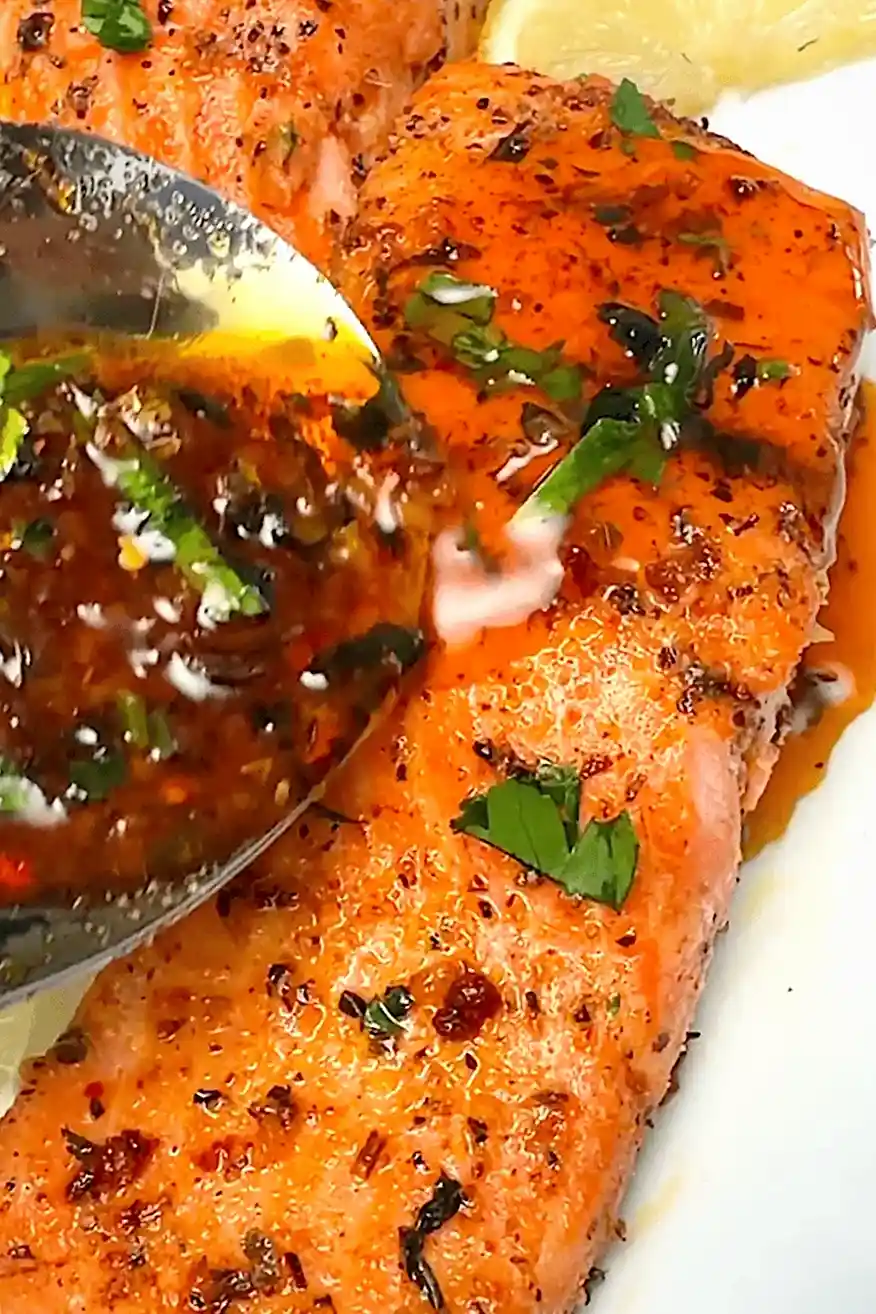
List of ingredients
- 2 pounds (900g) salmon fillets
- 3-4 tablespoons (42-56g) unsalted butter
- 2-3 teaspoons (6-8g) minced garlic
- 1 tablespoon (7g) onion powder
- 1 tablespoon (7g) paprika
- ½-1 teaspoon (1-2g) cayenne pepper (optional)
- 2-3 tablespoons (7-10g) fresh parsley or basil (minced)
- salt and pepper to taste
- 1 tablespoon (15ml) or more lemon juice
step-by-step instructions
- Step: Position a rack in the center of the oven and preheat the oven to 400ºF (205℃). Line a baking sheet with foil or baking paper, spray with cooking spray or lightly oil. Set aside.
- Step: Make 4-5 slits in each salmon fillet with a sharp knife. Dab both sides of the salmon dry with paper towels, and season both sides with salt and pepper.
- Step: Heat a small pan over medium-low heat. Melt the butter, then add minced garlic, paprika, onion powder, cayenne pepper, and parsley or basil. Stir for 30 seconds to a minute. Let this mixture sit for about 5 minutes. Stir in the lemon juice.
- Step: Brush the salmon fillets with the mixture, covering every inch.
- Step: Bake until cooked through, 10-15 minutes, depending on the salmon’s thickness and your preferred doneness. The salmon is perfectly cooked when the thickest part easily flakes with a fork.
- Step: Garnish immediately with lemon slices and serve.
Refining the Cooking Process
Selecting the Best Salmon
When selecting your fish, look for fillets that appear vibrant in color and possess a firm, moist texture. The flesh should spring back slightly when touched, and the fillet should smell fresh and oceanic rather than sharp or overly strong. Avoid fillets that have liquid pooling in the packaging, as this can indicate that the fish has been sitting for too long.
Determining Perfect Doneness
Salmon is exceptionally prone to drying out if cooked just a few minutes too long, so monitoring the progress near the end of the cooking time is critical. While some prefer a more translucent center, the fish is officially cooked through when it reaches an internal temperature of 145°F (62℃) as measured by a meat thermometer. However, if you prefer a more buttery, tender texture, pulling the salmon from the oven at 125°F (52℃) and letting it rest for five minutes will allow the residual heat to carry it to a perfect, moist state.
Practical Flavor Enhancements
Customizing the Compound Butter
The butter base provided in this recipe is a versatile canvas that can be adjusted to suit different flavor profiles. If you enjoy a Mediterranean flair, consider incorporating finely chopped sun-dried tomatoes or a pinch of dried oregano into the melted butter. For those who prefer a deeper, more robust flavor, a small amount of smoked paprika can replace the standard version, adding a subtle charred undertone that complements the richness of the salmon.
Balancing Acid Levels
Acid is essential in seafood cookery because it cuts through the natural oils of the salmon, preventing the dish from feeling too heavy on the palate. While lemon is the classic choice, you can substitute it with lime juice if you are aiming for a brighter, more zesty finish. If you find the flavor too sharp, stir in a tiny pinch of sugar or a half teaspoon of honey to the butter mixture to provide a rounded sweetness that balances the intensity of the cayenne and lemon.
Substitutions and Dietary Considerations
Managing Herb Varieties
Fresh herbs provide the best flavor, but dried herbs can be used in a pinch if you adjust the quantities. When using dried parsley or basil, use only one-third of the amount specified, as dried herbs have a much higher concentration of volatile oils. If you decide to use dried herbs, stir them into the butter at the very beginning of the melting process to allow them to rehydrate in the fat, which helps soften their texture.
Handling Salt Sensitivity
If you are monitoring your sodium intake, skip adding extra salt to the fish before applying the herb butter. Instead, increase the amount of fresh lemon juice or lemon zest you add to the finished dish, as the bright citrus flavor naturally makes food taste more savory without the need for excess salt. You can also increase the quantity of minced garlic, which provides a pungent kick that distracts from the lack of salt.
Serving and Presentation Ideas
Complementary Side Dishes
Because this salmon is baked with a bold spice blend, it pairs best with starch-based sides that can absorb the extra butter and lemon juices. Creamy mashed potatoes, buttered orzo, or a simple quinoa salad provide the perfect contrast to the rich, spicy fish. Steamed asparagus or charred green beans are also excellent, as their crunch provides a welcome texture change from the flaky salmon.
Enhancing the Plate
To make this dish visually appealing for a dinner service, arrange the salmon fillets over a bed of fresh greens or roasted vegetables. Drizzling the remaining pan juices from the baking sheet over the fish right before serving will ensure the edges are not dry and the presentation looks professional. Adding fresh, un-cooked herbs like chopped dill or parsley right at the very end ensures a bright green pop of color that contrasts beautifully with the reddish-orange hue of the paprika-spiced fish.
Storage and Reheating Guidelines
Ensuring Proper Storage
Leftover salmon can be kept in an airtight container in the refrigerator for up to three days. To prevent the fish from drying out, ensure it is completely cooled before placing it in the container, and if possible, store it with a little bit of the pan drippings to keep the moisture levels high. Avoid stacking the fillets, as the weight can cause the delicate, flaky meat to break apart into small pieces.
Reheating for Maximum Moisture
The best way to reheat salmon without losing its texture is to use a low-temperature method. Place the salmon in a small baking dish, add a teaspoon of water or broth to the bottom of the dish, and cover it tightly with foil. Heat in a 300°F (150℃) oven for about 8 to 10 minutes until the fish is warmed through but not steaming. Microwaving is generally discouraged as it can lead to rubbery, unevenly heated fish, but if you must use it, select a very low power setting and heat in short 30-second bursts.
Troubleshooting Common Issues
What if the salmon is dry?
Dryness is usually the result of overcooking or improper temperature management. If you notice your salmon is consistently drying out, try placing a few lemon slices directly on top of the fillets before they go into the oven. The juices from the lemon will steam the fish gently as it cooks, acting as a buffer against the direct heat of the oven.
Why is the salmon falling apart?
Salmon is a delicate fish, and it can easily break apart if it is handled too much or moved while still hot. Always use a wide, thin spatula to transfer the fillets from the baking sheet to your serving plate. If you are worried about the fillets breaking, bake them on a sheet of parchment paper, which allows you to slide the entire sheet onto a serving surface before plating individual portions.
Common Kitchen Questions
Can I cook this dish in a toaster oven?
Yes, a toaster oven is an excellent way to cook salmon, especially for smaller servings. Because toaster ovens are smaller, they often heat up faster and circulate heat more intensely, so you may want to check the fish two minutes earlier than the recipe suggests to ensure it doesn’t overcook.
Should I remove the skin before baking?
While this recipe assumes skinless fillets, you can certainly bake with the skin on. If you do, place the skin side down on the baking sheet; the skin will act as a protective barrier between the heat and the delicate flesh, often helping the bottom of the fish stay juicier. Once cooked, the meat will lift right off the skin easily with a fork.
Is it safe to freeze cooked salmon?
Yes, cooked salmon freezes well for up to three months. To maximize quality, wrap individual portions tightly in plastic wrap and then place them inside a heavy-duty freezer bag to prevent freezer burn. Thaw the fish overnight in the refrigerator before using, and remember that thawed fish is best used in cold preparations like salads or mixed into a pasta dish rather than being reheated as a stand-alone fillet.
Print
Flavorful Oven Roasted Salmon
- Total Time: 25 minutes
- Yield: 6 servings 1x
- Diet: Gluten Free
Description
These moist and flaky salmon filets are generously seasoned with a spicy kick and a lemony flourish. It’s one of those easy, never-fail-you recipes that packs a real flavor punch.
Ingredients
- 2 pounds (900g) salmon fillets
- 3–4 tablespoons (42-56g) unsalted butter
- 2–3 teaspoons (6-8g) minced garlic
- 1 tablespoon (7g) onion powder
- 1 tablespoon (7g) paprika
- ½–1 teaspoon (1-2g) cayenne pepper (optional)
- 2–3 tablespoons (7-10g) fresh parsley or basil (minced)
- salt and pepper to taste
- 1 tablespoon (15ml) or more lemon juice
Instructions
- Step: Position a rack in the center of the oven and preheat the oven to 400ºF (205℃). Line a baking sheet with foil or baking paper, spray with cooking spray or lightly oil. Set aside.
- Step: Make 4-5 slits in each salmon fillet with a sharp knife. Dab both sides of the salmon dry with paper towels, and season both sides with salt and pepper.
- Step: Heat a small pan over medium-low heat. Melt the butter, then add minced garlic, paprika, onion powder, cayenne pepper, and parsley or basil. Stir for 30 seconds to a minute. Let this mixture sit for about 5 minutes. Stir in the lemon juice.
- Step: Brush the salmon fillets with the mixture, covering every inch.
- Step: Bake until cooked through, 10-15 minutes, depending on the salmon’s thickness and your preferred doneness. The salmon is perfectly cooked when the thickest part easily flakes with a fork.
- Step: Garnish immediately with lemon slices and serve.
Notes
Season just before cooking to keep the salt from pulling out too much moisture. While the FDA advises an internal temperature of 145°F (62℃), most chefs prefer 125-130°F (50-55℃). Let the filets rest for 5 minutes after removing them from the oven.
- Prep Time: 10 minutes
- Cook Time: 15 minutes
- Category: Main
- Method: Baking
- Cuisine: American
Nutrition
- Serving Size: 1 slice
- Calories: 289 kcal
- Sugar: 1 g
- Sodium: 462 mg
- Fat: 16 g
- Saturated Fat: 5 g
- Unsaturated Fat: 9 g
- Trans Fat: 0.2 g
- Carbohydrates: 5 g
- Fiber: 2 g
- Protein: 31 g
- Cholesterol: 99 mg