Enjoy a restaurant-style meal at home with this quick and savory orange chicken. This recipe delivers crispy chicken bites tossed in a bright, citrusy glaze in just 30 minutes.
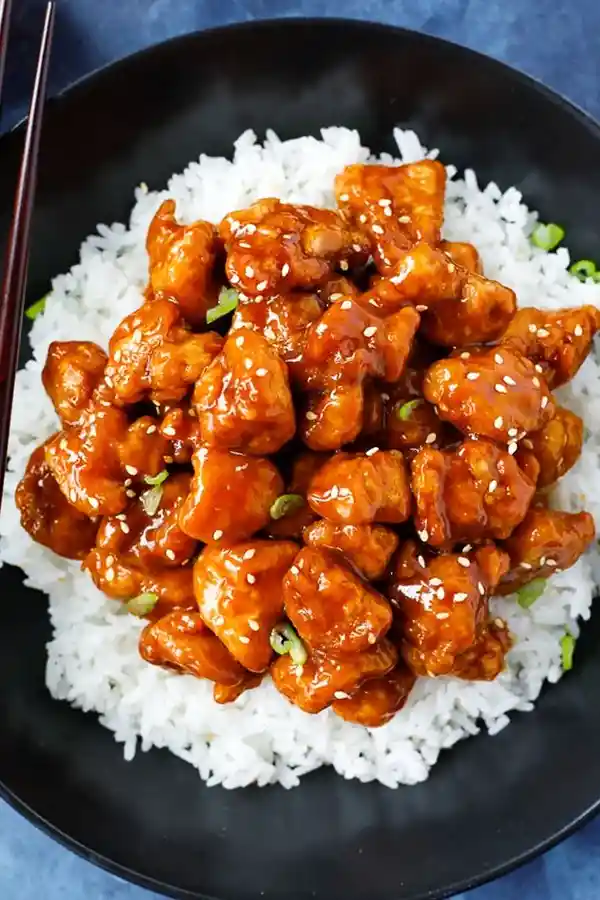
List of ingredients
- 6 whole boneless chicken thighs or 2 lbs. chicken tenderloins – cut into bite-sized pieces.
- 1/4 cup all purpose flour – for the initial coating.
- 1 tbsp. corn starch – helps the chicken get crispy.
- 1 tsp. black pepper – freshly ground for better flavor.
- 1 tsp. onion powder – adds a subtle savory depth.
- 1/2 tsp. ginger powder – provides a warm, aromatic base.
- 1/2 tsp. salt – basic seasoning for the meat.
- 1 tsp. paprika – used primarily to give the chicken a golden-orange hue.
- Vegetable oil – used for frying the chicken pieces.
- 3/4 cup fresh orange juice – the primary flavor base for the sauce.
- 1 1/2 tbsp. corn starch – the thickening agent for the glaze.
- 2 tbsp. vegetable oil – used for sautéing the sauce ingredients.
- 3 tbsp. low sodium soy sauce – provides the salt and umami balance.
- 1 1/2 tbsp. rice vinegar or white vinegar – adds a necessary tang.
- 2 tbsp. brown sugar – balances the acidity with sweetness.
- 1/2 tbsp. grated ginger – fresh ginger adds a sharp, clean zing.
- 2 cloves fresh garlic, minced – essential for a savory aromatic profile.
- 1/2 tsp. black pepper – freshly ground for the sauce.
- 1 tsp. orange zest – intensifies the orange citrus flavor.
- Chili flakes – optional, use according to your heat preference.
step-by-step instructions
- Prepare the chicken: Dice the chicken into 1/2 inch cube pieces and place them in a mixing bowl. Toss with flour, corn starch, salt, black pepper, onion powder, paprika, and ginger powder until every piece is evenly coated.
- Fry the chicken: Heat vegetable oil in a deep frying pan over medium-high heat. Fry the chicken pieces for about 2-3 minutes until they reach a golden brown color. Avoid overcooking the meat to prevent it from becoming chewy.
- Prepare the glaze: While the chicken is frying, whisk together the orange juice, corn starch, 2 tbsp vegetable oil, soy sauce, vinegar, brown sugar, grated ginger, minced garlic, black pepper, and orange zest in a bowl.
- Thicken the sauce: Pour the sauce mixture into a hot non-stick skillet or frying pan. Simmer on low heat, stirring occasionally, until the sauce thickens into a glossy glaze.
- Combine and finish: Transfer the fried chicken pieces into the thickened sauce. Mix thoroughly to coat each piece and let them simmer together for 1-2 minutes before removing from heat.
- Serve and garnish: Plate the chicken over white rice or Lo Mein noodles. Garnish with toasted sesame seeds and chopped green onions for extra color and flavor.
Professional Frying Techniques for Extra Crispiness
Maintain High Oil Temperature
Ensure your oil is at a medium-high heat before adding the chicken. If the oil is too cool, the coating will absorb too much fat and become greasy rather than crispy. Use a thermometer or test with a small piece of coating to see if it sizzles immediately.
Prevent Pan Overcrowding
Fry the chicken in small batches to avoid dropping the oil temperature. When the pan is too full, the chicken releases moisture that steams the meat instead of searing it. Leave ample space between the cubes to ensure a golden, crunchy exterior.
Consistency in Cutting
Cut the chicken into uniform 1/2 inch cubes to ensure they all cook at the same rate. Uneven pieces result in some chicken being overcooked and chewy while others remain underdone. Consistent sizing allows for a precise 2-3 minute frying window.
Mastering the Orange Glaze
Balancing Sweet and Sour Notes
The key to a great orange sauce is the balance between the brown sugar and the vinegar. If the sauce feels too tart, add an extra teaspoon of brown sugar. If it is too sweet, a small splash of additional rice vinegar can brighten the flavor.
Using Fresh Citrus Zest
Do not omit the orange zest even if you are using store-bought juice. The zest contains essential oils that provide a deep, aromatic citrus punch that juice alone cannot achieve. Always zest the orange before juicing it for maximum efficiency.
Controlling the Sauce Thickness
If the sauce is too thin after simmering, let it cook for another minute on low heat. If it becomes too thick or sticky, whisk in a tablespoon of water or extra orange juice to loosen it. The ideal consistency should coat the back of a spoon.
Alternative Cooking Methods
Air Frying the Chicken
For a lower-fat version, you can air fry the coated chicken pieces. Arrange them in a single layer and spray lightly with oil. Cook at 400°F (200°C) for 8-10 minutes, shaking the basket halfway through, before tossing them in the simmered sauce.
Oven Baking Strategy
You can bake the chicken by placing the coated pieces on a wire rack over a baking sheet. Bake at 425°F (220°C) for about 12-15 minutes. This method is less crispy than frying but offers a healthier alternative for larger crowds.
Serving and Pairing Ideas
Classic Grain Pairings
Steamed white jasmine rice is the traditional choice as it absorbs the extra orange glaze perfectly. For a heartier option, try brown rice or quinoa to add a nutty flavor and more fiber to the meal.
Noodle Accompaniments
Lo Mein noodles or stir-fried rice noodles provide a great textural contrast to the crispy chicken. Toss the noodles with a bit of sesame oil and soy sauce to complement the sweetness of the orange glaze.
Adding Fresh Vegetables
Balance the richness of the fried chicken with steamed broccoli, snap peas, or bok choy. These vegetables provide a fresh, crisp element and a pop of color to the final presentation.
Storage and Preservation
Refrigeration Guidelines
Store leftover orange chicken in an airtight container in the refrigerator for 3 to 4 days. Keep the chicken and sauce together, though be aware that the coating will soften over time as it absorbs the glaze.
Freezing for Later
You can freeze cooked orange chicken in a freezer-safe container for up to one month. While the texture changes slightly, it remains a convenient make-ahead meal for busy weekdays.
Best Reheating Practices
To restore some of the crispiness, reheat the chicken in a skillet over medium heat or in an air fryer. Alternatively, use a microwave for speed, though this will result in a softer texture.
Common Troubleshooting
Preventing Chewy Chicken
Overcooking the chicken is the most common cause of a chewy texture. Stick to the 2-3 minute frying time for small cubes. If you increase the size of the chicken pieces, increase the time slightly but monitor the internal temperature closely.
Fixing Lumpy Sauce
If the cornstarch creates lumps in your sauce, whisk it vigorously in a cold bowl before adding it to the heat. If lumps form in the pan, you can strain the sauce through a fine-mesh sieve before adding the chicken.
Adjusting Heat Levels
If the chili flakes make the dish too spicy, add a small amount of honey or a pinch more brown sugar. The sugar helps neutralize the capsaicin and brings the flavor back to a sweet-savory balance.
Frequently Asked Questions
Can I use chicken breasts instead of thighs?
Yes, you can use boneless, skinless chicken breasts. However, thighs are generally more moist and forgiving, whereas breasts can dry out quickly if overcooked.
What is a good substitute for rice vinegar?
Apple cider vinegar or white distilled vinegar are the best substitutes. Apple cider vinegar is slightly sweeter, while white vinegar is more neutral and sharp.
How do I make the recipe extra saucy?
To increase the volume of the sauce, simply double the quantities of all the sauce ingredients. This allows you to drizzle extra glaze over your rice or noodles.
Can I use frozen orange juice concentrate?
Yes, you can use reconstituted frozen concentrate. Ensure it is mixed to the correct strength so the flavor remains balanced and the sauce thickens properly.
Is cornstarch necessary for the coating?
Cornstarch is essential for achieving that specific ‘takeout’ crunch. It prevents the flour from becoming too bready and creates a thinner, crispier shell that adheres well to the sauce.
Print
Easy Homemade Orange Chicken
- Total Time: 30 minutes
- Yield: 4 servings 1x
- Diet: General
Description
Why buy orange chicken takeout when you can make it at home in less than 30 minutes? Grab this super Easy Orange Chicken Recipe (with homemade sauce).
Ingredients
- 6 whole boneless chicken thighs (or 2 lbs. of chicken tenderloins)
- ¼ cup all purpose flour
- 1 tbsp. corn starch
- 1 tsp. black pepper
- 1 tsp. onion powder
- 1/2 tsp. ginger powder
- 1/2 tsp. salt
- 1 tsp. paprika
- Vegetable oil for frying
- ¾ cup fresh orange juice
- 1½ tbsp. corn starch
- 2 tbsps. vegetable oil
- 3 tbsps. low sodium soy sauce
- 1½ tbsp. rice vinegar (or white vinegar)
- 2 tbsps. brown sugar
- ½ tbsp. grated ginger
- 2 cloves fresh garlic (minced)
- ½ tsp. black pepper
- 1 tsp. orange zest
- Chili flakes (optional)
Instructions
- Step: Dice the chicken into ½ inch cube pieces and place in a bowl. Add in the flour, corn starch, salt, black pepper, onion powder, paprika, and ginger powder to coat the chicken.
- Step: In a deep frying pan, bring the oil to medium-high heat. Fry the chicken until golden brown. Takes about 2-3 minutes. Do no over cook or else it will become chewy.
- Step: Meanwhile, whisk all the sauce ingredients and a bowl. Transfer to a hot non stick skillet or frying pan and cook on low-heat, simmering until the sauce thickens up.
- Step: Transfer the fried chicken to the sauce and mix to coat well. Let the sauce and chicken simmer together for 1-2 minutes and then remove from heat.
- Step: Serve with homemade Lo Mein Noodles or white rice. Garnish with toasted sesame seeds and chopped green onions. (optional)
Notes
Use a large non-stick pan/skillet or wok. Cut your chicken into even, bite sized pieces so they cook evenly. If you prefer a milder sauce flavor, you can easily adjust the amount of orange zest in the recipe. Ensure the skillet is nice and hot before adding the sauce.
- Prep Time: 15 minutes
- Cook Time: 15 minutes
- Category: Main Dishes
- Method: Frying
- Cuisine: Asian
Nutrition
- Serving Size: 1 serving
- Calories: 567 kcal
- Sugar: 12 g
- Sodium: 745 mg
- Fat: 36 g
- Saturated Fat: 14 g
- Unsaturated Fat: 22 g
- Trans Fat: 0 g
- Carbohydrates: 31 g
- Fiber: 1 g
- Protein: 30 g
- Cholesterol: 166 mg