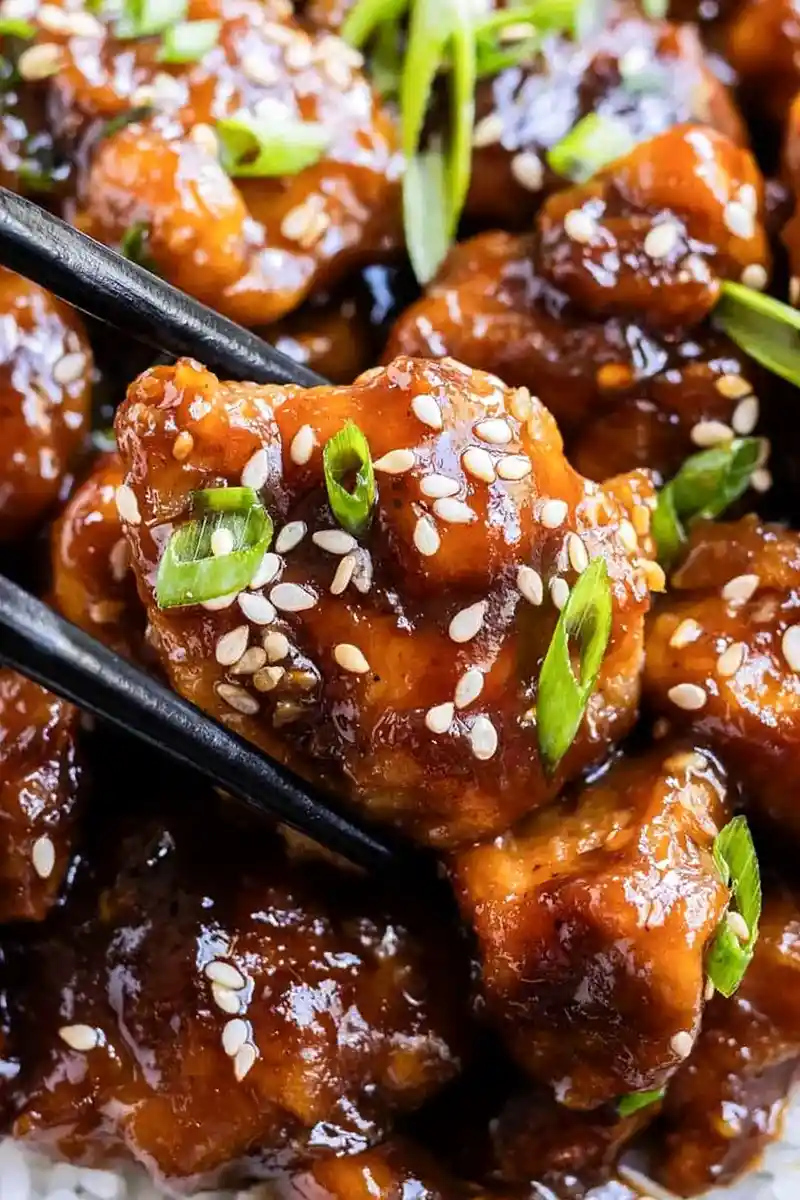
Enjoy a restaurant-quality meal at home with this sweet, tangy, and spicy chicken dish. This version uses a pan-frying method for a lighter yet crispy finish that pairs perfectly with steamed rice.
List of ingredients
- 1 ½ pounds boneless skinless chicken thighs – cut into bite-sized pieces for even cooking.
- ¼ cup + 1 tablespoon cornstarch, divided – used for the breading and to thicken the sauce.
- ¼ cup all-purpose flour – provides a sturdy base for the crispy coating.
- ½ teaspoon salt – enhances the natural flavor of the meat.
- ¼ teaspoon black pepper – adds a subtle depth of spice.
- 4 tablespoons avocado oil, divided – a high-smoke point oil ideal for frying.
- ⅓ cup soy sauce or Tamari – provides the essential salty and umami base.
- ¼ cup hoisin sauce – adds a thick, sweet, and savory element.
- ½ cup water – thins the sauce for smooth simmering.
- ¼ cup packed brown sugar – gives the glaze its signature sweetness.
- 3 tablespoons rice vinegar – adds a bright, acidic balance to the sugar.
- 1 tablespoon finely minced fresh ginger – provides a pungent, aromatic heat.
- 3 garlic cloves, finely minced – adds a sharp, savory flavor.
- 1 teaspoon sriracha, optional – used to customize the level of spice.
- Cooked white rice – for serving as a base.
- Green onions, green parts only, thinly sliced, optional – for a fresh garnish.
- Toasted sesame seeds, optional – adds a nutty finish and visual appeal.
step-by-step instructions
- Prepare the chicken: Trim any excess fat from the chicken thighs and cut them into bite-sized pieces. In a large bowl, whisk together ¼ cup of the cornstarch, flour, salt, and black pepper. Add the chicken pieces and toss until evenly coated.
- Fry the chicken: Heat 2 tablespoons of the avocado oil in a large skillet over medium-high heat. Once the oil is shimmering, shake off any excess coating from half of the chicken and add it to the skillet. Cook for 5 minutes, then turn and cook for an additional 4-6 minutes, or until crispy and lightly golden. Line a plate with paper towels, transfer the cooked chicken there, add the remaining 2 tablespoons of oil to the skillet, and repeat the process with the rest of the chicken.
- Mix the sauce: While the chicken is cooking, whisk together the soy sauce, hoisin sauce, water, brown sugar, rice vinegar, ginger, garlic, sriracha (if using), and the remaining 1 tablespoon of cornstarch in a medium bowl.
- Thicken the glaze: Once the skillet is empty, reduce the heat to medium. Pour in the soy sauce mixture and cook for 2-3 minutes, whisking constantly, or until the sauce thickens enough to coat the back of a spoon.
- Combine and finish: Reduce the heat to low, return the cooked chicken to the skillet, and cook for 2-3 minutes until the meat is heated through and well-coated.
- Serve: Spoon the General Tso’s Chicken over a bed of white rice and garnish with sliced green onions and toasted sesame seeds.
Ingredient Selection and Substitutions
Using Chicken Thighs for Better Texture
Boneless, skinless chicken thighs are preferred over breasts because they contain more fat. This ensures the meat remains juicy and tender even after frying and simmering in the sauce. If you choose to use breasts, reduce the frying time slightly to prevent the meat from becoming dry.
Alternative Starches for Crispiness
Cornstarch is the primary agent for achieving a crispy exterior and a glossy sauce. If cornstarch is unavailable, tapioca starch is an excellent substitute that provides a similar crunch. Avoid using only flour, as this will result in a softer, cake-like coating rather than a crisp shell.
Choosing a High Smoke Point Oil
Avocado oil is ideal because it can withstand high temperatures without smoking or breaking down. Safflower, grapeseed, or peanut oil are also suitable alternatives for pan-frying. Avoid using butter or extra-virgin olive oil, as these have lower smoke points and can burn, imparting a bitter taste to the chicken.
Soy Sauce and Tamari Options
Regular soy sauce provides the traditional flavor, but reduced-sodium soy sauce is a good option for those monitoring salt intake. Tamari is a recommended substitute for those seeking a gluten-free alternative. Ensure the brand of Tamari you use has a similar salt profile to maintain the balance of the sauce.
Substituting Brown Sugar
Packed brown sugar adds a deep, molasses-like sweetness that defines the glaze. For a different profile, honey or maple syrup can be used, though they may slightly alter the thickness of the sauce. Coconut sugar is another viable alternative for a more earthy sweetness.
Rice Vinegar Alternatives
Rice vinegar is mild and slightly sweet, which complements the Asian flavor profile. If you do not have rice vinegar, apple cider vinegar or white wine vinegar can be used in a pinch. These are slightly more acidic, so you may want to add a pinch more sugar to balance the tartness.
The Role of Fresh Ginger and Garlic
Freshly minced ginger and garlic provide a bold, aromatic punch that pre-powdered versions cannot replicate. If you are short on time, ginger paste from a tube is an acceptable substitute. Always mince the garlic finely to ensure it integrates into the sauce without leaving large, pungent chunks.
Professional Cooking Techniques
Avoiding Pan Overcrowding
Cooking the chicken in two batches is essential to maintain a high pan temperature. Overcrowding the skillet lowers the temperature, causing the chicken to steam in its own juices rather than fry. This results in a soggy coating rather than the desired golden-brown crispiness.
Managing Oil Shimmer and Temperature
Wait until the oil is shimmering—meaning it is moving fluidly and looks glossy—before adding the chicken. If the oil is too cold, the breading will absorb excess fat and become greasy. If it is too hot, the exterior will burn before the chicken is cooked through.
Achieving a Glossy Sauce Consistency
The key to a restaurant-style glaze is the cornstarch slurry mixed into the sauce. Constant whisking during the simmering process prevents the cornstarch from clumping. The sauce is ready when it is thick enough to coat the back of a metal spoon without running off immediately.
Ensuring an Even Breading Coating
When tossing the chicken in the flour and starch mixture, ensure every piece is fully covered. However, it is important to shake off excess powder before adding the meat to the oil. Too much excess flour can lead to burnt particles in the pan and a gritty texture on the chicken.
Draining Excess Oil Effectively
Using a plate lined with paper towels is a critical step after frying. This removes surface oil that would otherwise prevent the sauce from adhering properly to the chicken. Allowing the chicken to drain for a minute ensures a cleaner finish and a better sauce-to-meat ratio.
Optimal Serving and Pairing Suggestions
Preparing the Perfect Steamed Rice
Long-grain jasmine rice is the best accompaniment due to its fragrant aroma and ability to absorb the sticky sauce. For the best results, rinse the rice under cold water until the water runs clear to remove excess starch. This prevents the rice from becoming gummy or overly sticky.
Adding Sautéed Vegetable Sides
Steamed or sautéed broccoli is a classic pairing that adds a fresh, crunchy element to the meal. Air-frying broccoli florets with a bit of salt and oil provides a texture that complements the fried chicken. Other great options include snap peas or baby bok choy.
Incorporating a Fresh Cucumber Salad
A chilled Asian cucumber salad provides a cool, acidic contrast to the rich and spicy chicken. Slice cucumbers thinly and toss them with rice vinegar, a touch of sugar, and sesame oil. This palette cleanser helps balance the intensity of the General Tso’s glaze.
Low-Carb Alternatives with Cauliflower Rice
For a lower-calorie or low-carb option, replace white rice with sautéed cauliflower rice. Pulse cauliflower florets in a food processor until they reach a grain-like consistency, then sauté them in a pan with a small amount of oil. This maintains the dish’s structure while reducing carbohydrate intake.
Garnishing for Visual Appeal
Thinly sliced green onions provide a pop of color and a fresh, sharp flavor. Toasted sesame seeds add a professional look and a subtle nuttiness. These garnishes should be added at the very end to keep the onions crisp and the seeds fragrant.
Storage and Preservation Methods
Proper Refrigeration Techniques
Store leftover chicken in an airtight container in the refrigerator for up to four to five days. While the chicken will remain safe to eat, the breading will naturally soften as it absorbs moisture from the sauce. To maintain the best quality, keep the container tightly sealed to prevent odors from other foods from seeping in.
Long-Term Freezing Methods
General Tso’s chicken can be frozen for three to four months in a freezer-safe container or vacuum-sealed bag. It is recommended to freeze the chicken and sauce together so the meat remains moist during the freezing process. Ensure there is a small amount of headspace in the container to allow for expansion.
Thawing for Best Texture
The best way to thaw frozen chicken is to transfer it to the refrigerator 24 hours before you plan to eat it. This slow thawing process helps preserve the integrity of the meat. Avoid thawing in the microwave, as this can create hot spots and make the chicken rubbery.
Guide to Reheating for Best Quality
Restoring Crispiness with a Skillet
Reheating in a skillet over medium heat is the most effective way to restore some of the original crispiness. Add a teaspoon of oil to the pan and toss the chicken until it is heated through and the edges begin to sizzle. This method evaporates surface moisture more effectively than a microwave.
Quick Reheating in the Air Fryer
The air fryer is an excellent tool for reheating this dish because it circulates hot air around the chicken. Set the air fryer to 350°F and heat for 3-5 minutes. This process crisps the outer glaze and ensures the center is hot without overcooking the meat.
Using the Oven for Large Batches
If you are reheating a large amount of chicken, the oven is the most practical choice. Spread the chicken on a baking sheet and heat at 375°F for about 10 minutes. This provides a more uniform heat distribution than a microwave and prevents the chicken from becoming soggy.
Common Cooking Challenges and Solutions
Fixing a Sauce That is Too Thin
If the sauce has not thickened enough to coat the chicken, simmer it for an additional two to three minutes over medium heat. If it remains too thin, mix a small amount of cornstarch with cold water to create a slurry and whisk it into the boiling sauce. Continue to simmer until the desired thickness is achieved.
Preventing Chicken from Becoming Soggy
Sogginess usually occurs when the oil temperature is too low or the pan is overcrowded. Always ensure the oil is shimmering before adding the meat and work in batches. Additionally, avoid adding the chicken back into the sauce until the sauce has already thickened properly.
Handling Sauce That Thickens Too Quickly
If the sauce becomes too thick or turns into a paste, whisk in a tablespoon of water or chicken broth. Do this gradually over low heat until the consistency is smooth and glossy again. This often happens if the heat is too high or the sauce simmers for too long.
Avoiding Burnt Garlic and Ginger
Garlic and ginger burn quickly at high temperatures, which can make the sauce taste bitter. Ensure the heat is reduced to medium before adding the sauce mixture to the pan. If you notice the aromatics browning too quickly, add a splash of water to lower the temperature of the skillet.
Frequently Asked Questions
Is General Tso’s chicken spicy?
Yes, this dish is traditionally spicy, though the heat level is easily adjustable. By increasing or decreasing the amount of sriracha or adding dried chili flakes, you can tailor the spice to your preference.
Can you freeze General Tso’s chicken?
Yes, it can be frozen for up to four months. However, the chicken will lose some of its original crispiness upon thawing and reheating.
What is the best oil for frying?
Avocado oil is the best choice due to its high smoke point. Other high-heat oils like grapeseed, peanut, or safflower oil also work well.
Can I make this dish ahead of time?
You can prep the sauce and cut the chicken in advance. For the best results, however, fry the chicken and combine it with the sauce immediately before serving to ensure maximum crispiness.
Print
Crispy General Tso’s Chicken
- Total Time: 30 minutes
- Yield: 4 servings 1x
- Diet: General
Description
Recreate your favorite restaurant’s General Tso’s Chicken quickly and easily at home with this simple recipe! Tender, battered chicken thighs are lightly fried until perfectly crispy, then tossed in a sweet, spicy, and sticky sauce made with soy sauce, garlic, ginger, and dried chili peppers.
Ingredients
- 1 ½ pounds boneless skinless chicken thighs
- ¼ cup + 1 tablespoon cornstarch (divided)
- ¼ cup all-purpose flour
- ½ teaspoon salt
- ¼ teaspoon black pepper
- 4 tablespoons avocado oil (divided)
- ⅓ cup soy sauce or Tamari
- ¼ cup hoisin sauce
- ½ cup water
- ¼ cup packed brown sugar
- 3 tablespoons rice vinegar
- 1 tablespoon finely minced fresh ginger
- 3 garlic cloves (finely minced)
- 1 teaspoon sriracha (optional)
- Cooked white rice
- Green onions (green parts only, thinly sliced, optional)
- Toasted sesame seeds (optional)
Instructions
- Prepare Chicken: Trim any excess fat from the chicken thighs and cut them into bite-sized pieces. In a large bowl, whisk together ¼ cup of the cornstarch, flour, salt, and black pepper. Add the chicken pieces and toss until evenly coated.
- Fry Chicken: Heat 2 tablespoons of the avocado oil in a large skillet over medium high heat. Once the oil is shimmering, shake off any excess coating from half of the chicken and add it to the skillet. Cook for 5 minutes, then turn and cook for an additional 4-6 minutes, or until crispy and lightly golden. Transfer to a paper towel-lined plate. Repeat with the remaining oil and chicken.
- Prepare Sauce: While the chicken cooks, in a medium bowl, whisk together the soy sauce, hoisin sauce, water, brown sugar, rice vinegar, ginger, garlic, sriracha (if using), and the remaining 1 tablespoon cornstarch.
- Thicken and Combine: Once the skillet is empty, reduce the heat to medium. Pour in the soy sauce mixture and cook for 2-3 minutes, whisking constantly, or until the sauce thickens enough to coat the back of a spoon. Reduce the heat to low, return the chicken to the skillet, and cook until heated through, about 2-3 minutes.
- Serve: Serve the General Tso’s Chicken over a bed of white rice, topped with green onions and toasted sesame seeds, if using.
Notes
Boneless skinless breasts may be used instead of thighs. This dish can be stored in an airtight container in the refrigerator for 4-5 days or frozen in a freezer-safe container for 3-4 months.
- Prep Time: 10 minutes
- Cook Time: 20 minutes
- Category: Dinner
- Method: Pan-frying
- Cuisine: Asian
Nutrition
- Serving Size: 1 serving
- Calories: 494 kcal
- Sugar: 18 g
- Sodium: 1834 mg
- Fat: 22 g
- Saturated Fat: 3 g
- Unsaturated Fat: 19 g
- Trans Fat: 0.03 g
- Carbohydrates: 37 g
- Fiber: 1 g
- Protein: 36 g
- Cholesterol: 162 mg