This sophisticated pasta dish combines the rich, salty flavor of smoked salmon with a bright, citrus-infused cream sauce. It is a quick-to-prepare meal that delivers a gourmet restaurant experience in under 40 minutes.
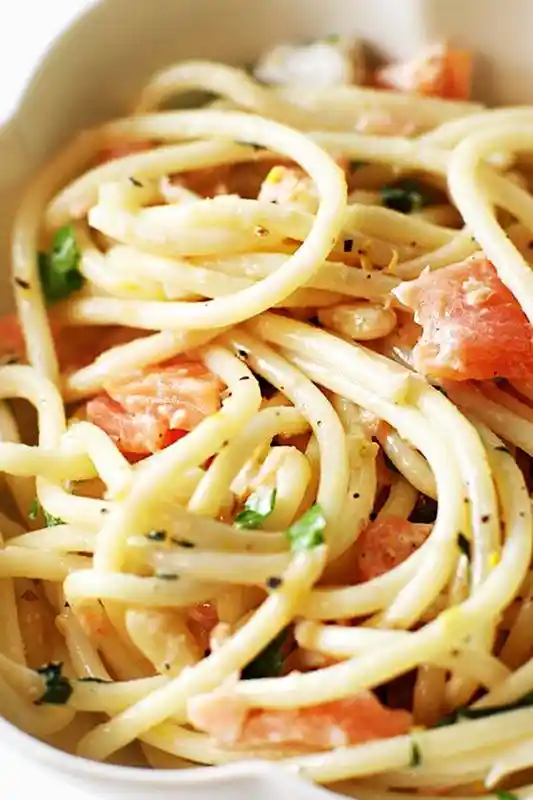
List of ingredients
- 8 ounces spaghetti or other pasta – use linguine or fettuccine for a classic feel.
- Salt – for seasoning the pasta water.
- 1/4 cup pine nuts – adds a buttery, toasted crunch.
- 2 tablespoons extra virgin olive oil – used for sautéing and toasting.
- 1/3 cup chopped shallots – can be substituted with finely diced onion.
- 2 cloves garlic, minced – provides a sharp, aromatic base.
- 1/3 cup pasta cooking water mixed with 1 tablespoon lemon juice – a non-alcoholic substitute for white wine.
- 1/4 cup cream – creates a smooth, velvety texture.
- 1 tablespoon lemon juice – adds necessary acidity to balance the fat.
- 2 tablespoons lemon zest – divided into two 1-tablespoon portions for layering flavor.
- 2 tablespoons chopped fresh parsley or dill – provides a fresh, herbal finish.
- 4 ounces smoked salmon – cut into bite-sized pieces.
- Fresh ground black pepper – for final seasoning.
step-by-step instructions
- Boil the water: Heat a large pot containing at least 4 quarts of water and 2 tablespoons of salt until it reaches a rolling boil.
- Toast the pine nuts: Place pine nuts in a single layer in a large skillet over medium heat; stir occasionally until fragrant and lightly browned, then remove them from the pan immediately.
- Cook the pasta: Add pasta to the boiling water and cook uncovered on high heat for 8-10 minutes, or according to package directions for al dente; reserve one cup of cooking liquid before draining.
- Prepare the sauce: Heat olive oil in a large skillet over medium heat, sauté shallots and garlic for 2 minutes, then stir in the pasta water and lemon juice mixture along with 1 tablespoon of lemon zest.
- Reduce and cream: Increase the heat to boil the sauce down by half; stir in the cream and simmer for one more minute before removing from heat if the pasta is not yet ready.
- Combine and finish: Drain the pasta and toss it into the skillet with the sauce, adding reserved pasta water if the consistency is too dry.
- Final additions: Fold in the smoked salmon, toasted pine nuts, fresh parsley or dill, and the remaining tablespoon of lemon zest, seasoning with fresh black pepper before serving.
Pasta Selection and Preparation
Best Pasta Shapes for Creamy Sauces
While spaghetti is a versatile choice, wider noodles like linguine or fettuccine are often preferred for creamy seafood dishes. The larger surface area of these ribbons allows the sauce to cling more effectively to the pasta. If you prefer a shorter noodle, farfalle or penne can work, provided you use enough sauce to coat the interiors.
Achieving the Perfect Al Dente Texture
Al dente pasta should have a slight resistance when bitten, which prevents the dish from becoming mushy when tossed in the pan. To achieve this, begin testing the pasta one to two minutes before the package instructions suggest. This ensures the noodles maintain their structure during the final simmering process with the sauce.
The Importance of Salting Pasta Water
Adding a generous amount of salt to the boiling water is the only opportunity to season the pasta itself from the inside out. This enhances the overall flavor profile of the dish and prevents the noodles from tasting bland. Aim for a salt concentration that mimics the taste of seawater for the best results.
Ingredient Customizations and Swaps
Using Smoked Trout or Sturgeon
If smoked salmon is unavailable, smoked trout or sturgeon serve as excellent alternatives. Smoked trout often has a slightly more earthy and intense flavor than salmon, which pairs beautifully with the lemon and cream. Simply follow the same cutting and folding process used for the salmon.
Alternatives to Pine Nuts
For a different texture or to reduce costs, you can replace pine nuts with slivered almonds or chopped walnuts. These nuts provide a similar crunch and buttery quality when toasted. Sunflower seeds are also a great seed-based alternative for those avoiding tree nuts.
Swapping Cream for Lighter Options
To reduce the richness of the sauce, you can substitute the heavy cream with Greek yogurt or a dollop of cream cheese. When using yogurt, stir it in at the very end over low heat to prevent curdling. For a plant-based version, full-fat coconut cream offers a similar consistency, though it adds a slight coconut flavor.
Using Onions Instead of Shallots
Shallots are preferred for their mild, sweet flavor, but yellow or white onions are perfectly acceptable substitutes. Ensure the onion is minced very finely so that it softens quickly and integrates into the sauce. You may need to sauté onions for an extra minute to remove their raw pungency.
Enhancing the Flavor Profile
Incorporating Fresh Greens
Adding a handful of fresh baby spinach or sautéed asparagus tips can add color and nutrition to the meal. Stir in the spinach during the final tossing phase so it wilts slightly from the residual heat. Asparagus should be blanched in the pasta water during the last two minutes of cooking.
Adding Capers for Saltiness
Capers provide a briny, salty pop that cuts through the richness of the cream and smoked salmon. Add one tablespoon of drained capers when adding the smoked salmon. This addition creates a more complex, Mediterranean-style flavor profile.
Balancing Acidity with Lemon Zest
The recipe uses both lemon juice and zest because they provide different types of flavor. The juice adds a sharp acidity that balances the fat of the cream, while the zest provides the floral, aromatic essence of the lemon. Dividing the zest ensures a fresh citrus scent remains in the finished dish.
Choosing Between Parsley and Dill
Fresh parsley offers a clean, peppery brightness that keeps the dish feeling light. Fresh dill, on the other hand, is the classic pairing for smoked salmon and provides a more traditional, aromatic flavor. Both are excellent, but dill will make the dish taste more like a traditional seafood preparation.
Cooking Techniques for Best Results
Toasting Pine Nuts Without Burning
Pine nuts have a high oil content and can burn very quickly, turning bitter. Use medium heat and keep the nuts moving constantly with a spatula or by shaking the pan. As soon as they turn golden brown and smell fragrant, move them to a plate to stop the cooking process.
Reducing the Sauce for Maximum Flavor
Boiling the lemon and pasta water mixture until it reduces by half concentrates the flavors and thickens the liquid. This step is crucial because it ensures the sauce has enough body to coat the pasta without being overly watery. Reduction transforms a thin liquid into a syrupy base for the cream.
Preventing Smoked Salmon from Overcooking
Smoked salmon is already cured and cooked, so it does not require high heat. Adding it at the very end prevents the fish from becoming tough or losing its delicate flavor. The residual heat from the pasta and sauce is sufficient to warm the salmon through.
Emulsifying the Sauce with Pasta Water
The starchy water reserved from the pasta pot is a secret ingredient for a smooth sauce. The starch helps bind the fats from the olive oil and cream together, creating an emulsion that clings to the noodles. Always add this liquid gradually until you reach your desired consistency.
Serving and Presentation Suggestions
Plating for a Gourmet Look
Use a carving fork or tongs to twirl the pasta into a high nest in the center of a shallow bowl. Carefully place the pieces of smoked salmon and toasted pine nuts on top of the nest rather than mixing them in completely. This highlights the premium ingredients and creates a professional visual appeal.
Complementary Side Dishes
A crisp arugula salad with a simple balsamic vinaigrette provides a bitter contrast to the creamy pasta. Garlic bread or a toasted baguette is also recommended to soak up any remaining lemon cream sauce. Steamed broccolini adds a healthy, vibrant green element to the plate.
Garnishing for Extra Freshness
Finish the dish with an extra sprinkle of fresh lemon zest and a small sprig of dill or parsley. A final crack of fresh black pepper over the top adds a subtle heat and visual contrast. These small touches make the meal feel more like a restaurant-quality dish.
Storage and Reheating Guide
Refrigerating Leftovers Safely
Store any remaining pasta in an airtight container in the refrigerator for up to two to three days. Keep the pasta and sauce well-mixed to prevent the noodles from drying out. Ensure the container is sealed tightly to prevent the smoked salmon from absorbing other fridge odors.
Best Methods for Reheating Pasta
The best way to reheat this dish is on a stovetop over low to medium heat. Add a splash of water or a tablespoon of milk to the pan to loosen the sauce and restore its creaminess. Avoid using a microwave on high power, as this can overcook the salmon and cause the cream sauce to separate.
Preventing the Sauce from Breaking
Cream-based sauces can break or separate when reheated, leaving a layer of oil on top. To prevent this, stir the pasta constantly over low heat and avoid letting it reach a hard boil. Adding a small amount of liquid and whisking gently will help re-emulsify the sauce.
Common Troubleshooting Tips
Fixing a Sauce That Is Too Thick
If the sauce becomes too thick or sticky after adding the pasta, stir in more of the reserved pasta cooking water one tablespoon at a time. This thins the sauce while maintaining the flavor and starch. You can also add a tiny splash of cream if you prefer a richer consistency.
Adjusting for Too Much Saltiness
Since smoked salmon and pasta water are both salty, it is possible to overseason the dish. If the result is too salty, add an extra squeeze of fresh lemon juice or a tablespoon of unsalted cream. The acidity and fat will help neutralize the excess salt.
Managing Sauce Separation
If you notice the sauce separating into oil and cream, it is usually due to too much heat. Remove the pan from the burner immediately and stir in a teaspoon of cold water or cream. Stir vigorously to bring the ingredients back together into a smooth emulsion.
Frequently Asked Questions
Can I make this recipe dairy-free?
Yes, you can substitute the cream with full-fat coconut milk or a cashew-based cream. These alternatives provide the necessary thickness and richness. Ensure you use a non-dairy butter or extra olive oil for the initial sautéing process.
How long does smoked salmon pasta last in the fridge?
This dish is best consumed within 48 to 72 hours when stored in an airtight container. Because of the fresh cream and fish, it is important to keep it chilled at all times. Always reheat it thoroughly before eating.
Can I use frozen smoked salmon?
Yes, but ensure it is completely thawed in the refrigerator before cutting it into pieces. Pat the thawed salmon dry with a paper towel to remove excess moisture. This prevents the water from thinning the cream sauce during the final mixing step.
Print
Creamy Smoked Salmon Pasta with Toasted Pine Nuts
- Total Time: 40 minutes
- Yield: 3 servings 1x
- Diet: General
Description
This easy smoked salmon pasta features a sauce of shallots, garlic, lemon, and cream, with toasted pine nuts and parsley.
Ingredients
- 8 ounces spaghetti (or other) pasta
- Salt
- 1/4 cup pine nuts
- 2 tablespoons extra virgin olive oil
- 1/3 cup chopped shallots (can substitute onions)
- 2 cloves garlic, minced
- 1/3 cup pasta cooking water mixed with 1 tablespoon lemon juice
- 1/4 cup cream
- 1 tablespoon lemon juice
- 2 tablespoons lemon zest, divided
- 2 tablespoons chopped fresh parsley or dill
- 4 ounces smoked salmon, cut into bite sized pieces
- Fresh ground black pepper
Instructions
- Boil Water: Heat to boiling a large pot with at least 4 quarts of salted water in it. (2 tablespoons of salt for 4 quarts of water.)
- Toast Pine Nuts: While the water is heating, brown the pine nuts. Put the pine nuts in a single layer in a large skillet. Heat on medium heat, stirring occasionally, until fragrant and lightly browned. Remove pine nuts from pan and set aside.
- Cook Pasta: Once the water is boiling, add the pasta to the pot. Cook uncovered on high heat at a rolling boil. Put the timer on for 8-10 minutes, or whatever your pasta package says is appropriate for al dente (cooked but still a little firm). Once the pasta is done, and before draining the pasta, scoop out one cup of the pasta cooking liquid and reserve.
- Prepare Sauce: While the pasta is cooking, prepare the sauce. In a large skillet heat olive oil on medium heat. Add the shallots and garlic, cook for 2 minutes, then add the pasta cooking water and lemon juice mixture, additional lemon juice, and 1 tablespoon of lemon zest. Increase the heat and let boil down by half. If you want a slightly creamy sauce, add the cream and let boil a minute more.
- Combine: Drain the pasta and add it to the skillet with the sauce. Add back some of the pasta cooking liquid to the pasta if it is a little dry. Add the smoked salmon, toasted pine nuts, parsley, and the remaining lemon zest. Season with freshly ground black pepper.
Notes
You can substitute smoked trout or sturgeon instead of the salmon, or add asparagus or cream cheese for more variety.
- Prep Time: 10 minutes
- Cook Time: 30 minutes
- Category: Dinner
- Method: Stovetop
- Cuisine: American
Nutrition
- Serving Size: 1 serving
- Calories: 430 kcal
- Sugar: 3 g
- Sodium: 966 mg
- Fat: 26 g
- Saturated Fat: 7 g
- Unsaturated Fat: 19 g
- Trans Fat: 0 g
- Carbohydrates: 31 g
- Fiber: 3 g
- Protein: 14 g
- Cholesterol: 31 mg