This one-pan meal features tender chicken breasts simmered in a rich, spiced coconut sauce. It is a practical solution for a flavorful weeknight dinner that requires minimal cleanup.
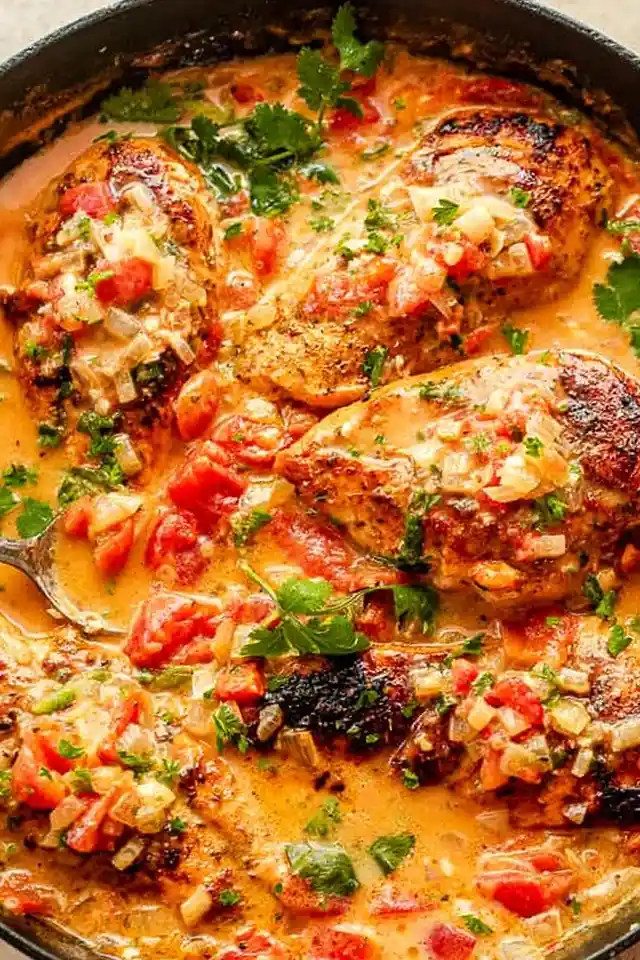
List of ingredients
- 1.5 pounds boneless, skinless chicken breasts (1 to 1½ inch thick) – ensure they are evenly sized for uniform cooking.
- 1 teaspoon ground cumin – adds an earthy, warm base.
- 1 teaspoon smoked or sweet paprika – provides color and mild sweetness.
- 1 teaspoon dried oregano – adds a subtle herbal note.
- ½ teaspoon cayenne pepper – provides a hint of heat; adjust based on preference.
- 1 to 1½ teaspoons salt – or adjust to your personal taste.
- ¼ to ½ teaspoon freshly ground black pepper – for a sharp, pungent kick.
- 3 tablespoons olive oil (divided) – used for searing and sautéing.
- 1 small yellow onion (finely diced) – provides a sweet, aromatic foundation.
- 3 cloves garlic (minced) – adds depth and pungency to the sauce.
- 1 tablespoon tomato paste – thickens the sauce and adds umami.
- 2 cups seeded and diced tomatoes (or 14 ounces canned, well drained) – provides acidity and body.
- 14 ounces can of unsweetened coconut milk (shaken and stirred) – the primary creamy element.
- chopped fresh cilantro – for a fresh, bright garnish.
- lime wedges – for serving to cut through the richness.
step-by-step instructions
- Prepare the components: Shake the coconut milk can thoroughly, open it, and stir to combine the fats and liquids. Pat the chicken breasts dry using paper towels to ensure a better sear.
- Mix the rub: In a small bowl, stir together the cumin, paprika, oregano, cayenne, salt, and black pepper until the spices are evenly distributed.
- Brown the meat: Heat 2 tablespoons of olive oil in a large skillet over medium heat. Rub the spice mixture over all sides of the chicken, then sear for 6 to 7 minutes per side until browned. Remove the chicken and keep it covered on a plate.
- Sauté the aromatics: Add the remaining tablespoon of olive oil to the same skillet. Sauté diced onions for 2 to 3 minutes until translucent, then stir in minced garlic for 20 seconds.
- Build the base: Stir in the tomato paste until combined, then add the diced tomatoes. Cook for about 5 minutes until the tomatoes soften.
- Simmer the sauce: Pour in the coconut milk and bring the mixture to a simmer. Let it cook for 5 minutes until the sauce begins to thicken.
- Finish the chicken: Place the chicken breasts back into the skillet and reduce heat to medium-low. Cook for 4 to 5 more minutes until the internal temperature reaches 165°F.
- Final touch: Taste the sauce and add salt or pepper if needed. Garnish with fresh cilantro and serve immediately with lime wedges.
Optimizing Chicken Texture
Using a Meat Thermometer for Precision
The most reliable way to avoid dry chicken is using an instant-read thermometer. Insert the probe into the thickest part of the breast to ensure it hits exactly 165°F. This prevents overcooking, which can quickly turn tender meat into a rubbery texture.
Applying the Knife Test Method
If a thermometer is unavailable, use a sharp knife to slightly pierce the center of the meat. If the meat feels resistant or rubbery, it requires a few more minutes of cooking. Once it yields easily but remains firm, it has reached the ideal tenderness.
The Importance of Resting the Meat
Although the chicken returns to the sauce, letting it sit for a moment before slicing helps juices redistribute. This ensures that the moisture stays within the fibers of the meat. Avoid slicing the chicken immediately upon removing it from the heat.
Ingredient Substitutions and Swaps
Using Boneless Chicken Thighs
Chicken thighs are a great alternative for those who prefer more succulent meat. They have a higher fat content, which makes them much more forgiving if you overcook them slightly. You may need to increase the initial searing time by a minute or two depending on the cut.
Alternative Cooking Oils
While olive oil is standard, avocado oil is a superior choice for high-heat searing. It has a higher smoke point, which means it won’t break down or smoke as easily during the browning phase. Grapeseed oil is another neutral option that works well for this recipe.
Swapping Yellow Onions for White or Red
Yellow onions provide a balanced sweetness, but white onions offer a sharper, more pungent flavor. Red onions can be used for a slightly sweeter taste and a different color profile. Ensure they are finely diced to blend seamlessly into the sauce.
Fresh versus Canned Tomatoes
Fresh diced tomatoes provide a bright, clean acidity and a softer texture. Canned diced tomatoes are more consistent and often provide a deeper, more concentrated tomato flavor. If using canned, ensure they are well-drained to prevent the coconut sauce from becoming too watery.
Using Garlic Powder as a Substitute
If fresh garlic is unavailable, garlic powder can be used in a pinch. Use about a quarter teaspoon of powder for every clove of fresh garlic required. Stir the powder into the spice rub rather than adding it to the oil to prevent burning.
Light versus Full-Fat Coconut Milk
Full-fat unsweetened coconut milk provides the classic creamy consistency and rich mouthfeel. Light coconut milk can be used to reduce calories, but it will result in a thinner sauce. If using light milk, you may want to simmer the sauce for a few extra minutes to achieve the desired thickness.
Suggested Side Dish Pairings
Serving with Jasmine or Basmati Rice
Fragrant white rice is the traditional accompaniment for coconut-based dishes. Jasmine rice offers a floral aroma that complements the coconut, while Basmati provides a firmer grain. Both options are excellent for soaking up the creamy sauce.
Low-Carb Cauliflower Rice Options
For those avoiding grains, sautéed cauliflower rice is a practical alternative. Pulse cauliflower in a food processor and sauté with a pinch of salt and lime juice. This keeps the meal light while maintaining the flavor profile of the main dish.
Pairing with Roasted Broccoli
Broccoli roasted with olive oil and salt adds a charred, earthy element to the plate. The bitterness of the roasted florets cuts through the richness of the coconut milk. It provides a necessary textural contrast to the tender chicken.
Adding Sautéed Spinach or Kale
Leafy greens like spinach or kale can be wilted in a pan with a bit of garlic. This adds vibrant color to the meal and increases the nutritional value. The slight bitterness of the greens balances the sweetness of the coconut milk.
Complementary Quinoa for Extra Protein
Quinoa is a nutrient-dense substitute for rice that adds a nutty flavor. Cook it in vegetable broth instead of water to add more depth. It pairs well with the cumin and paprika in the chicken rub.
Storage and Preservation Guidelines
Refrigerating Chicken in Sauce
Always store the chicken submerged in the coconut sauce to prevent the meat from drying out. Place the mixture in an airtight glass container to keep out fridge odors. The sauce acts as a protective barrier that maintains the moisture of the chicken.
Separate Storage for Grains
Store your rice or quinoa in a separate container from the chicken. If stored together, the grains will absorb the sauce over time and become mushy. This preserves the intended texture of both the main dish and the side.
Maximum Safe Storage Duration
This dish can be safely kept in the refrigerator for up to four days. Ensure the container is sealed tightly and stored in the coldest part of the fridge. If the sauce separates during storage, it will recombine once heated.
Practical Reheating Methods
The Stovetop Reheating Process
The best way to reheat this dish is in a skillet over low heat. Add a small splash of water or coconut milk to loosen the sauce as it warms. Stir gently to avoid breaking the chicken breasts.
Re-steaming Rice and Grains
When reheating rice, add a tablespoon of water and cover the pot with a tight lid. This creates a steam effect that softens the hardened starch grains. Heat on low until the rice is fluffy and hot throughout.
Using the Microwave Safely
If using a microwave, use medium power to avoid overheating the chicken, which can make it rubbery. Heat in short 60-second intervals, stirring the sauce in between. Cover the dish with a damp paper towel to retain moisture.
Troubleshooting Common Issues
Fixing a Sauce That Is Too Thin
If the sauce hasn’t thickened enough, simmer it for an additional 3 to 5 minutes without a lid. This allows more liquid to evaporate, concentrating the flavors. Avoid adding flour, as it can change the authentic taste of the coconut milk.
Balancing Excessive Saltiness
If the sauce tastes too salty, stir in an extra tablespoon of coconut milk or a squeeze of fresh lime juice. The fat in the coconut milk and the acidity of the lime help neutralize the salt. You can also add a small amount of unsalted diced tomatoes.
Reducing Too Much Heat from Cayenne
If the cayenne pepper makes the dish too spicy, add a teaspoon of honey or brown sugar. The sweetness counteracts the heat without overpowering the other spices. Adding more coconut milk also dilutes the spice level.
Preventing Spice Burn During Searing
If you notice the spices in the pan smelling burnt, lower the heat immediately. Spices like paprika can burn quickly if the oil is too hot. Use medium heat and keep the chicken moving slightly to ensure an even, golden brown sear.
Frequently Asked Questions
Can I use a slow cooker for this recipe?
While this is a one-pan skillet recipe, you can adapt it for a slow cooker. Brown the chicken and sauté the aromatics first, then combine everything in the crockpot on low for 4-6 hours. Be aware that the sauce may be thinner and might require a cornstarch slurry to thicken at the end.
How do I stop the chicken from sticking to the pan?
Ensure the oil is shimmering and hot before adding the chicken breasts. Do not crowd the pan, as this lowers the temperature and causes the meat to steam rather than sear. Let the chicken develop a crust before attempting to flip it.
Is a cast iron skillet better than stainless steel?
A cast iron skillet is excellent for getting a deep brown sear on the chicken. However, stainless steel is often preferred for the sauce phase as it is easier to scrape the brown bits (fond) from the bottom. Either pan will work as long as you manage the heat correctly.
Can I omit the tomato paste?
You can omit the tomato paste, but the sauce will be lighter in color and have a slightly less complex flavor. The paste adds a necessary depth and helps emulsify the sauce. If you omit it, consider adding a pinch more paprika for color.
What is the best way to dice the tomatoes?
Cut the tomatoes into quarters and remove the watery seeds before dicing the flesh into small, uniform pieces. This prevents the sauce from becoming too watery. Consistent sizing ensures they soften at the same rate during the sauté process.
What can I use instead of cilantro for garnish?
Fresh flat-leaf parsley is the best alternative for a clean, herbal finish. If you want a more unique flavor, chopped Thai basil or mint can be used. These herbs complement the coconut and lime notes of the dish.
Print
Creamy Coconut Milk Chicken
- Total Time: 40 minutes
- Yield: 4 servings 1x
- Diet: General
Description
Enjoy tender chicken breasts simmered in a creamy coconut sauce with this easy, one-pan Coconut Milk Chicken recipe.
Ingredients
- 1.5 pounds boneless, skinless chicken breasts
- 1 teaspoon ground cumin
- 1 teaspoon smoked or sweet paprika
- 1 teaspoon dried oregano
- ½ teaspoon cayenne pepper
- 1 to 1½ teaspoons salt
- ¼ to ½ teaspoon freshly ground black pepper
- 3 tablespoons olive oil
- 1 small yellow onion, finely diced
- 3 cloves garlic, minced
- 1 tablespoon tomato paste
- 2 cups seeded and diced tomatoes
- 14 ounces can of unsweetened coconut milk
- chopped fresh cilantro
- lime wedges
Instructions
- Prep: Shake the can of coconut milk well, then open and give it a quick stir to combine. Pat the chicken breasts dry with paper towels and set aside.
- Make the seasoning: In a small mixing bowl, combine cumin, paprika, oregano, cayenne pepper, salt, and black pepper; stir until thoroughly incorporated.
- Cook: Heat 2 tablespoons olive oil in a large skillet over medium heat. Rub the seasoning mixture all over the chicken breasts, then add the chicken to the heated oil and cook for 6 to 7 minutes on each side or until browned and almost cooked through. Remove chicken from the skillet and set aside on a plate; keep covered.
- Sauté: Add remaining olive oil to the skillet; add onions to the heated oil and cook for 2 to 3 minutes, or until tender and translucent. Stir in garlic and cook for 20 seconds. Add a tablespoon of tomato paste and stir until well combined. Then stir in the tomatoes and continue to cook for 5 minutes, or until the tomatoes are soft.
- Cook down the coconut milk and combine: Stir in the coconut milk and bring to a simmer; let simmer for 5 minutes, or until the sauce thickens. Return the chicken breasts to the skillet, reduce heat to medium-low, and cook for 4 to 5 more minutes, or until the chicken is cooked through.
- Taste and adjust before serving: Taste the sauce for salt and pepper; adjust accordingly. Garnish your coconut milk chicken with cilantro or parsley, and serve with lime wedges.
Notes
Ensure chicken reaches an internal temperature of 165°F to avoid overcooking. Store leftovers in the sauce to prevent the meat from drying out.
- Prep Time: 10 minutes
- Cook Time: 25 minutes
- Category: Dinner
- Method: Stovetop
- Cuisine: American, Indian, Thai
Nutrition
- Serving Size: 1 serving
- Calories: 341 kcal
- Sugar: 4 g
- Sodium: 941 mg
- Fat: 20 g
- Saturated Fat: 9 g
- Unsaturated Fat: 11 g
- Trans Fat: 0 g
- Carbohydrates: 12 g
- Fiber: 2 g
- Protein: 26 g
- Cholesterol: 73 mg