This recipe provides a reliable method for creating tender, flavor-packed chicken breasts in the oven. It is an ideal choice for healthy weeknight dinners or structured meal prep for the week.
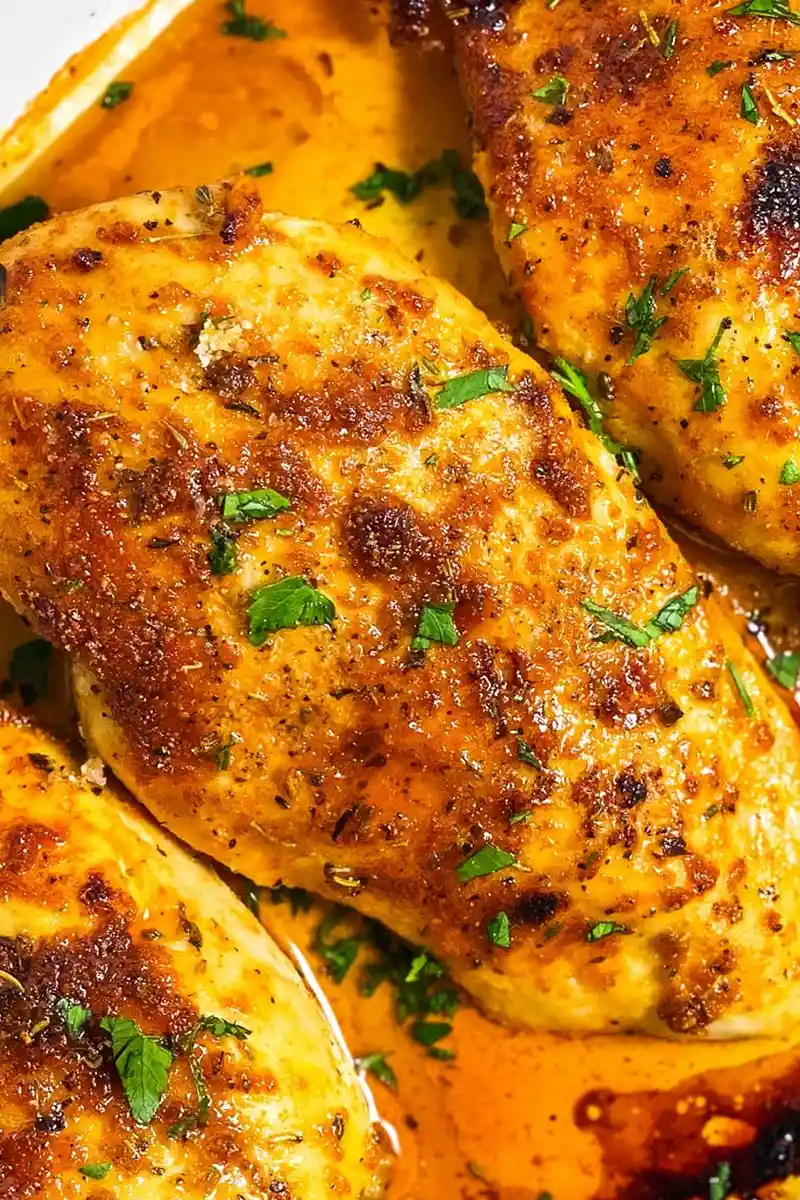
List of ingredients
- 2 pounds chicken breast (boneless and skinless) – ensures lean protein.
- 1 tablespoon olive oil – helps the seasoning adhere.
- 1 tablespoon light brown sugar – adds a hint of sweetness and aids browning.
- 2 teaspoons garlic powder – provides a savory depth.
- 2 teaspoons onion powder – complements the garlic for a classic flavor.
- 1 teaspoon ground paprika – adds a mild earthiness and rich color.
- 1 teaspoon Italian seasoning – a blend of herbs for aromatic flavor.
- 1 teaspoon salt – enhances all other seasonings.
- 1/4 teaspoon ground black pepper – adds a subtle spicy note.
- 1 tablespoon butter (diced) – keeps the meat moist during baking.
step-by-step instructions
- Prep: Heat your oven to 400°F. Lightly grease a 9×13 inch casserole dish to prevent sticking.
- Flatten: Place the chicken breasts between two sheets of plastic wrap. Using a rolling pin or the flat side of a meat mallet, pound the chicken to a consistent thickness of about 0.5 to 0.75 inches. Rub olive oil over the entire surface of the flattened meat.
- Season: In a small mixing bowl, combine the brown sugar, garlic powder, onion powder, paprika, Italian seasoning, salt, and black pepper. Sprinkle this mixture generously over both sides of the chicken, rubbing it in lightly.
- Bake: Arrange the seasoned chicken breasts in the prepared casserole dish. Place a small slice of diced butter on top of each breast. Bake at 400°F until the internal temperature reaches 165°F, which typically takes 18-20 minutes.
- Finish: Turn on the oven broiler for 1-3 minutes to achieve a golden-brown exterior. Serve the chicken immediately for maximum juiciness.
Pro Tips for Optimal Results
Ensure Even Thickness via Pounding
Pounding the chicken is a critical step that prevents the thinner ends from overcooking while the center remains raw. By creating a uniform thickness of 0.75 inches, the heat penetrates the meat evenly. This ensures every bite is juicy and cooked through at the exact same time.
Monitor Internal Temperature Regularly
Using a digital meat thermometer is the only way to guarantee the chicken is safe without overcooking it. Remove the chicken from the oven precisely when it hits 165°F. Even a few extra minutes in a hot oven can turn a juicy breast into a dry one.
Apply Seasoning Thoroughly
Do not just sprinkle the spices on top of the meat. Rub the seasoning blend into the surface of the chicken to ensure the flavors penetrate the muscle fibers. Seasoning both the top and bottom ensures a balanced taste in every slice.
Ingredient Substitutions and Adjustments
Swap Brown Sugar for Alternatives
If you do not have light brown sugar, granulated white sugar is a functional replacement. For a more natural sweetness, you can use a small amount of honey or maple syrup. Note that liquid sweeteners may change the texture of the rub, making it more of a glaze.
Replace Butter with Vegetable Oils
For those avoiding butter, olive oil or avocado oil can be used as a topper. While butter adds a specific richness and flavor, oil still provides the necessary fat to prevent the surface from drying out. You can also omit the topper entirely, though the chicken may be slightly less moist.
Modify the Spice Blend
Feel free to adjust the seasonings based on your preference. If you prefer a more herbal profile, increase the Italian seasoning and reduce the paprika. For a sharper taste, you can add a pinch of cayenne pepper or crushed red pepper flakes.
Flavor Variations to Try
Create a Spicy Version
To add heat, incorporate half a teaspoon of cayenne pepper or a tablespoon of sriracha into the oil rub. This pairs well with the existing brown sugar, creating a sweet and spicy contrast. Serve this version with a cooling side like cucumber salad.
Prepare a Lemon and Herb Twist
Substitute the brown sugar with a tablespoon of lemon zest and a squeeze of fresh lemon juice. Increase the Italian seasoning or add fresh parsley and thyme. This variation is lighter and works exceptionally well for summer meals.
Focus on Smoky Paprika
Replace the standard paprika with smoked paprika to give the chicken a wood-fired taste. This pairs perfectly with the brown sugar to create a BBQ-style flavor profile. This version is excellent when served alongside corn on the cob.
Serving and Pairing Suggestions
Starchy Side Dish Pairings
This chicken is versatile and pairs well with various starches. Creamy mashed potatoes or a wild rice pilaf absorb the pan juices beautifully. For a lighter option, try roasted sweet potato wedges or quinoa tossed with fresh herbs.
Fresh Vegetable Accompaniments
Balance the savory chicken with steamed broccoli or sautéed zucchini. Roasted asparagus with a drizzle of balsamic glaze also complements the Italian seasoning. For a crisp contrast, a side of sautéed spinach with garlic is a great choice.
Salad and Bowl Integration
Slice the baked chicken to top a large Caesar salad or a Mediterranean bowl. Mix it with chickpeas, cherry tomatoes, cucumbers, and a dollop of hummus. The seasoned chicken acts as a flavorful protein anchor for these lighter meals.
Storage and Preservation Guide
Refrigeration Basics
Store leftover chicken in an airtight container in the refrigerator for up to three days. To keep the meat from drying out, ensure the container is fully sealed. You can store the chicken whole or slice it immediately for easier use in later meals.
Freezing Instructions
Baked chicken can be frozen for up to two months. Wrap each breast tightly in foil or place them in vacuum-sealed bags to prevent freezer burn. Thaw them slowly in the refrigerator overnight before reheating.
Best Methods for Reheating
Oven Reheating for Texture
To maintain the best texture, reheat the chicken in the oven at 325°F. Place the chicken in a baking dish with a tablespoon of water or broth to create steam. Cover with foil and heat until the internal temperature reaches 150°F.
Microwave Tips for Speed
When using a microwave, slice the chicken first and cover it with a damp paper towel. Heat on medium power in 30-second intervals. This prevents the microwave from overcooking the edges and making the meat rubbery.
Stovetop Searing for Freshness
Place sliced chicken in a skillet over medium heat with a teaspoon of oil or butter. Sear quickly for 1-2 minutes per side until warmed through. This method restores some of the exterior crispness that is lost during refrigeration.
Meal Prep and Planning
Pre-cutting for Ease
If using this recipe for meal prep, slice the chicken against the grain once it has rested. This makes the meat easier to chew and more visually appealing in containers. Divide the slices evenly across your weekly meal boxes.
Batch Cooking Strategy
You can double the recipe by using two 9×13 inch dishes. Ensure you do not crowd the chicken too closely, as this can lead to steaming rather than baking. This allows you to have protein ready for several different meals throughout the week.
Troubleshooting Common Issues
Preventing Dry Chicken
Dryness usually occurs from overcooking. If your chicken consistently comes out dry, check your oven calibration with a separate thermometer. Always remove the meat at 165°F and let it rest for five minutes to redistribute the juices.
Fixing Uneven Browning
If the chicken is cooked through but looks pale, use the broiler setting for a short time. Keep a close eye on the meat, as the high heat can burn the sugar in the seasoning very quickly. Move the oven rack to the top position for the most effective browning.
Frequently Asked Questions
Can I use frozen chicken breast?
You must fully thaw frozen chicken breasts before pounding and seasoning them. Cooking from frozen will lead to uneven cooking and will prevent the seasonings from adhering to the meat.
How do I know when it’s done without a thermometer?
While a thermometer is best, you can check by pressing the center of the breast; it should feel firm. Additionally, the juices should run clear rather than pink when pierced with a fork.
Can I use chicken thighs instead?
Yes, but thighs have more fat and connective tissue, so they require a longer cooking time. Increase the bake time and ensure they reach an internal temperature of 175°F for the best texture.
Print
Juicy Oven Baked Chicken Breast
- Total Time: 30 minutes
- Yield: 6 servings 1x
- Diet: General
Description
This is the best way to make oven baked chicken breast: The chicken is generously seasoned, then bakes to juicy perfection!
Ingredients
- 2 pounds boneless and skinless chicken breast
- 1 tablespoon olive oil
- 1 tablespoon light brown sugar
- 2 teaspoons garlic powder
- 2 teaspoons onion powder
- 1 teaspoon ground paprika
- 1 teaspoon Italian seasoning
- 1 teaspoon salt
- 1/4 teaspoon ground black pepper
- 1 tablespoon butter, diced
Instructions
- Prep: Heat oven to 400°F and lightly grease a 9×13 inch casserole dish.
- Flatten: Place chicken between two pieces of plastic wrap and pound to 0.5 – 0.75 inch thickness using a rolling pin or mallet. Rub olive oil all over.
- Season: Combine all remaining ingredients except for butter in a small bowl. Sprinkle all over chicken and rub in.
- Bake: Place seasoned chicken in the dish, top each breast with a slice of butter, and bake at 400°F until internal temperature reaches 165°F (about 18-20 minutes). Broil for 1-3 minutes until browned.
Notes
Pounding the chicken to an even thickness is highly recommended for consistent cooking. Use a meat thermometer to ensure the chicken reaches 165°F to prevent overcooking. Brown sugar can be replaced with regular sugar if needed.
- Prep Time: 10 minutes
- Cook Time: 20 minutes
- Category: Main Course
- Method: Baking
- Cuisine: American
Nutrition
- Serving Size: 1 serving
- Calories: 225 kcal
- Sugar: 2 g
- Sodium: 582 mg
- Fat: 8 g
- Saturated Fat: 2 g
- Unsaturated Fat: 4 g
- Trans Fat: 1 g
- Carbohydrates: 4 g
- Fiber: 1 g
- Protein: 32 g
- Cholesterol: 102 mg