This savory black pepper chicken is a quick stir-fry that balances bold spice with tender meat and crisp vegetables. It is an ideal weeknight dinner that delivers restaurant-quality flavor with minimal preparation.
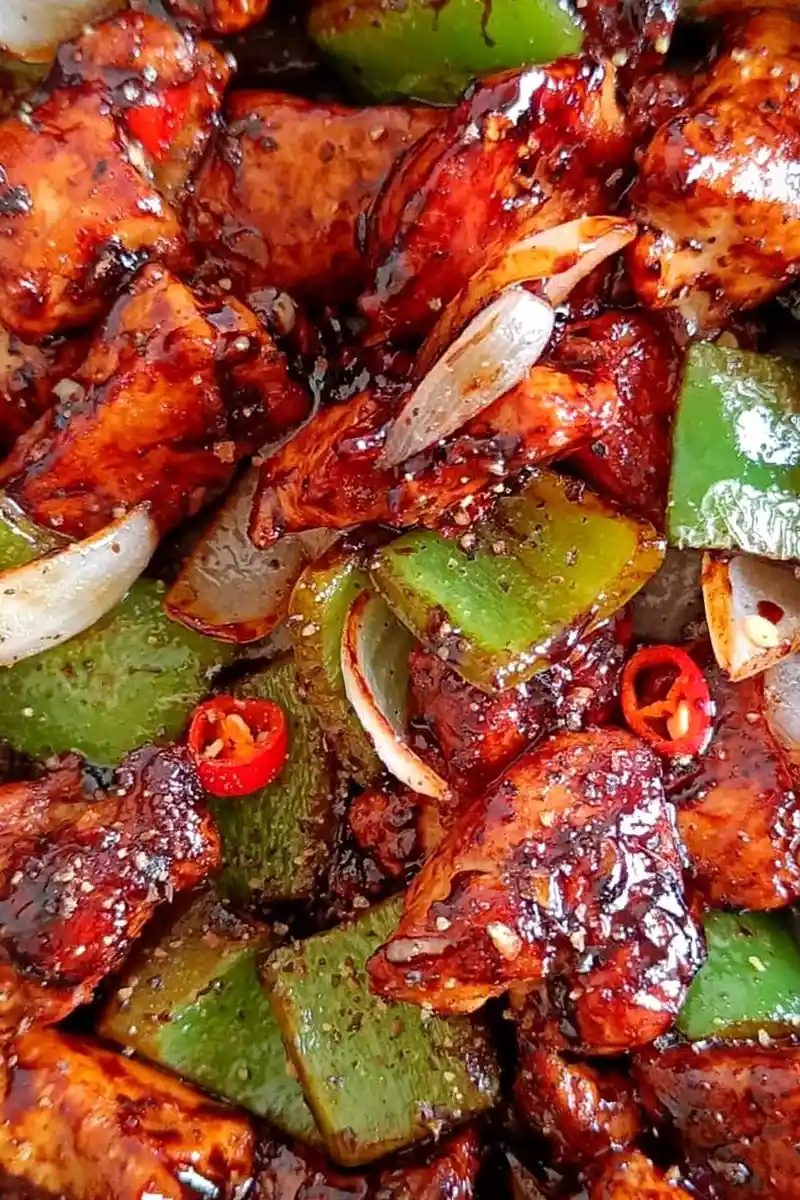
List of ingredients
- 500 gram or 1.1 lbs skinless chicken breast – cut into bite size cubes.
- 2 tablespoon peanut oil – for high-heat searing.
- salt – used as required for seasoning.
- 2 medium size onion – cut into 1 inch cubes.
- 1 large size green bell pepper – cut into 1 inch cubes.
- ½ teaspoon minced garlic – for aromatic base.
- ½ teaspoon minced ginger – for aromatic base.
- 1 fresh red or green chili – chopped to add heat.
- 2 tablespoon cornstarch – for coating the chicken.
- ¼ teaspoon black pepper – freshly ground for the chicken marinade.
- ¾ teaspoon black pepper – freshly ground for the sauce.
- 3 tablespoon light soy sauce – for savory saltiness.
- 1 tablespoon dark soy sauce – for depth of color and flavor.
- 1 tablespoon rice vinegar – for a tangy balance.
- 1/2 teaspoon brown sugar – to balance the acidity.
- 1 teaspoon toasted sesame oil – for a nutty aroma.
- 1 teaspoon cornstarch – to thicken the sauce.
- 2 tablespoon water or chicken broth – to provide volume to the sauce.
step-by-step instructions
- Prepare the sauce: Whisk together the crushed black pepper, rice vinegar, light soy sauce, dark soy sauce, brown sugar, toasted sesame oil, cornstarch, and water in a small bowl until the mixture is smooth and free of lumps.
- Marinate the chicken: Coat the chicken cubes with 1 tablespoon of the prepared sauce, 2 tablespoons of cornstarch, and a pinch of salt. Let the chicken rest while you chop the onion, ginger, garlic, and peppers to allow the flavors to penetrate.
- Brown the chicken: Heat a large skillet on medium-high heat. Add one tablespoon of oil and spread it evenly; add chicken in a single layer and cook until golden on the bottom, then flip and cook until almost done. Transfer the chicken to a plate, cooking in batches if necessary to avoid overcrowding.
- Stir fry vegetables: Heat 1 tablespoon of oil in the same pan. Sauté minced ginger, garlic, and chopped chilies for 30 seconds, then immediately add onion and bell peppers. Stir fry over high flame until the vegetables are tender yet still crisp.
- Combine everything: Reduce the flame to the lowest setting. Whisk the remaining sauce to recombine the cornstarch and pour it into the pan. Let the sauce simmer for 30 seconds before adding the browned chicken and tossing until well coated.
- Final touch and serve: Turn off the heat and stir in additional freshly ground black pepper for a punch of flavor. Serve immediately while hot.
Mastering the Stir-Fry Process
Achieving the Perfect Sear on Chicken
To get a golden crust, ensure the pan is very hot before adding the oil. Avoid stirring the chicken too frequently; let it sit undisturbed for a few minutes to develop a brown sear. This process locks in juices and adds a savory depth to the meat.
Maintaining Vegetable Crispness
Keep the heat on high when adding the onions and bell peppers. Stir-fry them quickly so they soften slightly but retain their crunch. Overcooking the vegetables will result in a mushy texture and a loss of vibrant color.
Preventing Ingredient Crowding
Adding too much chicken to the pan at once lowers the surface temperature, causing the meat to steam in its own juices rather than sear. Cook the chicken in two batches if your skillet is small. This ensures every piece gets an even, brown exterior.
Properly Emulsifying the Sauce
Cornstarch naturally settles at the bottom of the bowl during the cooking process. Always whisk the sauce vigorously right before pouring it into the pan. This prevents clumps of starch from forming in the final dish.
The Role of High-Smoke Point Oils
Peanut oil is ideal because it can withstand high temperatures without smoking or breaking down. If you do not have peanut oil, canola or vegetable oil are suitable alternatives. Avoid using extra virgin olive oil, as it burns too quickly for stir-frying.
Managing the Sauté of Aromatics
Garlic, ginger, and chilies burn quickly on high heat, which can make the dish bitter. Sauté them for only 30 seconds before adding the larger vegetables. The moisture from the onions and peppers will help stop the aromatics from scorching.
Ingredient Substitutions and Alternatives
Using Chicken Thighs for Extra Juiciness
While breast meat is lean, boneless skinless chicken thighs offer more flavor and are harder to overcook. If using thighs, trim excess fat before cubing. The higher fat content makes the chicken more succulent and tender.
Substituting Rice Vinegar with White Vinegar
Rice vinegar has a milder, sweeter profile than white vinegar. If you use white vinegar, you may want to add an extra pinch of brown sugar to balance the sharper acidity. Apple cider vinegar is also an acceptable substitute.
Making the Dish Gluten-Free
Standard soy sauce contains wheat, which makes this recipe unsuitable for those with gluten sensitivities. Replace both light and dark soy sauce with tamari or coconut aminos. Ensure the cornstarch is certified gluten-free.
Adjusting Heat with Different Chilies
Fresh red chilies provide a sharp heat, while green chilies are often milder. For a more intense spice level, add more chopped chilies or a pinch of red pepper flakes. For a mild version, remove the seeds from the chili or omit it entirely.
Replacing Brown Sugar with Honey
Honey provides a similar sweetness and helps the sauce glaze the chicken more effectively. Use the same quantity as the brown sugar. Note that honey may cause the sauce to thicken more quickly, so keep a tablespoon of water nearby to thin it if needed.
Using Different Bell Pepper Varieties
Green bell peppers have a slightly bitter, earthy taste that is traditional for this dish. Red, yellow, or orange peppers are sweeter and add a bright pop of color. Using a mix of colors can enhance the visual appeal of the meal.
Alternative Proteins Like Tofu or Shrimp
Firm tofu, pressed and cubed, works well as a plant-based substitute. For shrimp, sear them quickly for 1-2 minutes per side and add them back at the very end to prevent them from becoming rubbery.
Serving and Pairing Suggestions
Pairing with Steamed Jasmine Rice
The fragrant, fluffy nature of jasmine rice perfectly complements the bold pepper sauce. The rice absorbs the excess glaze, ensuring none of the flavor is wasted. For a healthier option, use brown rice or quinoa.
Serving Over Egg Fried Rice
For a complete one-pan style meal, serve the black pepper chicken over a bed of egg fried rice. The savory eggs and toasted rice grains add another layer of texture. This is the most common way this dish is served in takeout restaurants.
Adding Fresh Scallion Garnishes
Slicing green onions on a diagonal and scattering them over the top adds a fresh, sharp contrast to the rich sauce. The bright green color also makes the dish look more professional. A sprinkle of toasted sesame seeds can add a nutty finish.
Complementing with an Asian Cucumber Salad
A chilled cucumber salad with rice vinegar and sesame oil provides a refreshing counterpoint to the heat of the black pepper. The cool, crisp vegetables cleanse the palate between bites of the savory chicken.
Plating for Family Style Dining
This dish is best served on a large communal platter in the center of the table. Surround the chicken and vegetables with a ring of steamed rice. This presentation encourages sharing and keeps the food hot.
Storage and Reheating Guide
Optimal Refrigeration Methods
Store leftovers in an airtight glass or plastic container to prevent the chicken from absorbing other fridge odors. Ensure the dish has cooled slightly before sealing the lid to avoid excess condensation. It will stay fresh for up to 3 days.
Best Reheating Methods on the Stovetop
Reheating in a skillet over medium heat is the best way to maintain the texture of the chicken. Add one teaspoon of water or chicken broth to loosen the thickened sauce. Toss frequently until the chicken is heated through.
Using the Microwave for Quick Reheating
If using a microwave, heat the chicken in short 30-second intervals. Stirring between intervals prevents hot spots and ensures the sauce is evenly distributed. Cover the dish with a damp paper towel to keep the meat from drying out.
Understanding Sauce Separation
It is normal for the sauce to thicken or separate slightly during refrigeration. This is due to the cornstarch setting. A small amount of liquid added during reheating will restore the glossy, smooth consistency of the glaze.
Advice on Freezing Leftovers
While possible, freezing is not recommended for this dish as the bell peppers and onions lose their structure. Upon thawing, the vegetables often become watery. For the best quality, consume the dish within three days of cooking.
Efficient Meal Prep Advice
Organizing Your Mise en Place
Stir-frying happens very quickly, leaving no time for chopping once the heat is on. Prepare all vegetables, mince the aromatics, and cube the chicken before turning on the stove. Arrange them in separate bowls for an efficient workflow.
Preparing the Pepper Sauce in Advance
The black pepper sauce can be made up to two weeks in advance and stored in a jar in the refrigerator. This reduces the active cooking time to just the searing and stir-frying stages. Remember to shake the jar well before use.
Pre-Cutting Aromatics in Oil
You can mince your garlic and ginger and store them in a small container covered with oil. This preserves their freshness and prevents them from oxidizing. Use a spoon to scoop them directly into the hot pan.
Managing Vegetable Cutting Sizes
Cut the onions and bell peppers into uniform 1-inch cubes. This ensures that all the vegetables cook at the same rate. Smaller pieces will overcook and soften before the larger pieces are ready.
Troubleshooting Common Cooking Errors
Fixing a Sauce That Is Too Thick
If the sauce becomes too gummy or thick, simply stir in a tablespoon of water or chicken broth while the pan is on low heat. Stir constantly until the desired consistency is reached. Avoid adding too much liquid at once, or you will dilute the flavor.
Correcting an Overly Salty Sauce
If the soy sauce makes the dish too salty, add a small pinch of brown sugar or a teaspoon of rice vinegar. The sweetness and acidity help neutralize the saltiness. In extreme cases, serving the dish with unseasoned steamed rice will balance the taste.
Preventing Rubbery Chicken Texture
Rubbery chicken is usually the result of overcooking. Once the chicken is browned and nearly cooked through, remove it from the pan. It will finish cooking when it is tossed back into the simmering sauce at the end.
Stopping Garlic from Burning
If you notice the garlic turning dark brown too quickly, immediately add the other vegetables. The moisture from the onions will lower the pan temperature and stop the burning process. In the future, ensure the pan is not smoking hot when adding aromatics.
Handling Sauce Clumps
If you see white clumps of cornstarch in your sauce, it means the sauce wasn’t whisked enough. You can use a whisk directly in the pan or pass the sauce through a fine-mesh strainer before adding it to the vegetables. Using a small whisk is the most effective method.
Frequently Asked Questions
Can I use pre-ground black pepper?
Yes, you can, but freshly ground peppercorns provide a much stronger, citrusy aroma and a sharper heat. Pre-ground pepper loses its volatile oils over time, resulting in a flatter flavor profile.
Is this recipe suitable for meal prep?
Yes, this dish is excellent for meal prep. It holds its flavor well for several days and pairs perfectly with pre-portioned rice or noodles in airtight containers.
What is the best pan for this recipe?
A carbon steel wok is ideal for distributing heat and tossing ingredients. However, a wide stainless steel or non-stick skillet also works well, provided it can handle medium-high heat.
How do I make the dish less spicy?
To reduce the heat, remove the seeds and membranes from the fresh chili before chopping. You can also reduce the amount of black pepper in the sauce or omit the fresh chili entirely.
Can I add other vegetables like broccoli?
Yes, broccoli, snap peas, or carrots work well. Since these vegetables take longer to cook than bell peppers, add them to the pan 2-3 minutes before the onions and peppers.
Why does the sauce not thicken?
The sauce may not thicken if the heat is too low or if the cornstarch was omitted. Ensure the sauce simmers for at least 30 seconds before adding the chicken to activate the thickening properties of the starch.
Print
Savory Homemade Black Pepper Chicken
- Total Time: 25 minutes
- Yield: 4 servings 1x
- Diet: General
Description
A Panda Express inspired recipe. Juicy, tender chicken bites in a savoury black pepper sauce. This homemade black pepper chicken is easy, only requires a few ingredients to make, and tastes as good as your favorite Chinese takeout or even better.
Ingredients
- 500 gram skinless chicken breast (cut into bite size cubes)
- 2 tablespoon peanut oil
- salt (as required)
- 2 medium size onion (cut into 1 inch cubes)
- 1 large size green bell pepper (cut into 1 inch cubes)
- ½ teaspoon minced garlic
- ½ teaspoon minced ginger
- 1 fresh red/green chili (chopped)
- 2 tablespoon cornstarch
- ¼ teaspoon black pepper (freshly ground)
- ¾ teaspoon black pepper (freshly ground)
- 3 tablespoon light soy sauce
- 1 tablespoon dark soy sauce
- 1 tablespoon rice vinegar
- 1/2 teaspoon brown sugar
- 1 teaspoon toasted sesame oil
- 1 teaspoon cornstarch
- 2 tablespoon water/chicken broth
Instructions
- Make the sauce: Make the black pepper sauce by whisking together the crushed black pepper, rice vinegar, light soy sauce, dark soy sauce, brown sugar, toasted sesame oil, cornstarch, and water in a small bowl until there are no lumps.
- Marinate the chicken: Coat chicken with 1 tablespoon of the sauce, 2 tablespoons of cornstarch, and salt. Rest it aside while you prepare the onion, ginger, garlic, and pepper.
- Brown the chicken: Heat a large skillet on medium-high heat until it’s hot. Add one tablespoon of oil and tilt the pan to spread oil all over. Add chicken in a single layer and cook over medium flame until golden from the bottom. Then flip the chicken cubes over and cook until the chicken begins to brown and is almost cooked through. Then transfer the chicken to a plate.
- Stir fry vegetables: Heat 1 tablespoon oil in the same pan. Add ginger, garlic, and chopped chilies; Saute for 30 seconds. Immediately add onion and bell peppers. Stir fry over a high flame until the vegetables are crisp and tender.
- Combine: Reduce the flame to the lowest. Whisk the sauce to recombine and pour the sauce. Let it simmer for 30 seconds. Add the fried chicken and toss well until warmed through.
- Serve: Switch off the flame and add freshly ground black pepper. Stir to combine and serve hot.
Notes
Prepare your ingredients in advance. Use freshly ground peppercorns for stronger flavor. Do not skip the marinating process as it ensures juicy chicken. Whisk the sauce well before using as cornstarch settles.
- Prep Time: 10 minutes
- Cook Time: 15 minutes
- Category: Main Course
- Method: Stir Fry
- Cuisine: Chinese
Nutrition
- Serving Size: 1 serving
- Calories: 340 kcal
- Sugar: 6 g
- Sodium: 1150 mg
- Fat: 12 g
- Saturated Fat: 3 g
- Unsaturated Fat: 9 g
- Trans Fat: 0 g
- Carbohydrates: 22 g
- Fiber: 3 g
- Protein: 32 g
- Cholesterol: 85 mg