This quick stovetop method produces golden-brown, juicy chicken thighs in under 20 minutes. It utilizes a simple garlic-butter pan sauce to keep the meat moist and flavorful.
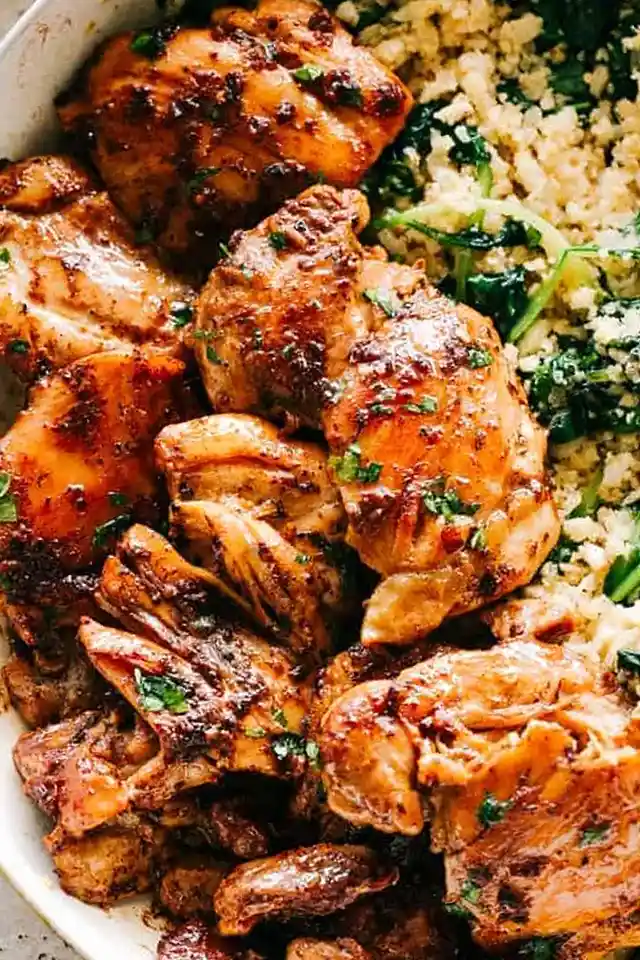
List of ingredients
- 2 tablespoons olive oil – used for searing the meat.
- 1½ pounds boneless skinless chicken thighs (about 6 pieces) – the main protein.
- ½ teaspoon onion powder – adds a savory base layer.
- ½ teaspoon garlic powder – provides a pungent, aromatic flavor.
- ½ teaspoon chili powder – adds a mild warmth and color.
- Salt and freshly ground black pepper – added to taste for seasoning.
- 1 tablespoon butter – used to enrich the pan sauce.
- 2 cloves garlic, minced – provides fresh aromatic depth.
- ½ cup low sodium chicken broth – can be replaced with apple juice for a hint of sweetness.
- Fresh chopped parsley – used for a final garnish.
step-by-step instructions
- Prepare the pan and meat: Heat the olive oil in a large skillet over medium heat. While the oil warms, season both sides of the chicken thighs with onion powder, garlic powder, chili powder, salt, and pepper.
- Sear the chicken: Place the seasoned thighs in the skillet, smooth side down. Cook for 5 to 6 minutes without moving them until they release easily from the pan.
- Finish cooking: Flip the chicken thighs over. Cook for an additional 6 to 7 minutes or until the meat is no longer pink in the center.
- Prepare the pan sauce: Add the butter and minced garlic to the skillet. Stir and cook for 20 to 30 seconds until the garlic is fragrant.
- Deglaze the pan: Pour in the chicken broth. Stir and scrape the browned bits from the bottom of the skillet. Let the sauce simmer for 1 minute.
- Final touch: Remove the skillet from the heat. Garnish with fresh chopped parsley before serving.
Expert Searing Techniques
Ensure the Pan is Fully Preheated
Wait until the olive oil is shimmering before adding the chicken. Adding meat to a cold pan causes the chicken to stick and prevents the development of a golden-brown crust. A hot pan creates an immediate sear that locks in moisture.
Avoid Moving the Meat Too Soon
Resist the urge to flip or move the chicken thighs during the first 5 minutes of cooking. The meat will naturally release from the pan once a proper crust has formed. Forcing the meat to flip early can tear the surface and leave the golden bits stuck to the pan.
Use a Large Heavy-Bottomed Skillet
Select a skillet that allows the thighs to lie flat without overlapping. Overcrowding the pan lowers the temperature and causes the chicken to steam in its own juices instead of searing. A heavy-bottomed pan, such as stainless steel or cast iron, provides the most consistent heat distribution.
Verify Doneness with a Meat Thermometer
Insert a digital meat thermometer into the thickest part of the thigh, avoiding the bone if applicable. Chicken thighs are safely cooked when they reach an internal temperature of 165°F. Because thighs have more connective tissue than breasts, they remain juicy even if they go slightly over this temperature.
Ingredient Substitutions
Replacing Olive Oil with Avocado Oil
If you prefer a higher smoke point, substitute olive oil with avocado oil. Avocado oil is more stable at high temperatures, which reduces the risk of the oil smoking or burning during the searing process. This is particularly useful if you prefer a higher heat for a faster crust.
Swapping Chicken Broth for Apple Juice
For a slightly sweeter pan sauce, use unsweetened apple juice instead of chicken broth. The natural sugars in the juice caramelize with the butter and garlic, creating a fruity glaze. This variation pairs exceptionally well with the chili powder in the seasoning blend.
Using Vegetable Broth for Dietary Needs
Low-sodium vegetable broth is an excellent one-to-one replacement for chicken broth. It maintains the savory profile of the pan sauce while keeping the recipe versatile. Ensure the broth is low-sodium to avoid overpowering the seasonings on the meat.
Substituting Butter with Coconut Oil
To make this recipe dairy-free, replace the tablespoon of butter with refined coconut oil. Refined coconut oil has a neutral flavor and provides the same richness as butter when emulsified with the broth. It helps create a velvety texture in the final sauce.
Using Chicken Breasts instead of Thighs
You can use boneless skinless chicken breasts, but you must adjust the cooking time. Breasts cook faster and dry out more quickly than thighs. Reduce the searing time to about 4-5 minutes per side and ensure they are removed from the pan the moment they hit 165°F.
Flavor Variations
Adding a Citrus Zest Profile
Stir in one teaspoon of fresh lemon zest and a squeeze of lemon juice into the pan sauce. The acidity cuts through the richness of the butter and the fat of the chicken thighs. This creates a brighter, more Mediterranean-style flavor profile.
Incorporating Dried Oregano or Thyme
Add a pinch of dried oregano or thyme to the initial seasoning mix. These herbs complement the garlic and onion powder, adding an earthy depth to the crust. This is especially effective if you are serving the chicken with roasted vegetables.
Enhancing the Heat with Cayenne Pepper
If you prefer a spicier dish, add a quarter teaspoon of cayenne pepper to the dry rub. The chili powder provides a mild warmth, but cayenne adds a sharp kick. Balance this extra heat by adding an extra teaspoon of butter to the pan sauce.
Using Smoked Paprika for Depth
Replace half of the chili powder with smoked paprika. This introduces a woody, charred flavor that mimics the taste of grilled chicken. It enhances the visual color of the thighs, giving them a deep reddish-orange hue.
Serving Suggestions
Pairing with Garlic Butter Cauliflower Rice
Sauté riced cauliflower with garlic and a small amount of butter until tender. This provides a low-carb alternative to traditional rice that absorbs the pan sauce effectively. The mild flavor of the cauliflower allows the seasoned chicken to remain the star of the meal.
Serving with Roasted Root Vegetables
Pair the chicken with honey-glazed carrots or roasted parsnips. The sweetness of roasted root vegetables balances the savory garlic and onion notes of the thighs. Roast them at 400°F for 20 minutes while you prepare the chicken on the stove.
Combining with Creamy Basil Pasta
Place the seared thighs atop a bed of pasta tossed in a basil and avocado cream sauce. The creaminess of the pasta complements the acidity of the chicken broth reduction. Slice the thighs into strips for a more professional presentation.
Accompanying with Sautéed Asparagus
Quickly sauté asparagus spears in the same skillet after removing the chicken. The asparagus will pick up the remaining garlic butter and chicken juices from the pan. This adds a fresh, crisp element to the plate with minimal extra cleanup.
Storage and Reheating
Refrigeration Guidelines
Store leftover chicken thighs in an airtight container once they have cooled to room temperature. They will stay fresh and safe to eat for up to 4 days in the refrigerator. Ensure the container is sealed tightly to prevent the chicken from absorbing other odors in the fridge.
Freezing for Long-Term Storage
Transfer completely cooled thighs to freezer-safe bags, removing as much air as possible. Label the bags with the date of preparation. When stored this way, the chicken can be kept in the freezer for up to 3 months without losing significant quality.
Stovetop Reheating Method
To reheat, place the chicken in a skillet over low heat with a tablespoon of water or chicken broth. Cover the pan with a lid to trap the steam, which prevents the meat from drying out. Heat gently until the internal temperature reaches 165°F.
Microwave Reheating Tips
If using a microwave, place the chicken on a microwave-safe plate and cover it with a damp paper towel. Use medium power and heat in 30-second intervals. This method is faster but can make the seared crust softer than the stovetop method.
Common Troubleshooting
Preventing the Garlic from Burning
Minced garlic burns quickly and can become bitter if the pan is too hot. Add the garlic only after the chicken has been removed or moved to the side, and stir constantly. If the garlic begins to brown too rapidly, immediately add the chicken broth to lower the temperature.
Fixing a Sauce that is Too Thin
If the pan sauce is too watery, let it simmer for an additional 2-3 minutes without a lid. This allows the liquid to reduce and concentrate, thickening the consistency naturally. You can also whisk in a tiny pinch of cornstarch mixed with water for a thicker glaze.
Solving Sticking Issues
If the chicken sticks to the pan, it is usually because the pan wasn’t hot enough or the oil hadn’t reached the correct temperature. Next time, wait for the oil to shimmer. For current sticking, avoid scraping aggressively; let the meat cook a bit longer, and it will eventually release.
Addressing Dry Chicken Thighs
Dryness occurs when chicken is overcooked, even with thighs. Use a meat thermometer to stop cooking precisely at 165°F. If the meat is already dry, serve it with extra pan sauce or a side of gravy to add moisture back into every bite.
Frequently Asked Questions
Can I use bone-in chicken thighs instead?
Yes, but you must increase the cooking time. Bone-in thighs take longer to cook through to the center. You may need to cook them for 10-12 minutes per side and potentially cover the pan for the last few minutes to ensure they reach 165°F.
Why do I need to scrape the bottom of the pan?
The brown bits stuck to the pan are called fond, which are concentrated bursts of flavor from the seared meat. Deglazing with broth lifts these bits and incorporates them into the sauce, creating a much deeper, more complex taste.
Do I need to flour the chicken before cooking?
No, this recipe relies on a dry rub of spices and high-heat searing. Flour creates a different type of crust and can burn more easily in olive oil. The spices used here provide plenty of flavor and a beautiful golden color without the need for dredging.
How do I know when to flip the chicken?
The best indicator is when the chicken releases easily from the skillet. If you try to lift a piece and it resists or feels stuck, it needs another minute or two. Once it slides easily, the sear is complete.
Can I make this recipe in a non-stick pan?
You can, but a stainless steel or cast iron pan is preferred. Non-stick pans do not develop the same amount of fond (browned bits), which means the final pan sauce will have less depth and flavor compared to the original method.
Print
Juicy Stovetop Chicken Thighs
- Total Time: 20 minutes
- Yield: 4 servings 1x
- Diet: General
Description
Perfectly golden, tender, and juicy boneless skinless chicken thighs recipe prepared on the stove top.
Ingredients
- 2 tablespoons olive oil
- 1½ pounds boneless skinless chicken thighs
- ½ teaspoon onion powder
- ½ teaspoon garlic powder
- ½ teaspoon chili powder
- salt and freshly ground black pepper, to taste
- 1 tablespoon butter
- 2 cloves garlic, minced
- ½ cup low sodium chicken broth
- fresh chopped parsley, for garnish
Instructions
- Prep: Heat the oil in a large skillet over medium heat. Meanwhile, season the chicken thighs with onion powder, garlic powder, chili powder, salt, and pepper.
- Cook: Transfer the seasoned chicken thighs to the skillet, smooth side down; cook for 5 to 6 minutes or until you can easily flip over the chicken. Flip and cook for 6 to 7 more minutes or until no longer pink.
- Make the pan sauce: Add the butter and minced garlic; cook for about 20 to 30 seconds or until fragrant. Add the chicken broth and stir to scrape up any crispy bits from the bottom of the pan. Continue to cook for 1 minute.
- Serve: Remove from heat. Garnish with fresh chopped parsley and serve.
Notes
Use a large skillet that fits 4 to 6 chicken thighs. Do not move the chicken during the first 5 minutes of cooking. Use a meat thermometer to ensure the internal temperature reaches 165°F. Bone-in thighs can be used but will require more cooking time.
- Prep Time: 5 minutes
- Cook Time: 15 minutes
- Category: Dinner
- Method: Pan-Searing
- Cuisine: American
Nutrition
- Serving Size: 4 ounces
- Calories: 299 kcal
- Sugar: 0.1 g
- Sodium: 188 mg
- Fat: 17 g
- Saturated Fat: 5 g
- Unsaturated Fat: 10 g
- Trans Fat: 0.1 g
- Carbohydrates: 1 g
- Fiber: 0.2 g
- Protein: 34 g
- Cholesterol: 169 mg