This rich Alfredo sauce is made with a few simple ingredients for a smooth and creamy result. It is a versatile sauce that can be prepared in about 15 minutes for various pasta and protein dishes.
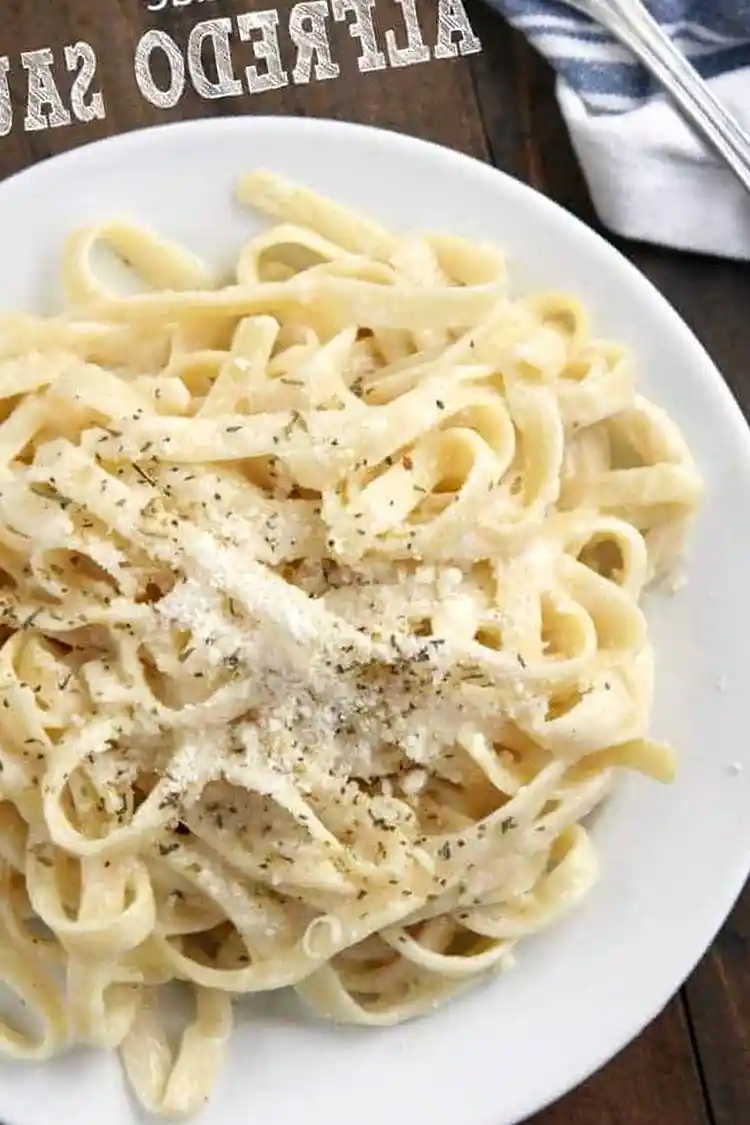
List of ingredients
- 2 Tablespoons unsalted butter – provides a rich flavor base.
- 2 cloves garlic, minced – adds aromatic depth.
- 1 cup heavy cream – ensures a thick and creamy consistency.
- 1 1/2 cups Parmesan cheese, freshly grated – provides saltiness and structure.
- 1/8 teaspoon salt – optional for additional seasoning.
- 1/8 teaspoon black pepper – optional for a subtle spice.
step-by-step instructions
- Sauté the Garlic: Place a medium saucepan over medium heat. Melt the butter, then stir in the minced garlic cloves, cooking for about 1 minute until the garlic is soft and fragrant, stirring constantly to prevent burning.
- Simmer the Cream: Slowly add the heavy cream to the saucepan, whisking continuously until the cream reaches a boil. Reduce the heat and let the mixture simmer for 3 to 5 minutes or until the liquid begins to thicken.
- Incorporate the Cheese: Stir in the freshly grated Parmesan cheese along with the salt and pepper. Continue stirring until the cheese is fully melted and the sauce is smooth and thick.
Essential Equipment for Preparation
Medium Saucepan
A medium saucepan is ideal for this recipe as it provides enough space for the cream to simmer without evaporating too quickly. If you plan to add pasta directly to the sauce, a large skillet may be a better alternative.
Quality Wire Whisk
A whisk is necessary to emulsify the butter and cream properly. It prevents lumps from forming and ensures that the sauce reaches a uniform consistency throughout the cooking process.
Rotary or Box Cheese Grater
A grater is required to process the Parmesan cheese from a block. Using a rotary grater or a standard box grater ensures the cheese is the correct size for quick melting.
Garlic Press
A garlic press allows for very fine mincing of the cloves. This ensures the garlic distributes evenly throughout the sauce and avoids large, pungent pieces in the final dish.
Ingredient Selection and Quality
The Importance of Freshly Grated Parmesan
Always use Parmesan cheese grated from a block rather than pre-shredded options. Pre-shredded cheeses are coated in cellulose or cornstarch to prevent clumping, which prevents the cheese from melting smoothly into the sauce.
Using High-Fat Heavy Cream
Heavy cream is essential for achieving the signature thickness of Alfredo sauce. Lower-fat alternatives like half-and-half or whole milk lack the necessary fat content to thicken naturally during the simmering stage.
Fresh Garlic vs. Powdered Garlic
Fresh garlic cloves provide a more pungent and authentic flavor than garlic powder. Sautéing fresh garlic in butter releases essential oils that create a deeper flavor profile in the finished sauce.
Selecting Unsalted Butter
Unsalted butter is recommended because Parmesan cheese already contains a significant amount of sodium. Using unsalted butter allows you to control the final salt level of the sauce more accurately.
Professional Cooking Techniques
Managing Heat Levels
Maintaining medium heat is critical to prevent the butter from browning and the cream from scorching. High heat can cause the sauce to break, leading to a greasy appearance where the fat separates from the solids.
The Role of Constant Stirring
Stirring the garlic and cream constantly prevents the ingredients from sticking to the bottom of the pan. This ensures even heat distribution and prevents localized overheating which can change the flavor of the milk solids.
Whisking the Cream Properly
Slowly incorporating the cream while whisking helps create a stable emulsion. This process integrates the melted butter into the liquid, resulting in a velvety texture that coats the pasta evenly.
Integrating Cheese Slowly
Adding the Parmesan cheese gradually while stirring prevents the cheese from clumping. This method ensures the cheese melts uniformly into the warm cream for a smooth finish.
Versatile Ways to Serve Alfredo Sauce
Classic Pasta Pairings
Fettuccine is the traditional pairing because its wide surface area holds the thick sauce well. Other excellent choices include linguine, penne, or tortellini for a more substantial meal.
Adding Grilled Proteins
Grilled chicken breast or sautéed shrimp are common additions to this sauce. For a more decadent version, sliced steak or scallops can be placed on top of the plated pasta.
Vegetable Accompaniments
Steamed broccoli, sautéed spinach, or roasted asparagus complement the richness of the sauce. These vegetables can be stirred in at the end or served as a side dish to balance the meal.
Using Sauce as a Pizza Base
This sauce can replace traditional tomato sauce on a pizza. It pairs exceptionally well with mozzarella, ricotta, and toppings like mushrooms or spinach for a white pizza.
Low-Carb Base Alternatives
For a low-carb option, serve the sauce over zoodles (zucchini noodles) or steamed cauliflower florets. These alternatives provide the flavor of the sauce without the carbohydrates found in grain-based pasta.
Incorporating Sauce into Casseroles
Alfredo sauce can be used as a binding agent in pasta bakes or lasagna. Mixing it with cooked pasta and cheese before baking creates a creamy, gratinated crust on top.
Creating a Savory Dip
The sauce can be slightly thickened and served as a warm dip. It pairs well with toasted baguette slices, breadsticks, or vegetable crudités for an appetizer.
Flavor Variations and Customizations
Fresh Herb Infusions
Adding chopped Italian parsley, basil, or oregano can add freshness to the dish. These herbs should be stirred in at the very end to preserve their color and volatile oils.
Adding Citrus Zest
A small amount of fresh lemon zest can brighten the heavy flavors of the cream and cheese. This addition provides a subtle acidity that cuts through the richness of the butter.
Spicy Flavor Twists
Adding a pinch of cayenne pepper or red pepper flakes creates a spicy Alfredo sauce. This variation pairs particularly well with shrimp or blackened chicken.
Adding Sun-Dried Tomatoes
Chopped sun-dried tomatoes add a tangy, concentrated sweetness to the sauce. They provide a visual contrast and a complex flavor profile that complements the Parmesan.
Incorporating Mushrooms and Spinach
Sautéing mushrooms and spinach before adding the cream creates a more complete meal. These ingredients add earthiness and texture to the smooth sauce.
Storage and Preservation
Refrigeration Guidelines
Store any leftover sauce in an airtight glass container in the refrigerator. Ensure the sauce has cooled slightly before sealing to prevent excessive condensation inside the container.
Why Freezing is Not Recommended
Freezing this sauce is not advised because the high fat content causes the emulsion to break. Upon thawing, the sauce often becomes grainy or separates into oil and solids.
Maximum Shelf Life
Homemade Alfredo sauce is best when consumed immediately. However, it can be stored safely in the refrigerator for three to four days.
Reheating Methods for Best Quality
Stovetop Reheating Technique
Reheat the sauce slowly over low heat on the stove. Stirring constantly prevents the cheese from scorching and helps maintain the emulsion.
Microwave Reheating Tips
If using a microwave, heat the sauce in short 20-second intervals. Stir the sauce between each interval to ensure even heating and prevent hot spots.
Using Liquid to Loosen the Sauce
Reheated Alfredo sauce often becomes too thick. Stir in a tablespoon of milk, water, or pasta water to restore the original creamy consistency.
Common Troubleshooting
Fixing a Grainy Texture
Graininess is usually caused by using pre-shredded cheese or overheating the sauce. To fix this, remove the pan from the heat and whisk in a small amount of warm milk.
Thickening a Runny Sauce
If the sauce is too thin, simmer it for an additional two to three minutes. Alternatively, stir in an extra tablespoon of freshly grated Parmesan cheese to increase the viscosity.
Preventing the Sauce from Breaking
A broken sauce appears oily. To prevent this, avoid boiling the sauce once the cheese has been added and keep the temperature low during the final stages.
Adjusting Over-Salted Sauce
If the sauce is too salty due to the Parmesan, add a splash of heavy cream. The additional fat and liquid will help dilute the salt concentration.
Frequently Asked Questions
Can I use milk instead of heavy cream?
You can use whole milk, but the sauce will be significantly thinner. If you use milk, you may need to add a roux of butter and flour to achieve the desired thickness.
Is this sauce gluten-free?
Yes, this recipe is naturally gluten-free as it contains no wheat-based ingredients. Always verify that your Parmesan cheese brand does not use gluten-containing anti-caking agents.
Can I make this dairy-free?
This specific recipe relies on dairy for its structure. To make it dairy-free, you would need to substitute the butter, cream, and cheese with plant-based alternatives like cashew cream.
Why did my sauce separate?
Separation typically occurs when the sauce is overheated or if the cheese was added to a boiling liquid. Maintaining a low simmer after adding the cheese prevents this issue.
What is the best pasta shape for this sauce?
Fettuccine is the standard choice, but any long, flat pasta or tubular pasta like Rigatoni works well to capture the thick sauce.
Print
Creamy Homemade Alfredo Sauce from Scratch
- Total Time: 15 minutes
- Yield: 5 servings 1x
- Diet: Vegetarian
Description
Homemade Alfredo Sauce, how to make alfredo sauce from scratch that is easy and similar to Olive Garden!
Ingredients
- 2 Tablespoons unsalted butter
- 2 cloves garlic (minced)
- 1 cup heavy cream
- 1 1/2 cups Parmesan cheese (freshly grated)
- 1/8 teaspoon salt (optional)
- 1/8 teaspoon black pepper (optional)
Instructions
- Step 1: Place a medium saucepan over medium heat. Melt butter, then stir in minced garlic cloves. Cook about 1 minute or until garlic is soft and fragrant, stirring constantly.
- Step 2: Slowly add the heavy cream to the saucepan, whisk until cream comes to a boil. Reduce heat and simmer about 3-5 minutes or until it starts to thicken.
- Step 3: Stir in Parmesan cheese, salt, and pepper until smooth and thick.
Notes
Use a good quality freshly grated Parmesan cheese to ensure it melts well. Heavy cream is recommended for the best thickness and creaminess.
- Prep Time: 10 minutes
- Cook Time: 5 minutes
- Category: Sauce
- Method: Stovetop
- Cuisine: Italian
Nutrition
- Serving Size: 1/4 cup
- Calories: 324 kcal
- Sugar: 1 g
- Sodium: 558 mg
- Fat: 30 g
- Saturated Fat: 19 g
- Unsaturated Fat: 10 g
- Trans Fat: 1 g
- Carbohydrates: 3 g
- Fiber: 1 g
- Protein: 12 g
- Cholesterol: 98 mg