This refreshing twist on classic zucchini bread incorporates bright citrus notes for a moist and tangy treat. It is an ideal quick bread for spring and summer gatherings or as a bright breakfast option.
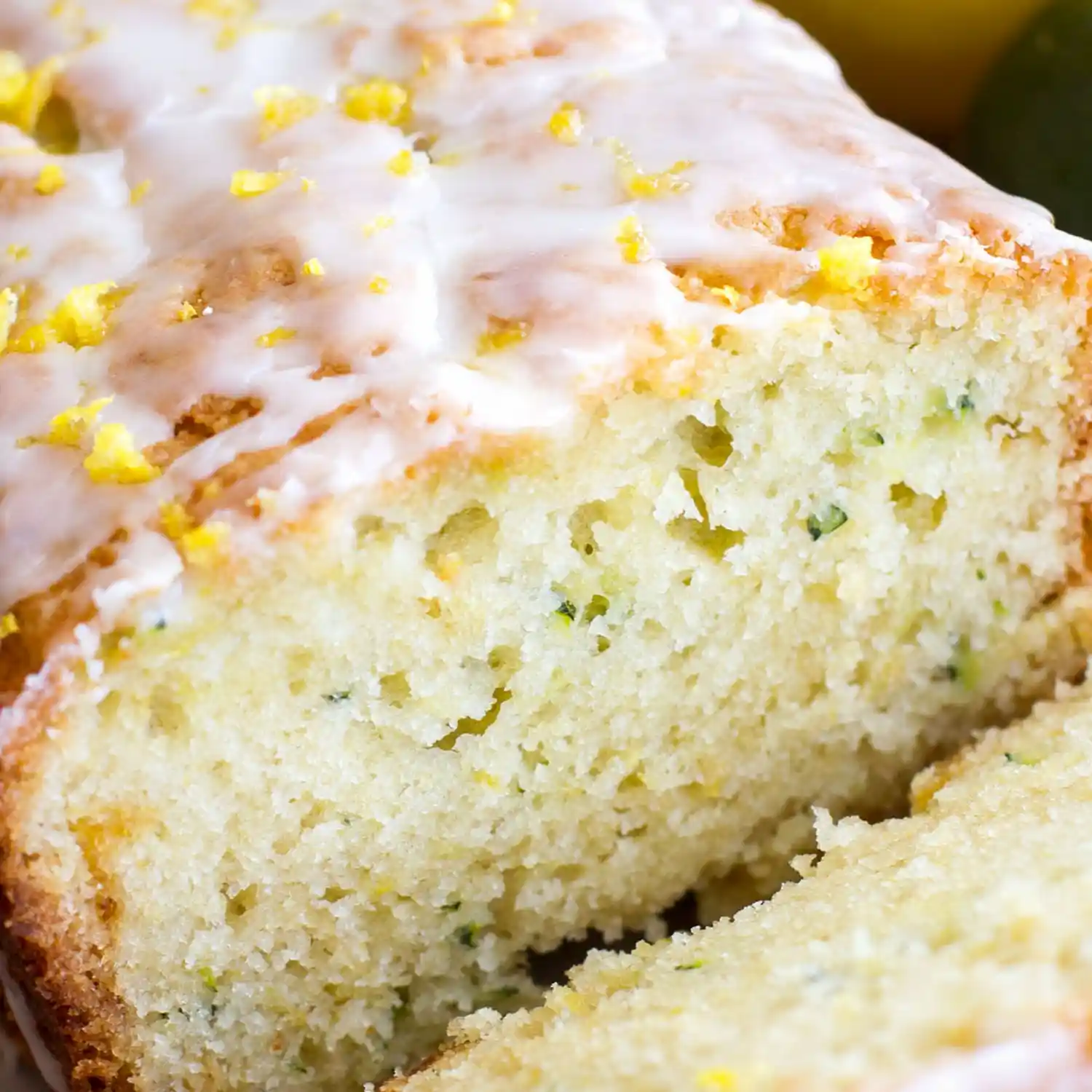
List of ingredients
- 1 cup canola or vegetable oil – provides moisture and a tender crumb.
- 6 oz Greek Yogurt (lemon or vanilla flavor) – adds tanginess and structure.
- 1 Tbsp lemon juice – enhances the citrus flavor.
- 3 eggs – binds the batter together.
- 2 cups sugar – provides sweetness.
- 3 cups all purpose flour – the main structure of the bread.
- 1 tsp baking soda – assists in rising.
- 1/4 tsp baking powder – provides additional lift.
- 2 tsp lemon zest – adds concentrated citrus aroma.
- 1 tsp salt – balances the sweetness.
- 2 cups grated zucchini (about 1 large zucchini) – adds moisture and nutrition.
- 1 tsp vanilla extract – enhances overall flavor.
- 1 cup powdered sugar – for the sweet glaze.
- 1-2 Tbsp lemon juice – for the glaze consistency.
- 2 Tbsp lemon zest – used as a final topping.
step-by-step instructions
- Prepare Oven and Pans: Preheat your oven to 350 degrees Fahrenheit. Coat two 8 1/2″ x 4 1/2″ bread pans with baking spray to prevent sticking.
- Cream Wet Ingredients: In a large mixing bowl, cream together the oil, Greek yogurt, lemon juice, and sugar. Once the mixture is well combined, add the eggs one at a time, beating thoroughly after each addition.
- Combine Dry Ingredients: In a separate bowl, sift together the flour, baking powder, baking soda, and salt. Stir in the lemon zest until evenly distributed.
- Mix Batter: Gradually add the dry ingredients into the wet ingredients. Mix the batter just until the flour is combined to avoid overworking the gluten.
- Fold in Zucchini: Stir in the grated zucchini and vanilla extract until they are evenly distributed throughout the batter.
- Fill Pans: Divide the finished batter evenly between the two prepared bread pans.
- Bake: Bake for 55-60 minutes. The bread is done when a cake tester or toothpick inserted into the center comes out clean.
- Cool: Let the loaves cool in the pans for 10-20 minutes. Remove them from the pans and transfer to a cooling rack.
- Apply Glaze: Whisk together the powdered sugar and 1-2 tablespoons of lemon juice until smooth. Pour the glaze over the cooled bread.
- Add Topping: Sprinkle the remaining lemon zest over the fresh glaze for a finished look.
Practical Baking Tips
Selecting the Right Zucchini
Choose a medium to large zucchini that feels firm to the touch. Avoid zucchini with soft spots or deep bruises, as these can affect the moisture content of the bread. Use a standard box grater for the best texture rather than a food processor.
Using Fresh Citrus Zest
Always zest your lemons before juicing them, as it is much easier to grate the skin of a whole fruit. Use a microplane or a fine grater to avoid getting the bitter white pith. Freshly grated zest provides a far more potent aroma than bottled alternatives.
Temperature of Ingredients
Ensure your eggs and Greek yogurt are at room temperature before mixing. This allows the fats to emulsify more effectively, resulting in a smoother batter and a more uniform crumb. If ingredients are too cold, the batter may separate slightly.
Avoiding Overmixing
Stop stirring as soon as the flour streaks disappear from the batter. Overmixing develops too much gluten, which can lead to a tough or rubbery texture. A few small lumps are acceptable and will disappear during the baking process.
Ingredient Substitutions
Alternative Cooking Oils
While canola or vegetable oil is recommended for a neutral taste, you can use melted coconut oil for a slight coconut hint. Avocado oil is another excellent heart-healthy substitute that maintains the same moisture levels. Avoid using olive oil, as its strong flavor may clash with the lemon.
Greek Yogurt Alternatives
If you do not have Greek yogurt, full-fat sour cream is a suitable replacement due to its similar acidity and thickness. Plain whole-milk yogurt also works well, though the bread may be slightly less dense. Ensure the substitute is thick to maintain the bread’s structure.
Flour Modifications
For a slightly nuttier flavor, you can replace half a cup of all-purpose flour with whole wheat pastry flour. If you require a gluten-free version, use a high-quality 1:1 gluten-free baking blend. Be sure the blend contains xanthan gum to prevent the bread from crumbling.
Sugar Replacements
Granulated white sugar is standard, but coconut sugar can be used for a deeper, caramel-like flavor. Note that coconut sugar will change the color of the bread to a darker brown. Honey or maple syrup can be used, but you will need to reduce other liquid ingredients to compensate.
Flavor Variations
Incorporating Poppy Seeds
Stir in two tablespoons of poppy seeds along with the zucchini. This adds a subtle crunch and a classic visual pairing with lemon. It transforms the bread into something reminiscent of a lemon poppy seed muffin.
Adding Fresh Blueberries
Fold in one cup of fresh blueberries gently at the very end of the mixing process. Toss the berries in a teaspoon of flour first to prevent them from sinking to the bottom of the pan. The burst of berry juice complements the tart lemon glaze.
Adding Toasted Walnuts
Include half a cup of chopped, toasted walnuts for added texture and richness. Toasting the nuts in a dry pan for a few minutes before adding them enhances their earthy flavor. This variation adds a savory contrast to the sweet citrus.
Using Lime instead of Lemon
Replace all lemon juice and zest with lime juice and zest for a different citrus profile. Lime offers a sharper, more tropical tang that pairs exceptionally well with zucchini. The glaze can also be adjusted to a lime glaze for consistency.
Serving and Presentation
Serving Warm with Butter
Slice the bread while it is still slightly warm and serve it with a pat of salted butter. The butter melts into the crumb, adding a rich creaminess that balances the acidity of the lemon. This is ideal for a cozy breakfast.
Pairing with Cream Cheese
Spread a layer of softened cream cheese or a lemon-honey cream cheese blend on each slice. The thickness of the cheese provides a sophisticated contrast to the light, airy texture of the quick bread. This makes the recipe suitable for a brunch platter.
Optimal Slicing Techniques
Use a serrated bread knife to slice the loaves to avoid compressing the moist crumb. Cut slices about half an inch thick for the best balance of flavor and texture. This ensures the glaze remains intact on top of each piece.
Storage and Shelf Life
Room Temperature Storage
Keep the bread in an airtight container or wrap it tightly in plastic wrap at room temperature. It will stay fresh for about 2-3 days. Keep it away from direct sunlight to prevent the glaze from melting or the bread from drying out.
Refrigerated Storage
Store the bread in the refrigerator to extend its shelf life up to one week. Because of the moisture from the zucchini and yogurt, refrigeration prevents spoilage in humid environments. This also keeps the lemon glaze firm and fresh.
Freezing for Longevity
Wrap individual slices or whole loaves in double layers of plastic wrap and aluminum foil. Place them in a freezer-safe bag and freeze for up to three months. Freezing is an excellent way to preserve the bread for future use.
Reheating Methods
Oven Reheating
Preheat your oven to 300 degrees Fahrenheit and place a slice on a baking sheet. Warm for 5-8 minutes until the edges are slightly crisp. This method restores the original texture better than other options.
Microwave Reheating
Place a slice on a microwave-safe plate and heat on medium power for 15-20 seconds. Be careful not to overheat, as the high moisture content can make the bread gummy. This is the fastest method for a quick snack.
Advanced Preparation
Preparing Zucchini in Advance
You can grate the zucchini a day before you plan to bake. Store the grated vegetable in a sealed container in the refrigerator. Do not salt the zucchini beforehand, as this will draw out too much water and ruin the batter consistency.
Baking One Day Prior
This bread actually develops a better flavor if baked a day in advance. Allow the loaves to cool completely and store them overnight before applying the glaze. This ensures the glaze sits perfectly on top without soaking in too quickly.
Troubleshooting Common Issues
Managing Excess Moisture
If your zucchini seems exceptionally watery after grating, lightly pat it with a paper towel. Do not squeeze it too hard, or you will remove the moisture necessary for the bread’s texture. Only remove surface water to prevent a soggy center.
Fixing a Dense Texture
A dense loaf is often the result of expired baking soda or overmixing. Check the date on your leavening agents to ensure they are active. If the bread is consistently too dense, try sifting the flour more thoroughly to incorporate air.
Preventing Burnt Edges
If the edges of your bread brown too quickly while the center remains raw, lower the oven temperature by 25 degrees. You can also tent the pans with aluminum foil for the last 15 minutes of baking. This protects the top while the interior finishes cooking.
Addressing Sinking Centers
A center that sinks during cooling usually indicates that the bread was removed from the oven too early. Ensure the cake tester comes out completely clean from the center. Allow the bread to cool in the pan for at least 10 minutes to set the structure.
Frequently Asked Questions
Can I use a different size pan?
Yes, you can use a single 9×5 inch loaf pan. However, you will need to increase the baking time to approximately 70-80 minutes. Check the center frequently with a toothpick to ensure it is fully baked through.
Should I peel the zucchini?
There is no need to peel the zucchini. The skin is thin, edible, and contains most of the nutrients. It also provides small green flecks that make the bread visually appealing.
Is the glaze optional?
The glaze is optional and can be omitted if you prefer a less sweet bread. However, the glaze adds a necessary hit of acidity that balances the sweetness of the cake. You can also substitute it with a light dusting of powdered sugar.
Can I make this dairy-free?
You can replace the Greek yogurt with an equal amount of unsweetened soy or almond yogurt. Ensure the dairy-free alternative is thick and not runny. The texture will remain very similar to the original recipe.
Print
Zesty Lemon Zucchini Bread
- Total Time: 90 minutes
- Yield: 16 slices 1x
- Diet: General
Description
This easy zucchini bread recipe has a lemon bread twist to it, making it the perfect quick bread for spring and summer! Seriously, lemon zucchini bread is going to be your newest summer dessert obsession!
Ingredients
- 1 cup canola or vegetable oil
- 6 oz Greek Yogurt, lemon or vanilla
- 1 Tbsp lemon juice
- 3 eggs
- 2 cups sugar
- 3 cups all purpose flour
- 1 tsp baking soda
- 1/4 tsp baking powder
- 2 tsp lemon zest
- 1 tsp salt
- 2 cups grated zucchini, about 1 large zucchini
- 1 tsp vanilla extract
- 1 cup powdered sugar
- 1–2 Tbsp lemon juice
- 2 Tbsp lemon zest
Instructions
- Preheat: Preheat oven to 350 degrees and coat two 8 1/2″ x 4 1/2″ bread pans with baking spray.
- Cream: In a large bowl, cream together oil, Greek yogurt, lemon juice and sugar. Once combined, add in eggs, one at a time, beating well after each addition.
- Dry Ingredients: In a separate bowl, sift together flour, baking powder, baking soda, salt. Add in lemon zest, and stir together.
- Combine: Add dry ingredients into wet ingredients, and mix just until combined.
- Fold: Add in zucchini and vanilla extract, and stir.
- Divide: Once combined, divide batter evenly between the two bread pans.
- Bake: Bake for 55-60 minutes, or until a cake tester comes out clean.
- Cool: Allow to cool at least 10-20 minutes before removing from the pan and placing on a cooling rack.
- Glaze: Mix lemon juice and powdered sugar together until well combined and pour over the bread.
- Top: Sprinkle zest over the top of the glaze.
Notes
The zucchini does not need to be peeled before grating. Use fresh lemon juice for the best flavor results.
- Prep Time: 30 minutes
- Cook Time: 60 minutes
- Category: Dessert
- Method: Baking
- Cuisine: American
Nutrition
- Serving Size: 1 slice
- Calories: 340 kcal
- Sugar: 32 g
- Sodium: 280 mg
- Fat: 15 g
- Saturated Fat: 2 g
- Unsaturated Fat: 13 g
- Trans Fat: 0 g
- Carbohydrates: 42 g
- Fiber: 2 g
- Protein: 5 g
- Cholesterol: 45 mg