Creating a restaurant-quality Alfredo sauce in your own kitchen requires only five pantry staples and twelve minutes of your time. This rich, velvety emulsion coats your favorite pasta noodles perfectly, providing a comforting experience that far exceeds any store-bought alternative. By mastering the gentle balance of heat and cheese, you can elevate simple family dinners into indulgent culinary moments.
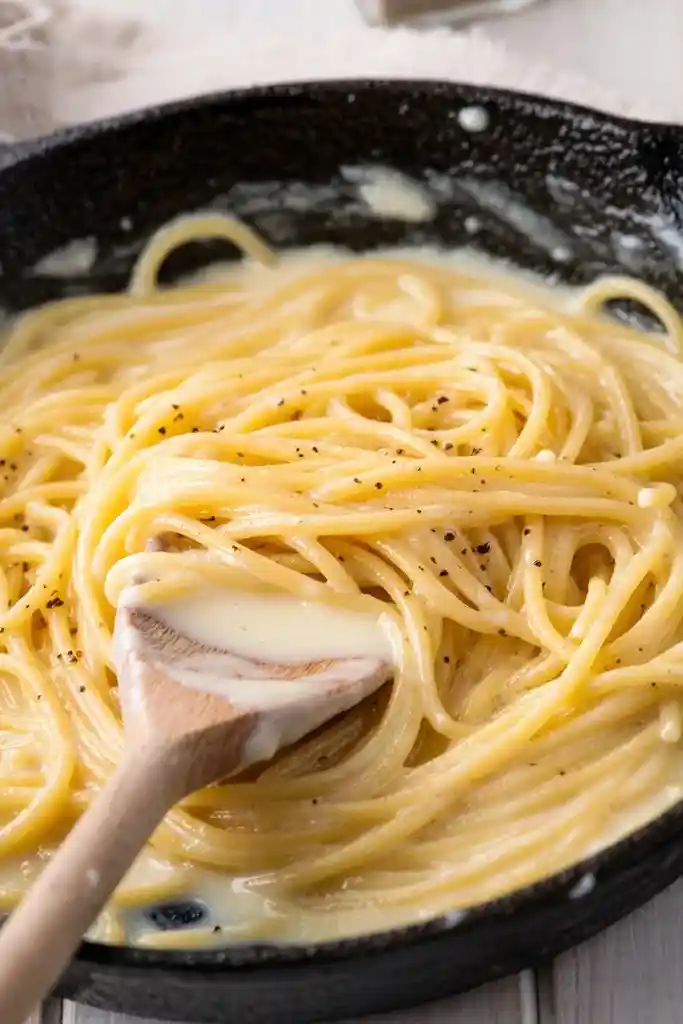
List of ingredients
- 1/2 cup unsalted butter
- 3 cloves garlic minced
- 1 cup heavy cream
- 1 cup freshly grated Parmesan cheese
- Salt and pepper to taste
step-by-step instructions
- Step: Melt butter in a saucepan over low heat.
- Step: Sauté garlic 1 minute.
- Step: Stir in heavy cream until smooth.
- Step: Add Parmesan gradually until creamy.
- Step: Season with salt and pepper and serve.
Refining Your Technique
Achieving The Perfect Emulsion
The secret to a truly professional Alfredo lies in controlling the heat throughout the melting process. If the temperature is too high, the fat will separate from the milk solids, resulting in an oily, broken sauce. Keep the stove on the lowest setting and move the pan off the burner periodically if you notice the mixture bubbling too aggressively during the cheese addition.
Selecting Your Cheese Variety
While Parmesan is the traditional choice, ensure it is authentic, aged Parmesan-Reggiano for the most complex flavor profile. If you desire a sharper, saltier kick, you can substitute up to one-fourth of the Parmesan with Pecorino Romano. Always grate the cheese directly from the block using a fine rasp grater to maximize the surface area, which facilitates a faster and smoother melting process.
Substitutions and Flavor Enhancements
Lightening The Base
If you prefer a slightly lighter sauce that retains its creamy mouthfeel, you may replace half of the heavy cream with half-and-half. Avoid using standard whole milk as it lacks the fat required to thicken the sauce adequately through reduction. If the sauce feels too thin, allow it to simmer for an additional two minutes on low heat to reduce the liquid content naturally.
Adding Aromatic Complexity
For those who enjoy a more layered flavor profile, consider whisking in a pinch of freshly grated nutmeg at the very end. The slight sweetness of the nutmeg complements the savory garlic and nutty Parmesan beautifully. You may also infuse the butter with fresh herbs like parsley or chives, adding them just before serving to maintain their vibrant color and fresh aroma.
Serving Suggestions
Pairing With Pasta
Fettuccine remains the quintessential partner for this sauce due to its wide, flat surface area which traps the cream perfectly. However, this sauce works exceptionally well with shorter pasta shapes like penne, rigatoni, or farfalle, which are capable of holding the sauce inside their ridges or crevices. Always finish by tossing the cooked pasta directly into the sauce pan for thirty seconds to ensure even distribution.
Protein and Vegetable Additions
Transform your pasta into a complete meal by incorporating proteins such as pan-seared chicken breast strips or sautéed shrimp seasoned with lemon zest. To introduce more texture and color, consider adding blanched broccoli florets, roasted asparagus, or wilted baby spinach. These additions should be tossed into the sauce just before serving to ensure they are properly coated and heated through.
Troubleshooting Common Issues
Correcting A Grainy Texture
A grainy or clumpy sauce almost always results from using pre-grated or lower-quality cheese. If your sauce appears grainy, try whisking it vigorously over the lowest possible heat with a splash of warm heavy cream to loosen the solids. In the future, always prioritize grating your own cheese to ensure the stabilizers in pre-packaged varieties do not interfere with your sauce chemistry.
Adjusting Sauce Consistency
If the sauce is too thick to coat your pasta smoothly, use a small ladle of the starchy pasta cooking water. The starch acts as a natural binding agent that smooths out the emulsion while adjusting the thickness to your exact preference. Conversely, if it is too thin, stir in an extra handful of grated Parmesan and wait for the residual heat to thicken it up.
Practical Storage and Reheating
Proper Refrigeration
If you have leftover sauce, allow it to cool to room temperature before transferring it to an airtight container. It can be stored safely in the refrigerator for up to three days. Please be aware that the sauce will thicken significantly as it chills, which is entirely normal for a high-fat dairy emulsion.
Gently Warming Leftovers
To reheat, place the sauce in a small saucepan over low heat and add one or two tablespoons of milk or cream to restore its original silky texture. Stir frequently to ensure even heating and avoid high heat, which will cause the sauce to separate or curdle. Do not attempt to boil the sauce when reheating, as this will lead to a broken, oily mess that cannot be restored.
Common Kitchen Questions
Can I prepare the base ahead of time?
While this sauce is best served immediately, you can prepare the butter and garlic base earlier in the day. Simply keep the garlic-infused butter at room temperature, then proceed with adding the cream and cheese immediately before your meal. This reduces the total cooking time significantly while ensuring the final result remains fresh and smooth.
Does this recipe work well for large gatherings?
This recipe can be easily scaled up to accommodate larger groups. When doubling or tripling the batch, use a wider, shallow saucepan to provide more surface area for evaporation. This helps the sauce thicken at the correct rate even when dealing with larger volumes of liquid and cheese.
Why should I use pasta water?
Pasta water is rich in dissolved starch, which acts as an emulsifier that helps the sauce cling to the noodles. Using a small amount of this water turns your sauce from a topping into a cohesive part of the dish. It is the secret tool professional chefs use to achieve that perfect glossy finish on every single noodle.
Is it possible to freeze the leftover sauce?
Freezing is not recommended because the emulsion of cream and Parmesan relies on precise structural integrity. When frozen and thawed, the dairy proteins will almost certainly separate, resulting in a watery, gritty texture that cannot be reconstituted into a smooth sauce. It is always better to prepare only what you intend to consume within a few days.
Print
Velvety Homemade Creamy Alfredo Sauce
- Total Time: 12 minutes
- Yield: 4 servings 1x
- Diet: Vegetarian
Description
Silky, rich, and unbelievably easy — this classic Creamy Alfredo Sauce comes together in minutes with butter, garlic, heavy cream, and freshly grated Parmesan. Perfect for pasta night, chicken dishes, or drizzling over veggies.
Ingredients
- 1/2 cup unsalted butter
- 3 cloves garlic minced
- 1 cup heavy cream
- 1 cup freshly grated Parmesan cheese
- Salt and pepper to taste
Instructions
- Step: Melt butter in a saucepan over low heat.
- Step: Sauté garlic 1 minute.
- Step: Stir in heavy cream until smooth.
- Step: Add Parmesan gradually until creamy.
- Step: Season with salt and pepper and serve.
Notes
Use freshly grated Parmesan for the best melting texture. If the sauce becomes too thick, add a splash of cream or warm water. If it is too thin, simmer for an additional minute or add a bit more cheese.
- Prep Time: 5 minutes
- Cook Time: 7 minutes
- Category: Sauce
- Method: Stovetop
- Cuisine: Italian-inspired
Nutrition
- Serving Size: 1/4 of recipe
- Calories: 320 kcal
- Sugar: 1 g
- Sodium: 350 mg
- Fat: 30 g
- Saturated Fat: 18 g
- Unsaturated Fat: 10 g
- Trans Fat: 0 g
- Carbohydrates: 4 g
- Fiber: 0 g
- Protein: 8 g
- Cholesterol: 95 mg