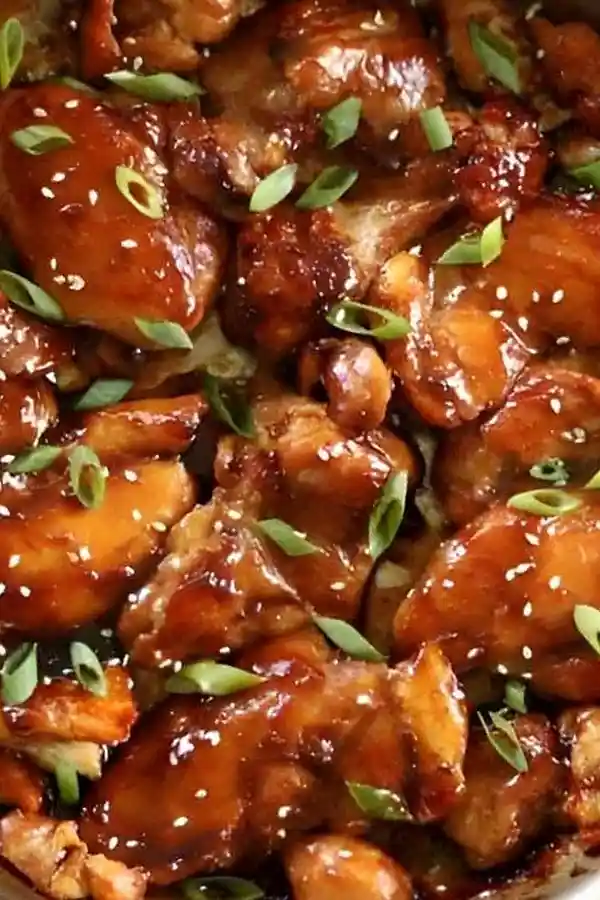
This recipe creates a savory and sweet chicken dish using a simple marinade that transforms into a glossy glaze. It is an efficient weeknight meal that delivers bold, concentrated flavors with minimal preparation.
List of ingredients
- 1/4 cup brown sugar – provides sweetness and helps the glaze thicken.
- 3 Tbsp soy sauce – adds saltiness and deep umami flavor.
- 2 garlic cloves, minced – adds a pungent, aromatic base.
- 1 Tbsp fresh ginger, grated – provides a warm, spicy kick.
- Black pepper, freshly cracked – adds subtle heat (approximately 15 cranks of a pepper mill).
- 1 Tbsp cooking oil – used in the marinade to emulsify flavors.
- 8 boneless, skinless chicken thighs (about 1.75 lbs total) – the preferred cut for juiciness and tenderness.
- 1/2 Tbsp cooking oil – used for searing the chicken in the skillet.
- 2 green onions, sliced – used for a fresh, sharp garnish.
- 1 tsp sesame seeds – adds a nutty finish and visual appeal.
step-by-step instructions
- Prepare the marinade: Mince the garlic and grate the ginger using a fine-holed cheese grater or a box grater. In a small bowl, stir together the brown sugar, soy sauce, garlic, ginger, freshly cracked pepper, and 1 tablespoon of cooking oil until the sugar is mostly dissolved.
- Marinate the chicken: Place the chicken thighs in a shallow dish or a gallon-sized zip-lock bag. Pour the prepared marinade over the chicken and turn the pieces to ensure they are fully coated. Cover the container or seal the bag and refrigerate for at least 30 minutes, or up to 24 hours for deeper flavor penetration.
- Heat the skillet: Place a large skillet over medium heat. Once the pan is hot, add 1/2 tablespoon of cooking oil and swirl it to coat the entire bottom surface of the skillet.
- Sear the chicken: Add half of the chicken pieces to the pan. Cook until they are well-browned on both sides and have reached an internal temperature of 165°F. Remove the cooked chicken to a clean plate and repeat the process with the second batch.
- Reduce the glaze: Pour the remaining marinade from the dish or bag into the hot skillet. Bring the liquid to a boil, whisking constantly to dissolve any browned bits of chicken left in the pan. Continue boiling until the liquid reduces into a thick, syrupy glaze.
- Coat and garnish: Turn off the heat. Return the cooked chicken pieces to the skillet and dredge them in the thick glaze until fully coated. Garnish the dish with sliced green onions and sesame seeds before serving.
Optimizing the Cooking Process
Maintaining Medium Heat
Using medium heat is critical because the marinade contains a significant amount of brown sugar. If the heat is too high, the sugars will caramelize too quickly and burn, resulting in a bitter taste before the chicken is cooked through. Medium heat allows the chicken to brown evenly while keeping the sugars stable.
The Logic of Batch Cooking
Cooking the chicken in two separate batches prevents overcrowding the skillet. When too many pieces of meat are added at once, the temperature of the pan drops, and the chicken releases moisture that steams the meat instead of searing it. Searing in batches ensures a deep brown crust and a better texture.
Reducing the Marinade Safely
Boiling the leftover marinade is a necessary safety step to eliminate any bacteria from the raw chicken. According to food safety guidelines, bringing the liquid to a full boil thoroughly cooks the marinade. This process also concentrates the flavors and creates the sticky consistency required for a glaze.
Ingredient Substitutions and Adjustments
Using Chicken Breasts
While thighs are recommended for their fat content and moisture, chicken breasts can be used. To prevent them from drying out, cut the breasts into smaller, even pieces or pound them to a uniform thickness. This ensures they cook quickly and maintain a higher surface-area-to-volume ratio for the glaze to adhere to.
Alternative Sweeteners
If brown sugar is unavailable, honey or maple syrup can be substituted in equal parts. Honey will result in a thicker, stickier glaze, while maple syrup adds a distinct woody sweetness. Adjust the boiling time slightly, as honey reduces faster than granulated sugar.
Soy Sauce Alternatives
For those avoiding soy, coconut aminos provide a similar salty and sweet profile with a slightly lower sodium content. Tamari is another option for a gluten-free alternative that maintains the deep color and savory taste of traditional soy sauce.
Increasing Sauce Volume
If you prefer a saucier dish for serving over rice, double or triple the marinade ingredients. Use half of the batch for the marinating process and keep the other half separate. Reduce the separate portion in a saucepan to create a large volume of glaze to drizzle over the final plating.
Recommended Side Dishes
Rice Pairings
Coconut jasmine rice is an ideal accompaniment because the creaminess of the coconut milk balances the saltiness of the soy glaze. Plain steamed basmati or brown rice also works well to soak up the extra sauce. For added texture, consider a wild rice blend.
Fresh Vegetable Sides
A cold, tangy salad, such as a cucumber and mango salad, provides a refreshing contrast to the heavy glaze. Alternatively, steamed bok choy or sautéed snap peas offer a crisp texture and nutritional balance. These vegetables can be cooked in the same skillet before the chicken to save on cleanup.
Noodle Options
Garlic noodles or sesame noodles provide a hearty base for the glazed chicken. Toss the noodles in a small amount of sesame oil and minced garlic before serving. This complements the ginger and soy profiles of the main protein.
Cooking Method Variations
Grilling the Chicken
For a smokier flavor, the marinated chicken can be cooked on an outdoor grill over medium-high heat. Grill the thighs until they are charred and cooked through. Since the glaze cannot be reduced on the grill grates, reduce the marinade in a separate saucepan on the stove and brush it onto the chicken during the last few minutes of grilling.
Oven Roasting Approach
The chicken can be baked at 400°F (200°C) on a parchment-lined baking sheet. Roast for 15-20 minutes, turning halfway through. While the chicken roasts, simmer the marinade in a pan to create the glaze, then toss the roasted chicken in the sauce before serving.
Storage and Reheating
Refrigeration Guidelines
Store leftover glazed chicken in an airtight container in the refrigerator. It will remain fresh and safe to eat for 3 to 4 days. Ensure the chicken is completely cooled before sealing the container to prevent excess moisture from forming, which can dilute the glaze.
Freezing Instructions
Cooked glazed chicken can be frozen for up to 3 months. Wrap the chicken tightly in plastic wrap or aluminum foil before placing it in a heavy-duty freezer bag. This double-layering prevents freezer burn and preserves the flavor of the ginger and garlic.
Proper Thawing Process
To maintain the texture of the meat, thaw frozen chicken slowly in the refrigerator overnight. Avoid thawing at room temperature to minimize the risk of bacterial growth. Once thawed, the chicken can be reheated using the methods described below.
Microwave Reheating
Place the chicken in a microwave-safe dish and cover it with a damp paper towel to retain moisture. Heat in short intervals of 30 to 60 seconds, stirring occasionally. This prevents the edges from becoming tough or rubbery.
Stovetop Reheating
For the best results, reheat the chicken in a skillet over low to medium heat. Add a splash of water or a teaspoon of soy sauce to the pan to loosen the glaze. Cover the pan for a few minutes to steam the chicken through without burning the sugars.
Troubleshooting Common Issues
What to do if the sauce burns
If the glaze burns and becomes dark brown or black with a bitter taste, it cannot be saved. You must discard the burnt sauce and start the reduction process again with a fresh batch of marinade. To prevent this, keep the heat at medium and whisk constantly during the boiling phase.
Solving a thin or watery glaze
If the glaze does not thicken sufficiently, continue simmering it over medium heat for a few more minutes. The liquid must reach a point where the bubbles become larger and slower, indicating that the water has evaporated and the sugars have concentrated. Do not add cornstarch unless you prefer a very thick, translucent sauce.
Managing excessive saltiness
If the final glaze tastes too salty, balance the flavor by adding a teaspoon of brown sugar or a squeeze of fresh lime juice. The acidity of the lime or the sweetness of the sugar will neutralize the intensity of the soy sauce without altering the core flavor profile.
Frequently Asked Questions
Is it safe to boil the marinade?
Yes, as long as the marinade reaches a full, rolling boil, it is safe to use as a glaze. The high temperature kills any bacteria introduced by the raw chicken during the marinating process.
Can I use powdered ginger instead of fresh?
You can use ground ginger, but the flavor is more concentrated and less bright than fresh ginger. Use 1/4 teaspoon of ground ginger for every 1 tablespoon of fresh grated ginger to avoid an overpowering taste.
How should I store leftover sauce?
If you made extra glaze and did not use it on the chicken, store it in a glass jar in the refrigerator for up to one week. It can be used as a stir-fry sauce for vegetables or a glaze for salmon and tofu.
Why is my chicken not browning?
Lack of browning usually occurs because the pan was not hot enough or the pan was overcrowded. Ensure the oil is shimmering before adding the meat and cook in small batches to maintain a high surface temperature.
Do I need to peel the ginger first?
You can peel ginger using the edge of a spoon to scrape away the skin, but if you are using a fine grater, the skin is thin enough to be omitted or grated along with the root. The flavor difference is negligible.
Print
Sticky Ginger Soy Glazed Chicken
- Total Time: 60 minutes
- Yield: 8 servings 1x
- Diet: General
Description
This easy Sticky Ginger Soy Glazed Chicken features a simple marinade that turns into a sticky and delicious glaze once cooked.
Ingredients
- 1/4 cup brown sugar
- 3 Tbsp soy sauce
- 2 garlic cloves, minced
- 1 Tbsp fresh ginger, grated
- black pepper, freshly cracked
- 1 Tbsp cooking oil
- 8 boneless, skinless chicken thighs (about 1.75 lbs total)
- 1/2 Tbsp cooking oil
- 2 green onions, sliced
- 1 tsp sesame seeds
Instructions
- Step: Mince the garlic and grate the ginger using a fine holed cheese grater or box grater. In a small bowl stir together the brown sugar, soy sauce, garlic, ginger, some freshly cracked pepper (about 15 cranks of a pepper mill), and cooking oil.
- Step: Place the chicken thighs in a shallow dish or a gallon size zip lock bag. Pour the marinade over the chicken and turn to coat. Cover the chicken and marinate for at least 30 minutes or up to a day (refrigerated).
- Step: When ready to cook the chicken, heat a large skillet over medium flame. Once hot, add 1/2 Tbsp cooking oil and swirl to coat the bottom of the skillet.
- Step: Add half of the chicken pieces and let cook until well browned on each side and cooked through. Remove the cooked chicken to a clean plate, then repeat with the second batch.
- Step: Once all the chicken has been removed from the skillet, pour the leftover marinade into the skillet and allow it to come up to a boil. Whisk the marinade as it boils to dissolve any browned bits from the skillet. Let it continue to boil until it reduces to a thick glaze.
- Step: Turn the heat off, add the cooked chicken back to the skillet, and dredge it in the thick glaze. Garnish with sliced green onions and sesame seeds if desired.
Notes
It is safe to cook used marinades as long as they come to a full boil. Leftovers can be stored in an airtight container in the fridge for up to 3-4 days or in the freezer for up to 3 months.
- Prep Time: 40 minutes
- Cook Time: 20 minutes
- Category: Main Course
- Method: Pan-Searing
- Cuisine: Asian-American
Nutrition
- Serving Size: 1 serving
- Calories: 192 kcal
- Sugar: 6 g
- Sodium: 480 mg
- Fat: 7 g
- Saturated Fat: 2 g
- Unsaturated Fat: 5 g
- Trans Fat: 0 g
- Carbohydrates: 8 g
- Fiber: 0.2 g
- Protein: 23 g
- Cholesterol: 75 mg