This slow cooker ravioli lasagna provides a rich, layered meal with minimal active preparation time. It is an efficient way to achieve classic Italian flavors without the effort of boiling noodles or assembling traditional lasagna sheets.
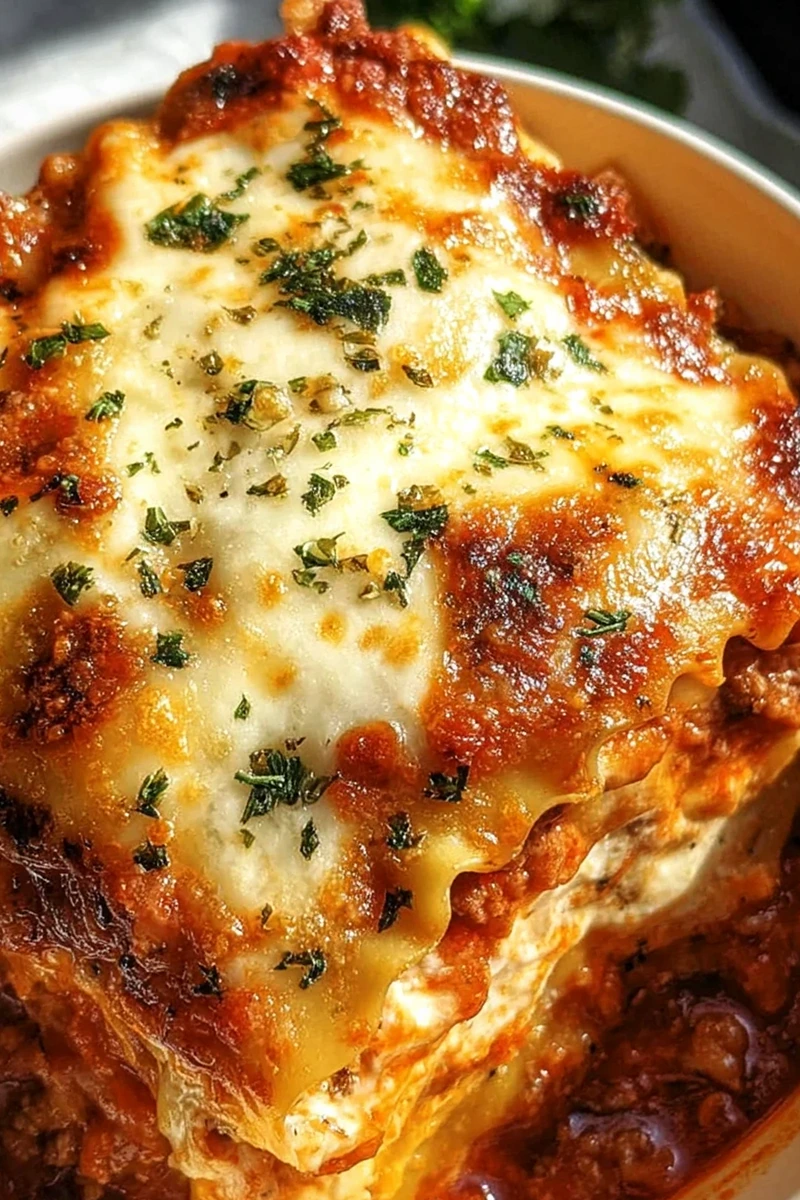
List of ingredients
- 1 pound ground beef – use 80/20 for flavor or 90/10 to reduce grease.
- 1 can (24 oz) pasta sauce – a smooth marinara or garlic-herb variety works best.
- 1 package (25 oz) frozen cheese ravioli – keep frozen until the moment of assembly to prevent overcooking.
- 1 cup shredded mozzarella cheese – provides the characteristic stretch and melt.
- 1 cup shredded cheddar cheese – adds a sharper, deeper flavor profile.
- 1/4 cup grated Parmesan cheese – adds a salty, nutty finish to the top layer.
- 1/2 teaspoon garlic powder – enhances the savory depth of the meat sauce.
- 1/2 teaspoon Italian seasoning – a blend of dried oregano, basil, and thyme.
step-by-step instructions
- Brown the Beef: Cook ground beef in a skillet over medium heat until fully browned. Drain any excess fat to ensure the final dish is not greasy.
- Simmer the Sauce: Stir the pasta sauce, garlic powder, and Italian seasoning into the browned beef. Simmer on low for 5 minutes to allow the flavors to integrate.
- Prepare the Base: Grease the interior of the slow cooker with cooking spray or oil. Spread a thin layer of the meat sauce on the bottom to prevent the ravioli from sticking.
- First Ravioli Layer: Place half of the frozen cheese ravioli evenly across the bottom layer of meat sauce.
- Middle Layering: Spread half of the remaining meat sauce over the ravioli. Sprinkle half of the mozzarella and half of the cheddar cheese over the sauce.
- Final Assembly: Repeat the layers with the remaining ravioli and meat sauce. Finish by topping the entire dish with the remaining mozzarella, cheddar, and all the Parmesan cheese.
- Slow Cook: Cover the slow cooker and cook on the low setting for 4 to 5 hours. The meal is done when the cheese is melted and the ravioli are heated through.
Technical Tips for Better Texture
Brown the Beef Thoroughly
Properly browning the ground beef is essential for developing the Maillard reaction, which creates deep savory notes. Avoid overcrowding the pan so the meat sears rather than steams. Drain the fat completely to prevent an oily layer from forming on top of the lasagna.
Stick to Frozen Ravioli
Using frozen ravioli instead of fresh or thawed pasta is a critical step for slow cooker success. Frozen pasta releases moisture more slowly and maintains its structural integrity over several hours. Fresh ravioli often break down and become mushy when subjected to long cooking times.
Manage Sauce Consistency
Avoid adding extra water or broth to the sauce, as the frozen ravioli will release their own moisture during the cooking process. If your pasta sauce is very thin, simmer it for an extra few minutes in the skillet. This ensures the final result is thick and sliceable rather than soupy.
Allow the Dish to Rest
Let the lasagna sit for 10 to 15 minutes after turning off the heat before serving. This resting period allows the proteins and starches to set, making it easier to scoop or slice. Serving immediately often leads to the layers sliding apart on the plate.
Ingredient Substitutions and Customizations
Adding Vegetable Components
To increase the nutritional value, add finely diced carrots, celery, or onions to the beef while browning. Sautéed mushrooms or spinach can also be layered between the ravioli for added texture. Ensure vegetables are pre-cooked to remove excess water before adding them to the crockpot.
Alternative Protein Options
Ground turkey or lean ground chicken can replace beef for a lighter version of the dish. If you prefer a meatless option, swap the beef for a mixture of sautéed mushrooms and crumbled firm tofu. Adjust the seasoning slightly to account for the different flavor profiles of these proteins.
Variations in Cheese Selection
While mozzarella and cheddar are standard, you can use provolone or monterey jack for a different melt. A layer of ricotta cheese can be dolloped between the ravioli for a more authentic lasagna feel. Use a high-quality aged Parmesan for the top layer to create a crispier, saltier crust.
Sauce Flavor Enhancements
If you prefer a spicier meal, use a sauce with added crushed red pepper or add a teaspoon of red pepper flakes to the beef. For a sweeter profile, a pinch of sugar or a tablespoon of tomato paste can deepen the richness of the marinara. Freshly minced garlic added during the browning phase provides a sharper taste than powder.
Recommended Serving Ideas
Pairing with Garlic Bread
Toasted garlic bread provides a necessary crunch that contrasts with the soft texture of the ravioli. Slice a baguette, spread with garlic butter, and broil until golden brown. This serves as an excellent tool for cleaning up any remaining sauce on the plate.
Balancing with Fresh Salads
A crisp green salad with a light vinaigrette helps cut through the richness of the cheeses and beef. Use mixed greens, cherry tomatoes, and cucumber for a refreshing side. Avoid creamy dressings, as they may clash with the heavy nature of the lasagna.
Serving with Steamed Greens
Steamed broccoli or sautéed green beans add a bright color and a healthy element to the meal. Lightly season them with lemon juice and salt to provide a zesty contrast to the savory meat sauce. These vegetables help balance the overall caloric density of the dinner.
Italian Starter Options
Serve an antipasto platter of olives, marinated artichokes, and microbial-rennet cheeses before the main course. Toasted bruschetta topped with diced tomatoes and basil is another great way to start the meal. These starters prepare the palate for the heavy flavors of the slow cooker dish.
Storage and Reheating Guide
Refrigeration Method
Transfer leftovers into an airtight glass or plastic container once they have cooled to room temperature. Store them in the main part of the refrigerator, avoiding the door where temperatures fluctuate. The lasagna will remain fresh and safe to eat for up to 3 days.
Freezing for Long Term
This dish freezes well if stored in a freezer-safe container or wrapped tightly in heavy-duty foil. Ensure there is a layer of parchment paper between the lasagna and the wrap to prevent sticking. It can be stored in the freezer for up to 3 months without losing quality.
Reheating in the Oven
For the best results, reheat portions in the oven at 350°F (175°C). Cover the dish with aluminum foil to prevent the cheese from burning while the center heats through. This method usually takes about 30 minutes and maintains the original texture.
Microwave Reheating Instructions
Place a slice of lasagna on a microwave-safe plate and cover it with a damp paper towel. Heat on medium power in 1-minute intervals, stirring or checking the center. This is the fastest method, though the cheese may not be as bubbly as the oven method.
Stovetop Reheating Option
Place the lasagna in a skillet over low heat with a splash of water or extra sauce. Cover the pan with a lid to trap the steam, which helps reheat the ravioli evenly. This is a good option for smaller portions that need to be warmed quickly.
Troubleshooting Common Issues
Dealing with Watery Lasagna
If the dish is too liquid, it is often due to using thawed ravioli or a sauce with too much water content. You can fix this by simmering the sauce longer before adding it to the pot. If the finished dish is watery, carefully spoon out some of the excess liquid before serving.
Preventing Overcooked Pasta
Pasta that becomes too soft usually results from cooking on the ‘High’ setting for too long. Always stick to the ‘Low’ setting to ensure the ravioli heat through without disintegrating. Check the tenderness of the ravioli at the 4-hour mark to avoid overcooking.
Fixing Bland Flavor
If the dish tastes flat, it may be due to a lack of salt or acidity. Stir in a teaspoon of balsamic vinegar or a squeeze of lemon juice into the sauce before cooking. You can also sprinkle a bit more Parmesan cheese on top after cooking to boost the saltiness.
Solving Uneven Cheese Melting
Uneven melting often happens if the slow cooker lid is lifted too frequently, letting heat escape. Keep the lid closed as much as possible during the 4-5 hour window. If the top cheese isn’t browned enough, you can transfer the pot to a broiler for 2-3 minutes.
Frequently Asked Questions
Can I use different types of ravioli?
Yes, you can use spinach and ricotta or mushroom ravioli instead of plain cheese. Just ensure they are the frozen variety to maintain the correct texture. Avoid using jumbo ravioli as they may not cook evenly throughout the layers.
Can I cook this on the high setting?
Cooking on high is possible, but it typically reduces the time to 2-3 hours and increases the risk of the pasta becoming mushy. The low setting is highly recommended for the best consistency and flavor melding.
What are the best frozen ravioli brands?
Look for brands that use a sturdy pasta shell and a dense filling. Store-brand frozen ravioli usually work well, provided they are not pre-cooked to a very soft state. Check the ingredient list to ensure they are standard cheese-filled pastas.
Can this be made without beef?
Yes, you can substitute the beef with brown lentils or a plant-based meat alternative. Simply follow the same browning process with the substitute. You may need to add an extra pinch of salt to the sauce to compensate for the lack of beef flavor.
Print
Slow Cooker Ravioli Lasagna
- Total Time: 5 hours 15 minutes
- Yield: 8 servings 1x
- Diet: General
Description
Crockpot Ravioli Lasagna is the perfect fusion of classic lasagna flavors and the ease of slow cooking, making it an ideal choice for busy families or anyone seeking comfort food.
Ingredients
- 1 pound ground beef
- 1 can (24 oz) pasta sauce
- 1 package (25 oz) frozen cheese ravioli
- 1 cup shredded mozzarella cheese
- 1 cup shredded cheddar cheese
- 1/4 cup grated Parmesan cheese
- 1/2 teaspoon garlic powder
- 1/2 teaspoon Italian seasoning
Instructions
- Step 1: In a skillet over medium heat, brown the ground beef; drain excess fat.
- Step 2: Stir in pasta sauce, garlic powder, and Italian seasoning; simmer for 5 minutes.
- Step 3: In a greased slow cooker, layer meat sauce on the bottom.
- Step 4: Add half of the frozen ravioli evenly on top.
- Step 5: Layer half of the remaining meat sauce and half of each cheese type.
- Step 6: Repeat layers with remaining ingredients, finishing with a generous layer of cheese.
- Step 7: Cover and cook on low for 4-5 hours until heated through and cheeses are melted.
Notes
Allow the lasagna to sit for 10 minutes after cooking to help it set for easier serving.
- Prep Time: 15 minutes
- Cook Time: 5 hours
- Category: Main
- Method: Slow Cooking
- Cuisine: Italian-American
Nutrition
- Serving Size: 1 slice (approximately 250g)
- Calories: 420 kcal
- Sugar: 6 g
- Sodium: 780 mg
- Fat: 22 g
- Saturated Fat: 10 g
- Unsaturated Fat: 10 g
- Trans Fat: 0 g
- Carbohydrates: 36 g
- Fiber: 3 g
- Protein: 20 g
- Cholesterol: 70 mg