Preparing a classic lasagne in a slow cooker transforms the cooking process, resulting in incredibly tender meat and perfectly hydrated, soft pasta layers. This method allows the flavors to meld slowly over several hours, creating a rich and comforting meal ideal for busy weeknights or relaxed family gatherings. You can either assemble the sauces from scratch for a personalized flavor profile or utilize high-quality store-bought jars for a streamlined preparation.
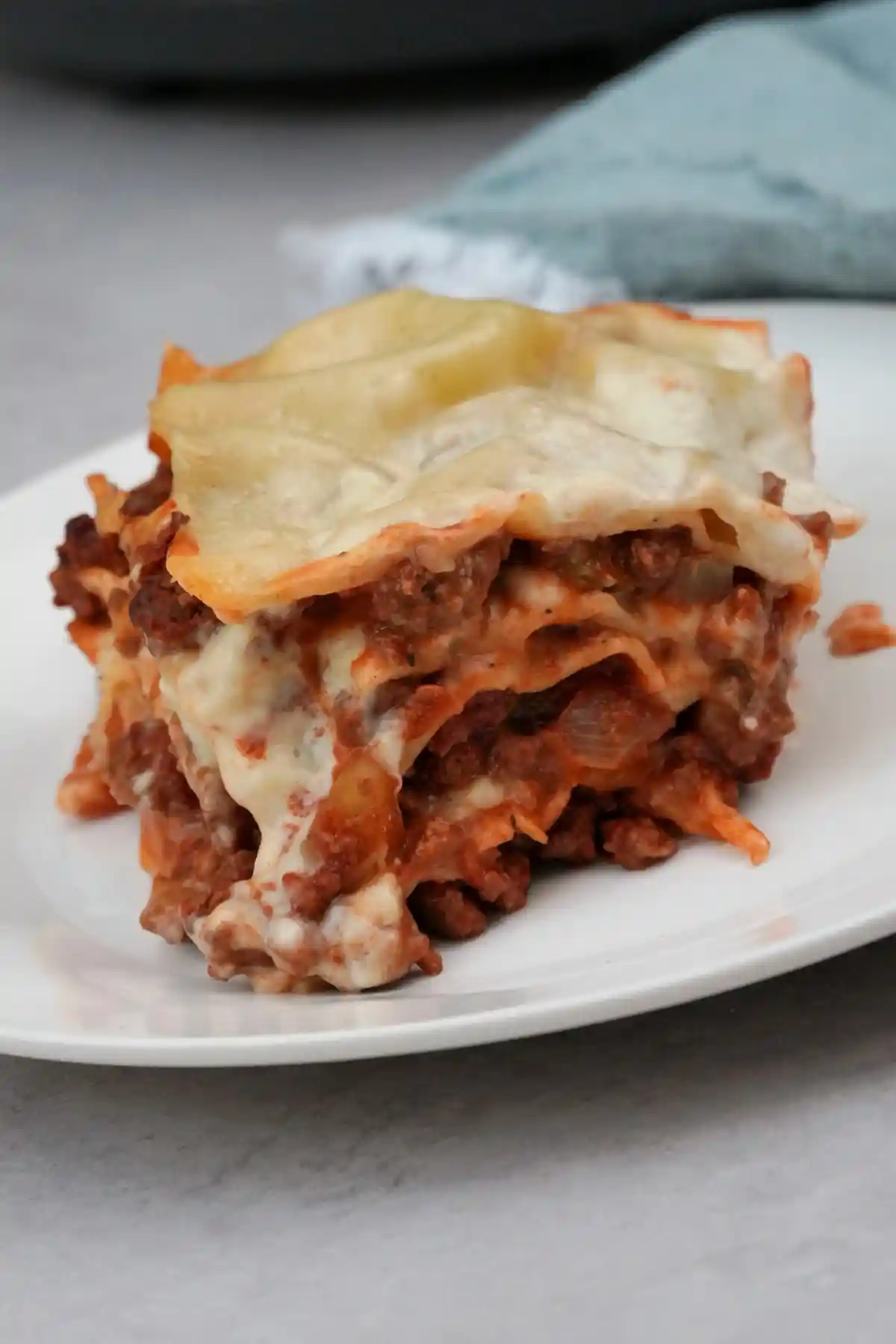
List of ingredients
- 1 tbsp olive oil
- 1 onion, chopped
- 4 cloves garlic, crushed
- 1 kg beef mince
- 2 tbsp. tomato puree
- 800 g passata
- 1 beef stock pot or cube
- 200 ml beef broth
- 1 tsp. thyme
- 2 bay leaves
- 2 medium carrots, chopped (optional)
- 2 sticks celery, chopped (optional)
- Salt and pepper to taste
- 500 ml milk
- 50 g butter
- 50 g sieved plain flour
- 1/4 tsp. dried nutmeg
- Pinch of salt
- 2-3 tbsp. grated parmesan (optional)
- Dry lasagne sheets
- Grated cheese for topping
step-by-step instructions
- Step: Heat oil in a pan and brown the beef mince.
- Step: Add onion, garlic, celery, and carrots, stirring until softened.
- Step: Stir in passata, tomato puree, beef stock pot, thyme, bay leaves, and beef broth. Simmer briefly.
- Step: Melt butter in a separate saucepan and whisk in flour for 30 seconds.
- Step: Gradually add warm milk while whisking until the white sauce thickens. Optionally stir in parmesan.
- Step: Spread a layer of mince in the slow cooker, cover with lasagne sheets, then spread a layer of white sauce.
- Step: Repeat the layers until ingredients are used, ensuring the final layer is white sauce topped with grated cheese.
- Step: Cook on low for 4 to 6 hours until pasta is tender.
Practical Cooking Tips
Effective Layering Techniques
Start your layering process by placing a thin layer of the meat sauce at the base of the slow cooker insert to prevent the pasta sheets from sticking to the ceramic surface. Ensure each layer of pasta is completely covered by either the red or white sauce, as the moisture from these sauces is what cooks the dry sheets. If you find your slow cooker is narrow, break the sheets into smaller pieces to ensure they fit evenly without overlapping too much.
Achieving the Perfect Consistency
If you prefer a thicker white sauce, you can simmer it slightly longer on the stovetop before beginning the assembly. However, avoid making it too thick, as the sauce needs enough liquid content to hydrate the dry pasta sheets effectively during the long, slow cooking process. If your meat sauce seems too dry before putting it into the slow cooker, add a splash of warm water or extra broth to ensure there is sufficient steam for the pasta.
Substitution and Variation Strategies
Incorporating More Vegetables
To increase the nutritional profile of this dish, consider finely grating zucchini or mushrooms into the beef mince while it browns. These vegetables will melt into the sauce, providing extra body and a subtle earthy flavor without drastically altering the overall taste. Ensure the vegetables are diced or grated finely so they integrate smoothly with the meat and sauce layers.
Adjusting the Flavor Profile
While the recipe calls for traditional thyme, you can experiment with dried oregano or basil to achieve a more Mediterranean-leaning flavor profile. Freshly chopped parsley added just before serving can also introduce a bright, herbaceous note that cuts through the richness of the white sauce. Always adjust your salt and pepper levels toward the end of the browning process, keeping in mind that the beef stock and cheese will contribute significantly to the final salt content.
Storage and Reheating Advice
Storing Leftover Lasagne
If you have leftover lasagne, allow it to cool completely before transferring it to an airtight container. It will keep well in the refrigerator for up to three days, making it an excellent candidate for meal prepping. Ensure the container is sealed tightly to maintain the moisture of the pasta and prevent it from drying out in the fridge environment.
Effective Reheating Methods
To reheat individual portions, use a microwave-safe dish and cover it loosely to retain steam, which helps rehydrate the pasta. Heat in short intervals, stirring slightly if possible, until the center is piping hot. For larger quantities, place the lasagne in a baking dish, add a tiny splash of milk to the edges to prevent drying, and warm it in a low-temperature oven until heated through.
Frequently Asked Questions
Can I use fresh lasagne sheets instead of dry?
Yes, fresh sheets will cook significantly faster than dry ones. If you choose to use fresh pasta, check the consistency of your lasagne after about 2 to 3 hours of cooking on low, as they may become soft quite quickly.
Why is my pasta still hard after 4 hours?
This can occur if there was insufficient liquid in the sauces or if the lid was lifted too frequently during the cooking process. Keep the lid on for the duration of the cooking time to trap the steam needed to hydrate the pasta, and ensure every sheet is submerged in sauce.
Is it necessary to pre-cook the mince?
Browning the mince is highly recommended as it improves the depth of flavor and texture of the dish. Skipping this step may lead to a greasy sauce and a less appealing appearance, as the meat will not develop the rich, savory notes produced by frying.
Can I assemble the slow cooker insert in advance?
You can assemble the layers in the slow cooker insert and store it in the refrigerator for a few hours before turning it on. If doing this, allow the insert to come to room temperature for about 20 minutes before placing it in the base to avoid thermal shock to the ceramic pot.
What is the best cheese for the topping?
A mix of mozzarella and parmesan is ideal for a classic finish, as mozzarella provides the iconic gooey texture while parmesan adds a sharp, salty depth. Cheddar is a perfectly acceptable alternative if you prefer a sharper, more robust flavor in your crust.
Print
Slow Cooker Lasagne
- Total Time: 270 minutes
- Yield: 6 servings 1x
- Diet: High Protein
Description
Slow cooker lasagne comes out with deliciously tender mince and soft and tasty pasta. A perfect family slow cooker meal.
Ingredients
- 1 tbsp olive oil
- 1 onion, chopped
- 4 cloves garlic, crushed
- 1 kg beef mince
- 2 tbsp. tomato puree
- 800 g passata
- 1 beef stock pot or cube
- 200 ml beef broth
- 1 tsp. thyme
- 2 bay leaves
- 2 medium carrots, chopped (optional)
- 2 sticks celery, chopped (optional)
- Salt and pepper to taste
- 500 ml milk
- 50 g butter
- 50 g sieved plain flour
- 1/4 tsp. dried nutmeg
- Pinch of salt
- 2–3 tbsp. grated parmesan (optional)
- Dry lasagne sheets
- Grated cheese for topping
Instructions
- Step: Heat oil in a pan and brown the beef mince.
- Step: Add onion, garlic, celery, and carrots, stirring until softened.
- Step: Stir in passata, tomato puree, beef stock pot, thyme, bay leaves, and beef broth. Simmer briefly.
- Step: Melt butter in a separate saucepan and whisk in flour for 30 seconds.
- Step: Gradually add warm milk while whisking until the white sauce thickens. Optionally stir in parmesan.
- Step: Spread a layer of mince in the slow cooker, cover with lasagne sheets, then spread a layer of white sauce.
- Step: Repeat the layers until ingredients are used, ensuring the final layer is white sauce topped with grated cheese.
- Step: Cook on low for 4 to 6 hours until pasta is tender.
Notes
Ensure you remove the bay leaves before transferring the mince to the slow cooker. The recipe can be scaled down for smaller slow cookers.
- Prep Time: 30 minutes
- Cook Time: 240 minutes
- Category: Slow Cooker Recipes
- Method: Slow Cooking
- Cuisine: Italian
Nutrition
- Serving Size: 1 portion
- Calories: 580 kcal
- Sugar: 9 g
- Sodium: 850 mg
- Fat: 28 g
- Saturated Fat: 12 g
- Unsaturated Fat: 14 g
- Trans Fat: 0 g
- Carbohydrates: 45 g
- Fiber: 4 g
- Protein: 38 g
- Cholesterol: 110 mg