This recipe allows you to prepare a hearty lasagna without the need to boil noodles beforehand. It is an ideal solution for busy weeknights when you want a comforting meal with very little active kitchen time.
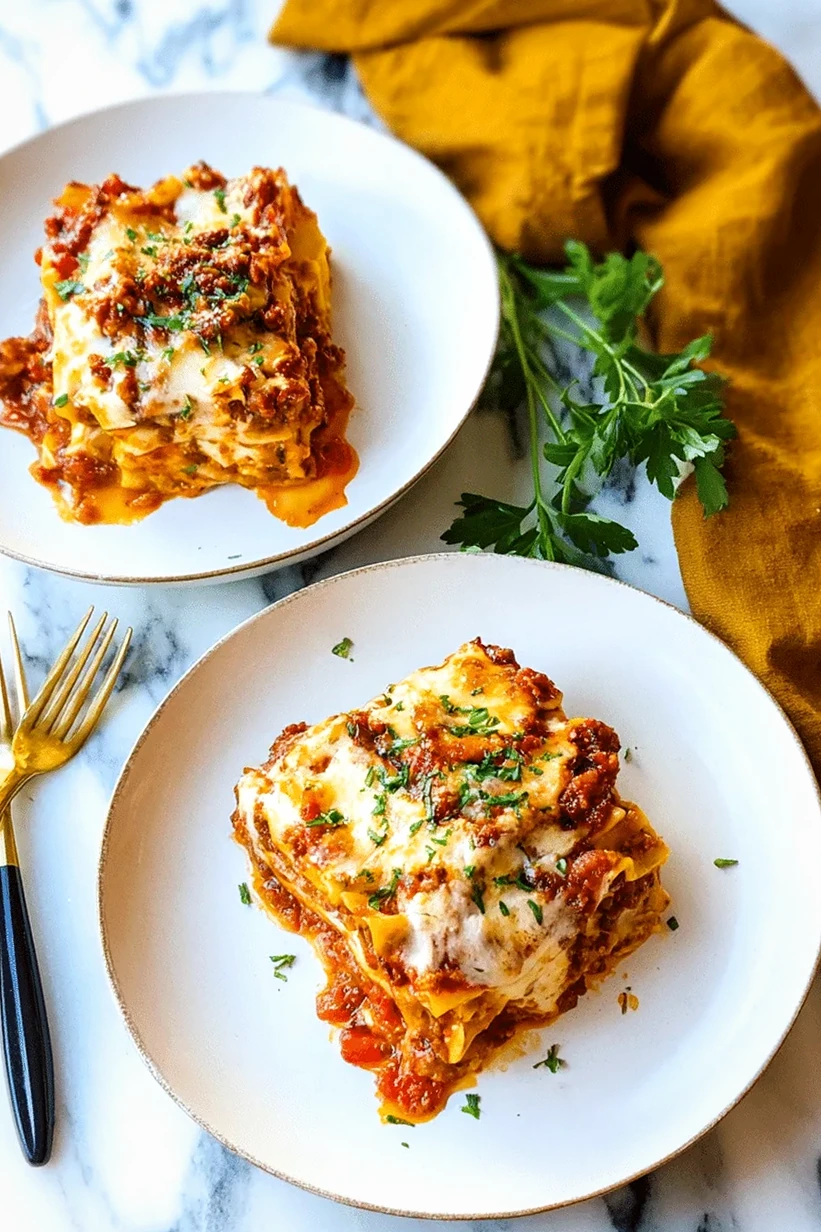
List of ingredients
- Cooking spray – prevents the lasagna from sticking to the pot sides.
- 1 lb (450 g) extra-lean ground beef – provides a hearty protein base with less excess fat.
- 1 yellow onion, diced – adds a sweet and savory aromatic base.
- 2 cloves garlic, minced – enhances the flavor of the meat sauce.
- 1/2 tsp salt – basic seasoning for the beef.
- 1/2 tsp black pepper – adds a slight heat to the meat mixture.
- 2 jars (650 mL each) tomato sauce – used for both the meat mixture and the top layer.
- 1 lb (450 g) lasagna noodles, uncooked – these cook directly in the slow cooker.
- 1 tub (475 g) ricotta cheese – creates the creamy center layers.
- 2 cups (200 g) mozzarella cheese, shredded – provides the melted, bubbly topping and layers.
- 1/2 cup (120 mL) water – essential for hydrating the uncooked noodles.
- Chopped fresh basil or parsley – used as a fresh garnish before serving.
step-by-step instructions
- Brown the meat: Cook the ground beef in a frying pan over medium-high heat until fully browned.
- Simmer the sauce: Stir in the diced onions, minced garlic, salt, pepper, and one jar of tomato sauce. Let it combine thoroughly.
- Prepare the pot: Coat the inside of your slow cooker with cooking spray to ensure easy removal.
- Start layering: Spread a portion of the meat sauce on the bottom, followed by a layer of uncooked noodles, ricotta, and mozzarella.
- Repeat process: Continue layering the meat sauce, noodles, and cheeses until the pot is filled, typically creating three layers.
- Add final top: Pour the remaining jar of tomato sauce over the top layer and sprinkle with the remaining mozzarella.
- Add moisture: Carefully pour the water down the inner sides of the crockpot to help the noodles soften.
- Slow cook: Set the device to high for 3 hours or low for 6 hours.
- Garnish: Sprinkle with fresh basil or parsley just before serving.
Ingredient Customizations
Replacing Ground Beef with Ground Turkey
For a leaner protein option, you can use ground turkey instead of beef. Ensure you season the turkey well with salt and pepper, as it has a milder flavor profile than beef.
Substituting Ricotta with Cottage Cheese
If you prefer a tangier taste or a different texture, cottage cheese is a suitable replacement for ricotta. For a smoother consistency, blend the cottage cheese in a food processor before layering.
Using Zucchini Slices for a Low-Carb Option
You can replace the lasagna noodles with thinly sliced zucchini. This reduces the carbohydrate count significantly while adding extra vegetables to the meal.
Incorporating Fresh Baby Spinach
Adding layers of fresh baby spinach between the ricotta and the noodles increases the nutrient density. The spinach will wilt naturally during the slow cooking process.
Adding Diced Mushrooms for Extra Umami
Sauté finely diced mushrooms along with the ground beef and onions. This adds an earthy depth of flavor and increases the volume of the meat sauce.
Using Provolone Instead of Mozzarella
Provolone cheese offers a sharper flavor than mozzarella. You can use it as a direct substitute or mix it with mozzarella for a more complex cheese profile.
Swapping Tomato Sauce for Chunky Marinara
If you prefer more texture in your sauce, use a chunky marinara instead of smooth tomato sauce. This provides visible pieces of garlic, onion, and herbs in every bite.
Including Diced Carrots and Celery
Finely dice carrots and celery and cook them with the onions. This creates a traditional soffritto base that adds subtle sweetness and complexity to the beef sauce.
Cooking and Preparation Strategies
Assembling the Lasagna the Day Before
You can build the layers in the slow cooker insert and store it in the refrigerator overnight. Simply plug in the machine and start the timer the next morning for a ready-made dinner.
Preventing Noodles from Sticking
Apply a generous coating of cooking spray to the walls of the pot. Ensuring the first layer of sauce is spread evenly across the bottom also prevents the noodles from adhering to the base.
Managing Liquid Levels for Texture
Pouring the water down the sides rather than over the top prevents the top cheese from becoming watery. This method ensures the moisture reaches the bottom noodles efficiently.
Maintaining Heat Distribution
Avoid opening the lid during the cooking process. Every time the lid is lifted, significant heat escapes, which can extend the cooking time and affect the noodle texture.
Breaking Noodles to Fit the Pot
Since slow cooker inserts are round or oval, you may need to break the lasagna noodles. Snap them into smaller pieces to ensure they lay flat and cover the surface area completely.
Checking Noodle Doneness
If you are cooking on high, check the noodles 30 minutes before the time is up. If they are still too firm, add a small amount of water and continue cooking.
Serving and Pairing Suggestions
Pairing with Toasted Garlic Bread
Garlic bread provides a crunchy contrast to the soft texture of the lasagna. Brush baguette slices with garlic butter and toast them in the oven until golden brown.
Serving with a Fresh Green Salad
A crisp salad featuring romaine lettuce, cucumbers, and cherry tomatoes balances the richness of the cheese. Use a light balsamic or lemon vinaigrette to cut through the heavy flavors.
Adding Roasted Broccoli as a Side
Toss broccoli florets in olive oil, salt, and pepper, then roast them at 400°F. This adds a healthy, charred vegetable component to the meal.
Using a Resting Period Before Slicing
Allow the lasagna to sit for 15 to 20 minutes after the cooking cycle ends. This allows the layers to set and the sauce to thicken, resulting in cleaner slices.
Garnishing with Fresh Herbs
Freshly chopped parsley or basil adds a bright, aromatic finish. This contrast in color and flavor makes the dish more visually appealing and tastes fresher.
Serving in Individual Ramekins
For a more formal presentation, scoop portions of the lasagna into small oven-safe ramekins. Briefly broil them under a grill to get the top cheese extra bubbly.
Storage and Reheating Guidelines
Storing Leftovers in Airtight Containers
Transfer remaining lasagna to glass or BPA-free plastic containers. These should be kept in the refrigerator and consumed within five days for optimal quality.
Freezing Portions for Future Use
Freeze individual slices in airtight freezer bags or containers. This allows you to have a quick, hearty meal ready for future weeknights; thaw them in the fridge for 24 hours.
Reheating in the Oven for Better Texture
Place slices in a baking dish and cover with aluminum foil to prevent drying. Bake at 350°F until the center is hot and the cheese has melted again.
Quick Reheating via Microwave
Heat slices on medium power to ensure the center warms through without overcooking the edges. Adding a teaspoon of water to the plate helps maintain the moisture of the noodles.
Avoiding Overheating During Reheating
Be careful not to overheat the lasagna, as the ricotta can separate and the noodles can become mushy. Heat only until the dish is steaming.
Managing Freezer Burn
Wrap frozen portions tightly in plastic wrap before placing them in a freezer bag. This minimizes air exposure and prevents the edges from drying out over time.
Troubleshooting Common Issues
Fixing Mushy Noodles
Mushy noodles often occur from overcooking or using too much water. To prevent this, ensure you are using standard lasagna pasta and avoid exceeding the recommended cook time.
Resolving Too Much Liquid in the Pot
If the lasagna appears too watery, simmer the meat sauce longer on the stove before adding it to the crockpot. You can also add an extra layer of noodles to absorb the excess moisture.
Preventing Burnt Edges
Burnt edges can happen if the pot is underfilled or the heat is too high. Make sure the sauce reaches near the edges of the pot to protect the pasta from direct heat.
Addressing Lack of Seasoning
If the final dish tastes bland, it is usually due to under-seasoning the meat. Always taste your meat sauce before layering and add a pinch of salt or dried oregano if needed.
Fixing Undercooked Noodles
If the noodles are still hard after the timer goes off, add 1/4 cup of water and cook on high for another 30 minutes. Ensure the lid remains closed during this extra time.
Preventing Cheese from Burning
Ensure the top layer of tomato sauce completely covers the cheese before the final sprinkle of mozzarella. This creates a barrier that prevents the cheese from scorching during long cook times.
Frequently Asked Questions
Can I use no-boil noodles for this recipe?
Yes, no-boil noodles work well in a slow cooker. However, you may need to add an extra 1/4 cup of water to ensure they have enough moisture to soften completely.
Do I have to brown the meat first?
Browning the meat is highly recommended because it develops a deeper flavor through the Maillard reaction. It also ensures that the beef is fully cooked and the fat is drained.
Can this be made in a conventional oven?
Yes, you can transfer the assembled layers to a baking dish. Bake it covered with foil at 375°F for 45 minutes, then uncover for 15 minutes to brown the cheese.
How do I stop the ricotta from becoming too runny?
Mix the ricotta with an egg or a tablespoon of parmesan cheese before layering. This helps bind the cheese and keeps the layers more stable after cooking.
Can I add vegetables directly to the layers?
Yes, you can add raw spinach, sliced mushrooms, or thinly sliced carrots. These vegetables will soften and cook through during the slow cooking process.
What is the best way to slice slow cooker lasagna?
Use a wide spatula and cut the lasagna into squares while it is still in the pot. Let it rest for 15 minutes first so the slices hold their shape.
Print
Slow Cooker Lasagna with Minimal Effort
- Total Time: 4 hours 30 minutes
- Yield: 8 servings 1x
- Diet: General
Description
This easy Crockpot lasagna recipe combines ground beef, noodles, cheese, and sauce for a hearty dinner with minimal prep and maximum comfort.
Ingredients
- Cooking spray
- 1 lb (450 g) extra-lean ground beef
- 1 yellow onion, diced
- 2 cloves garlic, minced
- 1/2 tsp salt
- 1/2 tsp pepper
- 2 jars (650 mL each) tomato sauce
- 1 lb (450 g) lasagna noodles, uncooked
- 1 tub (475 g) ricotta cheese
- 2 cups (200 g) mozzarella cheese, shredded
- 1/2 cup (120 mL) water
- Chopped fresh basil or parsley, for garnish
Instructions
- Step: Brown the ground beef in a frying pan over medium-high heat.
- Step: Add onions, garlic, salt, pepper, and one jar of tomato sauce, stirring to combine.
- Step: Spray the slow cooker with cooking spray.
- Step: Layer in some meat sauce, uncooked lasagna noodles, ricotta, and mozzarella.
- Step: Repeat layers until the slow cooker is filled, usually three layers total.
- Step: Pour the second jar of tomato sauce over the top and sprinkle with mozzarella.
- Step: Pour water down the sides of the crockpot.
- Step: Cook on high for 3 hours or low for 6 hours.
- Step: Garnish with basil or parsley before serving.
Notes
Add extra vegetables like spinach, mushrooms, or zucchini for more nutrition. You can assemble ahead of time and refrigerate overnight before cooking. Leftovers last up to 5 days in the fridge and reheat easily. Freeze cooked or uncooked portions for up to 3 months; thaw in fridge before reheating.
- Prep Time: 30 minutes
- Cook Time: 3 hours
- Category: Dinner
- Method: Slow Cooker
- Cuisine: Italian-American
Nutrition
- Serving Size: 1 slice
- Calories: 470 kcal
- Sugar: 3 g
- Sodium: 264 mg
- Fat: 17 g
- Saturated Fat: 10 g
- Unsaturated Fat: 7 g
- Trans Fat: 0 g
- Carbohydrates: 46 g
- Fiber: 2 g
- Protein: 32 g
- Cholesterol: 84 mg