This slow-cooker macaroni and cheese creates a rich, velvety side dish with very little active effort. It is an ideal solution for holiday gatherings or family dinners when you need to free up stove space.
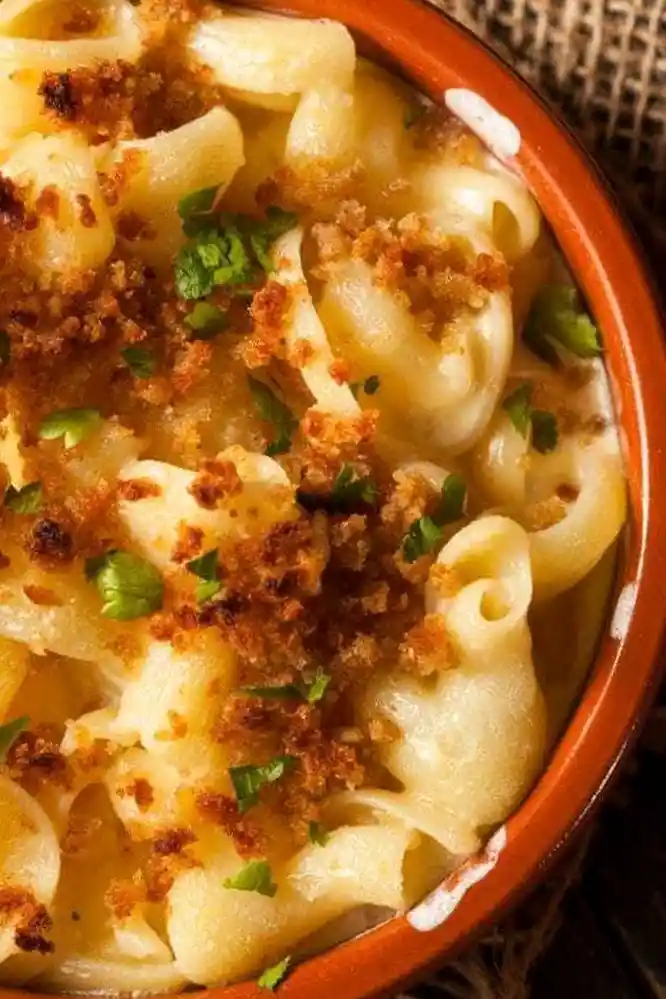
List of ingredients
- 8 ounce macaroni – standard elbow shape works best.
- 2 teaspoons olive oil – prevents pasta from sticking together.
- 1 cup evaporated milk – adds creaminess and stability to the sauce.
- 1/2 cup milk – adjusts the overall consistency.
- 1/2 teaspoon salt – enhances the natural flavor of the cheese.
- 1/4 teaspoon ground black pepper – provides a subtle warmth.
- 2 cups Cheddar cheese – shredded or a blend for deeper flavor.
- 4 tablespoons butter – melted, used for both the pot and the mix.
step-by-step instructions
- Prepare the pasta: Cook the macaroni according to the package directions. Drain it in a colander and rinse immediately with hot water to remove excess starch, then drain well.
- Prep the slow cooker: Generously butter the bottom and sides of a 3 1/2- to 4-quart slow cooker using approximately 2 tablespoons of the butter to prevent sticking.
- Combine ingredients: Place the cooked macaroni and all remaining ingredients into the slow cooker and blend them thoroughly until well combined.
- Slow cook: Cover the pot and cook on the LOW setting for 2 1/2 to 3 1/2 hours, stirring the mixture a few times during the process.
- Optional finishing: For a baked finish, spoon the mixture into a baking dish, sprinkle with extra cheese, and place under the broiler for 1 to 2 minutes until melted and golden.
Pro Tips for Optimal Texture
Grate Cheese from a Block for Better Melting
Avoid using pre-shredded cheese found in bags. These products are coated in cellulose or potato starch to prevent clumping, which can make your sauce grainy. Grating your own cheddar ensures a perfectly smooth, emulsified cheese sauce.
Undercook the Pasta Slightly
Since the macaroni continues to cook in the slow cooker, boil it for 1 to 2 minutes less than the package directions for al dente. This prevents the noodles from becoming mushy or overcooked during the slow cooking process.
Use Full-Fat Dairy for Richness
Using whole milk instead of skim or 1% results in a creamier mouthfeel. The higher fat content helps stabilize the emulsion between the cheese and the liquid, preventing the sauce from breaking.
Rinse Pasta with Hot Water
Rinsing the pasta after boiling removes surface starches that can cause the noodles to clump together. Using hot water instead of cold prevents the pasta from cooling down too quickly before it enters the slow cooker.
Flavor Variations and Add-ins
Adding a Spicy Element
Incorporate diced jalapeños or a teaspoon of cayenne pepper into the mix before cooking. These additions cut through the richness of the cheese and provide a balanced heat to the dish.
Mixing in Fresh Vegetables
Stir in steamed broccoli florets, peas, or diced carrots during the last hour of cooking. This adds color and nutritional value without compromising the creamy texture of the sauce.
Trying Different Cheese Varieties
While Cheddar is classic, you can substitute half of it with Gruyère for a nuttier flavor or Monterey Jack for extra meltability. A blend of sharp white cheddar and smoked gouda provides a sophisticated, complex taste.
Incorporating Cooked Proteins
Fold in cooked shredded chicken, diced ham, or sautéed mushrooms before the final stir. These proteins turn the side dish into a hearty main course suitable for a full meal.
Making the Dish Gluten-Free
Choosing the Right Gluten-Free Pasta
Select a high-quality brown rice or corn-based pasta for the best results. These varieties tend to hold their shape better than chickpea or lentil pastas, which can become too soft in a slow cooker.
Monitoring the Texture of GF Pasta
Gluten-free noodles often have a narrower window between al dente and mushy. Check the pasta frequently during the slow cooking process and remove it as soon as the sauce has reached the desired thickness.
Adjusting Liquid Ratios for GF Flour
Some gluten-free pastas absorb more liquid than wheat-based ones. If the sauce appears too thick, stir in an extra splash of milk before serving to restore the creaminess.
Storage and Preservation
Proper Refrigerator Storage
Store leftover macaroni and cheese in an airtight container in the refrigerator for up to 5 days. Ensure the container is fully sealed to prevent the pasta from absorbing odors from other foods.
Freezing and Thawing Instructions
While not ideal, you can freeze this dish for up to 2 months. Thaw it slowly in the refrigerator overnight before reheating to maintain the best possible texture.
Using Airtight Glass Containers
Glass containers are preferable to plastic for storage as they do not retain smells and provide a better seal. This helps the cheese sauce stay fresh and prevents the pasta from drying out.
Reheating Methods
Reheating in the Microwave
Place a portion in a microwave-safe bowl and add a tablespoon of milk to loosen the sauce. Heat in 30-second intervals, stirring in between, until the dish is hot throughout.
Reheating in the Slow Cooker
Place the leftovers back into the crockpot on the LOW setting with a small amount of additional milk. Cover and heat for 1 to 2 hours, stirring occasionally to ensure even warming.
Reheating in the Oven
Transfer the pasta to an oven-safe dish and cover it with foil to trap moisture. Heat at 325 degrees Fahrenheit until warmed through, then remove the foil to brown the top.
Reviving a Separated Sauce
If the sauce separates during reheating, whisk in a small amount of warm milk or heavy cream. Stir gently over low heat to bring the emulsion back together for a smooth consistency.
Troubleshooting the Sauce
Fixing a Grainy Cheese Sauce
Graininess usually occurs if the cheese is overheated or if pre-shredded cheese was used. To fix this, try stirring in a small amount of cream cheese or a splash of lemon juice to help stabilize the proteins.
Adjusting a Sauce That is Too Thin
If the mixture is too liquid, leave the lid off the slow cooker for the final 30 minutes of cooking. This allows some of the moisture to evaporate, thickening the sauce naturally.
Preventing the Sauce from Separating
Avoid cooking on the HIGH setting, as excessive heat can cause the fats in the cheese to separate from the solids. Sticking to the LOW setting ensures a gentle melt and a stable emulsion.
Dealing with Overcooked Pasta
If the noodles become too soft, avoid stirring them too vigorously. Gently fold in any additional ingredients to avoid breaking the pasta pieces further.
Essential Equipment Guide
Selecting the Right Slow Cooker Size
A 3.5- to 4-quart slow cooker is ideal for this recipe to ensure the ingredients are fully submerged in sauce. Using a pot that is too large may cause the sauce to evaporate too quickly, leading to a dry result.
Effective Stirring Tools
Use a silicone spatula or a wooden spoon to stir the macaroni. Silicone is particularly effective for scraping the sides of the pot to ensure no cheese sticks or burns.
Choosing a Broiler-Safe Dish
If you choose to broil the top, use a ceramic or glass baking dish that is rated for high temperatures. Avoid using plastic or non-oven-safe containers under the broiler.
Serving and Presentation Ideas
Adding Fresh Garnishes
Top the finished dish with chopped fresh parsley or chives to add a pop of color and a fresh flavor. A sprinkle of smoked paprika can also add a professional visual touch.
Pairing with Complementary Sides
Serve this macaroni and cheese alongside steamed green beans or a crisp garden salad. The acidity of a vinaigrette helps balance the richness of the cheese sauce.
Plating for a Crowd
For parties, keep the macaroni and cheese in the slow cooker on the WARM setting. This keeps the dish at a safe temperature and allows guests to serve themselves easily.
Frequently Asked Questions
Can I use a larger slow cooker?
Yes, you can use a larger pot, but you may need to increase the cooking time slightly or keep a closer eye on the liquid levels to ensure the sauce does not evaporate too quickly.
Is it possible to skip boiling the pasta?
No, boiling the pasta first is necessary for this specific recipe to ensure the texture is correct. Uncooked pasta would absorb too much liquid and result in an unevenly cooked dish.
Can I substitute regular milk for evaporated milk?
You can, but the sauce will be thinner and less stable. If you use regular milk, you may need to add a thickener like a cornstarch slurry to achieve the same creaminess.
Why should I rinse the pasta with hot water?
Rinsing removes excess surface starch, which prevents the noodles from sticking together and ensures the cheese sauce coats every piece of macaroni evenly.
Print
Slow Cooker Creamy Macaroni and Cheese
- Total Time: 3 hours 45 minutes
- Yield: 6 servings 1x
- Diet: General
Description
Shared Hundreds of Thousands of times this Crockpot Macaroni & Cheese Recipe is a keeper! Try this delicious homestyle dish today!
Ingredients
- 8 ounce macaroni
- 2 teaspoons olive oil
- 1 cup evaporated milk
- 1/2 cup milk
- 1/2 teaspoon salt
- 1/4 teaspoon ground black pepper
- 2 cups Cheddar cheese (shredded, or a Cheddar blend)
- 4 tablespoons butter (melted)
Instructions
- Step: Cook the macaroni following package directions. Drain in a colander and rinse with hot water. Drain well.
- Step: Generously butter the sides and bottom of a 3 1/2- to 4-quart slow cooker (I use about 2 tablespoons of butter).
- Step: Combine the macaroni with the remaining ingredients in the slow cooker and blend well. Cover the slow cooker and cook on LOW for 2 1/2 to 3 1/2 hours, stirring a few times.
- Step: If desired, spoon the cooked macaroni and cheese mixture into a baking dish, sprinkle with a little more cheese, and put under the broiler for a minute or 2, just until cheese is melted.
Notes
You can substitute gluten free macaroni in this recipe to make the entire dish gluten free. Leftovers can be stored in an airtight container in the fridge for up to 5 days.
- Prep Time: 15 minutes
- Cook Time: 3 hours 30 minutes
- Category: Side Dish
- Method: Slow Cooker
- Cuisine: American
Nutrition
- Serving Size: 1 serving
- Calories: 441 kcal
- Sugar: 7 g
- Sodium: 551 mg
- Fat: 26 g
- Saturated Fat: 15 g
- Unsaturated Fat: 11 g
- Trans Fat: 0 g
- Carbohydrates: 34 g
- Fiber: 1 g
- Protein: 18 g
- Cholesterol: 74 mg