This slow cooker lasagna delivers tender beef and perfectly softened pasta sheets without the need for traditional oven baking. It is an efficient way to prepare a hearty family meal with minimal active kitchen time.
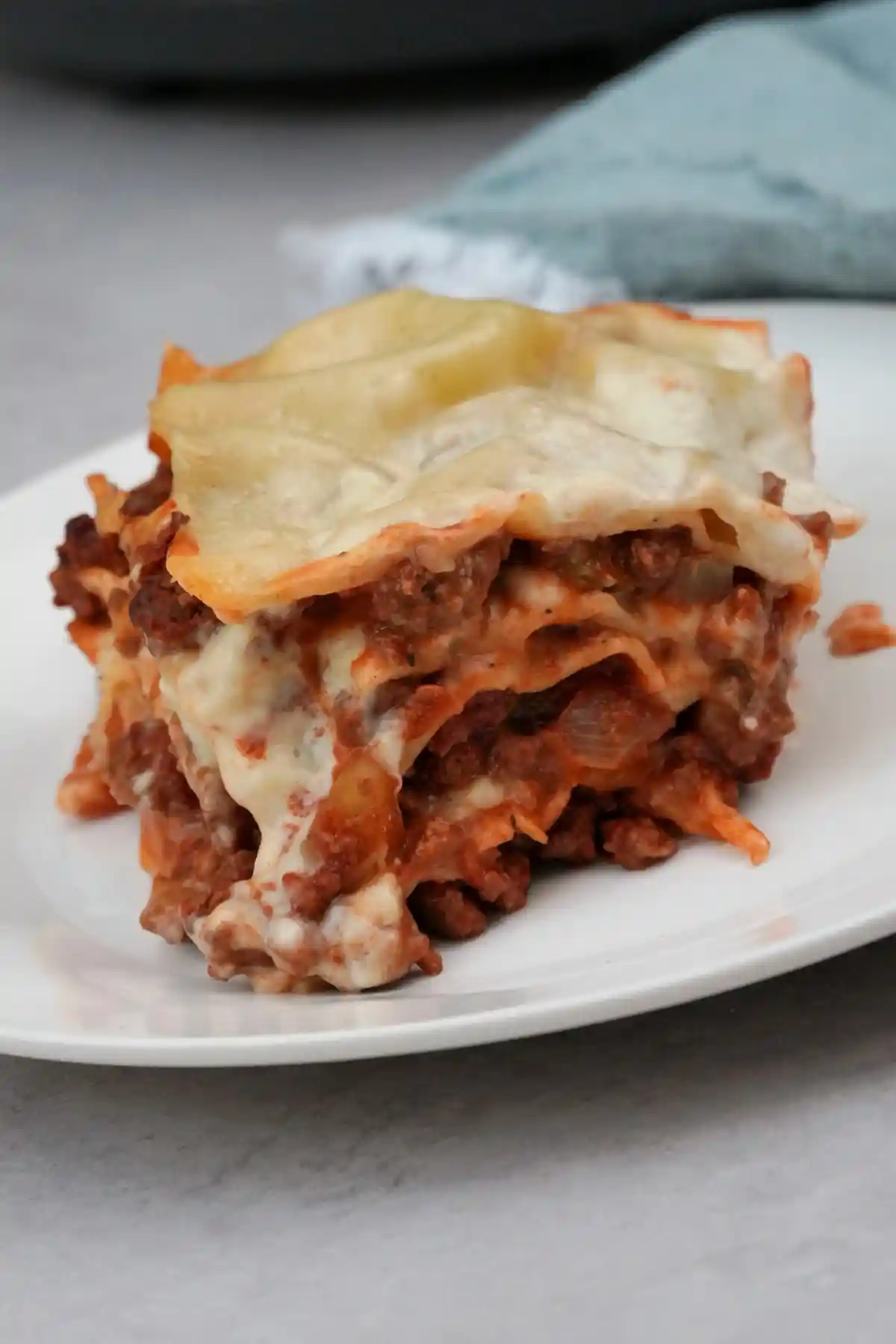
List of ingredients
- 1 tbsp olive oil – for browning the meat
- 1 onion, chopped – provides a flavor base
- 4 cloves garlic, crushed – adds aromatic depth
- 1 kg beef mince – the main protein source
- 2 tbsp tomato puree – thickens and richens the sauce
- 800 g passata – smooth tomato base
- 1 beef stock pot or cube – for savory depth
- 200 ml beef stock – replaces red wine for flavor and moisture
- 1 tsp thyme – adds earthy notes
- 2 bay leaves – adds a subtle herbal aroma
- 2 medium carrots, chopped (optional) – adds sweetness and texture
- 2 sticks celery, chopped (optional) – adds savory depth
- Salt and pepper – to taste
- 500 ml milk – base for the white sauce
- 50 g butter – for the roux
- 50 g sieved plain flour – thickener for the white sauce
- 1/4 tsp dried nutmeg – traditional flavor for bechamel
- Pinch of salt – for seasoning the white sauce
- 2-3 tbsps grated parmesan (optional) – for a richer white sauce
- Dry lasagne sheets – pasta layers
- Grated cheese (cheddar or parmesan) – for the topping
step-by-step instructions
- Brown the meat: Heat olive oil in a large pan over medium heat. Add the beef mince and fry until it is browned throughout.
- Sauté vegetables: Stir in the chopped onion, crushed garlic, chopped celery, and carrots. Cook until the vegetables have softened.
- Simmer the ragu: Add the passata, tomato puree, beef stock pot, dried thyme, bay leaves, and the beef stock. Allow the mixture to simmer briefly.
- Remove bay leaves: Ensure the bay leaves are taken out of the sauce before transferring the mixture to the slow cooker.
- Prepare the white sauce: Melt butter in a saucepan over medium heat. Whisk in the sieved flour and cook for 30 seconds.
- Thicken the bechamel: Gradually pour in slightly warmed milk while whisking constantly. Simmer until the sauce thickens and lines begin to form.
- Season the sauce: Stir in the dried nutmeg, salt, and optional parmesan cheese for extra flavor.
- First layer: Spoon a portion of the beef ragu into the bottom of the slow cooker and spread it evenly.
- Layer pasta and sauce: Place a layer of dry lasagna sheets over the beef. Spread a layer of white sauce over the pasta, ensuring all edges are covered.
- Repeat layering: Continue alternating layers of beef ragu, lasagna sheets, and white sauce. Repeat this process until all ingredients are used.
- Final topping: End with a layer of white sauce and sprinkle a generous amount of grated cheese on top.
- Slow cook: Cover with the lid and cook on low for 4 to 6 hours, or on high for 2 hours.
- Final check: Remove the lid and verify that the pasta sheets are soft before serving.
Expert Cooking Tips
Properly Browning the Beef
Brown the beef in batches if your pan is small. Overcrowding the pan leads to steaming rather than searing, which prevents the meat from developing a deep savory flavor. Use medium-high heat to ensure a good sear.
Preventing Lumps in White Sauce
Always sift the flour to remove clumps before adding it to the melted butter. Adding milk gradually while whisking vigorously is the best way to maintain a smooth consistency. If lumps appear, you can use a handheld immersion blender to smooth the sauce.
Ensuring Pasta is Fully Cooked
Make sure the lasagna sheets are completely covered in sauce. Any exposed pasta edges will remain hard and dry during the slow cooking process. If the sauce seems too thick, add a small splash of water or extra beef stock.
Optimizing the Slow Cooker Seal
Keep the lid closed throughout the cooking process. Opening the lid frequently releases heat and steam, which can increase the cooking time by 15 to 20 minutes. Only open the lid at the very end to check the pasta tenderness.
Ingredient Substitutions and Variations
Alternative Vegetables for the Ragu
If you do not have celery or carrots, you can use finely diced red bell pepper or zucchini. These vegetables add moisture and nutrients without significantly altering the traditional flavor profile of the beef sauce.
Cheese Blend Suggestions
While cheddar and parmesan are standard, a mix of mozzarella and parmesan provides a better stretch and a saltier finish. For a sharper taste, try using an aged Pecorino Romano instead of parmesan.
Milk Alternatives for White Sauce
You can substitute cow’s milk with unsweetened soy or almond milk. Ensure the plant-based milk is unsweetened to avoid a sweet taste in the savory bechamel sauce. The thickening process remains the same.
Adding Extra Greens
Stir fresh baby spinach into the beef ragu just before layering. The spinach will wilt during the slow cooking process, adding color and nutrition to each layer of the lasagna.
Serving and Presentation Ideas
Classic Side Pairings
Serve this lasagna with a crisp green salad tossed in a light vinaigrette to balance the richness of the cheese. Steamed broccoli or sautéed green beans also provide a fresh contrast to the heavy pasta.
Adding Garlic Bread
Warm pieces of baguette topped with garlic butter and parsley in the oven for a few minutes. This provides a crunchy texture that complements the softness of the slow-cooked lasagna.
Plating for Stability
Let the lasagna rest in the slow cooker for 10 to 15 minutes after cooking. This allows the layers to set, making it easier to slice and serve clean squares instead of the lasagna sliding apart.
Storage and Reheating Guide
Refrigeration Methods
Allow the lasagna to cool slightly before transferring it to an airtight container. Store it in the refrigerator for up to 3 to 4 days. Keep the container tightly sealed to prevent the pasta from drying out.
Freezing for Later
You can freeze portions of the cooked lasagna individually. Wrap them tightly in foil and place them in a freezer-safe bag. Frozen lasagna remains high quality for up to 3 months.
Best Reheating Techniques
To reheat, place a slice in an oven-safe dish and cover it with foil to retain moisture. Heat at 175 degrees Celsius for 20 minutes. Alternatively, use a microwave on medium power, adding a teaspoon of water to the side of the plate.
Managing Excess Moisture
If the lasagna releases water during reheating, gently pat the top with a paper towel. This happens occasionally when the cheese melts and the sauces settle during the cooling process.
Make-Ahead Advice
Preparing the Ragu in Advance
The beef ragu can be made 24 to 48 hours before the final assembly. Store it in the fridge and simply stir it before layering in the slow cooker. This often enhances the flavor as the herbs infuse the meat.
Pre-making the White Sauce
Make the bechamel sauce ahead of time and store it in a sealed container. When you are ready to layer, stir the sauce well to reintegrate any separated fats. You can also warm it slightly before adding it to the lasagna.
Assembling the Day Before
You can assemble the entire lasagna in the slow cooker pot the night before. Cover it tightly and keep it refrigerated. When you are ready to cook, place the pot in the slow cooker and increase the cooking time by 30 minutes to account for the cold start.
Troubleshooting Common Issues
Dealing with Mushy Pasta
If the pasta is too soft, it may be due to too much liquid in the sauces. Reduce the amount of beef stock or passata slightly in future attempts. Ensure you are using standard dry lasagna sheets rather than fresh pasta.
Fixing Dry Pasta Sheets
Dry sheets usually occur when there is not enough sauce covering the edges. Add an extra tablespoon of beef stock to the ragu and ensure the white sauce is spread all the way to the walls of the slow cooker pot.
Correcting a Grainy White Sauce
A grainy texture in the white sauce is often caused by overheating the flour too quickly or not whisking enough. Always keep the heat medium-low when adding milk and maintain a constant whisking motion.
Managing Sauce Separation
If you see a layer of oil on top of the beef ragu, you can skim it off with a spoon before layering. This typically happens if the beef mince has a higher fat content than expected.
Frequently Asked Questions
Can I use no-boil lasagna sheets?
Yes, no-boil sheets work perfectly in a slow cooker because the moisture from the sauces hydrates them over several hours. Just ensure they are fully submerged in sauce.
Can I cook this on the high setting?
Yes, you can cook this on high for 2 hours. However, cooking on low for 4 to 6 hours generally results in a more tender meat texture and more evenly cooked pasta.
Do I have to brown the meat first?
Browning the meat is highly recommended for flavor development. While you could technically put raw meat in the slow cooker, the resulting texture and taste will be less complex and potentially greasy.
What is the best cheese for the topping?
Mozzarella provides the best melt and stretch, while cheddar adds a sharp flavor. A 50/50 mixture of both is often the best choice for a balanced taste and appearance.
Can I make this recipe without a slow cooker?
Yes, you can assemble the ingredients in a baking dish. Bake it in a preheated oven at 190 degrees Celsius for approximately 45 to 60 minutes until the cheese is golden and bubbling.
Print
Slow Cooker Beef Lasagna
- Total Time: 4 hours 30 minutes
- Yield: 4–6 servings 1x
- Diet: General
Description
Slow cooker lasagne comes out with deliciously tender mince and soft and tasty pasta. A perfect family slow cooker meal.
Ingredients
- 1 tbsp olive oil
- 1 onion, chopped
- 4 cloves garlic, crushed
- 1 kg beef mince
- 2 tbsp tomato puree
- 800 g passata
- 1 beef stock pot or cube
- 200 ml beef stock (as a replacement for wine)
- 1 tsp thyme
- 2 bay leaves
- 2 medium carrots, chopped
- 2 sticks celery, chopped
- Salt and pepper to taste
- 500 ml milk
- 50 g butter
- 50 g sieved plain flour
- 1/4 tsp dried nutmeg
- Pinch of salt
- 2–3 tbsp grated parmesan
- Dry lasagne sheets
- Grated cheddar or parmesan cheese for topping
Instructions
- Brown Mince: Heat the oil in a pan and brown the beef mince.
- Sauté Aromatics: Add the onion, garlic, celery, and carrots to the pan and stir in.
- Simmer Ragu: Stir in the passata, tomato puree, beef stock pot, dried thyme, bay leaves, and beef stock. Leave the mince to simmer.
- Prepare Roux: Melt the butter in a saucepan on the hob. Whisk in the sieved flour and cook for around 30 seconds.
- Make White Sauce: Heat the milk slightly and add it to the butter and flour mixture, simmering while constantly whisking until thick.
- Finish White Sauce: Stir in a pinch of salt, nutmeg, and optionally some grated parmesan for richer flavour.
- Layering: Remove bay leaves from the mince. Place the first layer of mince in the slow cooker, cover with lasagne sheets, and then add a layer of white sauce.
- Repeat: Repeat the layers of mince, pasta, and white sauce until ingredients are used, finishing with a layer of white sauce.
- Top: Sprinkle grated cheese over the final layer.
- Slow Cook: Put the lid on and cook on low for 4 to 6 hours.
Notes
Ensure bay leaves are removed before layering. For a cheesier result, you can sprinkle a little cheese on every layer of white sauce.
- Prep Time: 30 minutes
- Cook Time: 4 hours
- Category: Slow Cooker Recipes
- Method: Slow Cooking
- Cuisine: Italian
Nutrition
- Serving Size: 1 serving
- Calories: 620 kcal
- Sugar: 9 g
- Sodium: 950 mg
- Fat: 32 g
- Saturated Fat: 16 g
- Unsaturated Fat: 14 g
- Trans Fat: 0 g
- Carbohydrates: 42 g
- Fiber: 5 g
- Protein: 38 g
- Cholesterol: 95 mg