Experience the ultimate comfort food with this effortless slow cooker macaroni and cheese, designed to provide a velvety, indulgent result with minimal active work. By simmering the pasta directly in a blend of rich milks and premium cheeses, you achieve a restaurant-quality texture that is perfect for busy family evenings or large gatherings. This reliable method eliminates the need for separate boiling, ensuring that every bite is thoroughly infused with savory goodness.
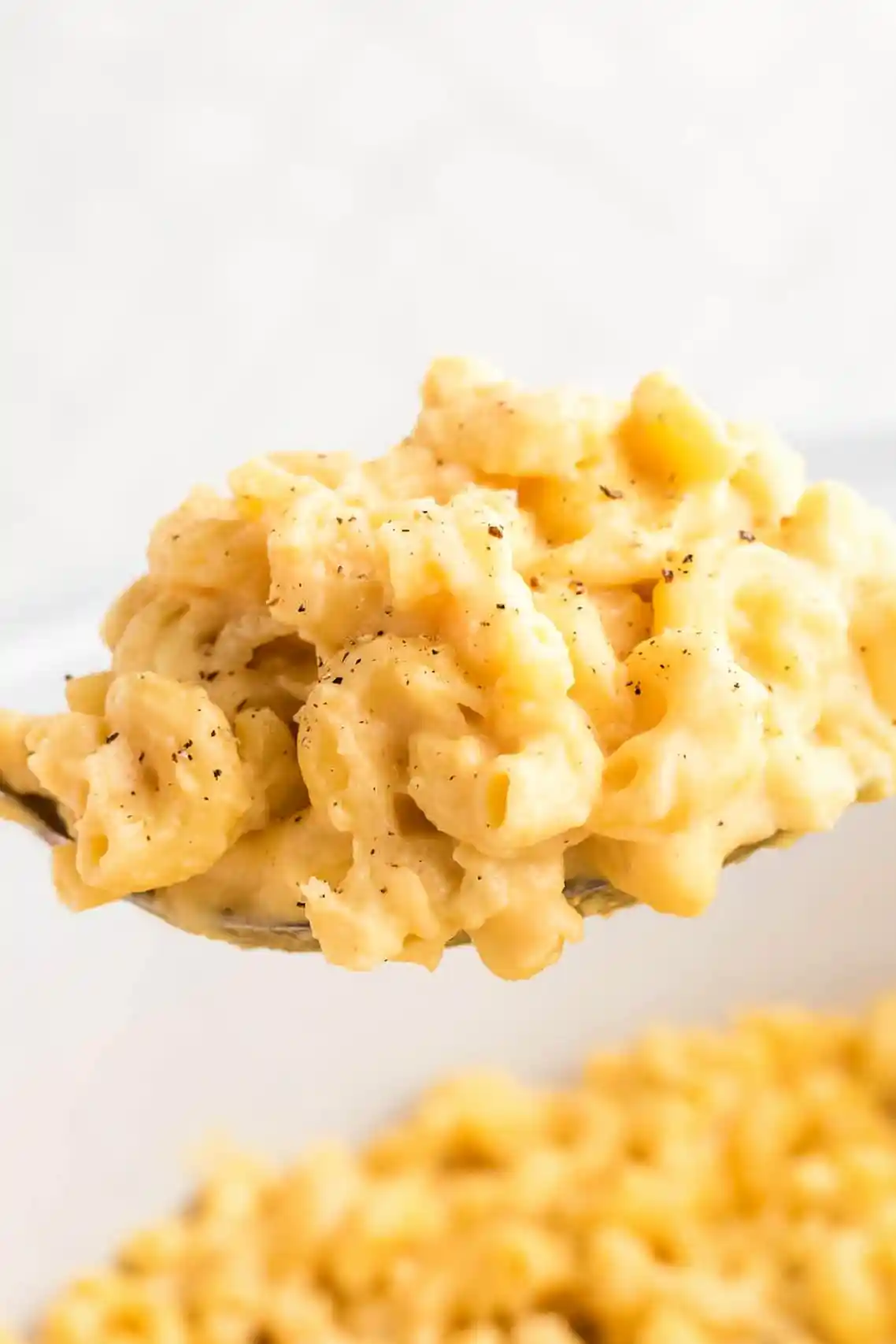
List of ingredients
- 16 ounces elbow macaroni (uncooked)
- 2 ¾ cups whole milk
- 1 12-ounce can evaporated milk
- 16 ounces Cheddar cheese (shredded)
- 8 ounces Fontina cheese (shredded)
- ½ teaspoon ground mustard
- ½ teaspoon salt
- ¼ teaspoon black pepper
- ¼ teaspoon cayenne pepper
- 4 tablespoons butter (unsalted, sliced thinly)
- Freshly cracked black pepper (for garnish)
step-by-step instructions
- Step: Lightly grease the slow cooker.
- Step: Add the macaroni, whole milk, evaporated milk, ground mustard, salt, black pepper, and cayenne pepper into the slow cooker and stir to combine.
- Step: Sprinkle the Cheddar cheese and Fontina cheese on top of the pasta and place the sliced butter on top.
- Step: Set the slow cooker on low and cook for 1 hour, then gently stir the macaroni.
- Step: Continue to cook for 1-2 more hours, checking frequently to avoid overcooking.
- Step: Once the macaroni is tender and the sauce is creamy, garnish with freshly ground black pepper and serve.
Practical Preparation Techniques
Maximizing Cheese Melt Performance
Always prioritize grating your cheese from a solid block rather than relying on pre-shredded varieties found in the dairy aisle. Pre-shredded cheese often contains cellulose or other anti-caking agents designed to keep the strands separate in the bag, which can prevent them from emulsifying smoothly into a silky, cohesive sauce. Hand-shredded cheese melts more uniformly, resulting in the creamy, elastic texture expected from a premium macaroni and cheese dish.
Selecting the Optimal Pasta Shape
While elbow macaroni is the traditional choice for this recipe, the secret to success lies in the structural integrity of the pasta. Select a brand that uses a bronze-die extrusion process if possible, as these noodles have a rougher surface area that clings more effectively to the sauce. Avoid quick-cook or thin-walled pasta varieties, as these will disintegrate during the longer, gentle cooking process required by the slow cooker.
Achieving Uniform Heat Distribution
The placement of ingredients within the slow cooker affects how the sauce develops during the initial cooking phase. By layering the pasta and liquids at the bottom and topping them with the cheese and butter, you create a natural heat shield that prevents the cheese from scorching against the base of the container. This deliberate layering allows the butter and cheese to melt downward through the simmering milk, effectively coating each noodle as the sauce gains volume.
Refining Your Cheese Blend
Balancing Sharpness and Meltability
The combination of Cheddar and Fontina is ideal, but you can customize this ratio to better suit your family’s flavor preferences. If you desire a sharper, more punchy cheese flavor, substitute a portion of the Fontina with an aged white cheddar or a mild, nutty Gruyere. The key is ensuring that at least half of your total cheese weight comes from a variety known for its excellent melting profile, such as Fontina, young Swiss, or mild Monterey Jack.
Enhancing Sauce Stability
If you find that your sauce is slightly thinner than you prefer upon finishing, ensure that your shredded cheese is fully incorporated during the final stir. You can allow the mixture to rest on the warm setting for just five to ten minutes with the lid on, which gives the starches released from the pasta a moment to stabilize the emulsion. Avoid exceeding this short resting period, as the heat can cause the cheese sauce to tighten or separate if held for too long without moisture management.
Serving Ideas for Every Occasion
Pairing with Roasted Vegetables
Because this mac and cheese is exceptionally rich, it balances beautifully with crisp, oven-roasted vegetables. Think of side dishes like charred broccoli florets with lemon zest, honey-glazed roasted carrots, or even a simple side of blistered green beans with toasted almonds. The acidity and crunch of the vegetables provide a refreshing textural contrast to the soft, creamy pasta, making the meal feel more balanced and well-rounded.
Hosting a Comfort Food Feast
When serving this as part of a larger buffet or holiday spread, keep the presentation simple by garnishing the top with a sprinkle of fresh chives or toasted panko breadcrumbs. If you are preparing this for a potluck, transport it in the slow cooker base if possible to keep it at a perfect serving temperature. Provide a large serving spoon so guests can easily portion out the desired amount of the decadent, cheesy noodles.
Managing Storage and Quality
Maintaining Creaminess During Storage
If you have leftovers, store them in a shallow, airtight container once the dish has cooled to room temperature to prevent it from continuing to cook in its own residual heat. The pasta will naturally absorb more liquid while sitting in the refrigerator, so do not be concerned if the mixture appears firmer than when it was first made. Proper storage in the refrigerator will keep the dish safe and flavorful for up to four days, provided it is kept at a consistent, cold temperature.
Restoring Texture After Reheating
When you are ready to enjoy the leftovers, you will likely need to add a small amount of liquid to bring the sauce back to its original silky consistency. Add one or two tablespoons of milk or water to the container before heating in the microwave or on the stovetop over very low heat. Stir the mixture vigorously every thirty seconds until the pasta is warm and the sauce has returned to a smooth, flowing state without becoming grainy or scorched.
Addressing Common Cooking Inquiries
Can I double this recipe for a large crowd?
You can certainly double the recipe provided that your slow cooker has a capacity of at least six to seven quarts. If you increase the volume, you should be prepared for the cooking time to potentially extend by an additional thirty to sixty minutes. Always verify that the top layer of cheese has fully melted and the pasta is soft before serving, as the increased mass will take longer to come to a consistent internal temperature.
Why does the cheese sauce occasionally break?
A broken or grainy sauce usually indicates that the mixture was subjected to excessive heat or was overcooked for too long. To avoid this, monitor the progress closely during the final hour of cooking and turn the slow cooker off as soon as the pasta is tender and the sauce is smooth. If the sauce does appear slightly separated, a quick, brisk stir with a wooden spoon can often re-emulsify the fats and liquids back into a creamy state.
Can I add pre-cooked protein to this dish?
Yes, you can easily turn this into a main course by folding in precooked proteins like diced roasted chicken, sautéed cubes of fresh vegetables, or even shredded cooked turkey. Ensure that any added protein is fully heated through and moisture-neutral so it does not alter the consistency of the cheese sauce. Add these items during the final thirty minutes of cooking to ensure they reach the same temperature as the macaroni without becoming dry or tough.
Is it possible to use different types of milk?
While whole milk and evaporated milk provide the best results for a luxurious texture, you can experiment with variations if necessary. Whole milk is vital for the fat content that prevents the sauce from breaking, while the evaporated milk provides the necessary thickening power due to its reduced water content. Using lower-fat milk products may result in a thinner, less stable sauce that is prone to separating during the slow cooking process.
Print
Slow-Cooked Creamy Macaroni and Cheese
- Total Time: 130 minutes
- Yield: 8 servings 1x
- Diet: Vegetarian
Description
This easy way to make homemade Crockpot Mac and Cheese results in tender macaroni that’s drenched in a rich, creamy cheese sauce.
Ingredients
- 16 ounces elbow macaroni (uncooked)
- 2 ¾ cups whole milk
- 1 12-ounce can evaporated milk
- 16 ounces Cheddar cheese (shredded)
- 8 ounces Fontina cheese (shredded)
- ½ teaspoon ground mustard
- ½ teaspoon salt
- ¼ teaspoon black pepper
- ¼ teaspoon cayenne pepper
- 4 tablespoons butter (unsalted, sliced thinly)
- Freshly cracked black pepper (for garnish)
Instructions
- Step: Lightly grease the slow cooker.
- Step: Add the macaroni, whole milk, evaporated milk, ground mustard, salt, black pepper, and cayenne pepper into the slow cooker and stir to combine.
- Step: Sprinkle the Cheddar cheese and Fontina cheese on top of the pasta and place the sliced butter on top.
- Step: Set the slow cooker on low and cook for 1 hour, then gently stir the macaroni.
- Step: Continue to cook for 1-2 more hours, checking frequently to avoid overcooking.
- Step: Once the macaroni is tender and the sauce is creamy, garnish with freshly ground black pepper and serve.
Notes
Slow cooker times on low: 2 to 3 hours (stir after 1 hour). On high: 1 hour to 1.5 hours (stir after 30 minutes).
- Prep Time: 10 minutes
- Cook Time: 120 minutes
- Category: Dinner
- Method: Slow Cooker
- Cuisine: American
Nutrition
- Serving Size: 1.5 cups
- Calories: 654 kcal
- Sugar: 8 g
- Sodium: 780 mg
- Fat: 37 g
- Saturated Fat: 22 g
- Unsaturated Fat: 12 g
- Trans Fat: 0 g
- Carbohydrates: 48 g
- Fiber: 2 g
- Protein: 31 g
- Cholesterol: 110 mg