This lightened-up, “Skinny” Fettuccine Alfredo captures the silky, indulgent quality of a classic cream sauce while significantly reducing the heavy fat content. By utilizing a simple roux base and flavorful broth, you can enjoy a comforting bowl of pasta that feels luxurious without the weight of traditional heavy cream. It is the perfect solution for weeknight dinners when you crave something rich but want to keep the meal balanced.
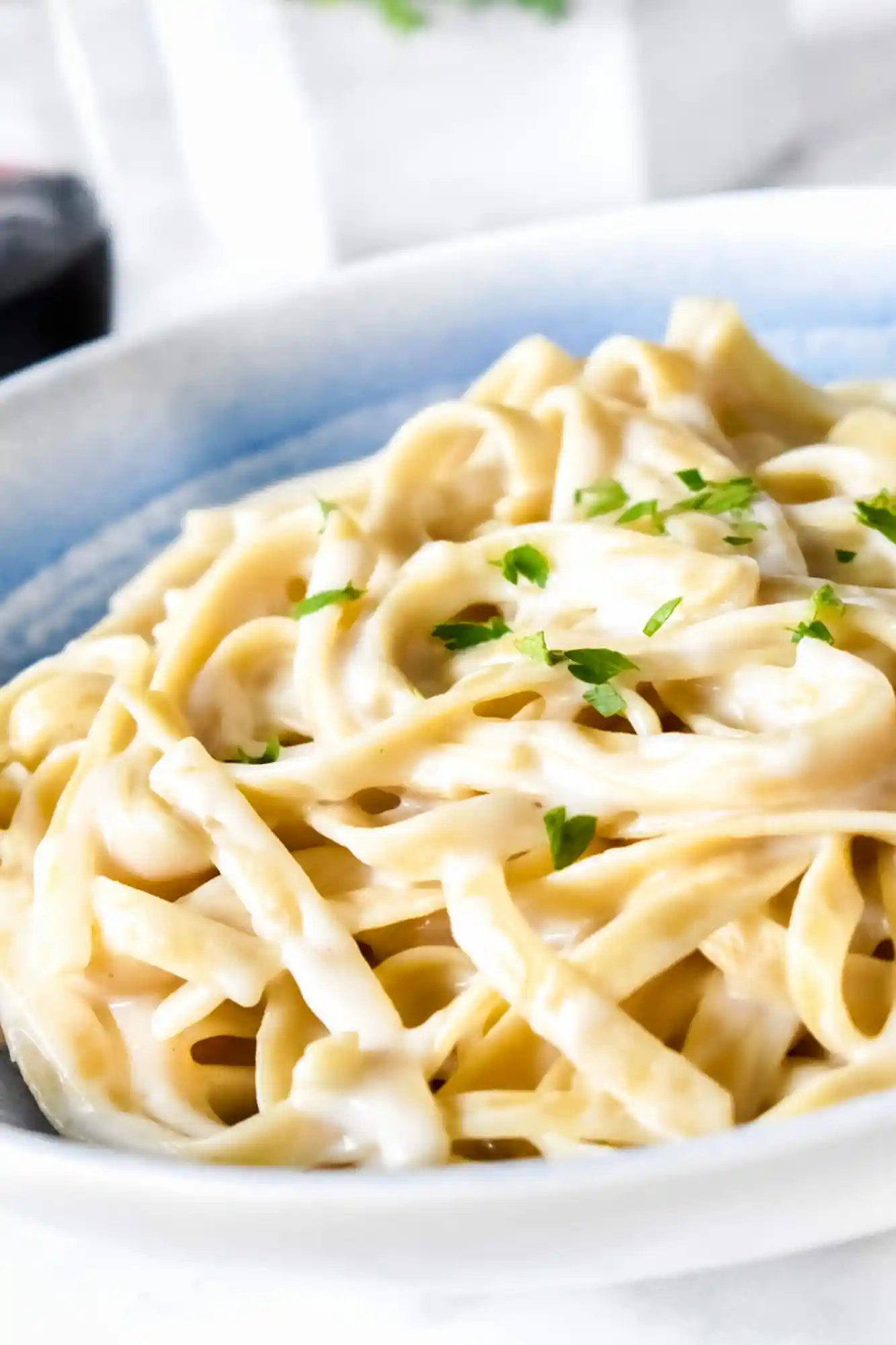
List of ingredients
- 10 oz fettuccine pasta
- 2 tablespoons butter
- 2 cloves garlic, minced
- 2 tablespoons flour
- 1 cup vegetable broth
- 1 cup milk
- 2/3 cup Parmesan cheese, freshly grated
- 1 pinch nutmeg
- salt and pepper to taste
- 1 tablespoon fresh parsley, finely chopped
step-by-step instructions
- Step: In a large pot of salted water, cook fettuccine according to package directions. Drain.
- Step: In a large saute pan, melt butter over medium-high heat. Add the minced garlic and saute for about a minute.
- Step: Whisk in the flour and cook for an additional minute to form a roux.
- Step: Add the broth and whisk quickly to remove any lumps. Slowly add in the milk, whisking continuously. Bring to a simmer until it thickens.
- Step: Reduce heat to medium. Season with nutmeg, salt, and pepper. Stir in the Parmesan cheese until melted and smooth. Remove from heat.
- Step: Add the pasta to the sauce and toss to combine and coat evenly. Transfer to serving dishes, sprinkle with fresh parsley, and serve.
Refining your roux
Importance of constant whisking
When incorporating the flour into the butter and then adding the liquid, vigorous whisking is the key to a silky result. If you stop whisking during the early stages of adding the broth, the flour can form small pockets that create a gritty texture. Keep the motion steady and smooth to ensure the flour integrates perfectly with the fat.
Cooking out the raw flour taste
The step of cooking the flour in the butter for one minute is crucial for flavor development. This process, often called cooking the roux, removes the raw, chalky taste of the flour. If you skip this, your final sauce may retain a faint taste of raw starch even after the milk is added.
Selecting the right dairy and broth
Choosing the best milk consistency
While you can use various types of milk, dairy with a higher fat content like 2% or whole milk will yield a richer mouthfeel. Skim milk can be used, but you may need to cook the sauce slightly longer to achieve the same thickness. Avoid using ultra-pasteurized or shelf-stable milk if possible, as it can sometimes behave differently when brought to a simmer.
Utilizing high-quality broth
Since the broth is a main liquid component in this sauce, it significantly impacts the flavor profile. Using a rich, well-seasoned chicken or vegetable broth enhances the overall taste compared to using water. Always taste your sauce before final seasoning, as the salt content in different brands of broth can vary widely.
Perfecting the cheese incorporation
Why fresh grating is essential
Pre-shredded Parmesan cheese is often coated in cellulose or other anti-caking agents to prevent clumping in the bag. These agents prevent the cheese from melting into a truly smooth sauce, leading to a grainy or lumpy texture. For the best, most decadent results, use a block of aged Parmesan and grate it yourself.
Temperature control during melting
After the sauce has thickened and you begin adding the cheese, ensure the pan is not over high heat. High heat can cause the proteins in the cheese to tighten, leading to a stringy sauce instead of a creamy one. Gently folding in the cheese off the heat or over very low heat ensures it incorporates into a smooth, emulsified state.
Optimizing texture and consistency
Adjusting thickness at the end
If the sauce thickens too much before you add the pasta, you can whisk in an extra splash of warm milk or pasta water. The pasta itself will also absorb some of the liquid, so aim for a consistency that is slightly thinner than you desire just before tossing. This ensures that the final dish is not dry when it reaches the table.
Managing the pasta water
Reserving a small cup of the starchy pasta water before draining is a professional trick. If the sauce becomes too thick during the tossing phase, adding just a tablespoon of this starchy water helps loosen the emulsion. The starch acts as a binding agent, helping the sauce cling to the noodles more effectively.
Strategic serving and timing
Serving immediately for best texture
Alfredo-style sauces are best served immediately after the pasta is tossed. As the sauce cools, the fats begin to solidify and the starches in the pasta continue to absorb moisture. If your guests are not ready to eat, keep the sauce warm in a double boiler rather than on direct heat to prevent separation.
Adding protein options
To turn this dish into a more substantial meal, consider adding pan-seared chicken breast, grilled shrimp, or roasted salmon. These proteins can be seasoned with simple herbs like thyme or rosemary to complement the nutmeg in the sauce. Place the protein on top of the plated pasta to keep it separate and flavorful.
Addressing common kitchen questions
How do I prevent the sauce from separating?
Separation usually occurs if the heat is too high when adding the cheese or if the sauce is boiled aggressively. Keep the heat at a gentle simmer and incorporate the cheese slowly, off the heat source. If it does happen, a quick splash of warm milk whisked in vigorously can often pull the emulsion back together.
Can I prepare the sauce in advance?
You can prepare the sauce base ahead of time and store it in the refrigerator, but it will thicken significantly. When you are ready to serve, gently reheat it in a pan over low heat, adding a splash of milk or broth to restore the proper consistency. Add the freshly cooked pasta to the warmed sauce just before you are ready to serve.
What should I do if the sauce is too thin?
If the sauce did not thicken enough, you can simmer it for an additional two to three minutes without the lid to reduce the moisture. Alternatively, make a small “slurry” by mixing one teaspoon of cornstarch with one tablespoon of cold water, then whisking it into the simmering sauce. This will quickly increase the viscosity without needing to cook the sauce for much longer.
Is there a way to make this gluten-free?
You can substitute the wheat flour with a gluten-free all-purpose flour blend when creating the roux. The process remains exactly the same, but you may find that the sauce thickens a bit faster, so watch it closely. Ensure your chosen pasta is also a certified gluten-free variety, such as those made from brown rice or corn.
How can I make this dish more colorful?
In addition to fresh parsley, you can stir in blanched peas, sautéed spinach, or finely diced roasted red peppers just before serving. These additions provide a beautiful visual contrast to the pale cream sauce. They also introduce fiber and vitamins, creating a more balanced and nutritious plate.
Print
Skinny Fettuccine Alfredo
- Total Time: PT20M
- Yield: 4 servings 1x
- Diet: Vegetarian
Description
This lightened-up, “Skinny” Fettuccine Alfredo tastes just as creamy and decadent as the real deal, but is lower in fat and calories than the traditional version.
Ingredients
- 10 oz fettuccine pasta
- 2 tablespoons butter
- 2 cloves garlic, minced
- 2 tablespoons flour
- 1 cup vegetable broth
- 1 cup milk
- 2/3 cup Parmesan cheese, freshly grated
- 1 pinch nutmeg
- salt and pepper to taste
- 1 tablespoon fresh parsley, finely chopped
Instructions
- Step: In a large pot of salted water, cook fettuccine according to package directions. Drain.
- Step: In a large saute pan, melt butter over medium-high heat. Add the minced garlic and saute for about a minute.
- Step: Whisk in the flour and cook for an additional minute to form a roux.
- Step: Add the broth and whisk quickly to remove any lumps. Slowly add in the milk, whisking continuously. Bring to a simmer until it thickens.
- Step: Reduce heat to medium. Season with nutmeg, salt, and pepper. Stir in the Parmesan cheese until melted and smooth. Remove from heat.
- Step: Add the pasta to the sauce and toss to combine and coat evenly. Transfer to serving dishes, sprinkle with fresh parsley, and serve.
Notes
To reheat leftovers, place the pasta in a large saute pan with a splash of water or milk. Heat over medium heat until warmed through. You can add extra protein like grilled chicken, shrimp, or salmon to make the meal more filling.
- Prep Time: PT5M
- Cook Time: PT15M
- Category: Dinner
- Method: Stovetop
- Cuisine: Italian American
Nutrition
- Serving Size: 1 serving
- Calories: 443 kcal
- Sugar: 5 g
- Sodium: 585 mg
- Fat: 15 g
- Saturated Fat: 8 g
- Unsaturated Fat: 6 g
- Trans Fat: 0 g
- Carbohydrates: 58 g
- Fiber: 2 g
- Protein: 19 g
- Cholesterol: 93 mg