This effortless sheet pan meal combines succulent shrimp with a rich garlic butter glaze for a high-flavor dinner. It requires minimal preparation and cleanup, making it an ideal choice for busy weeknights.
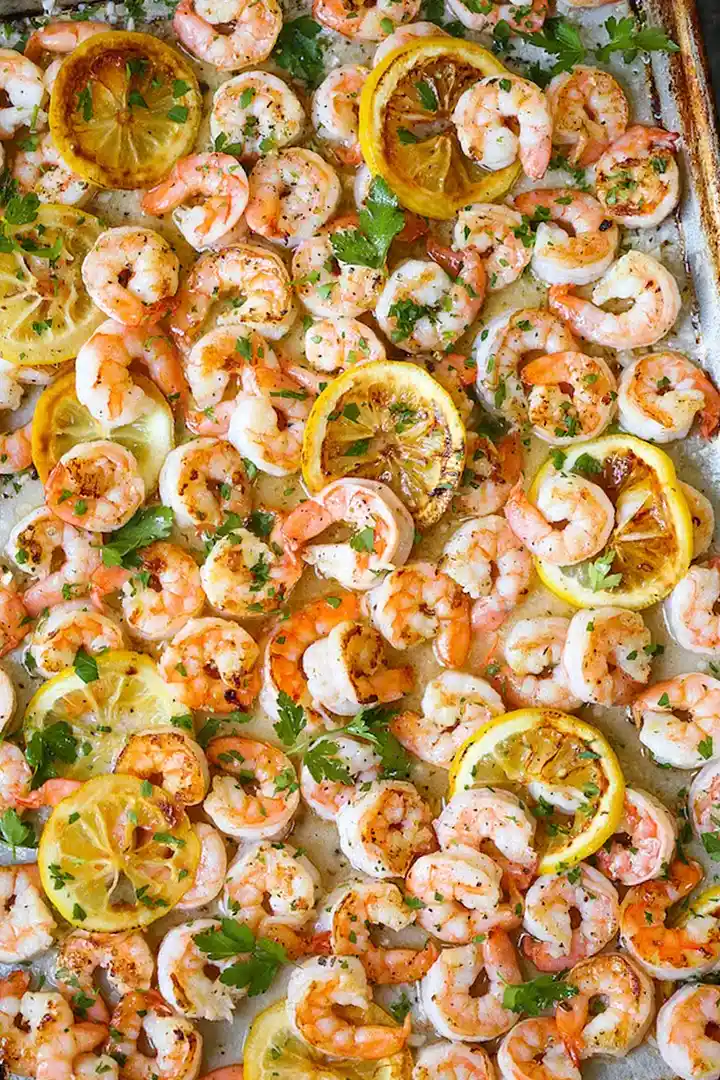
List of ingredients
- 1/2 cup unsalted butter, melted – provides the rich, creamy base for the sauce.
- 4 cloves garlic, minced – adds a sharp, aromatic punch to the glaze.
- 1 tablespoon freshly squeezed lemon juice – adds acidity to balance the butter; adjust to taste.
- 1/2 teaspoon Italian seasoning – a blend of dried herbs for depth of flavor.
- Kosher salt and freshly ground black pepper – used to season the mixture to taste.
- 1 1/2 pounds medium shrimp, peeled and deveined – the primary protein for the dish.
- 2 tablespoons chopped fresh parsley leaves – used as a fresh, colorful garnish.
step-by-step instructions
- Prepare Oven and Pan: Preheat your oven to 400 degrees F. Lightly oil a baking sheet or coat it with nonstick spray to ensure the shrimp do not stick.
- Whisk the Sauce: In a small bowl, whisk together the melted butter, minced garlic, lemon juice, and Italian seasoning. Season the mixture with salt and pepper to your preference.
- Coat the Shrimp: Place the shrimp in a single layer onto the prepared baking sheet. Stir in the butter mixture and gently toss the shrimp to ensure they are evenly coated.
- Bake: Place the sheet pan into the oven and bake just until the shrimp are pink, firm, and cooked through, which typically takes about 8-10 minutes.
- Finish and Serve: Remove from the oven and serve immediately. Garnish with the chopped fresh parsley if desired.
Optimal Cooking Techniques
Pat Shrimp Dry Before Coating
Excess moisture on the surface of the shrimp can lead to steaming rather than roasting. Use paper towels to pat each shrimp dry before adding the butter mixture. This ensures the sauce adheres better and the texture remains firm.
Maintain a Single Layer
Avoid crowding the shrimp on the baking sheet. If they are piled on top of each other, they will release more liquid and steam. A single layer allows the heat to circulate evenly for a consistent cook.
Monitor the Curl Shape
Shrimp cook very quickly and can become rubbery if overdone. Watch for the shrimp to curl into a ‘C’ shape. If they curl tightly into an ‘O’ shape, they are likely overcooked.
Use Fresh Garlic Cloves
For the most potent flavor, use fresh garlic rather than pre-minced jarred garlic. Freshly minced garlic provides a cleaner, more pungent taste that stands up better to the high heat of the oven.
Ingredient Alternatives
Thawing Frozen Shrimp
If using frozen shrimp, thaw them completely in the refrigerator overnight. Alternatively, place them in a colander under cold running water for 15 to 20 minutes. Never thaw shrimp in warm water, as this affects the texture.
Adjusting the Fat Source
While unsalted butter is traditional, you can use a combination of butter and olive oil for a slightly lighter profile. Maintain the same total volume of fat to ensure the shrimp stay moist during roasting.
Using Dried Parsley
If fresh parsley is unavailable, dried parsley can be used as a substitute. Use about one teaspoon of dried parsley for every tablespoon of fresh parsley. Mix it into the butter sauce rather than using it as a final garnish.
Increasing Citrus Intensity
For those who prefer a tangier dish, add a teaspoon of lemon zest to the butter mixture. The zest contains essential oils that provide a more intense lemon aroma than the juice alone.
Suggested Side Dishes
Serving with Steamed Rice
Steamed jasmine or basmati rice is an ideal accompaniment. The grains absorb the excess garlic butter sauce from the pan, ensuring none of the flavor goes to waste. This makes the meal more filling and hearty.
Pairing with Crusty Bread
A warm, toasted baguette or sourdough bread works well for dipping into the melted garlic butter. Slice the bread and brush it with a small amount of oil or butter before toasting in the oven.
Adding Roasted Vegetables
You can add asparagus or thin broccoli florets to the same sheet pan. Since these vegetables take slightly longer to cook than shrimp, place them in the oven for 5-7 minutes before adding the shrimp to the pan.
Complementing with a Fresh Salad
A light arugula or spinach salad with a simple vinaigrette balances the richness of the butter sauce. Use a dressing with a hint of lemon to mirror the flavors in the shrimp.
Preservation and Reheating
Refrigeration Guidelines
Store any leftover shrimp in an airtight container in the refrigerator. Ensure the shrimp are cooled slightly before sealing the container to prevent excessive condensation. They will stay fresh for up to two days.
Freezing Instructions
While cooked shrimp can be frozen, the texture may change upon thawing. If freezing, flash-freeze them on a tray before transferring them to a vacuum-sealed bag. Use them within one month for best quality.
Proper Reheating Method
To avoid overcooking during reheating, use a skillet over medium-low heat. Add a small knob of butter and warm the shrimp just until they are heated through. Avoid using a microwave, as it often makes shrimp rubbery.
Managing Sauce Separation
Butter-based sauces may separate or solidify when chilled. When reheating, the sauce will melt back into a liquid. Stir gently to re-emulsify the garlic and lemon components into the butter.
Advanced Prep Strategies
Preparing the Butter Sauce Early
You can whisk the butter, garlic, lemon juice, and seasonings several hours in advance. Store the mixture in a small jar in the refrigerator. Bring it to room temperature or melt it slightly before tossing with the shrimp.
Brief Marination
Tossing the shrimp in the sauce 15 to 30 minutes before baking can deepen the flavor. However, avoid marinating for too long, as the acid in the lemon juice can begin to ‘cook’ the shrimp and change their texture.
Prepping the Garnish
Chop the parsley and store it in a damp paper towel inside a plastic bag. This keeps the herbs fresh and prevents them from wilting before the shrimp come out of the oven.
Solving Common Cooking Problems
Dealing with Rubbery Shrimp
Rubbery shrimp are almost always a result of overcooking. Reduce the oven time by one or two minutes next time. Remember that shrimp continue to cook for a short period after being removed from the heat.
Fixing a Thin Sauce
If the sauce seems too watery on the pan, it may be due to excess moisture from the shrimp. Pat the shrimp more thoroughly before cooking, or reduce the amount of lemon juice by a teaspoon.
Preventing Burnt Garlic
If the garlic bits are browning too quickly, ensure the oven temperature is accurate with a thermometer. You can also stir the shrimp halfway through the cooking process to distribute the garlic more evenly.
Addressing Uneven Cooking
Ensure all shrimp are of a similar size. If you have a mix of large and medium shrimp, the smaller ones will overcook while the larger ones remain raw. Sort by size for the most consistent results.
Frequently Asked Questions
Can I use large shrimp instead of medium?
Yes, you can use large shrimp, but you will need to adjust the cooking time. Large shrimp typically require 12 to 15 minutes at 400 degrees F. Check them frequently to ensure they do not overcook.
Should I leave the tails on?
Leaving the tails on is primarily for presentation and provides a convenient handle for eating. If you prefer ease of consumption, remove the tails during the peeling and deveining process.
Can I use salted butter?
You can use salted butter, but you must reduce the amount of additional kosher salt added to the sauce. Taste the mixture before adding any extra salt to prevent the dish from becoming too salty.
What other seasonings work well?
While Italian seasoning is used here, you can substitute it with smoked paprika for a woody flavor or a pinch of cayenne pepper for heat. Garlic powder can be added for an extra layer of garlic intensity.
Print
Sheet Pan Garlic Butter Shrimp
- Total Time: 25 minutes
- Yield: 4 servings 1x
- Diet: Pescatarian
Description
A complete sheet pan dinner with only 5 ingredients. YES! JUST 5!!! Plus, who can resist that garlic butter sauce, right?
Ingredients
- 1/2 cup unsalted butter (melted)
- 4 cloves garlic (minced)
- 1 tablespoon freshly squeezed lemon juice (or more, to taste)
- 1/2 teaspoon Italian seasoning
- Kosher salt and freshly ground black pepper (to taste)
- 1 1/2 pounds medium shrimp (peeled and deveined)
- 2 tablespoons chopped fresh parsley leaves
Instructions
- Preheat: Preheat oven to 400 degrees F. Lightly oil a baking sheet or coat with nonstick spray.
- Mix: In a small bowl, whisk together butter, garlic, lemon juice and Italian seasoning; season with salt and pepper, to taste.
- Combine: Place shrimp in a single layer onto the prepared baking sheet. Stir in butter mixture and gently toss to combine.
- Bake: Place into oven and bake just until pink, firm and cooked through, about 8-10 minutes.
- Serve: Serve immediately, garnished with parsley, if desired.
- Prep Time: 15 minutes
- Cook Time: 10 minutes
- Category: Main Course
- Method: Baking
- Cuisine: American
Nutrition
- Serving Size: 1 serving
- Calories: 475 kcal
- Sugar: 2 g
- Sodium: 550 mg
- Fat: 32 g
- Saturated Fat: 18 g
- Unsaturated Fat: 12 g
- Trans Fat: 0 g
- Carbohydrates: 4 g
- Fiber: 1 g
- Protein: 38 g
- Cholesterol: 320 mg