This recipe delivers tender zucchini and yellow squash with caramelized, crispy edges. It is a fast, healthy side dish perfect for weeknight dinners or summer gatherings.
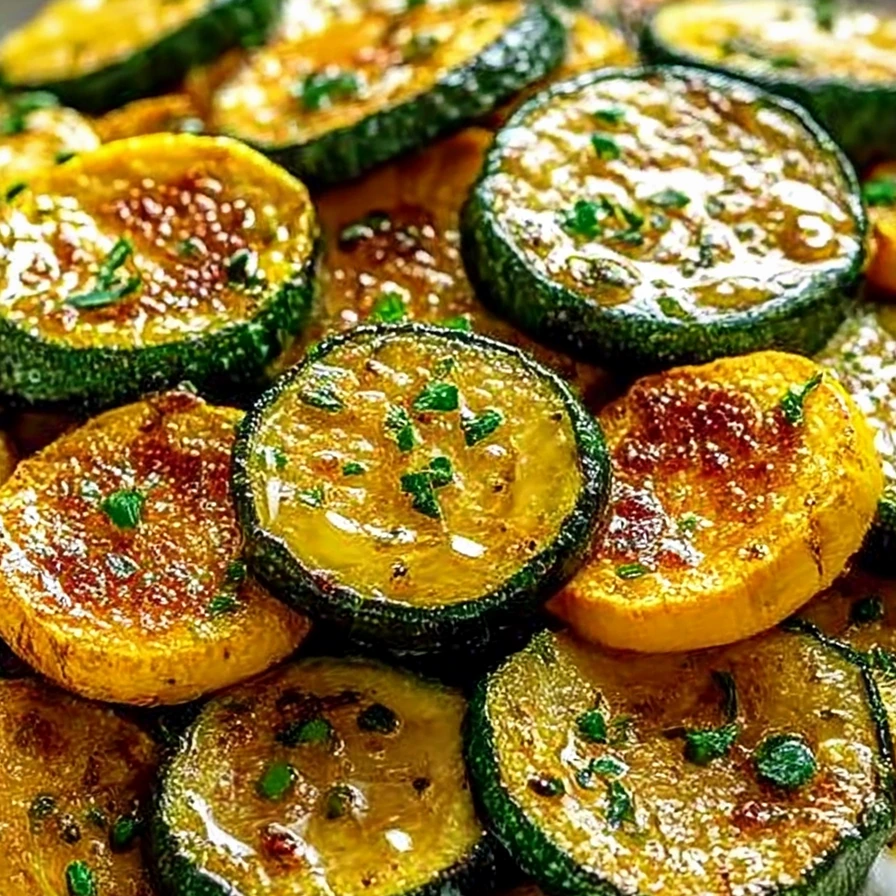
List of ingredients
- 1 lb yellow squash, sliced about ½ inch thick – ensures even cooking.
- 1 lb zucchini, sliced about ½ inch thick – provides a classic summer flavor.
- 3 tablespoons extra virgin olive oil – aids in browning and crisping.
- ½ teaspoon garlic powder – adds a savory punch without burning.
- ½ teaspoon Italian seasoning (store-bought or homemade) – brings an aromatic herby blend.
- ¼ teaspoon black pepper – adds a subtle, warm spice.
- ½ teaspoon sea salt – enhances all the natural vegetable flavors.
step-by-step instructions
- Prepare Oven: Preheat the oven to 425°F (220°C).
- Slice Squash: Slice the zucchini and yellow squash evenly into ½-inch thick rounds for consistent roasting.
- Dry Slices: Pat the slices dry thoroughly using a clean towel or paper towels to avoid soggy veggies and achieve crispy edges.
- Season: In a large bowl, toss the squash slices with olive oil, garlic powder, Italian seasoning, sea salt, and black pepper until every piece is nicely coated.
- Arrange: Spread the seasoned squash in a single layer on a baking sheet lined with parchment paper, leaving space between slices to allow even roasting.
- Roast: Roast in the oven for 10-12 minutes until the squash is tender and golden on the edges.
- Broil: For extra crispiness, switch the oven to broil and cook for another 3-6 minutes, watching closely so the garlic powder does not burn.
- Serve: Remove from the oven and serve immediately for the best texture and flavor.
Selecting the Best Produce
Prioritize Medium-Sized Squash
When shopping, choose medium-sized zucchini and yellow squash. Larger specimens often have larger seeds and a higher water content, which can lead to a mushy texture after roasting. Medium squash maintain their shape better and roast more evenly.
Check for Firmness and Weight
Select vegetables that feel heavy for their size and have firm flesh. Avoid any squash with soft spots or shriveled skin, as these are signs of age and moisture loss. The skin should be vibrant and smooth to ensure the freshest taste.
Choose High-Quality Olive Oil
Use an extra virgin olive oil with a fruity or peppery profile. High-quality oil not only enhances the flavor of the vegetables but also provides the necessary fat to conduct heat efficiently. This helps the edges of the squash caramelize and crisp up beautifully.
Expert Roasting Techniques
The Importance of Moisture Removal
Patting the squash slices dry is the most critical step for achieving a roast rather than a steam. Excess surface moisture creates a barrier between the oil and the vegetable, leading to soggy results. Using a lint-free towel or paper towels ensures the oil adheres directly to the squash.
Optimizing Pan Space and Airflow
Avoid the temptation to crowd the baking sheet. When slices touch or overlap, they release steam into each other, which prevents the edges from browning. Ensuring a single layer with space between each piece allows hot air to circulate and crisp every side.
Maintaining Slicing Consistency
Use a sharp knife to ensure every round is exactly ½ inch thick. If some pieces are thinner than others, they will overcook and shrink while the thicker pieces remain raw. Uniformity is the key to a consistent texture across the entire batch.
Controlling the Broiling Process
The broiler provides intense direct heat that creates the final golden crust. Because the temperature is so high, you must monitor the pan every minute. This prevents the garlic powder and Italian herbs from scorching, which would introduce a bitter taste.
Customizing Your Flavors
Incorporating Fresh Garden Herbs
While dried Italian seasoning is convenient, adding fresh herbs like basil or oregano right after roasting adds a bright, garden-fresh lift. Thyme or rosemary can be tossed with the oil before roasting for a deeper, woodsy aroma. Fresh parsley sprinkled on top provides a clean finish.
Adding a Savory Cheese Topping
For a richer flavor, sprinkle a handful of grated microbial-rennet parmesan cheese over the squash during the last three minutes of roasting. The cheese melts and forms a salty, golden crust. This adds a layer of complexity that pairs well with the natural sweetness of the yellow squash.
Introducing Heat and Spice
If you prefer a spicy side dish, add a pinch of red pepper flakes to the seasoning mix. Alternatively, a small amount of smoked paprika can be added to provide a deep, earthy heat. These options transform the dish from a mild side to a bold accompaniment.
Using Tangy Finishes
A drizzle of balsamic glaze added just before serving provides a sweet and tangy contrast to the savory roasted flavors. A squeeze of fresh lemon juice can also brighten the dish and cut through the richness of the olive oil. Both additions provide a professional, restaurant-style touch.
Expanding the Vegetable Medley
This roasting method works well for other summer vegetables. Try adding sliced bell peppers, cherry tomatoes, or red onion wedges to the baking sheet. These additions create a colorful medley that maintains the same cooking time and seasoning profile.
Serving and Pairing Suggestions
Pairing with Grilled Proteins
Roasted zucchini and yellow squash pair exceptionally well with grilled chicken breasts, baked salmon, or seared tofu. The caramelized edges of the squash complement the charred flavor of grilled meats. It provides a light, nutrient-dense balance to heavier protein dishes.
Integrating into Grain Bowls
These roasted vegetables are an excellent addition to quinoa, farro, or brown rice bowls. Combine the squash with cooked grains, fresh spinach, and a dollop of hummus or tahini dressing. This turns a simple side dish into a complete, satisfying vegetarian meal.
Using Squash in Cold Salads
Once cooled, the roasted squash can be tossed into a cold pasta salad or a mixed green salad. The concentrated flavors from roasting remain intact even when chilled. Pair them with feta cheese and a light vinaigrette for a refreshing summer lunch.
Creating Gourmet Toasts
Pile the roasted zucchini and yellow squash onto toasted sourdough or ciabatta bread. Add a layer of ricotta or avocado spread beneath the vegetables for extra creaminess. This makes for an impressive appetizer or a rustic breakfast option.
Storage and Reheating Advice
Proper Refrigeration Steps
Allow the roasted squash to cool completely to room temperature before transferring it to an airtight container. Placing hot vegetables in a closed container traps steam, which will make the squash soggy. Refrigerate immediately and keep for up to four days.
Reheating for Maximum Crispiness
To restore the crispy edges, avoid the microwave and use an air fryer or oven. Heat the squash at 375°F (190°C) for 3-5 minutes until warmed through. This method evaporates surface moisture and brings back the original roasted texture.
Avoiding the Microwave for Reheating
Microwaving roasted vegetables typically results in a soft, rubbery texture. The rapid heating process steams the vegetable from the inside out, destroying the caramelization. Only use the microwave if time is extremely limited and texture is not a priority.
Freezing and Thawing Guidelines
While zucchini can be frozen, the texture of roasted squash changes significantly upon thawing. It is best enjoyed fresh or refrigerated. If you must freeze it, use a flash-freeze method on a tray before bagging to prevent the pieces from clumping together.
Meal Prep Strategies
Batch Roasting for the Week
You can roast multiple batches of squash at once by using two baking sheets. Just remember to rotate the pans halfway through the roasting time to ensure even heat distribution. This allows you to have a healthy side dish ready for several days of meals.
Pre-Cutting and Storage
You can slice the zucchini and yellow squash a day in advance and store them in a container with a damp paper towel. However, do not season them until you are ready to roast. Seasoning too early draws out moisture through osmosis, making the vegetables watery.
Troubleshooting Your Results
Solving the Soggy Vegetable Issue
If your squash comes out soggy, it is usually due to overcrowding or insufficient drying. Ensure there is at least a half-inch of space between each slice on the pan. Increase the oven temperature slightly or extend the roasting time if the vegetables haven’t browned.
Preventing Burnt Garlic Powder
Garlic powder can burn quickly under a broiler, creating a bitter taste. To prevent this, ensure the powder is well-distributed and mixed with the oil. If you notice the vegetables browning too fast, move the oven rack to a lower position.
Correcting Uneven Browning
Uneven browning often happens because of oven hot spots. To fix this, rotate your baking sheet 180 degrees halfway through the roasting process. This ensures that every piece of squash receives an equal amount of heat from all directions.
Common Questions
How long should I roast zucchini squash?
Roast the slices for 10-12 minutes at 425°F, then broil for an additional 3-6 minutes to achieve crispy edges.
Can I roast squash without drying it?
You can, but the results will be softer and less caramelized. Patting the slices dry is essential for removing excess surface water and allowing the oil to crisp the edges.
What is the best olive oil for roasting?
Extra virgin olive oil is ideal because it provides a rich flavor and has a sufficient smoke point for roasting at 425°F.
How do I keep roasted squash crispy?
Ensure the slices are completely dry before oiling and avoid overcrowding the pan. Using the broiler for the final few minutes is the best way to lock in crispiness.
Print
Savory Roasted Zucchini and Yellow Squash
- Total Time: 25 minutes
- Yield: 4 servings 1x
- Diet: Vegan
Description
There’s a special kind of magic that happens when zucchini and yellow squash meet a hot oven. This roasted zucchini squash recipe quickly became a staple in my kitchen—simple, healthy, and packed with sun-kissed summer goodness.
Ingredients
- 1 lb yellow squash, sliced about ½ inch thick
- 1 lb zucchini, sliced about ½ inch thick
- 3 tablespoons extra virgin olive oil
- ½ teaspoon garlic powder
- ½ teaspoon Italian seasoning
- ¼ teaspoon black pepper
- ½ teaspoon sea salt
Instructions
- Step 1: Preheat the oven to 425°F (220°C).
- Step 2: Slice the zucchini and yellow squash evenly into ½-inch thick rounds for consistent roasting.
- Step 3: Pat the slices dry thoroughly using a clean towel or paper towels.
- Step 4: In a large bowl, toss the squash slices with olive oil, garlic powder, Italian seasoning, sea salt, and black pepper until every piece is nicely coated.
- Step 5: Spread the seasoned squash in a single layer on a baking sheet lined with parchment paper, leaving space between slices to allow even roasting.
- Step 6: Roast in the oven for 10-12 minutes until the squash is tender and golden on the edges.
- Step 7: Switch the oven to broil and cook for another 3-6 minutes.
- Step 8: Remove from the oven and serve immediately for the best texture and flavor.
Notes
Use medium-sized squash to avoid watery, seedy pieces. Dry slices well before seasoning to prevent sogginess. Broiling at the end achieves those crispy, caramelized edges everyone loves.
- Prep Time: 10 minutes
- Cook Time: 15 minutes
- Category: Side Dish
- Method: Roasting
- Cuisine: American
Nutrition
- Serving Size: 1 cup
- Calories: 90 kcal
- Sugar: 3 g
- Sodium: 200 mg
- Fat: 7 g
- Saturated Fat: 1 g
- Unsaturated Fat: 6 g
- Trans Fat: 0 g
- Carbohydrates: 6 g
- Fiber: 2 g
- Protein: 1 g
- Cholesterol: 0 mg