Prepare these spicy and aromatic noodles in just 20 minutes for a satisfying meal. This recipe uses a reduced-oil sauce method to maintain a bold flavor without excess grease.
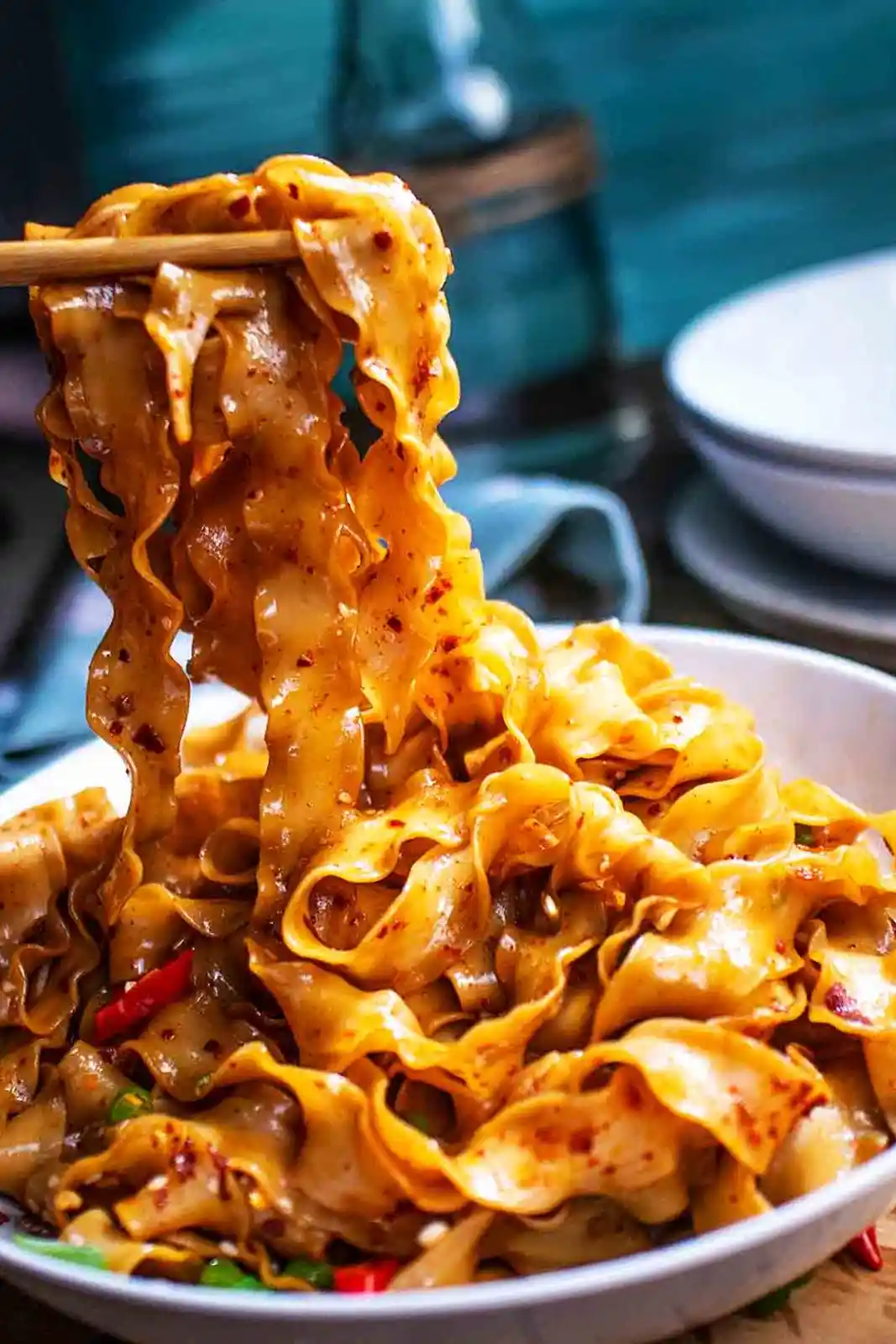
List of ingredients
- 11 oz Dried Ribbon Noodles (300g) – wide knife-cut wheat noodles are recommended.
- 1½ Tbsp Cooking Oil – use a neutral oil with a high smoking point like grapeseed.
- ½ Cup Scallion (white part) – thinly sliced for the aromatic base.
- 1½ Tbsp Minced Garlic – approximately 4 cloves, freshly minced.
- &frac1}{4} Cup Vegetable Broth – low-sodium variety for better flavor control.
- 2 Tbsp Light Soy Sauce – provides the primary salty base.
- 1 Tbsp Dark Soy Sauce – adds depth of color and a richer taste.
- 1 Tbsp Chinese Black Vinegar – adds a distinct tangy complexity.
- 1 Tbsp Korean Chilli Powder/Flakes (Gochugaru) – provides a mild heat and vibrant red color.
- &frac1}{4} Cup Scallion (green part) – thinly sliced for fresh garnish.
- 1 Tbsp Toasted Sesame Seeds – adds a nutty finish.
- Extra Chilli Flakes – optional for those who prefer more heat.
step-by-step instructions
- Sauté Aromatics: Heat a small frying pan over very low heat. Add the cooking oil, sliced white scallions, and minced garlic, sautéing for 5 minutes while stirring constantly to prevent burning.
- Simmer Sauce: Stir in the vegetable broth, light soy sauce, dark soy sauce, black vinegar, and Korean chili powder. Increase heat to medium-low and let the sauce simmer without a lid for 5 minutes.
- Prepare Noodles: While the sauce simmers, cook the dried ribbon noodles in a pot of boiling water according to the package instructions.
- Combine and Serve: Drain the noodles thoroughly and pour the hot garlic chili sauce over them. Mix well until fully coated, then garnish with green scallions, toasted sesame seeds, and optional extra chili flakes.
Selecting the Best Noodles
Using Knife-Cut Ribbon Noodles
Dried ribbon noodles are ideal because their wide, flat surface area and unique texture allow the sauce to cling effectively. These are typically wheat-based and provide a chewy bite that stands up well to bold flavors.
Substituting with Ramen Noodles
Ramen noodles are an excellent alternative if ribbon noodles are unavailable. They offer a different texture but absorb the soy-based sauce efficiently, making them a practical substitute for a quick meal.
Choosing Other Flat Wheat Noodles
Any flat, wide wheat noodle will work for this recipe. Ensure the noodles are not overly thin, as they may break during the mixing process when combined with the thick sauce.
Optimizing the Chili Sauce
Controlling the Heat Level
Korean Gochugaru is used for its vibrant color and mild heat. If you prefer a more intense spice, replace a portion of it with standard red chili flakes or add sriracha to the simmering sauce.
Balancing the Acidity
Chinese black vinegar provides a smoky, tart flavor that cuts through the richness of the oil. If the sauce feels too acidic, add a pinch of sugar to balance the tanginess without altering the overall flavor profile.
Adjusting Saltiness
Using low-sodium vegetable broth allows you to control the salt levels more accurately. If the dish is too salty, add an extra tablespoon of broth or a splash of water during the simmering stage.
Enhancing the Garlic Profile
For a more pungent garlic taste, increase the minced garlic to 6 cloves. Ensure you maintain very low heat during the initial sauté to avoid bitterness from overcooked garlic.
Advanced Cooking Techniques
Managing Very Low Heat
Garlic and scallions burn quickly, which creates a bitter taste in the sauce. Keep the heat at the lowest setting and stir continuously until the aromatics are translucent and fragrant.
Reducing Sauce Volume
Simmering the sauce without a lid for 5 minutes is essential for concentration. This process evaporates excess water from the broth, resulting in a thicker glaze that coats the noodles instead of pooling at the bottom.
Properly Draining Noodles
Water clinging to the noodles can dilute the sauce. Shake the colander vigorously or let the noodles sit for 30 seconds after draining to ensure they are as dry as possible before adding the sauce.
Adding Protein and Vegetables
Incorporating Firm Tofu
Cube extra-firm tofu and pan-sear it separately until golden brown. Toss the tofu into the noodles during the final mixing stage to add plant-based protein and texture.
Adding Blanched Bok Choy
Blanch baby bok choy in the same pot as the noodles during the last 60 seconds of cooking. Drain them along with the noodles to add a crisp, fresh element to the dish.
Including Sautéed Mushrooms
Sauté sliced shiitake or button mushrooms in a separate pan until browned. Mix them into the finished noodles for an earthy flavor and a meatier consistency.
Adding Julienned Carrots
Thinly slice carrots into matchsticks and blanch them quickly or sauté them with the garlic. This adds a natural sweetness and a pop of color to the spicy red sauce.
Serving and Presentation Ideas
Selecting Garnish Combinations
Beyond the required scallions and sesame seeds, consider adding crushed roasted peanuts for extra crunch. A few drops of toasted sesame oil drizzled over the top can enhance the aroma.
Choosing the Right Bowl
Serve these noodles in shallow, wide bowls to keep the noodles from clumping. This presentation allows you to spread the noodles out and showcase the colorful garnishes on top.
Pairing with Side Dishes
Pair this spicy dish with a cooling side, such as a smashed cucumber salad with rice vinegar. A bowl of steamed edamame or a simple clear vegetable soup also complements the bold flavors.
Storage and Reheating Guide
Refrigeration Guidelines
Store leftover noodles in an airtight container in the refrigerator for up to three days. Note that the noodles will continue to absorb the sauce over time, which may make them appear drier.
Stovetop Reheating Method
Reheat noodles in a pan over medium heat with a small splash of water or vegetable broth. This loosens the sauce and restores the glossy texture without overcooking the noodles.
Microwave Reheating Tips
Place noodles in a microwave-safe dish and sprinkle with a tablespoon of water. Cover with a damp paper towel and heat in 30-second intervals, stirring in between to ensure even heating.
Troubleshooting Common Issues
Addressing Bitter Sauce
If the sauce tastes bitter, it is likely that the garlic was burnt during the sauté step. To fix this, you may need to start the sauce base over, as burnt garlic flavor cannot be removed.
Fixing a Watery Sauce
If the sauce is too thin to coat the noodles, simmer it for an additional 2-3 minutes before adding the noodles. You can also stir in a tiny pinch of cornstarch slurry if the sauce needs immediate thickening.
Handling Overcooked Noodles
If the noodles become too soft or mushy, avoid over-stirring them during the mixing process. Gently fold the sauce into the noodles to maintain as much structural integrity as possible.
Frequently Asked Questions
Can I use a different type of vinegar?
If Chinese black vinegar is unavailable, you can use a mixture of balsamic vinegar and a pinch of sugar, although the flavor profile will differ slightly.
Is this recipe suitable for gluten-free diets?
To make this gluten-free, replace the wheat-based ribbon noodles with rice noodles and use tamari or coconut aminos instead of soy sauce.
Can I make the sauce in advance?
Yes, you can prepare the sauce and store it in the fridge for up to one week. Simply reheat the sauce in a pan before tossing it with freshly cooked noodles.
Why use two types of soy sauce?
Light soy sauce provides the saltiness and savory flavor, while dark soy sauce is used primarily for its thick consistency and rich, dark brown color.
Which oil is best for this recipe?
Any neutral oil with a high smoke point works best, such as grapeseed, canola, or sunflower oil, as these will not alter the flavor of the aromatics.
Print
Savory Garlic Chili Noodles
- Total Time: 20 minutes
- Yield: 4 servings 1x
- Diet: Vegan
Description
These quick and easy Garlic Chilli Noodles are scrumptious and highly addictive! A savory, spicy, and garlicky noodle dish featuring a rich soy-based sauce.
Ingredients
- 11 oz dried ribbon noodles (300g)
- 1½ tbsp cooking oil
- ½ cup scallion (white part), thinly sliced
- 1½ tbsp minced garlic
- ¼ cup low-sodium vegetable broth
- 2 tbsp light soy sauce
- 1 tbsp dark soy sauce
- 1 tbsp Chinese black vinegar
- 1 tbsp Korean chilli powder/flakes
- ¼ cup scallion (green part), thinly sliced
- 1 tbsp toasted sesame seeds
- chilli flakes, optional
Instructions
- Step 1: Heat a small frying pan over very low heat. Add cooking oil, thinly sliced scallion (white part), and minced garlic; sauté for 5 minutes, stirring constantly.
- Step 2: Add vegetable broth, light soy sauce, dark soy sauce, black vinegar, and Korean chilli powder/flakes into the pan and stir. Increase heat to medium-low and simmer for 5 minutes without a lid.
- Step 3: Cook dried noodles in a pot according to package instructions.
- Step 4: Drain the noodles well, pour the garlic chilli sauce over them, and mix until well coated. Garnish with scallion (green part), toasted sesame seeds, and additional chilli flakes.
Notes
Dried ribbon noodles or ramen noodles work well for this recipe. Any neutral oil with a high smoking point (like grapeseed oil) can be used.
- Prep Time: 10 minutes
- Cook Time: 10 minutes
- Category: Main Course
- Method: Stir-frying
- Cuisine: Chinese
Nutrition
- Serving Size: 1 serving
- Calories: 426 kcal
- Sugar: 2 g
- Sodium: 2453 mg
- Fat: 19 g
- Saturated Fat: 7 g
- Unsaturated Fat: 12 g
- Trans Fat: 1 g
- Carbohydrates: 55 g
- Fiber: 4 g
- Protein: 11 g
- Cholesterol: 0 mg