This savory balsamic marinade creates juicy, tender chicken with a perfect balance of tangy and sweet notes. It is a versatile preparation suitable for grilling, pan-searing, or oven-roasting to enhance any meal.
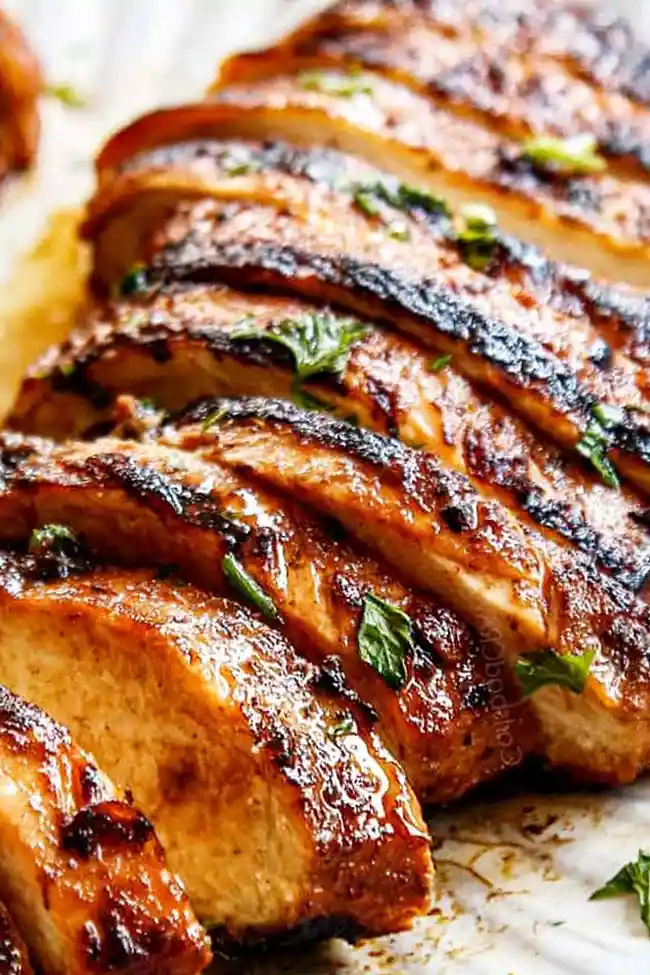
List of ingredients
- 1 pound chicken breasts – pounded to an even thickness for consistent cooking.
- 3 tablespoons extra virgin olive oil – provides moisture and carries fat-soluble flavors.
- 3 tablespoons balsamic vinegar – adds the signature tangy and rich base.
- 2 tablespoons honey – balances acidity and helps with caramelization.
- 1 tablespoon lemon juice – adds a bright, citrusy lift.
- 1 tablespoon Dijon mustard – provides a deep tang and emulsifies the sauce.
- 1 tsp dried oregano – adds classic earthy, herbaceous notes.
- 1 tsp dried basil – adds a sweet, peppery herbal layer.
- 1 tsp garlic powder – provides a consistent savory punch.
- 1 tsp onion powder – adds a subtle sweetness and depth.
- 1 tsp salt – essential for brining and flavor enhancement.
- 1/2 teaspoon pepper – provides a basic sharp warmth.
- 1/4 teaspoon red pepper flakes – adds a hint of spicy heat.
step-by-step instructions
- Prepare the marinade: Whisk the olive oil, balsamic vinegar, honey, lemon juice, Dijon mustard, and all seasonings together in a freezer bag or glass bowl. Ensure the honey is fully incorporated.
- Coat the chicken: Add the pounded chicken breasts to the mixture and turn them to coat thoroughly. Push out excess air if using a bag for better contact.
- Marinate: Let the chicken marinate for 30 minutes at room temperature if you are in a hurry, or refrigerate for up to 12 hours for deeper flavor.
- Temper the meat: Remove the chicken from the refrigerator and let it rest for 15-30 minutes before cooking to ensure an even internal temperature.
- Grill the chicken: Preheat your grill to 400 degrees, clean and grease the grates. Grill the chicken undisturbed for 5-7 minutes per side until the internal temperature reaches 165 degrees F.
- Cook on the stove: Heat 1 tablespoon of olive oil in a non-stick or cast-iron skillet over medium-high heat. Sear chicken undisturbed for 3-4 minutes until golden, then flip, cover, and cook on medium for 5-7 minutes until it reaches 165 degrees F.
- Bake in the oven: Preheat the oven to 425 degrees F and grease a baking dish. Drain the chicken from the marinade and bake uncovered for 16-18 minutes, or until the internal temperature hits 165 degrees F.
- Rest the meat: Allow the cooked chicken to rest for 5 minutes before slicing. This prevents juices from escaping and keeps the meat succulent.
Professional Meat Preparation
Pound Chicken for Even Cooking
Chicken breasts vary in thickness, which often leads to the thin end drying out before the thick end is safe to eat. Use a meat mallet or rolling pin to flatten the thickest part. This ensures every bite is cooked uniformly and stays juicy.
Tenderize Using Household Tools
If you do not own a professional meat mallet, the flat side of a heavy can or a rolling pin works well. Place the meat between two layers of plastic wrap first to keep your workspace clean. Gently pound the meat to break down tough fibers and increase tenderness.
Choosing the Right Balsamic Vinegar
Traditional Balsamic for Finishing
Traditional balsamic is highly concentrated and aged for 12 to 25 years in various wood barrels. It is far too expensive and delicate for marinades, as heating destroys its complex profile. Save this variety for drizzling over finished cheeses or desserts.
Condimento Balsamico for Gourmet Touches
Condimento is produced with traditional techniques but may not be aged as long or produced in specific regions. While better than basic vinegar, it is still best reserved as a finishing touch rather than a cooking ingredient. Look for the IGP stamp to ensure quality.
Balsamic Vinegar of Modena IGP for Marinades
This is the ideal choice for cooking and marinating because it is regulated yet affordable. It balances grape must with wine vinegar to provide the necessary acidity for tenderizing meat. It reduces well, making it perfect for glazes and sauces.
Non-IGP and Imitation Vinegars
Avoid imitation balsamics that use caramel coloring and artificial sweeteners instead of grape must. These lack the depth of flavor required for a high-quality marinade. Always check the ingredient list to ensure grape must is the primary component.
Understanding the Marinade Components
The Role of Olive Oil
Olive oil acts as the delivery system for the dried herbs and spices, which are fat-soluble. It creates a protective barrier around the meat to prevent it from drying out during high-heat cooking. Quality extra virgin olive oil provides the best flavor profile.
Tenderizing with Acids
The combination of balsamic vinegar and lemon juice breaks down the lean muscle fibers of the chicken breast. This chemical process makes the meat more tender and allows other flavors to penetrate deeper. However, over-marinating can make the meat mushy.
Enhancing Juiciness with Salt
Salt creates a brine that increases the moisture capacity of the protein through osmosis. This change in cellular structure prevents the muscle fibers from contracting too tightly during cooking. The result is a piece of chicken that retains significantly more juice.
Balancing with Honey
Honey serves two main purposes: balancing the sharp acidity of the vinegar and promoting the Maillard reaction. The sugars in honey caramelize under heat, creating those desirable dark brown grill marks. It adds a subtle sweetness that complements the savory herbs.
Adding Depth with Seasonings
Dijon mustard adds an emulsifying quality that keeps the oil and vinegar blended. Garlic and onion powders provide a foundational savoriness, while red pepper flakes add a subtle heat. Together, these create a multi-dimensional flavor profile that avoids tasting one-dimensional.
Alternative Cooking Methods and Cuts
Adapting for Chicken Thighs
Chicken thighs are more forgiving than breasts because they have a higher fat content. You can use this marinade exactly as written, but you will need to increase the cooking time. Ensure they reach an internal temperature of 175 degrees F for the best texture.
Cooking Wings and Drumsticks
The marinade works excellently on wings and drumsticks for a tangy appetizer. Since these cuts have bones, they require longer cooking times, especially in the oven or on the grill. Use a meat thermometer to check the thickest part of the meat.
Optimizing Grill Marks
To get professional sear marks, ensure your grill is screaming hot before adding the meat. Do not flip the chicken too early; let it sear for at least 5 minutes undisturbed. The meat will naturally release from the grates once the crust has formed.
Managing Stove-Top Heat
When pan-searing, use a cast-iron skillet for the most consistent heat distribution. Start with a very hot pan to get a deep golden crust on the first side. Covering the pan for the second half of cooking traps steam, which helps cook the center without burning the outside.
Perfecting the Oven Bake
For the best oven results, drain excess marinade from the chicken to avoid steaming the meat. A higher temperature of 425 degrees F is recommended to mimic the searing effect of a grill. Use a baking dish that allows air to circulate around the chicken.
Food Safety and Storage Guidelines
Safe Container Selection
Sealable freezer bags are the best choice for marinating because they allow you to remove excess air. This ensures the meat is fully enveloped in the liquid for maximum flavor absorption. Glass containers are also a safe, non-reactive alternative.
Preventing Cross Contamination
Never reuse marinade that has touched raw chicken as a sauce unless you boil it first. The safest method is to reserve a portion of the marinade before adding the meat. This reserved portion can be used for basting or as a dipping sauce.
Avoiding Over-Marination
Limit the marinating time to 12 hours to prevent the acids from breaking down the protein too much. Exceeding this window can result in a mealy or mushy texture. If you cannot cook the chicken within 12 hours, move it to the freezer immediately.
Storing Cooked Chicken
Store cooked balsamic chicken in an airtight container in the refrigerator for up to 3 to 4 days. Ensure the chicken is cooled slightly before sealing to prevent excess moisture buildup. This makes it a great option for weekday meal prep.
Reheating for Maximum Moisture
To reheat in the microwave, slice the chicken first and heat in 30-second intervals to avoid overcooking. For the oven, cover the chicken with foil and heat at 350 degrees F until warmed through. Adding a splash of water or broth can help restore moisture.
Freezing and Meal Prep Strategy
Freezing Raw Marinating Chicken
You can place raw chicken and the marinade ingredients into a freezer bag and freeze them together for up to 3 months. As the chicken thaws in the refrigerator, it marinates naturally. This saves time and ensures the meat is ready to cook immediately after thawing.
Freezing Pre-Cooked Chicken
Allow cooked chicken to cool completely before transferring it to a freezer-safe bag. Squeeze out as much air as possible to prevent freezer burn. Cooked balsamic chicken remains flavorful for 2 to 3 months in the freezer.
Preparing Marinade in Advance
The marinade itself can be whisked together and stored in a jar in the fridge for up to 5 days. This allows you to quickly prep dinner by simply adding the chicken to the pre-made sauce. Keep the marinade separate from the meat until you are ready to start the process.
Creative Serving Ideas
Balsamic Chicken Salads
Slice the grilled chicken and serve it over a bed of mixed greens, cherry tomatoes, and cucumber. Drizzle with extra balsamic glaze and add feta cheese for a refreshing meal. This combination is perfect for a healthy lunch or a light summer dinner.
Gourmet Chicken Sandwiches
Create a Caprese-style sandwich by layering sliced balsamic chicken with fresh mozzarella and tomato. Spread pesto on a toasted ciabatta roll for added depth. Add avocado or sprouts for extra texture and nutrition.
Hearty Pasta Combinations
Toss thinly sliced balsamic chicken into a pasta dish with roasted red peppers and garlic. This pairs exceptionally well with a light Alfredo sauce or a simple olive oil and parmesan toss. The acidity of the chicken cuts through the richness of the cheese.
Wrap and Panini Ideas
Use a flour tortilla or flatbread and fill it with chicken, spinach, and sliced provolone. Press it in a panini press or sear it in a skillet until the cheese is melted. This is an easy way to use leftover marinated chicken for a quick meal.
Recommended Side Dishes
Potato Pairings
Garlic butter mashed potatoes provide a creamy contrast to the tangy balsamic notes. Roasted red potatoes with rosemary or crispy smashed potatoes also work well. For a heartier meal, try a side of scalloped potatoes.
Fresh Salad Options
A strawberry spinach salad with poppyseed dressing complements the sweetness of the honey in the marinade. A classic cucumber and tomato salad with red onion also provides a fresh, crisp balance. Wedge salads with blue cheese are another bold option.
Complementary Vegetables
Roasted asparagus or sautéed Brussels sprouts enhance the earthy tones of the balsamic. Grilled corn on the cob adds a summer feel to the plate. For a sweeter option, try glazed carrots or roasted butternut squash.
Bread and Grain Sides
Garlic bread or toasted ciabatta is perfect for soaking up any extra juices from the chicken. Quinoa bowls or wild rice pilaf offer a nutty base that supports the savory flavors. Cornbread adds a rustic, sweet touch to the meal.
Frequently Asked Questions
How does this marinade work?
The marinade uses a combination of fat (olive oil) to carry flavors, acids (vinegar and lemon) to tenderize the meat, and salt to create a brine for juiciness. Honey balances the acidity and promotes browning, while the spices add complex aromatic layers.
Should you poke holes in chicken?
No, you should not poke holes in the chicken before marinating. This can drain out the natural juices and lead to a drier final product. If the cut is very thick, you can make shallow slits, but avoid puncturing the meat entirely.
Print
Savory Balsamic Chicken Marinade
- Total Time: 21 minutes
- Yield: 4–6 servings 1x
- Diet: General
Description
This balsamic chicken marinade elevates chicken with complex savory, tangy, slightly sweet, and herbilicious notes using balsamic vinegar, lemon juice, honey, and Dijon mustard.
Ingredients
- 1 pound chicken breasts (pounded to an even thickness)
- 3 tablespoons extra virgin olive oil
- 3 tablespoons balsamic vinegar
- 2 tablespoons honey
- 1 tablespoon lemon juice
- 1 tablespoon Dijon mustard
- 1 tsp dried oregano
- 1 tsp dried basil
- 1 tsp garlic powder
- 1 tsp onion powder
- 1 tsp salt
- 1/2 teaspoon pepper
- 1/4 teaspoon red pepper flakes
Instructions
- Whisk: Whisk the marinade ingredients together in a freezer bag or glass bowl.
- Coat: Add chicken and turn to coat.
- Marinate: Marinate for 30 minutes at room temperature or refrigerate up to 12 hours.
- Rest: Remove chicken from the refrigerator and let rest 15-30 minutes before cooking.
- Grill: Preheat grill to 400 degrees and grill undisturbed for 5-7 minutes per side until internal temperature reaches 165 degrees F.
- Stove: Heat 1 tablespoon olive oil in a skillet over medium-high heat, cook undisturbed for 3-4 minutes, flip, cover, and cook 5-7 more minutes until 165 degrees F.
- Bake: Preheat oven to 425 degrees F and bake uncovered in a greased dish for 16-18 minutes until internal temperature reaches 165 degrees F.
Notes
Pound chicken to even thickness for uniform cooking. Do not marinate longer than 12 hours to avoid toughening the meat. Let meat rest 5 minutes after cooking before slicing.
- Prep Time: 5 minutes
- Cook Time: 12 minutes
- Category: Main Dish
- Method: Grilling, Sautéing, or Baking
- Cuisine: Italian
Nutrition
- Serving Size: 1 serving
- Calories: 310 kcal
- Sugar: 9 g
- Sodium: 580 mg
- Fat: 14 g
- Saturated Fat: 2 g
- Unsaturated Fat: 12 g
- Trans Fat: 0 g
- Carbohydrates: 18 g
- Fiber: 1 g
- Protein: 28 g
- Cholesterol: 85 mg