This vibrant pasta dish combines succulent shrimp with a silky lemon garlic butter sauce for an elegant meal that takes less than thirty minutes to prepare. It is the perfect solution for busy weeknights when you want restaurant-quality comfort food without the long wait or complicated technique. Follow these steps to achieve a perfectly balanced, zesty, and satisfying dinner for your family.
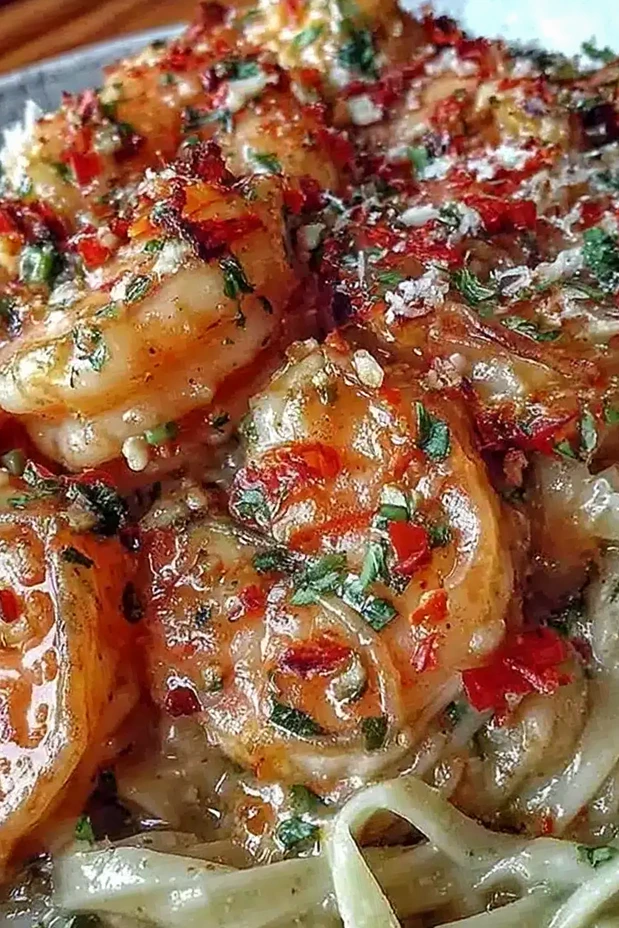
List of ingredients
- 8 ounces linguine or spaghetti pasta
- 1 pound raw shrimp, peeled and deveined
- Salt and freshly ground black pepper, to taste
- 1 tablespoon olive oil
- 4 tablespoons unsalted butter, divided
- 4 cloves garlic, minced
- 1/2 cup heavy cream or half-and-half
- 1/2 cup freshly grated Parmesan cheese
- Juice and zest of 1 large lemon
- 1/4 teaspoon red pepper flakes (optional)
- Fresh parsley, chopped (for garnish)
step-by-step instructions
- Step: Bring a large pot of salted water to a boil. Add the linguine and cook according to package directions until al dente, about 8–10 minutes. Reserve 1/2 cup of pasta water before draining. Drain the pasta and set aside.
- Step: While pasta cooks, pat the shrimp dry with paper towels. Season lightly with salt and pepper.
- Step: Heat 1 tablespoon olive oil and 2 tablespoons of butter in a large skillet over medium-high heat. Add the shrimp in a single layer and cook for 2 minutes on one side until pink and slightly golden, then flip and cook another 1–2 minutes. Remove shrimp from skillet and set aside.
- Step: Lower heat to medium. Add remaining 2 tablespoons butter to the skillet. Once melted, add minced garlic and sauté for about 1 minute until fragrant but not browned.
- Step: Pour in 1/2 cup heavy cream and stir, scraping up any browned bits from the pan. Add grated Parmesan cheese slowly, stirring until melted and sauce is smooth.
- Step: Stir in the lemon juice, lemon zest, and red pepper flakes (if using). Taste and adjust salt and pepper. If the sauce feels too thick, add a splash of reserved pasta water to loosen it.
- Step: Add the drained pasta and cooked shrimp back into the skillet. Toss everything gently to coat evenly with the creamy lemon garlic butter sauce. Heat for a minute or two just to marry the flavors.
- Step: Sprinkle chopped fresh parsley on top and serve immediately while warm.
Refining your technique
Achieving the perfect sear on shrimp
To avoid a rubbery texture, heat is your best friend. Ensure your skillet is hot before the shrimp hits the surface, which creates a quick crust while keeping the interior juicy. Always cook the shrimp in a single layer to prevent overcrowding, which would otherwise release excess moisture and result in boiled, grayish shrimp instead of golden, seared ones.
The importance of reserved pasta water
The starchy water left behind after boiling pasta acts as an emulsifier. When combined with butter, cream, and cheese, it helps the sauce cling to the noodles rather than sliding off to the bottom of the bowl. Always remember to save a cup before you dump the contents of your pasta pot into the colander.
Managing garlic for maximum flavor
Garlic has a tendency to burn rapidly, which imparts a bitter, acrid taste to the entire sauce. Always cook your garlic over medium or medium-low heat and keep it moving with a spatula. As soon as you can smell the aroma filling your kitchen, it is time to move to the next step, as it will likely be fully cooked in less than sixty seconds.
Customizing your pasta experience
Ingredient substitutions for dietary needs
If you prefer a lighter base, you can substitute the heavy cream with half-and-half or even a mix of milk and a small amount of extra pasta water. For those who cannot consume dairy, coconut cream provides a similar, albeit slightly sweeter, richness, while nutritional yeast can mimic the savory, umami-heavy profile of Parmesan cheese.
Adding vegetable variety
While this dish is delicious as is, it is a perfect vessel for extra vegetables. Add a handful of fresh baby spinach during the final minute of tossing, or fold in roasted asparagus tips or sautéed zucchini coins. These additions increase the nutritional value and provide a nice textural contrast to the tender shrimp and soft pasta noodles.
Experimenting with citrus profiles
While lemon is the traditional choice for this flavor combination, you can easily swap it for lime if you prefer a sharper, more tropical acidity. Another way to change the flavor profile is by adding a small amount of fresh lemon thyme or finely chopped chives to the final garnish. These herbs provide a different aromatic layer that complements the garlic and butter perfectly.
Storage and serving insights
Keeping leftovers fresh
If you have leftovers, place them in an airtight container as soon as the pasta has cooled to room temperature. This helps maintain the moisture balance and prevents the pasta from drying out in the refrigerator. Consume within 48 hours for the best quality, as the shrimp texture will begin to degrade after this point.
Reviving creamy sauces
When reheating, do not use the microwave, as it often causes the sauce to separate into oily pools. Instead, place the pasta in a small skillet over low heat and add a tiny splash of water, milk, or broth. Stir continuously until the butter and cheese emulsify once more, creating a glossy coating on the noodles that rivals the freshly prepared version.
Planning for successful entertaining
This recipe is highly conducive to hosting because the pasta can be cooked ahead, and the shrimp can be seared in advance. Keep the sauce components prepped in bowls so you can assemble the dish right before your guests sit down. The final toss takes less than three minutes, allowing you to spend more time socializing rather than hovering over the stove.
Addressing common kitchen challenges
Why does my sauce separate?
Sauce separation usually occurs when the heat is too high or the cheese is added too quickly. Always keep the heat at a steady, low-to-medium level when incorporating the Parmesan cheese. If you notice the sauce looking slightly oily, whisk in a tablespoon of cold water or pasta water to re-emulsify the fats and liquids back into a smooth, cohesive whole.
How to handle frozen shrimp
If you are using frozen shrimp, place them in a colander under cool running water until they are fully pliable. It is critical to take the time to pat them dry with multiple layers of paper towels; if they are wet, they will release water into the pan and destroy your ability to get a proper, appetizing sear. Never skip the drying step, even if you are in a rush.
Ensuring proper noodle texture
For the best experience, cook your pasta about one minute less than the package instructions suggest. Since the noodles will continue to cook briefly in the hot sauce when you toss them together, pulling them from the boiling water while they are still firm ensures they do not turn mushy. This technique keeps the pasta structured and resilient against the weight of the rich, creamy sauce.
Frequently asked questions
Can I use dried parsley if I do not have fresh on hand?
Yes, you can use dried parsley, but remember that the flavor is more concentrated than the fresh herb. Use about one teaspoon of dried parsley instead of the larger handful of fresh, and stir it into the sauce during the final minute of cooking to allow the heat to rehydrate it slightly. Keep in mind that fresh parsley provides a much brighter, more vibrant finish that is characteristic of this dish.
What is the best way to keep shrimp from becoming rubbery?
Shrimp have a very short cooking window. They are done the moment they curl into a “C” shape and turn an opaque pink color. If they curl into a tight “O” shape, they are typically overcooked. By removing the shrimp from the pan before you build the cream sauce and then returning them only at the very end, you effectively prevent them from sitting in the hot pan longer than necessary.
Can this dish be made ahead of time for lunch?
Yes, this recipe works very well for meal prep. Store the cooked shrimp and the saucy pasta in separate compartments if you have a meal prep container, or mix them together. When you are ready to eat, simply heat it gently on the stove with a splash of water, as the pasta will absorb the moisture from the sauce while it sits in the refrigerator, and it will need that little bit of liquid to return to its original, velvety consistency.
Print
Quick Creamy Lemon Garlic Butter Shrimp Pasta
- Total Time: 25 minutes
- Yield: 4 servings 1x
- Diet: Pescatarian
Description
A fast and flavorful shrimp pasta dish with a creamy lemon garlic butter sauce, perfect for busy weeknights or date nights.
Ingredients
- 8 ounces linguine or spaghetti pasta
- 1 pound raw shrimp, peeled and deveined
- Salt and freshly ground black pepper, to taste
- 1 tablespoon olive oil
- 4 tablespoons unsalted butter, divided
- 4 cloves garlic, minced
- 1/2 cup heavy cream or half-and-half
- 1/2 cup freshly grated Parmesan cheese
- Juice and zest of 1 large lemon
- 1/4 teaspoon red pepper flakes (optional)
- Fresh parsley, chopped (for garnish)
Instructions
- Step: Bring a large pot of salted water to a boil. Add the linguine and cook according to package directions until al dente, about 8–10 minutes. Reserve 1/2 cup of pasta water before draining. Drain the pasta and set aside.
- Step: While pasta cooks, pat the shrimp dry with paper towels. Season lightly with salt and pepper.
- Step: Heat 1 tablespoon olive oil and 2 tablespoons of butter in a large skillet over medium-high heat. Add the shrimp in a single layer and cook for 2 minutes on one side until pink and slightly golden, then flip and cook another 1–2 minutes. Remove shrimp from skillet and set aside.
- Step: Lower heat to medium. Add remaining 2 tablespoons butter to the skillet. Once melted, add minced garlic and sauté for about 1 minute until fragrant but not browned.
- Step: Pour in 1/2 cup heavy cream and stir, scraping up any browned bits from the pan. Add grated Parmesan cheese slowly, stirring until melted and sauce is smooth.
- Step: Stir in the lemon juice, lemon zest, and red pepper flakes (if using). Taste and adjust salt and pepper. If the sauce feels too thick, add a splash of reserved pasta water to loosen it.
- Step: Add the drained pasta and cooked shrimp back into the skillet. Toss everything gently to coat evenly with the creamy lemon garlic butter sauce. Heat for a minute or two just to marry the flavors.
- Step: Sprinkle chopped fresh parsley on top and serve immediately while warm.
Notes
Do not overcook shrimp to avoid rubbery texture. Use fresh garlic for best flavor. Reserve pasta water to loosen sauce if needed. Freshly grated Parmesan melts better than pre-grated. Add extra lemon juice at serving for brightness.
- Prep Time: 10 minutes
- Cook Time: 15 minutes
- Category: Main Course
- Method: Stovetop
- Cuisine: American
Nutrition
- Serving Size: 1 serving
- Calories: 520 kcal
- Sugar: 3 g
- Sodium: 520 mg
- Fat: 32 g
- Saturated Fat: 18 g
- Unsaturated Fat: 10 g
- Trans Fat: 0 g
- Carbohydrates: 38 g
- Fiber: 2 g
- Protein: 28 g
- Cholesterol: 195 mg