This shrimp stir fry is a fast, nutrient-dense meal featuring fresh vegetables and a balanced sweet and spicy sauce. It is an ideal one-pan dinner that comes together in under 30 minutes, making it perfect for busy weeknights.
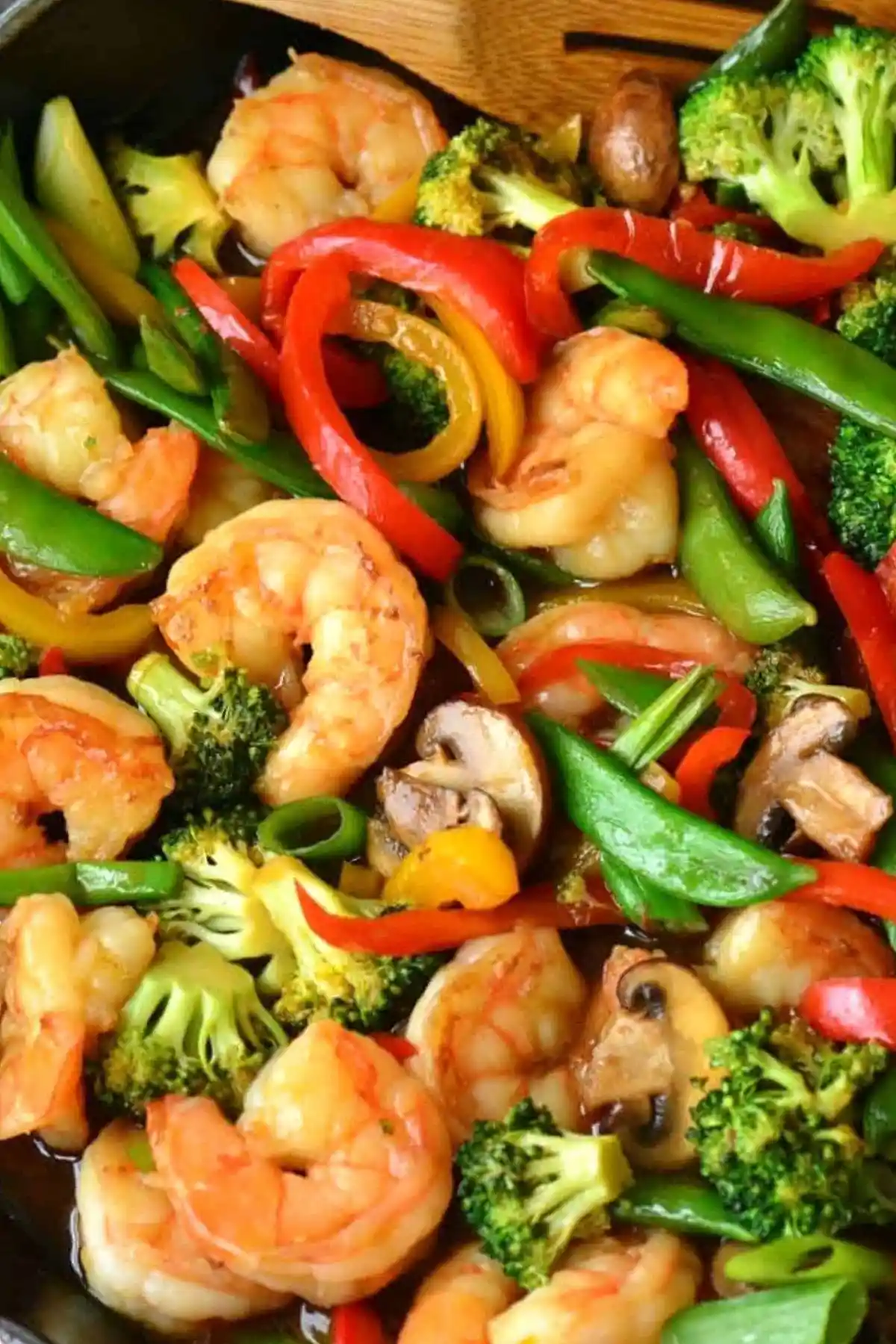
List of ingredients
- 1 lb large shrimp – peeled and deveined for easy eating.
- 1 bunch broccoli – cut into bite-sized florets.
- 8 oz baby bella mushrooms – sliced for earthy flavor.
- 8 oz snow peas – trimmed and left whole for a fresh snap.
- 1/2 cup diced green onion – used for both flavor and garnish.
- 2 bell peppers – sliced into strips for color and sweetness.
- 1/2 cup soy sauce – can be replaced with tamari or coconut aminos for gluten-free options.
- 1 cup chicken broth – vegetable broth is a suitable alternative.
- 2 tbsp rice vinegar – provides a necessary acidic balance.
- 1/4 cup honey – adds a mellow sweetness to the glaze.
- 6 garlic cloves – minced for deep aromatic flavor.
- 2 tsp chili paste – adjust the amount to control the heat level.
- 2 1/2 tbsp cornstarch – used as a thickening agent for the sauce.
step-by-step instructions
- Prepare Components: Peel and devein the shrimp if they are not pre-cleaned. Chop all vegetables into uniform sizes and whisk all the stir fry sauce ingredients together in a small bowl.
- Sauté Vegetables: Heat peanut oil in a large pan or wok over medium heat. Cook the heartier vegetables like broccoli, mushrooms, snow peas, and bell peppers first, stirring often until they begin to soften.
- Remove Vegetables: Once the vegetables are slightly tender but still crisp, remove them from the pan and set them aside to prevent overcooking.
- Cook Shrimp: Add a bit more oil to the pan and increase heat to medium-high. Sauté the shrimp until they just turn opaque on both sides, then remove them immediately.
- Combine Ingredients: Return the sautéed vegetables to the pan and stir them together with the shrimp.
- Thicken the Sauce: Give the sauce mixture another whisk to ensure the cornstarch is integrated, then pour it into the pan. Stir continuously for a few minutes until the sauce bubbles and thickens.
- Final Touch: Stir in the diced green onions and serve the dish immediately.
Pro Cooking Techniques
Use Large or Jumbo Shrimp
Selecting large or jumbo shrimp is important because they have a thicker profile that resists overcooking. Smaller shrimp shrink rapidly and can become rubbery in the high heat of a wok. Using larger pieces ensures a meaty texture that stands up to the vegetables.
Master the Vegetable Cooking Order
Different vegetables have different water contents and densities. Start with the harder vegetables like broccoli and carrots to give them more time to soften. Add delicate vegetables like snow peas and bell peppers later so they retain their vibrant color and snap.
Prevent Overcooking the Shrimp
Shrimp cook very quickly and only need to reach an opaque, pinkish color to be done. If they curl into a tight ‘O’ shape, they are likely overcooked and tough. Aim for a loose ‘C’ shape for the most tender results.
Achieve the Perfect Sauce Consistency
The cornstarch in the sauce needs to reach a simmering point to activate its thickening properties. Stir the mixture constantly to prevent the cornstarch from settling at the bottom and burning. The sauce should coat the back of a spoon and cling to the ingredients without being pasty.
Ingredient Substitutions
Swap Honey for Brown Sugar
If you do not have honey on hand, brown sugar is an excellent alternative. It provides a similar depth of sweetness and helps the sauce caramelize slightly more. Use a 1:1 ratio to maintain the flavor balance.
Utilize Tamari for Gluten-Free Needs
To make this dish gluten-free, replace traditional soy sauce with tamari or coconut aminos. Tamari offers a richer, saltier flavor that is very close to soy sauce. Coconut aminos provide a sweeter, lower-sodium alternative.
Replace Shrimp with Other Proteins
You can easily swap the shrimp for thinly sliced chicken breast, chicken thighs, or steak strips. If using tofu, press it to remove excess water and sear it until golden before adding the vegetables. Adjust the cooking time based on the protein’s density.
Use Vegetable Broth for a Plant-Based Base
While chicken broth adds a savory depth, vegetable broth is a clean and suitable replacement. This swap works well if you are making a vegetarian version of the stir fry. Ensure the broth is low-sodium to control the overall saltiness of the dish.
Flavor Enhancements
Adding Aromatic Fresh Ginger
For an extra layer of warmth and spice, add a tablespoon of freshly grated ginger to the sauce. Ginger pairs perfectly with garlic and soy, creating a classic Asian flavor profile. Grating the ginger ensures it blends smoothly into the glaze.
Incorporating Toasted Sesame Oil
A small amount of toasted sesame oil added at the end of cooking provides a nutty aroma. Because sesame oil has a low smoke point, it is best used as a finishing touch rather than a frying oil. Just a teaspoon is enough to transform the dish.
Increasing the Heat Level
If you prefer a spicier meal, increase the amount of chili paste or add diced fresh chilies. Jalapeños provide a mild kick, while Thai bird’s eye chilies offer intense heat. For a dry heat, a pinch of cayenne pepper stirred into the sauce works well.
Adding More Vegetable Varieties
This recipe is highly customizable based on what is in your fridge. Consider adding sliced carrots, zucchini, baby corn, or cauliflower florets for extra nutrients. Just remember to group them by cooking time to ensure everything is cooked evenly.
Serving Recommendations
Best Grain Pairings
Serving this stir fry over steamed jasmine rice is a classic choice due to its fragrance and ability to absorb the sauce. Brown rice or quinoa are great options for added fiber and a nuttier taste. For a more traditional experience, try coconut rice for a creamy contrast.
Choosing the Right Noodles
This dish pairs well with various Asian noodles such as lo mein, rice noodles, or glass noodles. Simply toss the cooked noodles into the pan with the sauce and shrimp during the final minute of cooking. This allows the noodles to soak up the savory glaze.
Adding Final Garnishes
To elevate the presentation, sprinkle toasted sesame seeds over the top before serving. Freshly chopped cilantro or a drizzle of sriracha can add bright color and additional flavor. These small additions make the dish feel more professional.
Serving as a Low-Carb Meal
To reduce the carbohydrate content, serve the stir fry over cauliflower rice or simply increase the volume of vegetables. The shrimp and sauce are naturally satisfying, so the dish works well as a standalone meal. This is an excellent option for those following keto or paleo diets.
Storage and Preservation
Refrigerator Storage Guidelines
Store leftover stir fry in an airtight glass container in the refrigerator for up to three to four days. Keep the rice or noodles in a separate container to prevent them from absorbing all the sauce and becoming mushy. Ensure the food is cooled slightly before sealing the lid.
Best Reheating Methods
The best way to reheat this dish is in a skillet over medium heat with a splash of water or broth. This restores the sauce’s consistency and prevents the shrimp from drying out. Avoid overcooking the shrimp during the reheating process to maintain their texture.
Signs of Spoilage
Always check seafood for a strong fishy odor or a slimy texture before reheating. If the sauce has separated excessively or developed an off-smell, it is best to discard the meal. Proper refrigeration is key to seafood safety.
Make-Ahead Preparation
Prepping Vegetables in Advance
You can chop all the vegetables and store them in sealed bags or containers up to two days before cooking. This significantly reduces the active prep time on the night of the meal. Keep the diced green onions separate until the final step.
Making the Sauce Ahead of Time
The stir fry sauce can be whisked together and kept in a jar in the refrigerator for a week. When you are ready to cook, give the sauce a vigorous shake or stir to redistribute the cornstarch. This makes the actual cooking process incredibly fast.
Pre-cleaning the Protein
Peeling and deveining shrimp in advance saves time and effort. Pat the shrimp dry with paper towels and store them in a bowl with a damp paper towel over them. This ensures they are ready to sear the moment the pan is hot.
Common Troubleshooting Solutions
Fixing a Sauce That Is Too Thick
If the sauce becomes too thick or gluey, stir in a tablespoon of water or chicken broth at a time. Continue stirring over medium heat until the desired consistency is reached. This happens if the sauce simmers for too long or if too much cornstarch was used.
Correcting a Sauce That Is Too Thin
If the sauce remains watery, let it simmer for an additional minute or two to reduce. Alternatively, whisk a small amount of cornstarch with cold water to create a slurry and stir it in. Bring the sauce back to a boil for thirty seconds to thicken it.
Handling Rubber-like Shrimp
Rubbery shrimp are a result of overcooking or reheating for too long. To prevent this, always remove the shrimp from the heat the moment they turn opaque. When reheating, use a lower temperature and stop as soon as the shrimp are warm.
Preventing Soggy Vegetables
Soggy vegetables usually occur when the pan is overcrowded, which causes the food to steam rather than sear. Cook the vegetables in batches if your pan is small. This ensures that each piece hits the hot oil and browns properly.
Frequently Asked Questions
Can I use frozen shrimp?
Yes, frozen shrimp work perfectly as long as they are fully thawed. Thaw them slowly in the refrigerator overnight or place them in a bowl of cold water for about 20 minutes. Always pat them dry before adding them to the pan to ensure a proper sear.
What is the best oil for stir frying?
Peanut oil is ideal because it has a high smoke point, meaning it won’t burn at the high temperatures required for stir frying. Canola or grapeseed oil are also excellent alternatives. Avoid using extra virgin olive oil, as it can smoke and impart a bitter taste.
Can I make this dish vegan?
You can make this dish vegan by replacing the shrimp with extra-firm tofu or tempeh. Use vegetable broth instead of chicken broth and ensure your soy sauce is vegan. This maintains the flavor profile while removing all animal products.
How do I store the sauce if I make a double batch?
Store extra sauce in a sterilized glass jar in the refrigerator for up to seven days. Since it contains honey and soy, it preserves well. Just remember to shake it well before using it in your next meal to incorporate the cornstarch.
Print
Quick and Healthy Shrimp Stir Fry
- Total Time: 25 minutes
- Yield: 4 servings 1x
- Diet: Gluten Free
Description
Shrimp stir fry is a quick and healthy dish loaded with juicy shrimp, many different vegetables, and an easy homemade stir fry sauce. This stir fry sauce is a a little sweet and a little spicy and goes perfectly with shrimp, vegetables, and also chicken.
Ingredients
- 1 lb large shrimp
- 1 bunch broccoli
- 8 oz baby bella mushrooms
- 8 oz snow peas
- 1/2 cup diced green onion
- 2 bell peppers
- 1/2 cup soy sauce
- 1 cup vegetable broth
- 2 tbsp rice vinegar
- 1/4 cup honey
- 6 garlic cloves
- 2 tsp chili paste
- 2 1/2 tbsp cornstarch
Instructions
- Prepare Sauce: Whisk all ingredients for the sauce together and set aside.
- Prep Vegetables: Chop vegetables and set aside.
- Heat Pan: Preheat a large cooking pan or a wok over medium heat and add peanut oil.
- Sauté Vegetables: Sauté vegetables, mixing often, until start to soften.
- Remove Vegetables: Take veggies out of the pan and add a little more oil to the pan.
- Sauté Shrimp: Sauté shrimp over medium-high heat until just turns opaque on each side.
- Combine: Add vegetables back into the pan and stir.
- Add Sauce: Whisk the sauce again and pour it into the pan.
- Thicken: Stir well and cook for a few minutes, just until sauce thickens.
- Finish: Stir in green onions and serve right away.
Notes
Serve over rice, brown rice, quinoa, or noodles. For gluten-free needs, use tamari or coconut aminos instead of soy sauce.
- Prep Time: 10 minutes
- Cook Time: 15 minutes
- Category: Main Course
- Method: Stir-frying
- Cuisine: Asian
Nutrition
- Serving Size: 1 serving
- Calories: 338 kcal
- Sugar: 27 g
- Sodium: 2779 mg
- Fat: 3 g
- Saturated Fat: 1 g
- Unsaturated Fat: 2 g
- Trans Fat: 0 g
- Carbohydrates: 47 g
- Fiber: 8 g
- Protein: 35 g
- Cholesterol: 286 mg