Enjoy a fast and protein-rich dinner with this oven-baked honey mustard chicken. It combines a sweet and tangy glaze with savory herbs for a family-friendly meal.
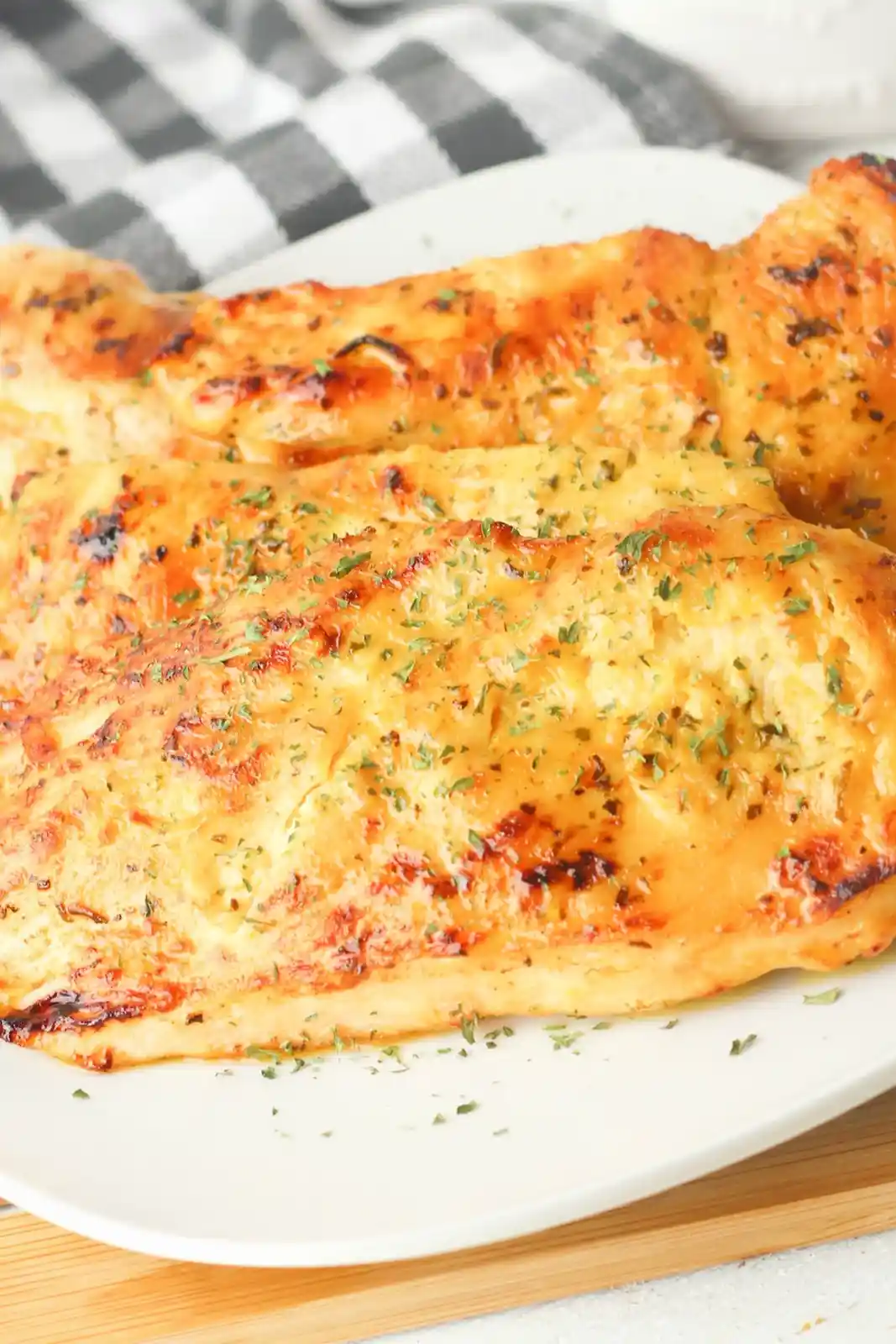
List of ingredients
- 1.5 pounds boneless skinless chicken breasts – cut into filets for even cooking.
- 1 teaspoon plus one tablespoon olive oil – divided for seasoning and searing.
- 1 teaspoon dried parsley flakes – adds a mild herbal note.
- 1 teaspoon dried basil – provides a sweet, peppery aroma.
- ½ teaspoon salt – enhances all the other flavors.
- ¼ teaspoon paprika – contributes a subtle smokiness and color.
- 1 teaspoon minced garlic – adds pungent depth to the rub.
- ¼ cup chicken broth – creates the base for the pan sauce.
- 2 tablespoons honey mustard – provides the signature tangy-sweet flavor.
- 2 tablespoons honey – thickens the glaze and adds sweetness.
step-by-step instructions
- Preheat: Set your oven to 375 degrees Fahrenheit.
- Prepare Chicken: Slice the chicken breasts in half lengthwise to create thin filets. This ensures the meat cooks quickly and evenly.
- Season: In a small bowl, mix one teaspoon of olive oil with the parsley, basil, salt, paprika, and minced garlic. Brush this herb mixture thoroughly on both sides of each chicken filet.
- Sear: Heat one tablespoon of olive oil in an oven-safe pan over medium heat. Add the chicken and sear for about 3 minutes per side until golden brown.
- Glaze: Combine the chicken broth, honey mustard, and honey in a separate small bowl. Pour this sauce mixture directly over the seared chicken breasts.
- Bake: Place the pan in the oven. If your searing pan is not oven-safe, transfer the chicken to a baking dish before adding the sauce.
- Cook: Bake for 20 minutes, flipping the chicken halfway through the process.
- Broil: Switch to the broiler setting for about 5 minutes until the glaze begins to brown and caramelize.
- Check Temperature: Use a meat thermometer to ensure the internal temperature has reached 165 degrees Fahrenheit.
- Rest: Allow the chicken to rest for 5 minutes before serving to keep the juices inside.
Pro Cooking Techniques for Better Results
Slicing Chicken Breasts into Thin Filets
Cutting the breasts lengthwise creates a uniform thickness across all pieces. This prevents the thinner ends from drying out while the center is still raw. It also reduces the overall oven time significantly.
Achieving the Perfect Sear
Ensure the olive oil is shimmering and hot before adding the meat to the pan. Avoid crowding the pan, as too much chicken will lower the temperature and cause the meat to steam rather than brown. A deep golden crust adds significant flavor through caramelization.
Selecting the Ideal Oven-Safe Skillet
Cast iron skillets are ideal for this recipe because they hold heat well during both the searing and baking phases. Stainless steel is also a great option for creating a fond on the bottom of the pan. If using non-stick, ensure it is rated for oven use to avoid damaging the coating.
Monitoring the Broiler Carefully
Honey and mustard contain sugars that can burn very quickly under high heat. Stay by the oven and watch the chicken closely during the final 5 minutes. Remove the pan as soon as the sauce bubbles and turns a deep golden brown.
Ingredient Substitutions and Adjustments
Using Chicken Thighs Instead of Breasts
Boneless, skinless chicken thighs can be used for a juicier result. Since thighs are denser, you may need to increase the baking time by 5 to 10 minutes. You do not need to slice them as thinly as breasts to ensure they cook through.
Alternative Sweeteners for the Glaze
Maple syrup is a great substitute for honey if you prefer a woodier, more autumnal flavor. Brown rice syrup or agave nectar can also work for those seeking different sweetness levels. Keep the ratio the same to maintain the sauce consistency.
Swapping Dried Herbs for Fresh
If using fresh parsley and basil, increase the quantity to three times the amount of dried herbs. Chop them finely and add them to the oil rub. Fresh herbs provide a brighter, more vibrant taste but may brown faster in the oven.
Adjusting the Mustard Profile
If you don’t have pre-made honey mustard, mix equal parts Dijon mustard and honey. Whole grain mustard can be used for a more rustic texture and a sharper tang. Ensure the mustard is not too spicy to balance the honey sweetness.
Complementary Serving Ideas
Pairing with Complex Carbohydrates
Serve the chicken over a bed of quinoa or wild rice to soak up the extra honey mustard sauce. Mashed sweet potatoes or roasted fingerling potatoes also pair well with the sweet-savory profile. These starches provide a hearty balance to the lean protein.
Integrating Roasted Vegetables
Broccoli, Brussels sprouts, or asparagus can be roasted on a separate sheet pan at the same temperature. The char from roasted vegetables complements the caramelized glaze of the chicken. Carrots are particularly effective as their natural sweetness aligns with the honey.
Adding a Fresh Side Salad
A crisp green salad with a lemon-vinaigrette dressing cuts through the richness of the honey mustard glaze. Mix baby spinach, sliced cucumbers, and cherry tomatoes for a refreshing contrast. The acidity in the dressing cleanses the palate between bites.
Storage and Reheating Guide
Storing Leftovers in the Refrigerator
Place the cooked chicken and any remaining sauce in an airtight glass container. This keeps the meat moist and prevents it from absorbing other fridge odors. The chicken will stay fresh and safe to eat for 3 to 4 days.
Best Methods for Reheating
To avoid drying out the meat, reheat the chicken in a skillet over low heat with a tablespoon of chicken broth. Cover the pan with a lid to create a steam environment. Alternatively, use a microwave on medium power in short intervals.
Freezing the Cooked Chicken
Freeze the chicken in vacuum-sealed bags or heavy-duty freezer bags with the sauce included. This protects the meat from freezer burn and preserves the flavor of the glaze. Thaw overnight in the refrigerator before reheating.
Cooking Troubleshooting and FAQs
Why is My Chicken Dry After Baking?
Dry chicken usually happens when the internal temperature exceeds 165 degrees Fahrenheit. Use a digital thermometer to pull the chicken out exactly when it hits the target temp. Resting the meat for 5 minutes also helps redistribute the juices.
How to Thicken a Thin Sauce
If the sauce is too watery after baking, remove the chicken and simmer the sauce on the stove for a few minutes. You can also whisk in a tiny pinch of cornstarch mixed with cold water. Stir constantly until the glaze reaches a syrupy consistency.
Can I Make This Recipe in a Slow Cooker?
While this is an oven recipe, you can adapt it by searing the chicken first and then slow-cooking it on low for 4-6 hours. However, the texture will be softer, and you will lose the caramelized crust from the broiler. For the best results, stick to the oven method.
Is This Recipe Gluten-Free?
This recipe is naturally gluten-free as long as your chicken broth and honey mustard are certified gluten-free. Always check the labels on store-bought condiments for hidden thickeners or additives. Most pure honeys and mustards are safe.
Do I Need to Sear the Meat First?
Searing is not strictly necessary for safety, but it is essential for flavor. The searing process creates a Maillard reaction, which develops a savory depth that baking alone cannot achieve. Skipping this step will result in a paler, less flavorful dish.
What if I Don’t Have an Oven-Safe Pan?
Simply sear the chicken in a regular frying pan and then transfer the filets to a ceramic or glass baking dish. Pour the sauce over the meat once it is in the dish. The cooking time and temperature remain exactly the same.
Can I Use Frozen Chicken Breasts?
Do not put frozen chicken directly into the pan or oven, as it will release too much water and prevent searing. Thaw the chicken completely in the refrigerator overnight. Pat the meat dry with paper towels before adding the seasonings.
Print
Oven Baked Honey Mustard Chicken
- Total Time: 41 minutes
- Yield: 6 servings 1x
- Diet: General
Description
Try this quick honey mustard chicken for a flavorful weeknight dish!
Ingredients
- 1.5 pounds boneless skinless chicken breasts
- 1 teaspoon plus one tablespoon olive oil
- 1 teaspoon dried parsley flakes
- 1 teaspoon dried basil
- ½ teaspoon salt
- ¼ teaspoon paprika
- 1 teaspoon minced garlic
- ¼ cup chicken broth
- 2 tablespoons honey mustard
- 2 tablespoons honey
Instructions
- Preheat: Preheat oven to 375 degrees.
- Slice: Slice chicken breasts in half lengthwise to form thin filets.
- Season: In a small bowl combine one teaspoon olive oil with parsley, basil, salt, paprika, and minced garlic. Brush the mixture on both sides of each chicken breast.
- Sear: Heat one tablespoon of olive oil in an oven-safe pan over medium heat. Add the chicken breasts and sear both sides, around 3 minutes per side.
- Sauce: In a small bowl, combine the chicken broth, honey mustard and honey. Pour the mixture over the chicken breasts.
- Transfer: Place the pan in the preheated oven. If your pan is not oven safe, transfer the seared chicken breasts to an oven safe dish and top with sauce.
- Bake: Cook for 20 minutes, flipping the chicken halfway through the cook time. When the cook time is up, turn on the broiler and broil the chicken breasts for around 5 minutes, until the chicken begins to brown.
- Temperature Check: Make sure internal temperature is 165 F before serving.
- Rest: Allow the chicken to rest for 5 minutes before serving.
Notes
Pairs well with baked sweet potatoes and garlic and herb carrots.
- Prep Time: 10 minutes
- Cook Time: 31 minutes
- Category: Main Course
- Method: Baking
- Cuisine: American
Nutrition
- Serving Size: 1 serving
- Calories: 168 kcal
- Sugar: 7 g
- Sodium: 387 mg
- Fat: 4 g
- Saturated Fat: 1 g
- Unsaturated Fat: 3 g
- Trans Fat: 0 g
- Carbohydrates: 8 g
- Fiber: 1 g
- Protein: 24 g
- Cholesterol: 73 mg