This oven-roasted salmon recipe uses a bold blend of Old Bay seasoning and aromatic herbs to create a flavorful crust. It is a fast, high-heat method that ensures the fish remains tender on the inside while developing a golden exterior.
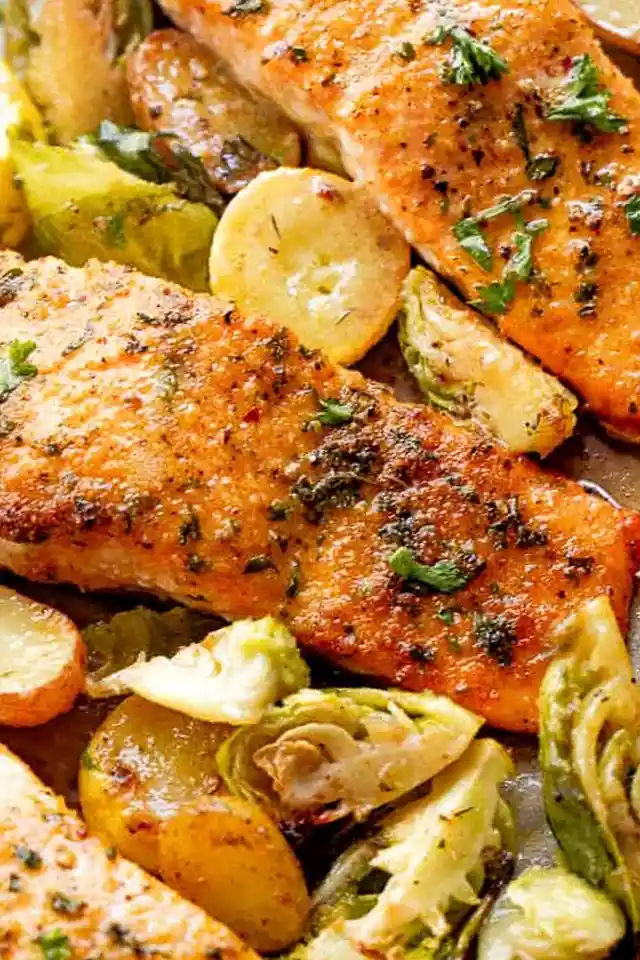
List of ingredients
- 1½ pounds salmon fillets (divided into 4 fillets) – choose center-cut for consistency.
- 2 tablespoons olive oil (extra virgin or avocado oil) – used for brushing the fillets.
- 1 teaspoon Old Bay seasoning – provides the core savory and salty flavor.
- ½ teaspoon garlic powder – adds a concentrated pungent aroma.
- ½ teaspoon onion powder – adds a subtle sweetness.
- ½ teaspoon dried dill weed – provides a classic herbal seafood pairing.
- ½ teaspoon dried parsley – adds a mild earthy finish.
step-by-step instructions
- Preheat Oven: Set your oven to 450°F to ensure a high-heat roast.
- Prepare Pan: Generously grease a baking sheet or roasting pan with cooking spray. Place the salmon fillets on the sheet with the skin side facing down and brush the tops with olive oil.
- Mix Seasoning: In a small mixing bowl, combine the Old Bay seasoning, garlic powder, onion powder, dried dill, and dried parsley. Stir until the spices are evenly distributed.
- Apply Rub: Rub the spice mixture onto the top and sides of each fillet, pressing gently to ensure the seasoning adheres to the oil.
- Bake: Roast for 10 minutes. Check for doneness by ensuring the fish flakes easily with a fork or by using an instant-read thermometer to confirm an internal temperature of 145°F.
- Rest: Remove the pan from the oven and let the fillets stand for a few minutes before serving to allow juices to redistribute.
Professional Preparation Techniques
Use Parchment Paper for Easier Cleanup
Line your baking sheet with a large piece of parchment paper before adding the fillets. This prevents the salmon skin from sticking to the pan and eliminates the need for heavy scrubbing after cooking. It also helps distribute the heat more evenly across the bottom of the fish.
Select Wild-Caught Salmon for Better Flavor
Choose wild-caught salmon fillets over farmed options when possible. Wild salmon typically has a deeper color, a firmer texture, and a more robust flavor profile. It also generally contains a higher concentration of omega-3 fatty acids.
Ensure Uniform Fillet Thickness
Use fillets that are similar in size and thickness to ensure they all cook at the same rate. If some pieces are significantly thicker than others, the thinner ones may overcook while the thicker ones remain raw. You can gently press thicker parts down or trim them for uniformity.
Properly Thaw Frozen Fillets
Avoid cooking salmon straight from the freezer to maintain the best texture. Place sealed fillets in a bowl of cold water for about an hour, changing the water halfway through the process. This method thaws the fish quickly without compromising the cellular structure of the meat.
Ingredient Substitutions and Customizations
Alternative High-Heat Oils
While olive oil is standard, avocado oil is an excellent substitute because it has a higher smoke point. This prevents the oil from smoking or breaking down at 450°F. Grapeseed oil is another neutral alternative that works well for high-temperature roasting.
Swapping Dried Herbs for Fresh
You can use fresh dill and parsley for a brighter flavor. Use a ratio of three tablespoons of fresh herbs for every teaspoon of dried herbs. Chop them very finely and apply them immediately before the salmon goes into the oven.
Creating a Homemade Seafood Rub
If you do not have Old Bay, mix paprika, celery salt, black pepper, and a pinch of cayenne pepper. This creates a similar savory and spicy profile. Adjust the cayenne amount to control the level of heat in the dish.
Adjusting Sodium Levels
To reduce the salt content, use a low-sodium version of the seasoning or omit the celery salt from a homemade mix. You can compensate for the lost salt by adding a squeeze of fresh lemon juice after cooking, which enhances the natural flavors of the fish.
Optimal Serving and Pairing Ideas
Pairing with Roasted Root Vegetables
Toss halved Brussels sprouts or sliced yellow squash with olive oil, salt, and pepper. Roast them for 10 minutes before adding the salmon fillets to the same pan. This allows the vegetables to cook through while the salmon roasts for its final 10 minutes.
Serving with Fresh Garden Salads
A crisp Caesar salad or a cucumber salad with a sour cream dressing balances the richness of the salmon. Use a light vinaigrette with lemon and olive oil to keep the meal refreshing. Avoid heavy creams that might overshadow the spice rub.
Complementary Grains and Starches
Serve the fillets alongside quinoa, brown rice, or buttery dinner rolls. These starches help soak up the flavorful juices and oil from the roasting pan. Roasted fingerling potatoes also provide a hearty contrast to the tender fish.
Adding a Bright Citrus Finish
Squeeze fresh lemon wedges over the fillets immediately after removing them from the oven. The acidity of the lemon cuts through the fattiness of the salmon and brightens the herbs. You can also garnish with thin lemon slices for a professional presentation.
Storage and Reheating Guidelines
Refrigerating Leftover Salmon
Place leftover fillets in airtight containers or heavy-duty food storage bags. Ensure the fish is cooled slightly before sealing to prevent excess moisture buildup. Stored correctly in the refrigerator, the salmon will remain safe to eat for 3 to 4 days.
Warming Salmon in the Oven
To reheat without drying out the fish, place the fillets in an ovenproof dish and cover them loosely with aluminum foil. Bake at a low temperature of 275°F for approximately 15 minutes. This gentle heat warms the fish through without overcooking the center.
Avoiding the Freezer for Leftovers
It is recommended not to freeze salmon after it has been cooked. The reheating process often causes the proteins to contract further, resulting in a mushy or overly dry texture. For best results, consume the fish within a few days of the original cook date.
Troubleshooting Common Cooking Issues
How to Prevent Overcooking
Avoid relying solely on the timer, as oven temperatures can vary. Use an instant-read thermometer and pull the salmon out when it hits 140°F, as carry-over cooking will bring it to the safe 145°F mark. If the fish is too firm, it has likely been cooked too long.
Understanding the White Substance on Salmon
The white substance that sometimes appears on the surface of the fish is called albumin. This is simply a protein that is pushed out of the muscle fibers when the fish is cooked quickly or at high temperatures. It is completely safe to eat, though it can be minimized by avoiding overcooking.
Managing Seasoning Burn
If the spice rub begins to burn or darken too quickly, lower the oven temperature by 25°F. Ensure the fillets are well-coated in oil, as the oil acts as a barrier that protects the spices from direct scorching. You can also tent the fish with foil if the top browns too fast.
Fixing Uneven Cooking
If some fillets are cooked and others are not, rearrange them on the pan halfway through the roasting process. Ensure there is enough space between each piece of fish to allow hot air to circulate. Overcrowding the pan can lead to steaming rather than roasting.
Frequently Asked Questions
Can I use this rub on other types of fish?
Yes, this spice blend works well with other firm fish like trout, Arctic char, or halibut. Adjust the cooking time based on the thickness of the fillet, as white fish often cook faster than salmon.
What is the best way to remove the skin?
Once the salmon is roasted and rested, use a thin spatula or a knife to gently lift the fillet away from the skin. The skin should peel away easily if the fish is cooked correctly and the pan was properly greased.
Can I cook this salmon in an air fryer?
Yes, you can air fry the seasoned fillets at 400°F for about 7 to 10 minutes. Check the internal temperature frequently, as air fryers circulate heat more intensely and may cook the fish faster than a conventional oven.
Is it okay to cook salmon from frozen?
While possible, cooking from frozen often leads to uneven results where the outside is overdone and the center is undercooked. Thawing the fish first ensures the seasoning adheres better and the texture remains buttery.
Advanced Flavor Variations
Adding a Honey-Lemon Glaze
Mix one tablespoon of honey with a teaspoon of lemon juice and brush it over the spice rub during the last 3 minutes of cooking. This creates a sweet and tangy lacquer that complements the salty Old Bay seasoning. The sugars in the honey will caramelize under the high heat.
Incorporating Fresh Citrus Zest
Grate the zest of one lemon directly into the dry spice mixture before applying it to the fish. The oils in the zest provide a concentrated citrus aroma that is more intense than juice. This adds a professional layer of complexity to the rub.
Creating a One-Pan Vegetable Feast
Surround the salmon with thin asparagus spears and halved cherry tomatoes on the baking sheet. Toss the vegetables in olive oil and salt before adding the fish. The vegetables will roast in the salmon juices, adding a rich flavor to the entire meal.
Using a Creamy Garlic Topping
After roasting, top the fillets with a mixture of softened butter, minced garlic, and a pinch of parsley. Place a small dollop on the hot fish and let it melt into the spice crust. This adds a luxurious richness that pairs well with the boldness of the Old Bay.
Print
Old Bay Roasted Salmon
- Total Time: 25 minutes
- Yield: 4 servings 1x
- Diet: General
Description
This simple and easy roast salmon recipe features fillets seasoned with dried herbs, spices, and Old Bay seasoning, and then quickly roasted in the oven for a superior flavor and texture.
Ingredients
- 1½ pounds salmon fillets
- 2 tablespoons olive oil
- 1 teaspoon Old Bay seasoning
- ½ teaspoon garlic powder
- ½ teaspoon onion powder
- ½ teaspoon dried dill weed
- ½ teaspoon dried parsley
Instructions
- Preheat: Preheat the oven to 450˚F.
- Prepare: Generously grease a baking sheet or pan with cooking spray. Place the salmon fillets, skin side down, on the baking sheet and brush them with olive oil.
- Mix: In a small mixing bowl combine old bay seasoning, garlic powder, onion powder, dill weed, and parsley; mix to combine.
- Season: Add the spice mixture to the fillets and rub it all around the top and sides.
- Bake: Bake for 10 minutes, or until the fish flakes easily with a fork.
- Rest: Remove from oven and let stand a couple of minutes before serving.
Notes
For easier cleanup, line the baking sheet with parchment paper. For best results, use wild-caught salmon fillets of similar size and thickness to ensure even cooking.
- Prep Time: 10 minutes
- Cook Time: 15 minutes
- Category: Dinner
- Method: Roasting
- Cuisine: American
Nutrition
- Serving Size: 1 fillet
- Calories: 307 kcal
- Sugar: 1 g
- Sodium: 76 mg
- Fat: 18 g
- Saturated Fat: 3 g
- Unsaturated Fat: 15 g
- Trans Fat: 0 g
- Carbohydrates: 1 g
- Fiber: 0 g
- Protein: 34 g
- Cholesterol: 94 mg