Enjoy a high-protein, lightened-up version of the classic Indian Butter Chicken. This recipe uses Greek yogurt and a minimal amount of butter to achieve a creamy texture while keeping calories low. It is a practical choice for those seeking a nutritious meal without sacrificing authentic flavor.
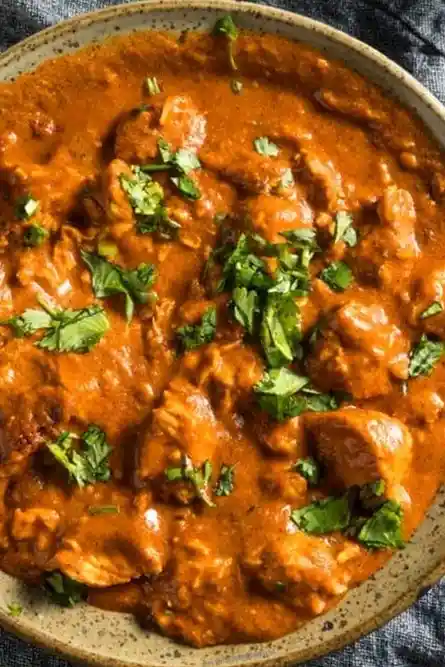
List of ingredients
- 1 boneless skinless chicken breast, cubed – the primary lean protein source.
- Olive Oil Spray – used for searing chicken with minimal added fat.
- 1/3 cup 0% Greek yogurt (for marinade) – tenderizes the meat.
- 1 clove of garlic (for marinade), minced – adds aromatic depth.
- 1/2 teaspoon garam masala (for marinade) – a warm spice blend.
- 1/4 teaspoon ginger (for marinade), ground – provides a sharp, zesty note.
- 1/4 teaspoon ground turmeric (for marinade) – adds color and earthiness.
- 1/4 teaspoon ground cumin (for marinade) – adds a nutty flavor.
- 1/4 teaspoon chilli powder (for marinade) – provides a mild heat.
- 1/4 teaspoon salt (for marinade) – enhances all other flavors.
- 1/2 yellow onion, minced – the flavor base for the sauce.
- 2 roma tomatoes, chopped – provides acidity and body to the sauce.
- 1/3 cup 0% Greek yogurt (for sauce) – creates the characteristic creaminess.
- 1 clove of garlic, minced – reinforces the savory profile of the sauce.
- 1/2 teaspoon garam masala (for sauce) – deepens the Indian flavor profile.
- 1/2 teaspoon ground cumin (for sauce) – adds consistent warmth.
- 1/4 teaspoon coriander (for sauce) – introduces a slight citrusy note.
- 1/4 teaspoon salt (for sauce) – balances the acidity of the tomatoes.
- 1/4 teaspoon chilli powder (for sauce) – adjusts the final spice level.
- 1/2 teaspoon sugar – cuts through the acidity of the tomatoes.
- 1/3 cup water – used for thinning and blending the sauce.
- 1 teaspoon butter – added at the end for the signature butter chicken finish.
step-by-step instructions
- Marinate the chicken: Combine all marinade ingredients in a large glass bowl, mix thoroughly, and add the cubed chicken. Coat the pieces evenly and let them marinate for at least 25 minutes, though up to 12 hours is recommended for maximum tenderness.
- Sear the meat: Heat a skillet over medium heat and spray it with olive oil. Add the chicken and cook for 7-8 minutes until browned on all sides, then remove the chicken to a separate bowl; it will finish cooking later.
- Sauté the base: Increase the skillet heat to medium-high and add the minced onions. Cook for about 5 minutes until they are well browned.
- Add aromatics: Stir in the minced garlic and ginger. Sauté for approximately 1 minute until the mixture becomes fragrant.
- Simmer the sauce: Mix in the sauce seasonings (garam masala, cumin, coriander, salt, chili powder, and sugar), the chopped tomatoes, and the Greek yogurt. Lower the heat to medium-low and let it simmer for 10 minutes.
- Blend the sauce: Pour in the water. Use an immersion blender directly in the skillet to blend the sauce until completely smooth, or transfer to a blender, vent the lid, blend, and return to the pan.
- Combine and finish: Return the browned chicken to the skillet and stir in the 1 teaspoon of butter. Simmer for an additional 10-15 minutes until the chicken is fully cooked through.
- Serve: Dish the curry hot over a bed of steamed rice or with warm naan bread.
Optimal Cooking Techniques
Maximize Marination Time
While 25 minutes works, marinating the chicken for 12 hours allows the lactic acid in the Greek yogurt to break down the muscle fibers. This process results in significantly tender meat that absorbs the spices deeper into the core. Store the bowl in the refrigerator to maintain safety during long marination periods.
Achieving the Perfect Sear
Use a heavy-bottomed skillet to ensure even heat distribution. Avoid overcrowding the pan, as this can cause the chicken to steam instead of brown. A deep golden-brown crust creates a flavor contrast that balances the creaminess of the final sauce.
Blending for a Silky Texture
An immersion blender is the most efficient tool for achieving the signature smooth consistency of butter chicken. If using a traditional countertop blender, ensure the sauce has cooled slightly to prevent pressure buildup from the steam. Always vent the blender lid to avoid overflows during the blending process.
Temperature Control for Dairy
Keep the heat on medium-low once the Greek yogurt is added to the sauce. Excessive heat can cause the yogurt to curdle or separate, leading to a grainy texture. Stirring constantly during the simmering phase helps maintain a stable emulsion.
Ingredient Substitutions and Swaps
Dairy-Free Yogurt Alternatives
For a dairy-free version, replace the 0% Greek yogurt with an unsweetened soy or coconut-based Greek-style yogurt. Ensure the substitute is thick and unsweetened to avoid altering the savory profile of the curry. If using coconut yogurt, the flavor will lean slightly more tropical.
Sugar-Free Sweeteners
If you are avoiding refined sugar, you can use a small amount of stevia, monk fruit sweetener, or a teaspoon of honey. The purpose of the sugar is simply to balance the natural acidity of the roma tomatoes. A tiny amount of maple syrup also works as a flavor-neutral alternative.
Chicken Thighs vs Breasts
While chicken breasts are leaner, boneless skinless chicken thighs provide more moisture and a richer flavor. If using thighs, you may need to increase the searing time slightly to render some of the fat. Thighs are generally more forgiving and less likely to dry out during the final simmer.
Low-Sodium Salt Replacements
To reduce sodium, use a potassium-based salt substitute or increase the amount of fresh ginger and garlic to compensate for the lack of salt. You can also add a squeeze of fresh lime juice at the end to brighten the flavors without adding sodium. Be mindful that salt is necessary to bring out the aromatic spices.
Alternative Thickening Agents
If the sauce is too thin after blending, you can simmer it for a few extra minutes to reduce the liquid. Alternatively, a small amount of cornstarch slurry (cornstarch mixed with water) can be stirred in over medium heat. Avoid adding flour, as it can change the taste and texture of the sauce.
Creative Serving Ideas
Traditional Grain Pairings
Long-grain Basmati rice is the classic accompaniment, providing a fragrant and fluffy base. For a nuttier flavor, try brown rice or wild rice blends. Ensure the rice is steamed and fluffy to absorb the creamy sauce effectively.
Low-Calorie Vegetable Bases
For a lower-carb option, serve the butter chicken over steamed cauliflower rice. Sautéed spinach or steamed bok choy also work well as a bed for the curry. These alternatives maintain the volume of the meal while reducing the overall caloric density.
Complementary Side Dishes
Pair the meal with a side of cucumber raita (yogurt, cucumber, and mint) to provide a cooling contrast to the spices. Roasted carrots or steamed green beans also add nutritional balance to the plate. A side of sliced raw red onions soaked in vinegar provides a sharp, acidic contrast.
Fresh Herb Garnishing
Freshly chopped cilantro leaves added just before serving provide a bright, citrusy finish. A sprinkle of toasted sesame seeds or a few thin slices of fresh green chili can add visual appeal and an extra kick. A wedge of lime on the side allows for a final touch of acidity.
Storage and Preservation
Fridge Storage Limits
Store leftovers in an airtight glass container in the refrigerator for up to 5 days. Keep the chicken and sauce together to ensure the meat stays moist. Label the container with the date to track freshness.
Freezing and Thawing
This recipe freezes well for up to one month. Transfer the curry to a freezer-safe bag or container, leaving a small amount of space for expansion. Thaw the meal overnight in the refrigerator before reheating to maintain the best texture.
Reheating for Fresh Taste
Reheat the curry in the microwave for 1-3 minutes, stirring halfway through to ensure even heating. For best results, reheat in a small pot over low heat on the stove, adding a tablespoon of water or broth if the sauce has thickened too much. Avoid boiling the sauce during reheating to prevent the yogurt from separating.
Meal Prep Organization
If preparing for the week, portion the butter chicken into separate containers with your chosen grain. Keep the grains and the curry in separate compartments if you prefer to heat them at different speeds. This prevents the rice from becoming mushy from the sauce during storage.
Cooking Troubleshooting
Fixing a Thin Sauce
If the sauce remains too watery after blending, simmer it on medium-low for an additional 5-10 minutes without a lid. This allows the water to evaporate and the flavors to concentrate. Do not rush this process with high heat, as the yogurt may break.
Preventing Sauce Separation
Separation often occurs if the sauce is boiled too vigorously. If you notice the sauce splitting, stir in a teaspoon of warm water or a small dollop of Greek yogurt over very low heat. Whisking rapidly can help re-emulsify the fats and liquids.
Correcting Overly Spicy Dishes
If the chilli powder makes the dish too spicy, stir in an extra tablespoon of Greek yogurt or a splash of coconut milk. A small amount of additional sugar or a squeeze of lime juice can also help neutralize the heat. Adding more creaminess generally masks the intensity of the spice.
Managing Burnt Spices
If the spices burn during the sautéing phase, they will taste bitter. If this happens, it is best to wipe the pan and start the sauce base again. To prevent this, always add the tomatoes or yogurt immediately after the spices have become fragrant.
Common Questions
Can I use a food processor?
Yes, you can use a food processor if you do not have an immersion blender. Transfer the cooked sauce base into the processor and pulse until smooth, then pour it back into the skillet. Be careful not to over-process, as this can sometimes cause the sauce to lose its body.
How do I store leftover naan?
Store leftover naan in a sealed plastic bag at room temperature for 2 days or freeze for up to a month. Reheat the naan in a dry skillet or a toaster oven for a few minutes to restore its softness and warmth. Avoid the microwave for long periods as it can make the bread rubbery.
Can I add more vegetables?
Yes, you can add diced bell peppers, peas, or cauliflower florets to the sauce. Add hard vegetables like cauliflower during the simmering stage and softer vegetables like peas at the very end. This increases the nutrient density and volume of the meal.
Is the sauce too tart?
If the sauce tastes too acidic due to the tomatoes, increase the sugar by a pinch or add a tiny amount of butter. Simmering the sauce longer also helps mellow the acidity of the roma tomatoes. A pinch of baking soda can also neutralize acidity, but use it very sparingly.
How to store the marinade?
If you make an extra batch of marinade, store it in a sealed jar in the fridge for up to 48 hours. It can be used for other chicken dishes or as a tenderizer for grilled vegetables. Always use a clean spoon to avoid contaminating the marinade.
Print
Low Calorie Butter Chicken
- Total Time: 40 minutes
- Yield: 2 servings 1x
- Diet: Gluten Free
Description
This Low Calorie Butter Chicken is just 259 calories and it has 45g of protein per serving! By reducing the butter to just 1 teaspoon and adding it at the very end, you save hundreds of calories while maintaining maximum flavor.
Ingredients
- 1 boneless skinless chicken breast, cubed
- Olive Oil Spray
- 1/3 cup 0% Greek yogurt
- 1 clove of garlic
- 1/2 teaspoon garam masala
- 1/4 teaspoon ginger
- 1/4 teaspoon ground turmeric
- 1/4 teaspoon ground cumin
- 1/4 teaspoon chilli powder
- 1/4 teaspoon salt
- 1/2 yellow onion, minced
- 2 roma tomatoes, chopped
- 1/3 cup 0% Greek yogurt
- 1 clove of garlic
- 1/2 teaspoon garam masala
- 1/2 teaspoon ground cumin
- 1/4 teaspoon coriander
- 1/4 teaspoon salt
- 1/4 teaspoon chilli powder
- 1/2 teaspoon sugar
- 1/3 cup water
- 1 teaspoon butter
Instructions
- Step: To a large glass bowl combine the ingredients for the Butter Chicken Marinade, mix well and add in the chicken. Mix to coat the chicken and marinate for 25 minutes to 12 hours.
- Step: Heat a skillet over medium heat, spray with olive oil and add the chicken.
- Step: Cook the chicken 7-8 minutes until browned, then move to a bowl (it won’t be fully cooked yet).
- Step: Add the onions to the skillet and cook on medium-high for 5 minutes, until browned.
- Step: Add in the ginger and garlic and sauté until fragrant (about 1 minute).
- Step: Mix in the Butter Chicken Sauce seasonings (garam masala, cumin, coriander, salt, chili powder, and sugar), tomatoes and 1/3 cup greek yogurt. Reduce the heat to medium low and simmer for 10 minutes.
- Step: Add the water to the skillet and use an immersion blender to blend the sauce until smooth (alternatively you can let it cool, add to a blender, vent and blend until smooth, then add back to the skillet and continue).
- Step: Add the chicken to the sauce, with the butter and simmer for 10-15 minutes.
- Step: Serve hot with rice or naan.
Notes
The longer you marinate the chicken the better (up to 12 hours). This dish can be stored in the fridge for 5 days or in the freezer for a month. Reheat in the microwave for 1-3 minutes.
- Prep Time: 5 minutes
- Cook Time: 35 minutes
- Category: Main Course
- Method: Sautéing
- Cuisine: Indian
Nutrition
- Serving Size: 1.5 cups
- Calories: 259 kcal
- Sugar: 6.8 g
- Sodium: 731 mg
- Fat: 4.5 g
- Saturated Fat: 1.2 g
- Unsaturated Fat: 3.3 g
- Trans Fat: 0 g
- Carbohydrates: 10.2 g
- Fiber: 1.9 g
- Protein: 45 g
- Cholesterol: 103 mg