Prepare tender and flavorful boneless chicken breasts using a simple oven-baking method and a zesty herbal marinade. This approach ensures the meat remains moist and succulent, making it a reliable option for healthy dinners.
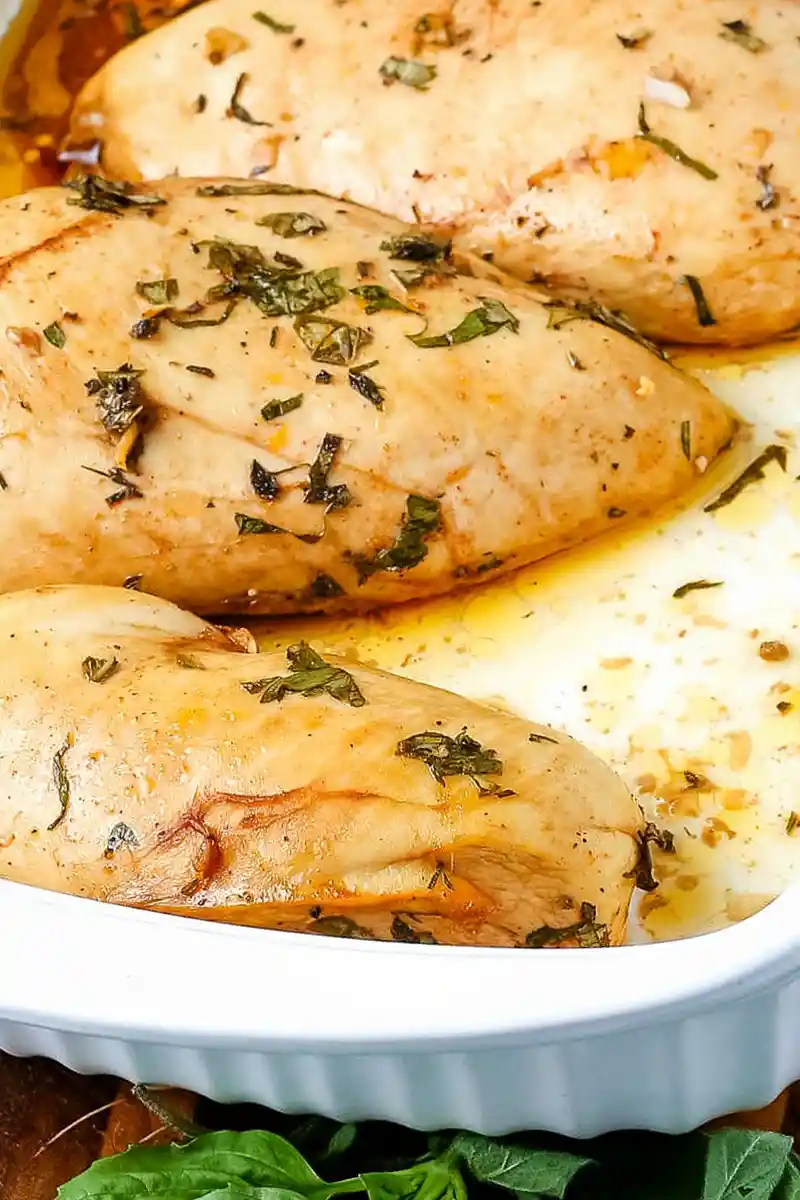
List of ingredients
- 1/2 cup fresh lemon juice – provides acidity to tenderize the meat.
- 3 Tablespoons Worcestershire Sauce – adds a deep savory depth.
- 1/4 cup olive oil – helps moisture retention and browning.
- 2 tablespoons fresh oregano (minced) or 2 teaspoons dried oregano – provides earthy notes.
- 1/2 cup fresh parsley (minced and lightly packed) or 4 teaspoons dried parsley – adds a fresh finish.
- 1/4 cup fresh basil (minced and lightly packed) or 4 teaspoons dried basil – adds a sweet herbal aroma.
- 3 cloves garlic (minced) – adds pungent flavor.
- 1/2 teaspoon paprika – contributes mild sweetness and color.
- 1/2 teaspoon salt – enhances all other flavors.
- 1/2 teaspoon black pepper – adds a subtle spicy kick.
- 4 (8-ounce) boneless, skinless chicken breasts – thawed completely if frozen.
- Lemon wedges – optional for adding fresh acidity before serving.
step-by-step instructions
- Prepare the marinade: Combine the lemon juice, Worcestershire sauce, olive oil, oregano, parsley, basil, minced garlic, paprika, salt, and black pepper in a medium bowl. Whisk the mixture until all ingredients are completely combined.
- Marinate the chicken: Place the chicken breasts in a large resealable plastic bag. Pour the prepared marinade over the meat, seal the bag tightly, and refrigerate for at least 30 minutes, though up to 4 hours is acceptable. Remove the chicken from the fridge and let it sit at room temperature for 20 to 30 minutes before cooking.
- Prepare the oven and dish: Set the oven rack to the middle position and preheat the oven to 375 degrees F. Lightly drizzle olive oil into a 9×13-inch baking dish to prevent sticking.
- Bake the chicken: Transfer the marinated chicken breasts into the baking dish and discard any leftover marinade. Bake for 20 to 25 minutes, or until an instant-read thermometer indicates an internal temperature of 165 degrees F.
- Rest and serve: Remove the pan from the oven and let the chicken rest for 5 minutes. Slice the breasts and serve immediately.
Expert Tips for Maximum Tenderness
Bring Meat to Room Temperature
Allowing the chicken to sit out for 20-30 minutes prevents the meat from shocking when it hits the heat. This ensures the center cooks through without the exterior becoming overdone or dry.
Use a Digital Meat Thermometer
The most accurate way to avoid overcooking is by checking the internal temperature. Pull the chicken from the oven exactly when it reaches 165 degrees Fahrenheit in the thickest part.
Maintain Proper Pan Spacing
Do not crowd the chicken breasts in the baking dish. Leaving space between the pieces allows hot air to circulate evenly, which ensures consistent cooking times across all breasts.
Ensure the Oven is Fully Preheated
Placing chicken in an oven that has not reached 375 degrees F will increase the total cooking time. This extended exposure to heat can draw out moisture and lead to a tougher texture.
Allow the Meat to Rest
Resting the chicken for 5 minutes allows the juices to redistribute throughout the meat. Cutting into the chicken immediately after baking causes the juices to leak out, resulting in drier meat.
Select Uniform Breast Sizes
Try to choose chicken breasts that are similar in size and thickness. If one piece is significantly larger, it may not be cooked through by the time the smaller pieces are finished.
Seal Marinade Bags Tightly
Ensure the resealable bag is closed completely to keep the marinade in constant contact with the meat. This maximizes flavor penetration and ensures the acidic lemon juice tenderizes the fibers effectively.
Position the Rack in the Middle
Using the middle rack prevents the bottom of the chicken from burning while ensuring the top browns evenly. This provides a balanced heat distribution from both the top and bottom elements.
Customizing Your Ingredients
Adjusting Fresh versus Dried Herbs
If you use dried herbs instead of fresh, use the smaller measurements listed in the ingredients. Dried herbs are more concentrated in flavor and can become overpowering if used in the same quantity as fresh.
Substituting Lime for Lemon
Fresh lime juice can be used in place of lemon juice for a slightly different citrus profile. The acidity remains the same, so it will still tenderize the chicken effectively.
Using Alternative Oils
Avocado oil or light olive oil can be used if you prefer a more neutral taste. The primary purpose of the oil is to carry the flavors of the herbs and keep the meat moist.
Replacing Fresh Garlic with Powder
If fresh garlic is unavailable, use 1/4 teaspoon of garlic powder per clove. Ensure it is well-mixed into the liquid marinade to avoid clumps of powder on the meat.
Modifying Salt Levels
If you are monitoring sodium intake, reduce the salt or use a low-sodium Worcestershire sauce. The lemon juice and herbs provide enough flavor that the dish remains tasty with less salt.
Adding Extra Paprika for Color
Increasing the amount of paprika slightly will give the chicken a deeper reddish-golden hue. Smoked paprika can also be used to introduce a subtle wood-fired flavor to the dish.
Using Different Savory Liquids
If you do not have Worcestershire sauce, a small amount of soy sauce or coconut aminos can provide the necessary salt and umami. Keep in mind that this will slightly change the flavor profile.
Incorporating Additional Zest
Adding the zest of one lemon along with the juice enhances the citrus brightness. The oils in the zest provide a more aromatic lemon flavor than the juice alone.
Creative Serving and Pairing Ideas
Pairing with Grains
Slice the chicken and serve it over a bed of fluffy quinoa, brown rice, or farro. These grains absorb the extra juices from the chicken, making the meal more cohesive.
Incorporating into Fresh Salads
Dice the cooked chicken and add it to a Greek salad with cucumbers, olives, and feta. The herbal notes of the marinade complement fresh garden vegetables perfectly.
Adding to Pasta Dishes
Slice the breasts and place them atop a creamy alfredo or a light garlic and olive oil pasta. The lemon and basil flavors pair naturally with most pasta sauces.
Using in Hearty Stews
Dice the baked chicken and stir it into a vegetable soup or a corn chowder. Since the chicken is already cooked, add it at the end to avoid overcooking the meat.
Serving with Steamed Vegetables
Pair the chicken with steamed broccoli, sautéed spinach, or grilled asparagus. These light sides balance the savory nature of the marinade without overpowering it.
Combining with Roasted Potatoes
Serve the chicken alongside oven-roasted red potatoes seasoned with rosemary. Since the oven is already at 375 degrees F, you can roast the potatoes on a separate tray simultaneously.
Filling Whole Grain Wraps
Slice the chicken thinly and place it in a whole wheat wrap with avocado, sprouts, and a dollop of hummus. This makes for a portable and nutrient-dense lunch option.
Serving with a Side of Glazed Carrots
Honey-glazed carrots provide a sweet contrast to the tangy lemon and savory garlic of the chicken. The sweetness of the carrots balances the acidity of the marinade.
Storage and Preservation Guidelines
Using Air-Tight Containers
Store leftovers in a glass or BPA-free plastic container with a tight seal. This prevents the chicken from absorbing other refrigerator odors and keeps the meat from drying out.
Optimal Refrigeration Temperature
Keep the refrigerator set to 40 degrees F or below. When stored properly, the baked chicken will remain safe and tasty for 4 to 5 days.
Freezing Cooked Chicken
Place cooled chicken in a freezer-safe Ziploc bag, removing as much air as possible. Frozen cooked chicken can be kept for 1 to 2 months without significant loss of quality.
Safe Thawing Methods
Thaw frozen chicken in the refrigerator for 24 hours before using. Avoid thawing on the counter to prevent the meat from entering the temperature danger zone.
Reheating in the Oven
To maintain texture, reheat chicken in the oven at 325 degrees F until warmed through. This method prevents the rubbery texture often caused by microwaving.
Microwaving for Moisture
If using a microwave, cover the chicken with a damp paper towel. Heat in short 30-second bursts to avoid overcooking the lean breast meat.
Preventing Freezer Burn
Wrap the chicken tightly in foil before placing it in a freezer bag. This double layer of protection blocks air from reaching the meat, preventing ice crystals from forming.
Identifying Spoiled Meat
Check for a sour smell or a slimy texture before consuming stored chicken. If the meat has developed a greyish tint or an off-odor, discard it immediately.
Meal Prep and Advanced Planning
Pre-marinating and Freezing
You can place raw chicken and marinade in a bag and freeze it immediately. The chicken will marinate as it thaws in the refrigerator, saving you time on the day of cooking.
Preparing the Marinade in Advance
Whisk the marinade ingredients together and store them in a jar for up to 3 days. This allows you to simply pour the mixture over the chicken when you are ready to prep.
Slicing for Weekly Portions
After the chicken has rested and cooled, slice it into uniform strips. Distribute these into five separate containers for a consistent protein source throughout the work week.
Organizing Your Mise en Place
Mince the garlic and chop the herbs before you begin the marinade process. Having all components ready prevents mistakes and speeds up the preparation time.
Adjusting for Frozen-to-Oven
Never bake chicken directly from a frozen state as it will cook unevenly. Always thaw chicken completely in the fridge to ensure a consistent internal temperature.
Planning Your Oven Schedule
Coordinate the chicken baking time with your side dishes. Since the chicken takes about 25 minutes, start your slower-cooking vegetables first.
Cooking Troubleshooting
Handling Dry Chicken
If the chicken turns out dry, it was likely overcooked or not marinated long enough. Next time, strictly follow the 165 degree F internal temperature rule and allow at least 30 minutes of marinating.
Correcting Underdone Centers
If the center is pink, return the chicken to the oven in 5-minute increments. Use a thermometer to check the progress every time to avoid overshooting the target temperature.
Managing Excess Pan Liquid
If too much liquid accumulates in the pan, the chicken may steam rather than roast. Ensure you are discarding the excess marinade from the bag before placing the meat in the dish.
Fixing Burnt Exteriors
If the top browns too quickly, loosely cover the pan with aluminum foil. This reflects some of the heat and allows the center to finish cooking without burning the surface.
Dealing with Tough Meat
Toughness usually stems from skipping the resting phase or using poor-quality meat. Always allow 5 minutes of rest to let the muscle fibers relax and retain moisture.
Managing Uneven Browning
Uneven browning occurs when the oven has hot spots. Rotate the baking dish 180 degrees halfway through the cooking process to ensure all sides are exposed to equal heat.
Common Baking Questions
Should you cover chicken breast in the oven?
No, you do not need to cover the chicken while baking. Keeping it uncovered allows the exterior to brown and the flavors of the marinade to concentrate.
How do you keep chicken from drying out in the oven?
The key is the marinade and the internal temperature. The oil and acid protect the meat, and pulling it out at exactly 165 degrees F prevents moisture loss.
How do you avoid overcooking or undercooking chicken?
Use an instant-read thermometer to verify the internal temperature. Additionally, ensure the oven is fully preheated and the chicken pieces are not overcrowded in the pan.
Is it better to bake chicken breast at 350 or 375 degrees?
Baking at 350 degrees produces a very tender result but takes longer. Baking at 375 degrees is faster and creates a slightly crispier exterior, which is ideal for this marinade.
Print
Juicy Oven Baked Boneless Chicken Breast
- Total Time: 1 hour 5 minutes
- Yield: 4 servings 1x
- Diet: General
Description
This Oven Baked Boneless Chicken Breast recipe makes the juiciest and most flavorful chicken. It’s easy to make, and it’s my go-to chicken recipe.
Ingredients
- ½ cup fresh lemon juice
- 3 Tablespoons Worcestershire Sauce
- ¼ cup olive oil
- 2 tablespoons fresh oregano, minced (or 2 teaspoons dried oregano)
- ½ cup fresh parsley, minced and lightly packed (or 4 teaspoons dried parsley)
- ¼ cup fresh basil, minced and lightly packed (or 4 teaspoons dried basil)
- 3 cloves garlic, minced
- ½ teaspoon paprika
- ½ teaspoon salt
- ½ teaspoon black pepper
- 4 (8-ounce) boneless, skinless chicken breasts
- Lemon wedges (for serving, optional)
Instructions
- Make Marinade: Add all the marinade ingredients to a medium bowl and whisk until completely combined.
- Marinate Chicken: Add the chicken to a large resealable bag. Pour marinade over chicken and seal. Place the chicken in the refrigerator to chill for at least 30 minutes and up to 4 hours. Remove the chicken from the refrigerator and set it at room temperature for 20-30 minutes.
- Preheat Oven and Prep Baking Dish: Move the oven rack to the middle position and preheat the oven to 375 degrees F. Lightly drizzle olive oil in a 9×13-inch baking dish.
- Bake Chicken: Place chicken in the baking dish. Discard marinade. Bake for 20-25 minutes or until the internal temperature reaches 165 degrees F with an instant-read thermometer. Remove the pan from the oven and let the chicken rest for 5 minutes.
- Serve: Slice and serve immediately.
Notes
Marinated uncooked chicken can be placed in the freezer for up to 3 months. Transfer chicken bag to the refrigerator for 24 hours to thaw.
- Prep Time: 5 minutes
- Cook Time: 25 minutes
- Category: Main Dish
- Method: Baking
- Cuisine: American
Nutrition
- Serving Size: 1 chicken breast
- Calories: 351 kcal
- Sugar: 2 g
- Sodium: 685 mg
- Fat: 13 g
- Saturated Fat: 2 g
- Unsaturated Fat: 11 g
- Trans Fat: 1 g
- Carbohydrates: 8 g
- Fiber: 2 g
- Protein: 49 g
- Cholesterol: 145 mg