This honey glazed salmon is a fast, nutritious meal that takes only 20 minutes from start to finish. The combination of sweet honey and savory garlic creates a rich glaze that caramelizes perfectly in the oven.
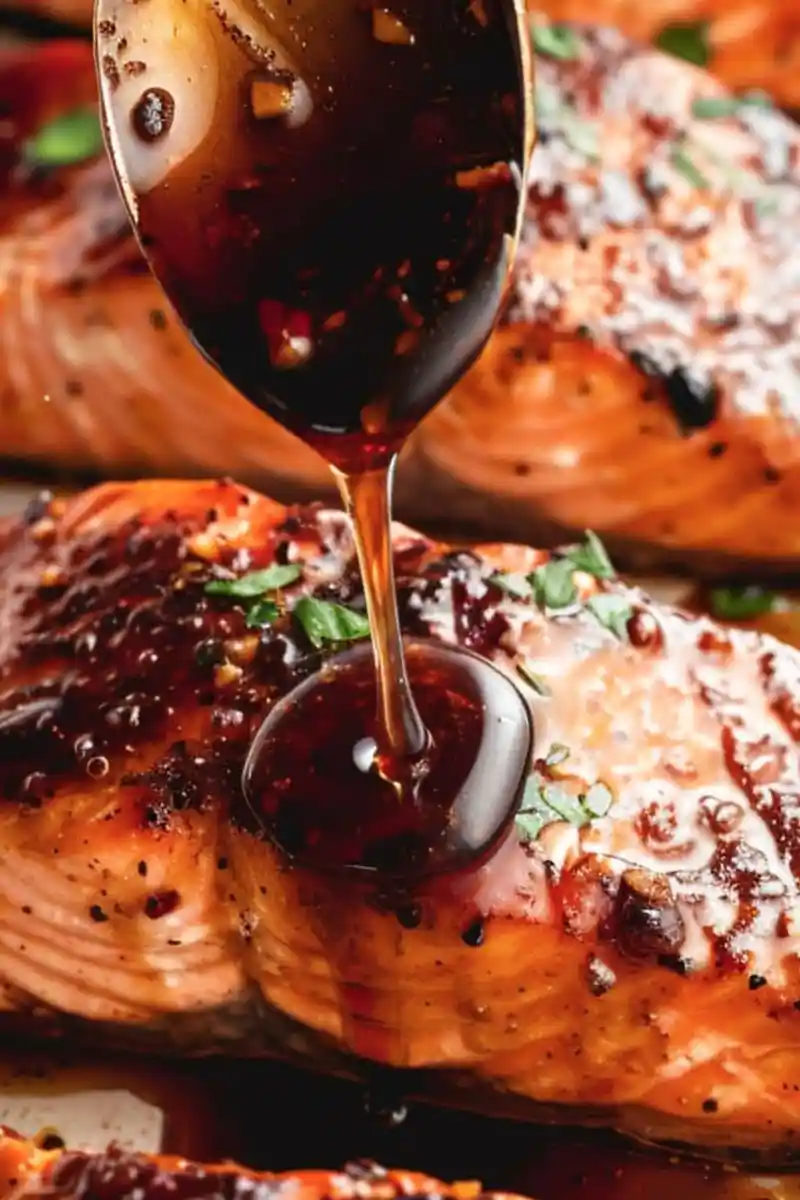
List of ingredients
- 4 pieces Salmon fillets (7 oz each) – use similar sizes for even cooking.
- 2 tsp sea salt – for basic seasoning.
- 2 tsp black pepper (freshly ground) – adds a slight spice.
- 2 tsp garlic powder – provides a consistent garlic base.
- ½ cup salted butter (or olive oil) – the fat base for the sauce.
- 5 cloves garlic (freshly minced) – adds pungent aromatic flavor.
- ½ cup honey – provides sweetness and helps with caramelization.
- ¼ cup soy sauce (or Tamari for gluten-free option) – adds saltiness and depth.
step-by-step instructions
- Get Prepped: Preheat your oven to 425°F (220°C). Line a baking sheet with parchment paper or foil for easy cleanup.
- Craft your Glaze: In a small saucepan over medium-high heat, combine butter, soy sauce, honey, and garlic. Whisk until smooth and let it simmer for 3 minutes until the sauce thickens slightly.
- Season and Glaze: Arrange salmon fillets on your prepared baking sheet. Season generously with salt, pepper, and garlic powder, then pour the glaze over the salmon, coating it well.
- Bake the Salmon: Bake for 12 minutes, or until the salmon is cooked through and flakes easily. Spoon any remaining pan sauce over the fillets for maximum flavor.
- Finish: Spoon any remaining sauce over the salmon for extra flavor, then serve immediately.
Guidelines for Salmon Selection and Preparation
Choose Fillets of Uniform Thickness
Selecting salmon pieces that are roughly the same thickness ensures they all cook at the same rate. If you have one very thick piece and one thin piece, the thinner one will overcook before the thicker one is safe to eat.
Handle Frozen Fillets Properly
If using frozen salmon, thaw it completely in the refrigerator overnight. Thawing in the fridge preserves the texture of the fish and prevents it from becoming mushy, which often happens with rapid thawing methods.
Remove Excess Surface Moisture
Use paper towels to blot the salmon fillets dry before applying seasonings. Removing moisture prevents the fish from steaming in the oven and allows the glaze to adhere better to the surface.
Decide Between Skin-On or Skinless
Skin-on fillets are generally better for holding the fish together during the baking process. If you prefer skinless salmon, ensure you use parchment paper to prevent the flesh from sticking to the baking sheet.
Perfecting the Honey Glaze
Balance the Sweetness with Acid
If you find the glaze too sweet, add a squeeze of fresh lemon or lime juice. The acidity cuts through the sugar in the honey and balances the saltiness of the soy sauce.
Incorporate Fresh Aromatics
Freshly minced garlic provides a much sharper and more vibrant flavor than pre-minced options. For an extra layer of flavor, consider adding a small amount of freshly grated ginger to the saucepan.
Adjust the Sauce Consistency
If the glaze is too thin, simmer it for another 2-3 minutes to reduce the water content. If it becomes too thick, whisk in a tablespoon of warm water to reach a pourable consistency.
Use Tamari for Gluten-Free Requirements
Replacing standard soy sauce with Tamari provides a similar salty, umami flavor while remaining gluten-free. The flavor profile remains nearly identical, making it a seamless substitution.
Advanced Cooking Techniques
Use a Meat Thermometer for Precision
The most reliable way to check for doneness is using an instant-read thermometer. Aim for an internal temperature of 145°F (63°C) at the thickest part of the fillet.
Account for Carryover Cooking
Salmon continues to cook for a few minutes after being removed from the oven. Take the fish out when it is just slightly under your target temperature to avoid drying it out.
Implement Regular Basting
Spoon the pan juices over the fillets halfway through the baking process. This adds another layer of glaze and prevents the top of the fish from drying out under the high heat.
Apply a Final Broil for Color
For a deeper caramelized crust, switch the oven to the broiler setting for the last 1-2 minutes. Watch the fish closely to ensure the honey does not burn, as sugar caramelizes very quickly.
Serving and Pairing Ideas
Pair with Steamed Green Vegetables
Serve this salmon with steamed broccoli, asparagus, or snap peas. The brightness of green vegetables complements the rich, sweet profile of the honey glaze.
Use Grains for a Complete Meal
Serve the fillets over a bed of jasmine rice, quinoa, or brown rice. The grains will soak up the extra honey glaze from the pan, reducing waste and adding flavor to the side.
Enhance Presentation with Garnishes
Sprinkle toasted sesame seeds or thinly sliced scallions over the fish before serving. A sprinkle of fresh parsley or a lemon wedge also adds a professional touch to the plating.
Storage and Reheating Advice
Store Leftovers in Airtight Containers
Place cooked salmon in a sealed container and refrigerate it for up to three days. Ensure the fish is completely cooled before sealing to prevent excess moisture from building up inside.
Reheat Gently in the Oven
To maintain the texture, reheat salmon in a 275°F (135°C) oven for about 10 minutes. This slow warming process prevents the fish from becoming rubbery or dry.
Use an Air Fryer for a Quick Refresh
An air fryer set to 350°F (175°C) for 3-5 minutes can quickly warm the salmon while crisping the glaze. Be careful not to overcook it, as air fryers circulate heat very efficiently.
Avoid Using the Microwave
Microwaving salmon often results in an uneven temperature and a rubbery texture. It can also intensify the fishy aroma, making it less appealing than oven-reheated leftovers.
Troubleshooting Common Issues
Why is my salmon dry?
Overcooking is the most common cause of dry salmon. Using a thermometer to hit exactly 145°F and removing the fish slightly early to allow for carryover cooking prevents this.
What to do if the glaze burns?
Honey has a high sugar content and can burn if the oven temperature is too high or if it’s left too long. If the glaze burns, you can gently scrape off the blackened bits and serve with a fresh drizzle of sauce.
How do I fix a glaze that won’t stick?
A glaze that won’t stick is usually too thin. Simmer the sauce longer to reduce it, or whisk in a tiny cornstarch slurry (1 tsp cornstarch to 1 tbsp water) to thicken it instantly.
Why is the center of the fish still raw?
This typically happens with very thick fillets. Increase the baking time by 2-3 minutes or ensure the fillets are of uniform thickness before they enter the oven.
How can I prevent the salmon from sticking?
Always use parchment paper or aluminum foil on your baking sheet. If using foil, lightly grease it with oil or butter to ensure the fish slides off easily after cooking.
Print
Honey Glazed Salmon
- Total Time: 20 minutes
- Yield: 4 servings 1x
- Diet: General
Description
Get restaurant-quality honey glazed salmon at home! This recipe delivers tender, flavorful fish every time
Ingredients
- 4 pieces Salmon fillets (7 oz each)
- 2 tsp sea salt
- 2 tsp black pepper (freshly ground)
- 2 tsp garlic powder
- ½ cup salted butter (or olive oil)
- 5 cloves garlic (freshly minced)
- ½ cup honey
- ¼ cup soy sauce (or Tamari for gluten-free option)
Instructions
- Get Prepped: Preheat your oven to 425°F (220°C). Line a baking sheet with parchment paper or foil for easy cleanup.
- Craft your Glaze: In a small saucepan over medium-high heat, combine butter, soy sauce, honey, and garlic. Whisk until smooth and let it simmer for 3 minutes – the sauce will thicken slightly.
- Season and Glaze: Arrange salmon fillets on your prepared baking sheet. Season generously with salt, pepper, and garlic powder. Pour the luscious glaze over the salmon, making sure to coat it well.
- Bake the Salmon: Bake for 12 minutes, or until the salmon is cooked through and flakes easily. Spoon any pan sauce over the salmon for maximum flavor.
- Finish: Spoon any remaining sauce over the salmon for extra flavor, then serve immediately.
Notes
Choose salmon fillets of similar size for consistent cooking. For best results, use an instant-read thermometer to ensure the internal temperature reaches 145°F (63°C). To reheat leftovers, use an oven, stovetop, or air fryer to maintain texture.
- Prep Time: 5 minutes
- Cook Time: 15 minutes
- Category: entree
- Method: Baking
- Cuisine: American, Asian
Nutrition
- Serving Size: 1 fillet
- Calories: 357 kcal
- Sugar: 35 g
- Sodium: 2159 mg
- Fat: 23 g
- Saturated Fat: 15 g
- Unsaturated Fat: 7 g
- Trans Fat: 1 g
- Carbohydrates: 39 g
- Fiber: 1 g
- Protein: 40 g
- Cholesterol: 62 mg