This one-pot meal combines ground beef, pasta, and a rich tomato base for a satisfying dinner. It is a practical choice for busy weeknights because it requires minimal cleanup and uses common pantry staples.
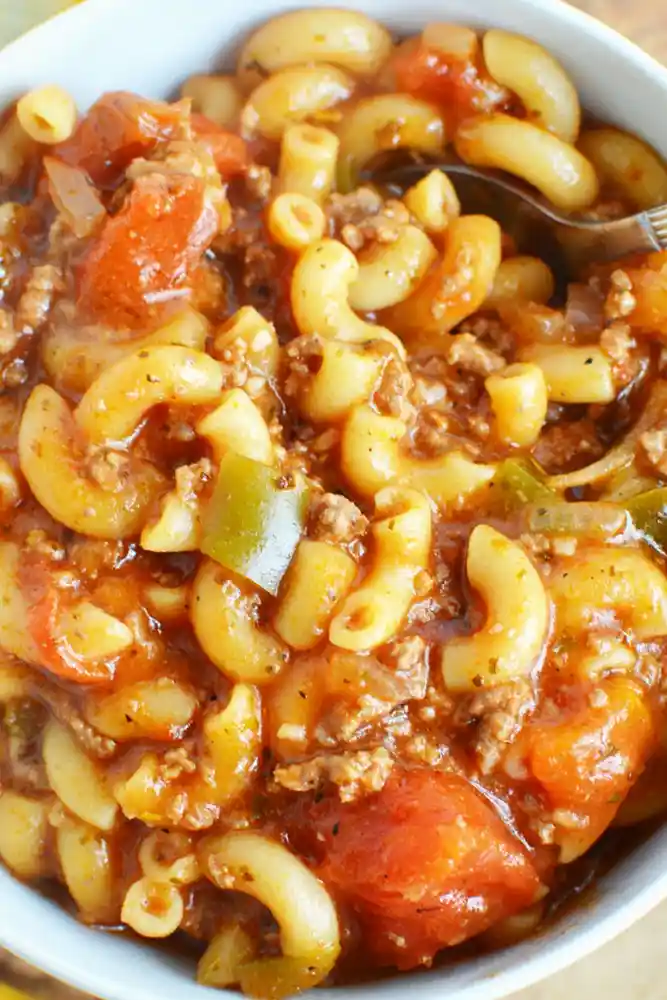
List of ingredients
- 1 lb ground beef – use 80/20 for better flavor.
- 1 green pepper – seeds removed and chopped.
- 1 small onion – finely diced.
- 1 tablespoon minced garlic – fresh is preferred for potency.
- 1 can (15 oz) tomato sauce – provides the smooth base.
- 1 can (14.5 oz) stewed tomatoes – do not drain the liquid.
- 3 cups water – used for simmering the pasta.
- 1 tablespoon Worcestershire sauce – adds savory depth.
- 2 tablespoons Italian seasoning – a blend of basil and oregano.
- 2 teaspoons salt – adjust to taste.
- 1/2 teaspoon ground black pepper – for a mild heat.
- 2 cups elbow macaroni – uncooked.
step-by-step instructions
- Sauté Aromatics: In a large stock pot, combine the ground beef, chopped green pepper, minced garlic, and diced onion.
- Brown the Meat: Heat the mixture over medium-high heat, stirring frequently until the beef is thoroughly browned.
- Degrease: Carefully drain the excess grease from the pot, then return the meat and vegetable mixture to the pot.
- Simmer Base: Stir in the tomato sauce, undrained stewed tomatoes, water, Worcestershire sauce, Italian seasoning, salt, and black pepper. Mix well and heat over medium-high heat until the liquid reaches a boil.
- Cook Pasta: Add the uncooked elbow macaroni to the boiling liquid. Continue to cook over a strong boil for 8 to 12 minutes, or until the pasta reaches your desired tenderness.
- Final Step: Remove the pot from the heat immediately once the pasta is done and serve.
Professional Flavor Enhancements
Substituting Water with Beef Broth
Replacing the three cups of water with a high-quality beef broth significantly increases the savory depth of the dish. Broth introduces concentrated proteins and minerals that water lacks, creating a more cohesive and rich sauce. Be mindful of the sodium levels in your broth; if using a salted variety, reduce the added salt in the recipe by one teaspoon to maintain a balanced flavor.
The Importance of Browning Meat
Searing the ground beef until it is deeply browned triggers the Maillard reaction, which creates complex flavor compounds. Avoid simply steaming the meat in its own juices by using a medium-high heat setting. This process ensures that the final goulash has a robust, meaty taste rather than a bland, boiled flavor.
Optimizing Garlic Timing
While this recipe adds garlic at the start, adding it toward the end of the browning process prevents it from burning. Burnt garlic can introduce a bitter taste that overpowers the sweetness of the tomatoes. Stirring the garlic in during the last 60 seconds of sautéing the beef preserves its aromatic qualities.
Adjusting Seasoning Ratios
If you do not have a pre-mixed Italian seasoning, you can create your own by combining dried basil and dried oregano in equal parts. For a more earthy profile, adding a pinch of smoked paprika can mimic the essence of traditional European stews while keeping the American style. Always taste the sauce before adding the pasta to ensure the salt levels are correct.
Ingredient Substitutions and Customizations
Using Leaner Protein Options
Ground turkey or ground chicken can be used as a lighter alternative to beef. Because these meats have lower fat content, you may need to add a tablespoon of olive oil to the pot before sautéing to prevent sticking. Keep in mind that leaner meats have a milder flavor, so you might want to increase the Italian seasoning slightly.
Swapping Stewed Tomatoes for Diced
If stewed tomatoes are unavailable, diced tomatoes serve as a suitable replacement. Stewed tomatoes generally have a softer texture and a slightly sweeter profile, whereas diced tomatoes provide a firmer bite. If using diced tomatoes, ensure they are packed in juice or puree to maintain the correct liquid ratio in the pot.
Choosing Alternative Pasta Shapes
Elbow macaroni is traditional, but other small pasta shapes like rotini, penne, or ditalini work well. Spiral pasta like rotini is particularly effective because the grooves trap more of the tomato sauce. Ensure the pasta size remains small so that it distributes evenly throughout the meat and vegetable mixture.
Incorporating Root Vegetables
To increase the nutritional value, you can add finely diced carrots and celery during the initial sautéing phase. These vegetables add a subtle sweetness and a bit of extra texture to the dish. Sauté them along with the onion and green pepper until they are softened before adding the beef.
Adding Legumes for Texture
Canned kidney beans, black beans, or chickpeas can be stirred in during the final five minutes of cooking. If using chili beans, including the sauce from the can adds extra thickness and spice to the overall base. Legumes provide additional plant-based protein and fiber, making the meal even more filling.
Slow Cooker Preparation Method
Pre-Searing the Beef
To maintain the best flavor in a slow cooker, you must brown the ground beef in a skillet before transferring it to the crockpot. Slow cookers do not reach temperatures high enough to sear meat, which can result in a gray color and a lack of depth. Drain the grease in the skillet before adding the meat to the slow cooker.
Coordinating Pasta Addition
Adding uncooked noodles at the beginning of a long slow-cook cycle will result in mushy, overcooked pasta. Instead, add the uncooked macaroni during the final 30 to 40 minutes of the cooking process. This ensures the pasta absorbs the flavors of the sauce while remaining al dente.
Using Pre-Boiled Pasta
Another effective method for slow cooking is to boil the pasta separately to about 80% doneness. Store the cooked noodles in the refrigerator and stir them into the slow cooker during the last 15 to 20 minutes of cooking. This method provides the most consistent texture and prevents the sauce from becoming too starchy.
Temperature and Timing Settings
For the slow cooker version, cook the meat and sauce mixture on high for 2 hours or on low for 4 to 6 hours. If you notice the sauce is too thin after the cooking cycle, leave the lid off for the final 30 minutes to allow some liquid to evaporate. This concentrates the flavors and thickens the consistency.
Long-Term Storage and Maintenance
Proper Refrigeration Techniques
Store leftover goulash in airtight glass or plastic containers to prevent the meat from absorbing refrigerator odors. This dish typically remains fresh and safe to eat for up to five days. Because the pasta continues to absorb liquid while cooling, you may find the dish is thicker the next day.
Freezer-Safe Packaging
Goulash can be frozen for three to four months if stored correctly. Use freezer-safe bags or containers, leaving a small amount of space at the top for expansion as the liquid freezes. Cooling the dish completely to room temperature before freezing prevents the formation of large ice crystals, which can ruin the texture.
The Thawing Process
The safest way to thaw frozen goulash is to move it from the freezer to the refrigerator 24 hours before you plan to eat it. For faster results, you can use the defrost setting on a microwave, though this may unevenly heat the pasta. Avoid thawing the dish on the counter at room temperature to prevent bacterial growth.
Reheating for Consistent Texture
When reheating goulash in a microwave or on the stove, add a splash of water or beef broth. This replaces the moisture that the pasta absorbed during storage and restores the saucy consistency. Heat on medium-low, stirring occasionally, until the center is steaming hot.
Serving and Plating Suggestions
Pairing with Crusty Breads
The acidity of the tomato sauce pairs perfectly with buttery, salty breads. Garlic cheddar biscuits or warm mayo rolls provide a rich contrast to the savory beef. A slice of toasted sourdough or a piece of crusty French bread is also ideal for scooping up the remaining sauce from the bowl.
Balancing with Fresh Greens
Since goulash is a heavy, starch-based meal, serving it with a light side salad creates a balanced plate. A garden salad with a lemon-vinaigrette or a grilled vegetable salad adds a necessary brightness and crunch. The acidity in the dressing helps cut through the richness of the ground beef.
Adding a Layer of Melted Cheese
Stirring in shredded cheddar or mozzarella cheese just before serving adds a creamy element to the dish. For a more intense flavor, Pepper Jack cheese can provide a subtle kick of heat. Alternatively, you can sprinkle cheese on top and place the dish under a broiler for two minutes until the cheese is bubbly and brown.
Using Savory Toppings
Adding a crunchy element on top of the goulash enhances the eating experience. Saltine crackers or oyster crackers are classic choices that add a salty contrast. For a more modern twist, a handful of corn chips or Fritos can provide a bold flavor and a satisfying crunch.
Troubleshooting and Common Questions
Why is the sauce too thin?
If the sauce is too watery, it is usually because the pasta didn’t simmer long enough or too much water was added. To fix this, continue simmering the dish without a lid over medium heat for several minutes to allow the liquid to reduce. You can also stir in a tablespoon of tomato paste to thicken the base quickly.
How do I stop the pasta from overcooking?
The key to preventing mushy pasta is to monitor the boil closely and remove the pot from the heat immediately once the noodles reach al dente. Remember that the pasta will continue to cook for a few minutes due to the residual heat of the sauce. Undercooking it slightly in the pot ensures the perfect texture upon serving.
Can I make this dish spicier?
To increase the heat, stir in a tablespoon of Sriracha, red pepper flakes, or a dash of cayenne pepper during the simmering stage. If you prefer a smokier heat, chipotle peppers in adobo sauce are an excellent addition. Always add spice in small increments and taste frequently to avoid over-seasoning.
Which tomato sauce brand is best?
For the best results, choose a tomato sauce with low added sugar to prevent the goulash from tasting too sweet. If you are using a brand that is naturally very acidic, a small pinch of sugar or a teaspoon of butter can help balance the flavors. Pureed tomato sauce typically provides a smoother consistency than chunky versions.
Print
Hearty American Goulash
- Total Time: 30 minutes
- Yield: 10 servings 1x
- Diet: General
Description
A hearty bowl of Old Fashioned Goulash made in one pot with ground beef, green peppers, onions, and tomato sauce in elbow macaroni.
Ingredients
- 1 lb ground beef
- 1 green pepper, seeds removed and chopped
- 1 small onion, diced
- 1 tablespoon minced garlic
- 1 can (15 oz) tomato sauce
- 1 can (14.5 oz) stewed tomatoes (do not drain)
- 3 cups water
- 1 tablespoon Worcestershire sauce
- 2 tablespoons Italian seasoning
- 2 teaspoons salt
- 1/2 teaspoon ground black pepper
- 2 cups elbow macaroni (uncooked)
Instructions
- Step 1: In a large stock pot, add beef, pepper, garlic and onion.
- Step 2: Heat over medium high heat, stirring frequently until meat is browned. Drain grease. Return meat to pot.
- Step 3: Add tomato sauce, tomatoes, water, Worcestershire sauce and seasonings and mix well. Heat over medium high heat until boiling.
- Step 4: Add pasta and continue to cook over a strong boil for 8-12 minutes or until pasta is cooked to your liking.
- Step 5: Remove from heat and serve.
Notes
Store leftovers in an airtight container in the refrigerator for up to 5 days or freeze for 3-4 months. For a richer taste, substitute beef broth for water.
- Prep Time: 10 minutes
- Cook Time: 20 minutes
- Category: Main Course
- Method: Stovetop
- Cuisine: American
Nutrition
- Serving Size: 1 serving
- Calories: 241 kcal
- Sugar: 6 g
- Sodium: 650 mg
- Fat: 8 g
- Saturated Fat: 3 g
- Unsaturated Fat: 5 g
- Trans Fat: 0 g
- Carbohydrates: 28 g
- Fiber: 3 g
- Protein: 14 g
- Cholesterol: 45 mg