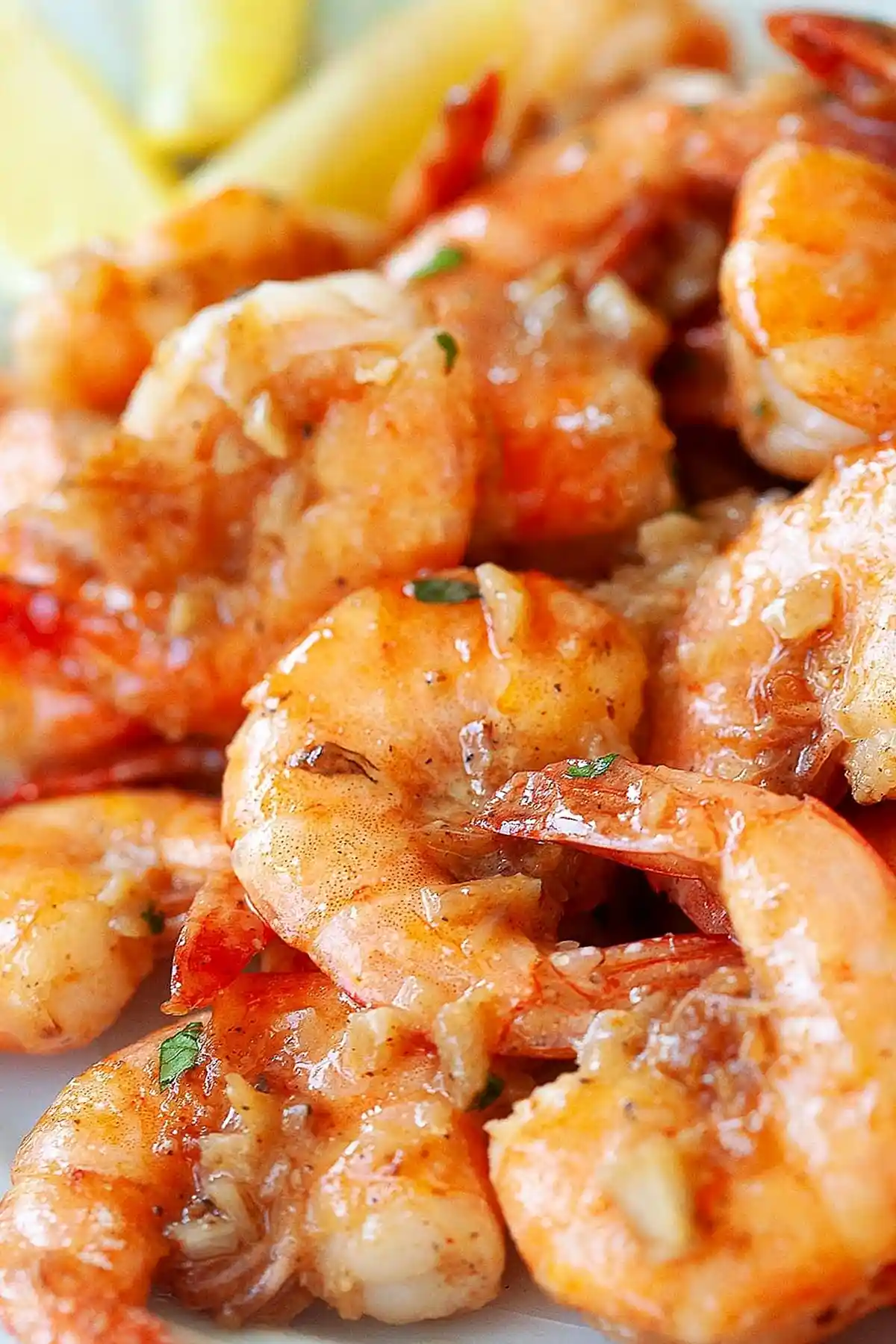
Experience the bold, iconic flavors of the famous island food trucks right in your own kitchen. This Hawaiian-inspired garlic shrimp dish features succulent crustaceans coated in a buttery, aromatic sauce that perfectly balances savory richness with a hint of citrus brightness. It is a quick and satisfying meal that captures the essence of coastal dining with minimal effort and maximum flavor.
List of ingredients
- 1 lb (500g) shrimp or tiger prawn (headless, shell-on, tail-on, deveined)
- 1/2 tablespoon all-purpose flour
- 3 dashes cayenne pepper (or paprika)
- 2 oz (60g) unsalted butter (4 tablespoons)
- 1 1/2 tablespoons olive oil
- 5-6 cloves garlic, peeled and minced
- 2 tablespoons vegetable broth
- Salt to taste
- 1/4 teaspoon sugar
- 1 teaspoon fish sauce (optional, or soy sauce substitute)
- 1/2 teaspoon freshly ground black pepper
- Lemon wedges (for serving)
step-by-step instructions
- Step: Clean and rinse the shrimp, then devein them. Pat them dry with paper towels.
- Step: Mix the flour and cayenne pepper together in a large bowl. Add the shrimp and toss a few times to lightly coat them with the flour mixture.
- Step: Heat a sauté pan and add the butter. Once the butter melts, add the olive oil. Stir in the garlic and sauté lightly until fragrant.
- Step: Add the shrimp to the pan. Sauté the shrimp, then add the vegetable broth, salt, sugar, fish sauce (if using), and black pepper.
- Step: Continue to stir until the shrimp are cooked through. Dish out and serve immediately with rice and lemon wedges.
Essential Preparation Techniques
The Benefit of Shell-On Shrimp
Using shrimp that are shell-on is a professional secret for maximizing depth of flavor. The shells act as a barrier that shields the delicate meat from direct high heat, resulting in a more tender texture while simultaneously releasing natural savory compounds into the butter sauce. Removing the shells before eating is part of the authentic, casual experience of this island-inspired meal.
Achieving the Perfect Sear
Patting your shrimp dry with paper towels is the most important step for achieving a high-quality sear. Excess surface moisture leads to steaming, which prevents the flour coating from crisping up and forming the desired crust. Always ensure your pan is hot enough to sizzle the moment the shrimp make contact with the butter and oil mixture.
Refining the Flavor Profile
Balancing Umami and Acidity
The secret to replicating restaurant-quality results lies in the careful balance of the sauce. The fish sauce provides an essential backbone of umami that elevates the garlic, while the sugar keeps the flavor profile rounded and prevents any harsh edges. If you find the sauce is too rich, increasing the amount of lemon juice at the end can provide a bright, acidic contrast that refreshes the palate between bites.
Selecting Garlic Quality
Always use fresh garlic rather than pre-minced or jarred alternatives. Freshly minced garlic contains moisture and volatile oils that are lost during the processing of shelf-stable varieties, which is critical for creating the characteristic punchy flavor of this recipe. For the most consistent results, slice the garlic into uniform pieces so they all toast at the same rate in the hot butter.
Practical Serving Suggestions
Creating a Complete Island Plate
This dish is traditionally served with two generous scoops of steamed white rice, which act as a vessel to soak up every drop of the garlicky butter sauce. Including a side of macaroni salad or a simple green salad with a light vinaigrette can round out the meal without competing with the bold, savory profile of the shrimp. A pile of fresh, steamed bok choy or snap peas also makes an excellent vegetable pairing.
Customizing the Heat Level
While the original recipe calls for a modest amount of cayenne, you can easily customize the heat to suit your preferences. If you enjoy a more intense spice profile, consider adding a pinch of crushed red pepper flakes during the sauté phase with the garlic. For those who prefer a milder profile, simply omit the cayenne or substitute it with smoked paprika, which provides a rich color without the sharp heat.
Storage and Reheating Advice
Maintaining Texture During Storage
If you have leftovers, store them in an airtight container in the refrigerator for no longer than 24 hours. Because shrimp are highly susceptible to becoming rubbery, keeping them in the refrigerator for extended periods is not recommended. Always ensure the container is tightly sealed to prevent the aroma of the garlic from permeating other items in your fridge.
Gentle Reheating Strategies
To reheat the shrimp without compromising their texture, use a pan over low heat rather than a microwave. Add a tiny splash of water or broth to the pan to create a little steam, which helps prevent the butter from breaking and the shrimp from hardening. Gently stir until just warmed through, which should take no more than a minute or two.
Common Kitchen Inquiries
How do I know when the shrimp are perfectly cooked?
The shrimp are ready as soon as they turn an opaque, pink color and start to curl into a loose ‘C’ shape. If they curl into a tight ‘O’ shape, they have likely been on the heat too long and will have a chewy, rubbery texture. Developing an eye for this slight change in shape is the best way to ensure the perfect bite every time you cook seafood.
Is it possible to cook this for a large group?
You can certainly scale the recipe up, but it is important to work in batches if your pan is not large enough to accommodate the shrimp in a single layer. Overcrowding the pan results in the shrimp stewing in their own juices rather than searing. By cooking in batches, you maintain the proper temperature of the butter and ensure each shrimp gets the necessary exposure to the garlic and heat.
What should I do if the garlic begins to brown too quickly?
If you notice the garlic turning brown before you are ready to add the shrimp, immediately remove the pan from the heat source and stir in a small amount of extra broth or liquid. This cools the pan quickly and stops the browning process. Once the temperature stabilizes, you can return the pan to the heat and proceed with adding your protein.
Print
Hawaiian Garlic Shrimp
- Total Time: 20 minutes
- Yield: 2 servings 1x
- Diet: Pescatarian
Description
This Hawaiian Garlic Shrimp recipe is buttery, garlicky, and irresistibly delicious—just like the famous shrimp trucks in Oahu. With crispy, golden shrimp and a rich, savory garlic sauce, it’s easy to make at home and a must-try for seafood lovers!
Ingredients
- 1 lb (500g) shrimp or tiger prawn (headless, shell-on, tail-on, deveined)
- 1/2 tablespoon all-purpose flour
- 3 dashes cayenne pepper (or paprika)
- 2 oz (60g) unsalted butter (4 tablespoons)
- 1 1/2 tablespoons olive oil
- 5–6 cloves garlic, peeled and minced
- 2 tablespoons vegetable broth
- Salt to taste
- 1/4 teaspoon sugar
- 1 teaspoon fish sauce (optional, or soy sauce substitute)
- 1/2 teaspoon freshly ground black pepper
- Lemon wedges (for serving)
Instructions
- Step: Clean and rinse the shrimp, then devein them. Pat them dry with paper towels.
- Step: Mix the flour and cayenne pepper together in a large bowl. Add the shrimp and toss a few times to lightly coat them with the flour mixture.
- Step: Heat a sauté pan and add the butter. Once the butter melts, add the olive oil. Stir in the garlic and sauté lightly until fragrant.
- Step: Add the shrimp to the pan. Sauté the shrimp, then add the vegetable broth, salt, sugar, fish sauce (if using), and black pepper.
- Step: Continue to stir until the shrimp are cooked through. Dish out and serve immediately with rice and lemon wedges.
Notes
Always use shell-on, tail-on shrimp. The shells help lock in the shrimp’s natural juices, making the garlic butter sauce richer. Shrimp cook in a flash—just 2 minutes per side is all it takes to avoid a rubbery texture.
- Prep Time: 15 minutes
- Cook Time: 5 minutes
- Category: Shrimp
- Method: Sauté
- Cuisine: American
Nutrition
- Serving Size: 1 serving
- Calories: 496 kcal
- Sugar: 1 g
- Sodium: 1525 mg
- Fat: 36 g
- Saturated Fat: 16 g
- Unsaturated Fat: 16 g
- Trans Fat: 0 g
- Carbohydrates: 8 g
- Fiber: 1 g
- Protein: 32 g
- Cholesterol: 347 mg