This recipe provides a simple method for achieving juicy grilled chicken with a balanced sweet and tangy glaze. It is designed for quick preparation and high-impact flavor using common pantry staples.
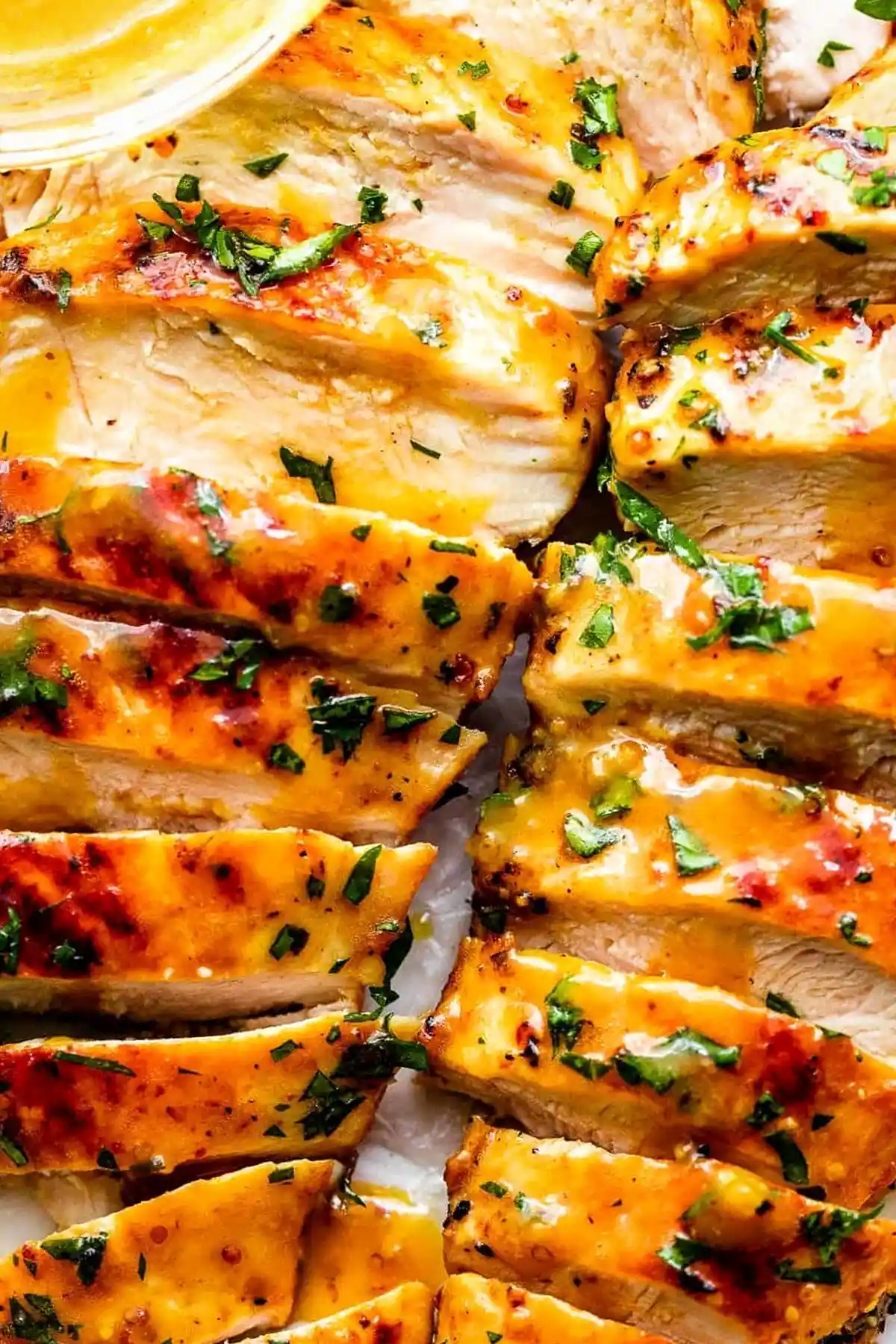
List of ingredients
- 4 boneless, skinless chicken breast – use uniform sizes for even cooking.
- salt and freshly ground pepper – adjust to your taste preference.
- ½ teaspoon garlic powder – adds savory depth without burning.
- ½ teaspoon onion powder – provides a mild, sweet aromatic base.
- ½ teaspoon dried thyme – adds an earthy, herbal note.
- ½ teaspoon dried basil – complements the sweetness of the honey.
- ¼ cup honey – the primary sweetener for the glaze.
- 2 tablespoons butter, melted – adds richness and helps the sauce cling.
- 1 tablespoon dijon mustard – provides a sharp, sophisticated tang.
- 1 tablespoon yellow mustard – offers a classic, vinegary brightness.
- 1 tablespoon wholegrain mustard – adds texture and a pungent kick.
- 2 teaspoons hot sauce (optional) – use for a subtle spicy undertone.
- ½ teaspoon white vinegar – balances the honey’s sweetness.
- ⅜ teaspoon paprika – adds a subtle earthy flavor and color.
step-by-step instructions
- Prep: Preheat your gas grill to medium-high heat to ensure proper searing.
- Prepare the chicken: Season the chicken breasts evenly with salt, pepper, garlic powder, onion powder, dried thyme, and dried basil; set aside.
- Make the honey mustard: In a mixing bowl, whisk together honey, melted butter, all three mustards, hot sauce, vinegar, and paprika until the mixture is combined and smooth. Remove ¼-cup of the honey mustard and place it in a small bowl for basting; reserve the remaining sauce for dipping.
- Grill: Brush the grill grates with vegetable oil to prevent sticking. Place the chicken breasts on the grill and brown for 2 minutes; turn them over and brown for another 2 minutes. Brush the chicken breasts thoroughly with half of the reserved basting sauce. Close the grill lid and cook for 7 minutes.
- Continue to grill: Uncover the grill, flip the chicken, and brush with the remaining basting sauce. Continue to cook for 5 to 6 more minutes, or until the internal temperature reaches 165°F. Note that thicker breasts will require a longer cooking time.
- Rest and serve: Remove the chicken from the grill and transfer it to a cutting board. Let the meat rest for 8 minutes to redistribute juices. Slice the chicken and serve with the reserved dipping sauce.
Optimizing Your Grilling Technique
Maintaining the Correct Grill Temperature
For the best results, your grill should be heated to approximately 425-450°F. If using a charcoal grill, test the heat by holding your hand a few inches above the grate; you should only be able to hold it there for one to two seconds before it becomes too hot. This high heat is essential for creating a proper sear and achieving those distinct grill marks.
Preventing Meat Adhesion
To stop chicken from sticking to the grates, ensure the grill is fully preheated before adding the meat. Lightly brush the grates with a high-smoke-point vegetable oil immediately before placing the chicken down. Avoid moving the chicken too early, as it will naturally release from the metal once a proper crust has formed.
Using an Instant-Read Thermometer
The only way to guarantee juicy chicken is to monitor the internal temperature with a digital thermometer. Insert the probe into the thickest part of the breast, avoiding any bone or fat. Remove the chicken when it hits 165°F, or slightly earlier at 163°F if you are allowing it to rest, as the temperature will continue to rise slightly after removal.
Managing Carryover Cooking
Carryover cooking occurs when the internal temperature of the meat continues to rise after it is removed from the heat source. By pulling the chicken off the grill at 163°F, you prevent the meat from overshooting the safety target and becoming dry. The 8-minute resting period allows the fibers to relax and the juices to stabilize.
Customizing the Honey Mustard Glaze
Substituting Maple Syrup for Honey
If you prefer a deeper, more autumnal flavor, you can replace the honey with pure maple syrup in a 1:1 ratio. Maple syrup provides a similar viscosity and sweetness but introduces a distinct woody note. This variation pairs exceptionally well with the wholegrain mustard.
Adjusting the Spice Level
While hot sauce is listed as optional, you can increase the heat by adding a pinch of cayenne pepper or red chili flakes to the sauce. For a different type of heat, use a Sriracha-style sauce instead of a standard vinegar-based hot sauce. This will add a slight garlic undertone to the glaze.
Using a Single Mustard Variety
If you do not have three types of mustard, you can use 3 tablespoons of Dijon mustard for a sharper taste or 3 tablespoons of yellow mustard for a more traditional American flavor. However, the combination of three provides a complex profile of acidity, texture, and pungency that a single mustard cannot replicate.
Balancing Acidity with Vinegar
The white vinegar in the recipe is crucial for cutting through the richness of the butter and the sweetness of the honey. If the sauce feels too sweet, add an extra quarter teaspoon of vinegar. You can also use apple cider vinegar for a slightly fruitier, milder acidity.
Ideal Side Dish Pairings
Pairing with Starchy Sides
Cajun-seasoned fries or air-fryer potato chips provide a salty, crispy contrast to the sweet glaze. Garlic herb potatoes wrapped in foil and grilled alongside the chicken are also a practical choice. The starch helps balance the tangy mustard profile of the main dish.
Integrating Fresh Green Salads
A crisp garden salad or a creamy pasta salad works well to lighten the meal. Use a lemon-based vinaigrette for the greens to echo the acidity in the honey mustard sauce. The fresh crunch of raw vegetables offsets the richness of the grilled chicken.
Low-Carb Vegetable Options
Coconut lime cauliflower rice is an excellent low-carb alternative that adds a tropical twist to the plate. Alternatively, grilled asparagus or sautéed spinach provides a nutrient-dense accompaniment. These options keep the meal light while maintaining a satisfying volume.
Serving with Fruit-Based Sides
A fresh fruit salad featuring melon, berries, and citrus complements the honey flavors in the chicken. The natural sweetness of the fruit mirrors the glaze, while the acidity of the citrus cleanses the palate between bites. This is particularly effective for summer outdoor dining.
Preservation and Storage Guidelines
Proper Refrigeration Methods
Store leftover chicken in an airtight container in the refrigerator for up to four days. It is best to keep the extra dipping sauce in a separate glass jar to maintain its consistency. Before using the chilled sauce, give it a quick stir or shake to re-emulsify the butter and honey.
Freezing Grilled Chicken Portions
To freeze the chicken, wrap individual portions tightly in plastic wrap to prevent freezer burn. Place the wrapped portions into a heavy-duty freezer bag and squeeze out as much air as possible. The chicken will remain high-quality for two to three months in the freezer.
Thawing and Reheating Processes
Thaw frozen chicken overnight in the refrigerator to ensure it warms evenly. To reheat, place the chicken in a covered skillet over low heat. Adding a tablespoon of water or broth to the pan helps create steam, which prevents the meat from drying out during the reheating process.
Storing the Dipping Sauce
The reserved dipping sauce can be kept in the fridge for up to a week. Since it contains butter, it will thicken significantly when cold. You can gently warm the sauce in a microwave for 10 seconds to return it to a smooth, pourable consistency.
Strategic Meal Planning
Preparing for the Week
This recipe is ideal for batch cooking because the chicken holds its flavor well over several days. Grill several extra breasts and slice them immediately after the resting period. Store them in partitioned containers with a side of vegetables for easy grab-and-go lunches.
Serving Chicken Cold
Unlike some grilled meats, honey mustard chicken tastes excellent when served chilled. Slice the cold chicken and place it over a bed of mixed greens or a ramen salad. The chilled glaze becomes thicker and more like a dressing, adding concentrated flavor to the salad.
Choosing the Right Storage Containers
Use glass containers for storing the chicken and sauce to avoid any plastic odors or stains from the mustard. Glass also allows for safer reheating in the microwave if a skillet is not available. Ensure the lids are airtight to prevent the chicken from absorbing other fridge smells.
Adjusting Portion Sizes
To scale this recipe for a larger crowd, simply double the ingredients for both the seasoning and the sauce. When grilling larger quantities, work in batches to avoid crowding the grill, which can lower the temperature and prevent proper browning.
Solving Common Cooking Problems
Preventing Sauce Charring
Because honey contains natural sugars, it can burn quickly if exposed to direct high heat for too long. This is why the chicken is browned first before the sauce is applied. Only baste the chicken during the final stages of cooking to achieve caramelization without scorching.
Handling Thick Chicken Breasts
Very thick chicken breasts may brown on the outside before the center is cooked. If this happens, you can lightly pound the breasts to an even thickness before seasoning. This ensures the meat cooks uniformly and reduces the total time spent on the grill.
Avoiding Dry Meat
Dryness is usually the result of overcooking or skipping the resting phase. Using a thermometer to hit exactly 165°F and allowing the meat to sit for 8 minutes is the best defense. If you find your chicken is consistently dry, try a brine before cooking.
Implementing a Pre-Cook Brine
For maximum juiciness, soak the chicken in a saltwater brine or a milk bath for 30 minutes before seasoning. This process increases the moisture content of the muscle fibers. Be sure to pat the chicken completely dry with paper towels before adding the dry rub to ensure a good sear.
Frequently Asked Questions
Can I use a grill pan instead of an outdoor grill?
Yes, a cast-iron grill pan works perfectly on a stovetop. Use medium-high heat and follow the same timing for browning and basting, though you may need to use a lid or a grill press to mimic the oven effect of a closed grill lid.
Which type of honey is best for this recipe?
A liquid, clover honey is recommended for its neutral sweetness and ease of mixing. If you use creamed honey, you will need to gently warm it first to ensure it blends smoothly with the mustards and melted butter.
How do I know if the chicken is fully cooked without a thermometer?
While a thermometer is safest, you can check by cutting into the thickest part of the breast; the juices should run clear and the meat should be opaque throughout. However, this method lets juices escape, which can result in drier meat.
Can I marinate the chicken in the sauce overnight?
It is not recommended to marinate the chicken in this specific sauce because the sugars in the honey will burn too quickly on the grill. Stick to the dry rub for the initial cook and use the sauce as a glaze and dipping sauce as directed.
Print
Grilled Honey Mustard Chicken
- Total Time: 35 minutes
- Yield: 4 servings 1x
- Diet: General
Description
In this easy recipe for honey mustard grilled chicken, perfectly seasoned chicken breasts are grilled and basted with homemade honey mustard sauce. It’s a finger-licking dish that is fast, easy, and full of bright, tangy-sweet flavor!
Ingredients
- 4 boneless, skinless chicken breasts
- salt and freshly ground pepper, to taste
- ½ teaspoon garlic powder
- ½ teaspoon onion powder
- ½ teaspoon dried thyme
- ½ teaspoon dried basil
- ¼ cup honey
- 2 tablespoons butter, melted
- 1 tablespoon dijon mustard
- 1 tablespoon yellow mustard
- 1 tablespoon wholegrain mustard
- 2 teaspoons hot sauce (optional)
- ½ teaspoon white vinegar
- ⅛ teaspoon paprika
Instructions
- Prep: Preheat your gas grill to medium-high heat.
- Prepare the chicken: Season the chicken breasts with salt, pepper, garlic powder, onion powder, dried thyme, and dried basil; set aside.
- Make the honey mustard: In a mixing bowl, whisk together honey, melted butter, mustards, hot sauce, vinegar, and paprika until combined and smooth. Remove ¼-cup of the honey mustard and put it in a bowl for basting. Reserve the rest for dipping.
- Grill: Brush the grill grates with vegetable oil. Place the chicken breasts on the grill and brown for 2 minutes; turn it over and brown for 2 more minutes. Brush the chicken breasts all over with half of the honey mustard basting sauce. Close the grill and cook the chicken for 7 minutes.
- Continue to grill: Uncover, flip, and brush the chicken with more basting sauce; continue to cook for 5 to 6 more minutes, or until internal temperature registers at 165˚F.
- Rest and serve: Remove the chicken from the grill and transfer to a cutting board; let it rest for 8 minutes. Slice the chicken and serve it with the reserved honey mustard sauce.
Notes
For extra juicy chicken, try marinating it in milk or saltwater brine for thirty minutes before cooking. Leftover chicken can be stored in airtight containers in the refrigerator for up to 4 days or frozen for 2 to 3 months.
- Prep Time: 15 minutes
- Cook Time: 20 minutes
- Category: Dinner
- Method: Grilling
- Cuisine: American
Nutrition
- Serving Size: 1 chicken breast
- Calories: 255 kcal
- Sugar: 18 g
- Sodium: 364 mg
- Fat: 9 g
- Saturated Fat: 4 g
- Unsaturated Fat: 5 g
- Trans Fat: 1 g
- Carbohydrates: 19 g
- Fiber: 1 g
- Protein: 25 g
- Cholesterol: 88 mg