This recipe creates a rich and creamy pasta dish featuring tender sautéed shrimp. It is a fast-cooking meal that relies on a simple homemade Alfredo sauce for a restaurant-style finish.
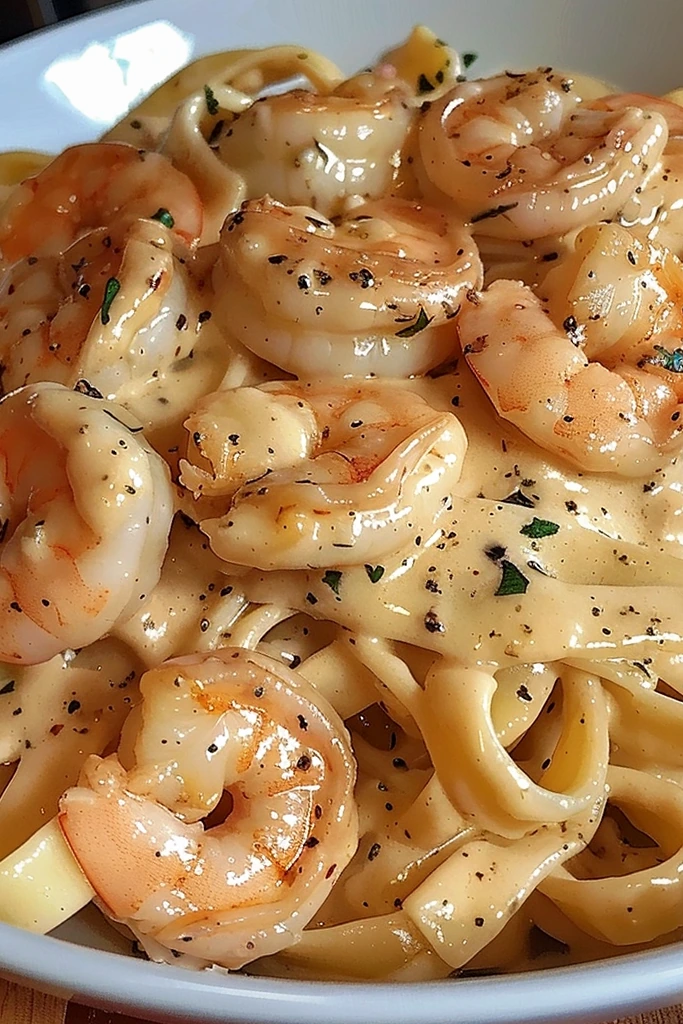
List of ingredients
- 8 ounces fettuccine pasta – provides a sturdy base for the heavy sauce.
- 1 pound large shrimp, peeled and deveined – use fresh or thawed shrimp for best results.
- 1 tablespoon olive oil – used for searing the shrimp.
- Salt and pepper to taste – for seasoning the seafood and adjusting the sauce.
- 1/4 cup butter – the rich base for the Alfredo sauce.
- 1 cup heavy cream – creates the characteristic velvety texture.
- 1 clove garlic, minced – adds a pungent, aromatic depth.
- 1 1/2 cups freshly grated Parmesan cheese – provides a savory, salty finish.
- 1/4 cup chopped parsley – used as a fresh garnish to balance the richness.
step-by-step instructions
- Boil Pasta: Cook fettuccine according to package instructions. Drain and set aside.
- Sear Shrimp: In a large skillet, heat olive oil over medium-high heat. Season shrimp with salt and pepper, then add to the skillet. Cook until pink and opaque, about 2-3 minutes per side. Remove shrimp from skillet and set aside.
- Sauté Garlic: In the same skillet, melt butter over medium heat. Add garlic and sauté for 1 minute until fragrant.
- Simmer Cream: Stir in heavy cream and bring to a simmer. Reduce heat to low and gradually add Parmesan cheese, stirring until sauce is creamy and cheese has melted.
- Combine Ingredients: Return the shrimp to the skillet and add cooked fettuccine. Toss well to coat the pasta and shrimp with the Alfredo sauce. Cook for an additional 2-3 minutes, until everything is heated through.
- Final Touch: Garnish with chopped parsley before serving.
Expert Cooking Techniques
Pat Shrimp Dry for a Better Sear
Use paper towels to remove all excess moisture from the surface of the shrimp before seasoning. This prevents the shrimp from steaming in the pan and allows them to develop a golden-brown crust. A dry surface ensures the olive oil can sear the protein quickly at high heat.
Salt the Pasta Water Generously
Add a significant amount of salt to the boiling water before adding the fettuccine. This is the only opportunity to season the pasta itself from the inside out. Properly salted water enhances the overall flavor profile of the finished dish.
Avoid Pre-Shredded Cheese
Purchase a block of Parmesan cheese and grate it yourself using a fine grater. Pre-shredded cheeses often contain cornstarch or cellulose to prevent clumping in the bag. These additives can prevent the cheese from melting smoothly, potentially resulting in a grainy sauce.
Maintain Low Heat for the Cheese
Keep the heat on low when stirring in the Parmesan cheese to prevent the sauce from breaking. High heat can cause the proteins in the cheese to clump or the fats to separate. Stirring constantly at a low temperature ensures a smooth emulsion.
Reserve a Small Amount of Pasta Water
Before draining the fettuccine, scoop out about half a cup of the starchy cooking water. If the final sauce is too thick, adding a splash of this water will loosen it. The starch helps the sauce adhere better to the pasta strands.
Ingredient Substitutions and Alternatives
Gluten-Free Pasta Options
Replace the wheat-based fettuccine with a gluten-free alternative made from corn, brown rice, or chickpeas. Ensure you follow the specific boiling times for these pastas as they can become mushy quickly. Toss them into the sauce immediately after draining.
Low-Fat Cream Substitutes
You can use half-and-half instead of heavy cream for a lighter version of the sauce. Be aware that the sauce will be thinner and may require a slightly longer simmering time to reduce. You may need to add a small amount of extra cheese to regain thickness.
Alternative Cheeses for the Sauce
While Parmesan is traditional, Pecorino Romano can be used for a saltier, sharper flavor. Grana Padano is another excellent choice for a milder, nutty taste. You can also mix these cheeses to create a custom flavor profile.
Different Protein Choices
Sautéed chicken breast or salmon fillets work well as substitutes for shrimp. Cook the alternative protein in the same manner, removing it from the pan before starting the sauce. Ensure the meat is cooked through before returning it to the skillet.
Zucchini Noodles for Low Carb
Substitute the pasta with spiralized zucchini noodles for a ketogenic or low-carb option. Sauté the zucchini noodles separately for 2-3 minutes just before adding them to the sauce. Do not overcook them, or they will release too much water and thin the sauce.
Flavor Enhancements and Variations
Adding Fresh Spinach or Kale
Stir in a handful of fresh baby spinach or chopped kale during the final tossing stage. The heat from the sauce will wilt the greens in about one minute. This adds color and a boost of vitamins to the meal.
Incorporating Sautéed Mushrooms
Sauté sliced cremini or button mushrooms in the butter before adding the garlic. Mushrooms provide an earthy contrast to the richness of the cream and cheese. Ensure they are browned well to maximize their flavor.
Using Lemon Zest for Brightness
Stir in a teaspoon of freshly grated lemon zest just before serving. The acidity of the lemon cuts through the heavy fat of the butter and cream. This brightens the entire dish and complements the shrimp perfectly.
Adding Red Pepper Flakes for Heat
Add a pinch of red pepper flakes to the butter and garlic during the sauté process. This introduces a subtle spicy kick that balances the creaminess. Adjust the quantity based on your preferred heat level.
Using Different Types of Garlic
Try using roasted garlic cloves mashed into a paste instead of raw minced garlic. Roasted garlic offers a sweeter, more mellow flavor that blends seamlessly into the Alfredo sauce. This creates a more sophisticated taste profile.
Proper Storage and Reheating
Storing Pasta in Airtight Containers
Place leftover pasta in a shallow, airtight container to keep it fresh. Divide the portions into individual servings for easier reheating. Ensure the pasta is completely cooled before sealing the lid to prevent condensation.
Avoiding Sauce Separation during Storage
Cream-based sauces can separate or thicken significantly when chilled. To minimize this, stir in a tiny bit of extra cream or butter before refrigerating. This helps maintain the emulsion of the sauce during the cooling process.
Reheating with Extra Liquid
When reheating in a pan over low heat, add a tablespoon of milk or water. This replaces the moisture lost during storage and helps the sauce return to its original creamy state. Avoid using a microwave on high heat, as this can cause the cheese to oil off.
Maximum Storage Time in the Fridge
Keep the shrimp pasta refrigerated for no more than three days. Shrimp can lose their texture and flavor quickly when stored. For longer durations, this specific dish does not freeze well due to the high dairy content.
Serving Suggestions
Pairing with Garlic Bread
Serve the pasta with toasted baguette slices brushed with garlic butter and parsley. The crunch of the bread provides a textural contrast to the soft pasta. It also helps soak up any remaining sauce on the plate.
Adding a Fresh Side Salad
A simple arugula or Caesar salad with a lemon vinaigrette balances the meal. The bitterness of the greens and the acidity of the dressing cleanse the palate. This prevents the richness of the Alfredo sauce from becoming overwhelming.
Plating for Presentation
Use a carving fork to twirl the pasta into a tall mound in the center of the plate. Arrange the shrimp on top of the pasta mound for a professional look. Drizzle a small amount of extra sauce over the top before garnishing.
Garnish Ideas beyond Parsley
Try using fresh basil leaves or chives for a different herbal note. A sprinkle of smoked paprika adds a hint of color and a woody flavor. Freshly cracked black pepper added at the very end provides a sharp aromatic finish.
Troubleshooting Common Issues
Fixing a Grainy Alfredo Sauce
Graininess usually occurs if the cheese was added too quickly or the heat was too high. To fix this, remove the pan from the heat and whisk in a tablespoon of warm cream. Gently stir until the lumps integrate and the sauce smoothens.
Preventing Rubbery Shrimp
Avoid overcooking the shrimp by removing them from the pan as soon as they turn opaque. Shrimp cook very quickly and continue to tighten if left in the pan too long. Keep them separate from the sauce until the final heating stage.
Thinning Out a Thick Sauce
If the sauce becomes too thick after adding the pasta, stir in a small amount of milk. Add the liquid one teaspoon at a time while tossing the pasta. This allows you to control the consistency without diluting the flavor too much.
Handling Overcooked Pasta
If the pasta is slightly overdone, undercook the next batch by two minutes. Since the pasta finishes cooking in the sauce, it needs to be al dente when drained. This ensures the noodles maintain their structure and don’t break.
Frequently Asked Questions
Which shrimp size works best?
Large or jumbo shrimp are ideal because they maintain a meaty texture and do not shrink excessively. They provide a satisfying bite that stands up to the thickness of the Alfredo sauce.
Can I use pre-cooked shrimp?
Yes, but add them at the very end of the process just to warm them through. Pre-cooked shrimp will become rubbery if they are sautéed or simmered in the sauce for too long.
How do I make the sauce thicker?
Simmer the cream for a few minutes longer to reduce the liquid before adding the cheese. You can also increase the amount of Parmesan cheese, as the cheese acts as a natural thickener.
Can this be made ahead of time?
You can prepare the sauce and sauté the shrimp in advance. However, combine them with the pasta just before serving to prevent the noodles from absorbing all the sauce and becoming dry.
Print
Garlicky Shrimp Fettuccine with Homemade Cream Sauce
- Total Time: 30 minutes
- Yield: 4 servings 1x
- Diet: General
Description
A luxurious twist on the classic Italian dish combining tender shrimp with silky fettuccine pasta in a creamy, garlic-infused homemade Alfredo sauce.
Ingredients
- 8 ounces fettuccine pasta
- 1 pound large shrimp, peeled and deveined
- 1 tablespoon olive oil
- Salt and pepper to taste
- 1/4 cup butter
- 1 cup heavy cream
- 1 clove garlic, minced
- 1 1/2 cups freshly grated Parmesan cheese
- 1/4 cup chopped parsley
Instructions
- Step: Cook fettuccine according to package instructions, then drain and set aside.
- Step: Heat olive oil in a large skillet over medium-high heat, season shrimp with salt and pepper, sauté until pink and opaque (about 2-3 minutes per side), then remove and set aside.
- Step: Melt butter in the same skillet over medium heat and sauté minced garlic for 1 minute until fragrant.
- Step: Stir in heavy cream and bring to a simmer; reduce heat to low and gradually stir in Parmesan cheese until the sauce is creamy and cheese has melted.
- Step: Return the shrimp to the skillet and add cooked fettuccine, tossing well to coat for an additional 2-3 minutes until heated through.
- Step: Garnish with chopped parsley before serving.
Notes
For a thinner sauce, add a splash of reserved pasta water. For a lighter version, substitute heavy cream with half-and-half.
- Prep Time: 10 minutes
- Cook Time: 20 minutes
- Category: Main Course
- Method: Stovetop
- Cuisine: Italian
Nutrition
- Serving Size: 1 serving
- Calories: 650 kcal
- Sugar: 6 g
- Sodium: 281 mg
- Fat: 35 g
- Saturated Fat: 18 g
- Unsaturated Fat: 17 g
- Trans Fat: 0 g
- Carbohydrates: 58 g
- Fiber: 3 g
- Protein: 29 g
- Cholesterol: 130 mg