This garlic butter shrimp and rice dish provides a quick, nutritious, and incredibly flavorful dinner option for those busy weeknights when you need a meal on the table in thirty minutes or less. By combining succulent, perfectly seared shrimp with a rich, aromatic garlic-infused butter sauce and fluffy, seasoned grains, you create a balanced main course that rivals professional restaurant quality. It is a highly versatile recipe that functions as an excellent base for various seasonal vegetables and personalized flavor profiles, ensuring it remains a staple in your home kitchen rotation.
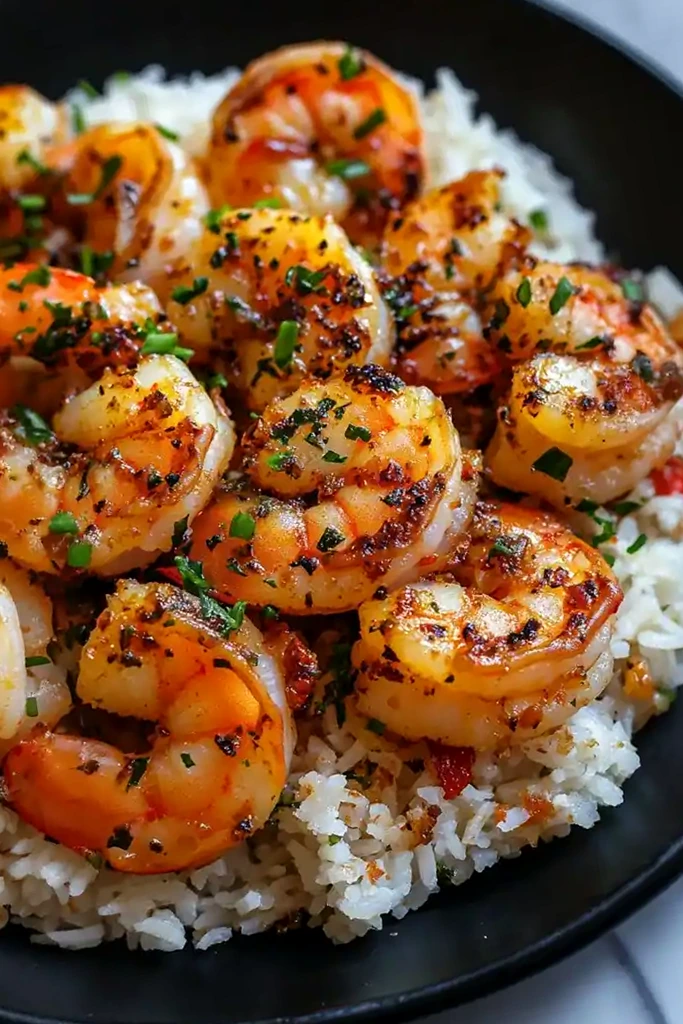
List of ingredients
- 1 pound large shrimp, peeled and deveined
- 3 tablespoons unsalted butter
- 4 cloves garlic, minced
- 1 tablespoon lemon juice
- 1 teaspoon red pepper flakes (optional)
- Salt and pepper to taste
- 1 tablespoon fresh parsley, chopped
- 1 cup white or brown rice
- 2 cups chicken broth or water
- 1 tablespoon olive oil
- 1/2 teaspoon salt
- 1/4 teaspoon black pepper
step-by-step instructions
- Cook the Rice: Rinse the rice under cold water. In a medium saucepan, bring chicken broth or water to a boil. Stir in the rice, olive oil, salt, and pepper. Reduce heat to low, cover, and simmer for 15-18 minutes. Fluff with a fork and set aside.
- Prepare the Garlic Butter Shrimp: Heat a large skillet over medium heat and melt the butter. Add the minced garlic and sauté for 30 seconds. Add the shrimp in a single layer and cook for 2-3 minutes per side until pink and opaque. Stir in lemon juice and red pepper flakes. Season with salt and pepper to taste.
- Assemble and Serve: Spoon the garlic butter shrimp over the cooked rice. Garnish with fresh parsley and serve immediately.
Practical Preparation Techniques
Mastering the Perfect Sear
To achieve the best texture for your shrimp, always pat them completely dry with paper towels before they hit the skillet. Excess surface moisture prevents proper browning and can lead to the shrimp steaming rather than searing. A high-quality dry surface allows the garlic butter to adhere better to the protein during the final minute of cooking.
Ensuring Even Cooking for Grains
When cooking your rice, avoid the temptation to lift the lid frequently during the simmering phase. Steam is essential for the hydration of the grain, and escaping vapor can result in unevenly cooked or crunchy rice. If you are using brown rice, keep in mind that the cooking time will likely double, so adjust your planning accordingly.
Refining Your Flavor Profile
Exploring Ingredient Substitutions
If you find yourself without butter, a high-quality extra virgin olive oil works exceptionally well to create a lighter, Mediterranean-style sauce. For those who enjoy a richer consistency, you can swap the chicken broth for vegetable broth to maintain a vegetarian-friendly rice base, though the shrimp itself will remain the primary protein. If fresh garlic is unavailable, a high-quality garlic paste can be used, though you should use half the amount as the concentration is typically much stronger.
Enhancing the Meal with Vegetables
You can easily turn this into a one-pan complete meal by incorporating hearty vegetables. Adding sliced bell peppers or snap peas to the skillet alongside the garlic allows them to sauté in the butter sauce just before the shrimp are added. Alternatively, stirring in a handful of fresh baby spinach at the very end of the cooking process will wilt the leaves perfectly without needing additional heat.
Managing Leftovers and Planning
Safe Storage Strategies
Any leftover shrimp and rice should be transferred to an airtight container and placed in the refrigerator within two hours of cooking. This ensures food safety and helps maintain the quality of the delicate butter sauce. Properly stored, the dish will retain its best flavor for up to three days, though the texture is always best when consumed within the first twenty-four hours.
Reheating for Best Results
To reheat the dish without turning the shrimp rubbery, avoid the microwave if possible. Instead, warm a skillet over low heat with a tiny splash of water or broth to create steam. Add the shrimp and rice, tossing them gently for two to three minutes until heated through. This gentle approach restores the moisture of the sauce and keeps the shrimp tender.
Commonly Asked Inquiries
Can I successfully use frozen shrimp for this recipe?
Yes, frozen shrimp are an excellent and convenient option for this dish. Simply ensure they are fully thawed in the refrigerator overnight or under cold running water before you begin cooking. It is absolutely critical to pat them thoroughly dry, as frozen shrimp often hold significantly more water than fresh counterparts.
What variety of rice is most effective here?
Long-grain white rice, such as Jasmine or Basmati, works best due to its aromatic qualities and fluffy texture, which are ideal for soaking up the butter sauce. If you prefer a nuttier profile, long-grain brown rice is a great nutritional choice, provided you account for the longer cooking time and slightly higher liquid requirements listed on the grain packaging.
How can I make the sauce thicker?
The emulsion of butter, garlic, and lemon juice is typically quite thin, which is intended for soaking into the rice. If you prefer a creamier, thicker coating, you can whisk a teaspoon of cornstarch into two tablespoons of room-temperature broth and stir it into the skillet during the final thirty seconds of cooking. This will provide a glossy, clingy consistency to the sauce that coats each piece of shrimp more heavily.
Are there ways to adjust the spice level?
The red pepper flakes are entirely optional, but if you enjoy heat, you can increase them to half a teaspoon for a bolder profile. For a different type of heat, consider adding a pinch of smoked paprika or a dash of cayenne pepper. These spices also bloom beautifully in the hot butter, adding a complex depth that complements the sweetness of the shrimp.
Should I remove the tails before cooking?
Removing the tails before cooking makes the dish significantly easier to eat, especially when serving it tossed directly with the rice. However, leaving the tails on during the sautéing process can provide slightly more flavor to the butter sauce. Choose the method that best fits your preference for ease of consumption versus visual presentation and flavor density.
Print
Garlic Butter Shrimp and Rice (30-Minutes)
- Total Time: 30 minutes
- Yield: 4 servings 1x
- Diet: Pescatarian
Description
Garlic Butter Shrimp and Rice is a quick, flavorful dish featuring tender shrimp sautéed in a rich garlic butter sauce, served over fluffy rice. This 30-minute meal is perfect for weeknights and can be customized with different grains, vegetables, or spices.
Ingredients
- 1 pound large shrimp, peeled and deveined
- 3 tablespoons unsalted butter
- 4 cloves garlic, minced
- 1 tablespoon lemon juice
- 1 teaspoon red pepper flakes (optional)
- Salt and pepper to taste
- 1 tablespoon fresh parsley, chopped
- 1 cup white or brown rice
- 2 cups chicken broth or water
- 1 tablespoon olive oil
- 1/2 teaspoon salt
- 1/4 teaspoon black pepper
Instructions
- Cook the Rice: Rinse the rice under cold water. In a medium saucepan, bring chicken broth or water to a boil. Stir in the rice, olive oil, salt, and pepper. Reduce heat to low, cover, and simmer for 15-18 minutes. Fluff with a fork and set aside.
- Prepare the Garlic Butter Shrimp: Heat a large skillet over medium heat and melt the butter. Add the minced garlic and sauté for 30 seconds. Add the shrimp in a single layer and cook for 2-3 minutes per side until pink and opaque. Stir in lemon juice and red pepper flakes. Season with salt and pepper to taste.
- Assemble and Serve: Spoon the garlic butter shrimp over the cooked rice. Garnish with fresh parsley and serve immediately.
Notes
Use fresh shrimp for the best texture. Add vegetables like spinach or peas for extra nutrition. Store leftovers in an airtight container for up to 3 days.
- Prep Time: 10 minutes
- Cook Time: 20 minutes
- Category: Main Course
- Method: Stovetop
- Cuisine: American, Mediterranean
Nutrition
- Serving Size: 1 bowl
- Calories: 425 kcal
- Sugar: 2 g
- Sodium: 750 mg
- Fat: 18 g
- Saturated Fat: 9 g
- Unsaturated Fat: 7 g
- Trans Fat: 0 g
- Carbohydrates: 42 g
- Fiber: 2 g
- Protein: 28 g
- Cholesterol: 165 mg