Creating a comforting, restaurant-style miso soup at home does not require specialized ingredients or long preparation times. This simplified version focuses on a flavorful vegetable base that highlights the fermented depth of miso paste, providing a warming experience in less than twenty minutes. It is a perfect, protein-rich side dish that pairs effortlessly with steamed rice or simple grilled proteins for a complete meal.
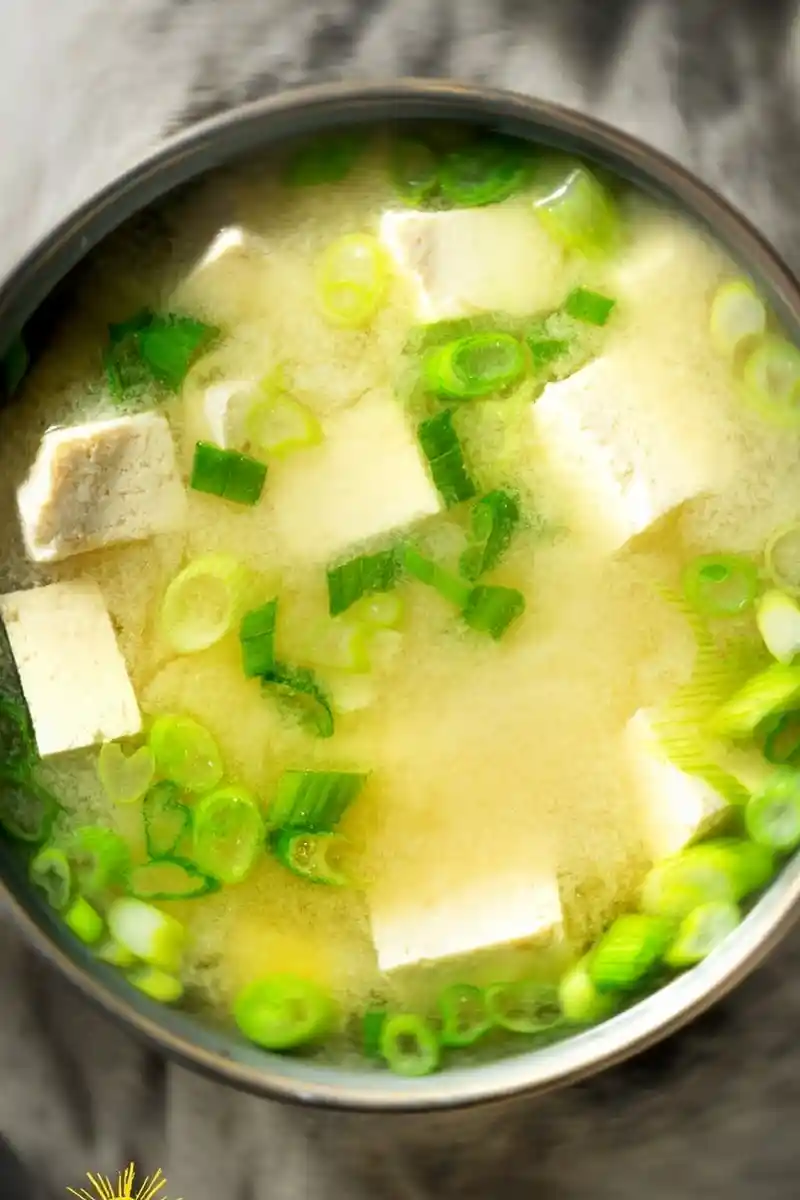
List of ingredients
- 2 cups water
- 2 cups vegetable broth
- 2 tbsps miso paste
- 2 cups soft tofu, cubed
- 2 tbsps green onions, thinly sliced
- 1 sheet nori, torn into small pieces
- 1 cup mushrooms or vegetables (optional)
step-by-step instructions
- Prep: Cube the tofu, slice the green onions, and prepare vegetables if using.
- Dissolve: Mix miso paste with a little warm water in a small bowl until smooth.
- Boil: Bring the water and vegetable broth to a gentle boil in a pot.
- Add: Toss in the tofu and mushrooms or vegetables; simmer for 5 minutes.
- Reduce: Lower the heat to low; avoid boiling the miso.
- Combine: Mix a ladle of hot broth into the miso paste, then stir the mixture back into the pot.
- Serve: Garnish with green onions and nori before serving.
Refining the Flavor Profile
The beauty of homemade soup lies in your ability to control the seasoning profile precisely. If your vegetable broth is low in sodium, you may find that you need to add a small splash of soy sauce or tamari to boost the overall saltiness. For a touch of complexity, a tiny drop of mirin or a small pinch of sugar can help balance the saltier notes of the miso paste, especially when using a darker red variety. Always taste your base liquid before adding the miso, as the paste itself contributes a significant amount of salt to the dish.
Enhancing Umami without Fish
Since this recipe skips the traditional bonito flakes, you can maximize savory flavor by selecting the right vegetable components. Using dried shiitake mushrooms in the initial boil, even if you remove them later, infuses the liquid with deep, earthy notes that stand up well to the strength of the fermented miso. Sautéing your mushrooms in a teaspoon of sesame oil before adding the liquids can also provide a deeper, roasted flavor that mimics the complexity of a long-simmered dashi.
Selecting the Right Miso Paste
Miso comes in various types, primarily distinguished by the length of fermentation and the ratio of soybeans to grains like rice or barley. White miso, also known as shiro miso, is fermented for a shorter period, resulting in a lighter color and a sweeter, milder flavor profile that works excellently in a quick soup. Red miso, or aka miso, undergoes a longer fermentation process, resulting in a darker color and a much more intense, savory, and sometimes slightly funky flavor. For beginners, starting with white or a blend of white and yellow miso is recommended to ensure the flavor is approachable and balanced.
Managing Tofu Texture
Soft tofu is the gold standard for this dish because its delicate, custard-like consistency melts in your mouth and pairs beautifully with the warm liquid. However, it is inherently fragile, so it requires gentle handling during the preparation and cooking stages. To prevent the cubes from breaking apart, add them to the pot carefully and avoid aggressive stirring once they have been submerged. If you prefer a firmer texture, you can opt for medium-firm tofu, which holds its shape better during reheating and leftovers.
Storage and Reheating Advice
To preserve the quality of your soup, store it in an airtight, non-reactive glass container in the refrigerator. Miso soup generally remains fresh for up to three days, though the texture of the nori and green onions may change as they sit in the liquid. If you plan to store the soup for several days, consider keeping the nori garnish separate and adding it fresh right before serving to keep it crisp and bright. When reheating, use a small saucepan on the stovetop over low heat, ensuring the liquid never reaches a hard boil to protect the delicate flavor of the miso.
Practical Serving Suggestions
Presentation significantly elevates the dining experience, especially for a simple soup. Serving the miso in traditional Japanese-style ceramic bowls with a wooden or ceramic wide soup spoon allows guests to capture both the broth and the tofu in a single bite. For a more substantial meal, arrange the soup as the opening course for a dinner featuring grilled fish or rice bowls. A dash of shichimi togarashi, a Japanese seven-spice blend, can be added at the table for guests who enjoy a mild, citrusy heat.
Incorporating Fresh Seasonal Vegetables
You can easily adapt this soup to reflect the current season by swapping out the mushroom varieties. During the spring, consider adding thinly sliced asparagus or baby spinach, which wilt quickly and add a pop of vibrant color. In the winter, hearty additions like thinly sliced daikon radish or carrot matchsticks add a satisfying crunch that contrasts well with the soft tofu. These vegetables should be added early in the boiling stage to ensure they reach the appropriate tenderness before the miso is stirred in.
Troubleshooting Common Issues
If your soup appears cloudy or feels too salty, it is likely due to the concentration of the miso paste or the strength of the broth. You can dilute a salty soup by adding a small amount of boiling water or plain, low-sodium vegetable stock. If you find your miso paste is not dissolving evenly, ensure the tempering step—where you mix the paste with a small amount of hot broth in a separate bowl—is performed thoroughly before returning it to the pot. This intermediate step is the most effective way to avoid the dreaded clumps of unmixed paste at the bottom of the bowl.
Frequently Asked Questions
Can I use water instead of vegetable broth?
Yes, water can be used as the base, although you will lose the added depth of flavor that vegetable broth provides. If you choose to use plain water, consider adding extra ginger or a small piece of kombu kelp to the pot while it boils to infuse the water with more character.
How do I make the soup more filling?
To transform this into a main course, increase the amount of tofu and add a serving of cooked glass noodles or udon. These additions turn the light side dish into a heartier, more substantial meal that keeps you satisfied for longer.
Is it possible to freeze the leftover soup?
It is generally not recommended to freeze miso soup because the texture of the soft tofu changes significantly upon thawing, often becoming spongy or crumbly. The miso itself may also separate or lose its delicate aroma. It is best enjoyed fresh or kept in the refrigerator for a few days.
Why does my seaweed get slimy?
If nori is left in the soup for too long, it will naturally rehydrate and soften to the point of disintegration. For the best experience, add the nori as a final garnish immediately before serving so it retains a slight chewiness and briny flavor.
Are there gluten-free considerations for this recipe?
Miso is often made with barley or other grains, so if you are sensitive to gluten, ensure that your chosen miso paste is specifically labeled as gluten-free or made solely with soybeans and rice. Additionally, check your vegetable broth labels, as some commercial varieties may contain hidden gluten ingredients.
Print
EASY Miso Soup without Dashi
- Total Time: PT20M
- Yield: 2 1x
- Diet: Vegan
Description
Have a comforting bowl of miso soup without dashi in no time. Easy to find ingredients make this recipe simple, versatile, delicious, and goes perfect with a side of rice.
Ingredients
- 2 cups water
- 2 cups vegetable broth
- 2 tbsps miso paste
- 2 cups soft tofu, cubed
- 2 tbsps green onions, thinly sliced
- 1 sheet nori, torn into small pieces
- 1 cup mushrooms or vegetables (optional)
Instructions
- Prep: Cube the tofu, slice the green onions, and prepare vegetables if using.
- Dissolve: Mix miso paste with a little warm water in a small bowl until smooth.
- Boil: Bring the water and vegetable broth to a gentle boil in a pot.
- Add: Toss in the tofu and mushrooms or vegetables; simmer for 5 minutes.
- Reduce: Lower the heat to low; avoid boiling the miso.
- Combine: Mix a ladle of hot broth into the miso paste, then stir the mixture back into the pot.
- Serve: Garnish with green onions and nori before serving.
Notes
Store leftovers in an airtight glass container in the refrigerator for up to 3 days. Reheat gently on the stove. Use quality miso paste for the best flavor.
- Prep Time: PT5M
- Cook Time: PT15M
- Category: Dinner, Side Dish, Soup
- Method: Boiling
- Cuisine: Japanese
Nutrition
- Serving Size: 1 serving
- Calories: 256 kcal
- Sugar: 4 g
- Sodium: 1597 mg
- Fat: 12 g
- Saturated Fat: 1 g
- Unsaturated Fat: 10 g
- Trans Fat: 0 g
- Carbohydrates: 14 g
- Fiber: 3 g
- Protein: 24 g
- Cholesterol: 0 mg