This rich and creamy homemade Alfredo sauce is a versatile base for pasta dishes or a decadent dip. It is made from scratch in just ten minutes using simple pantry staples.
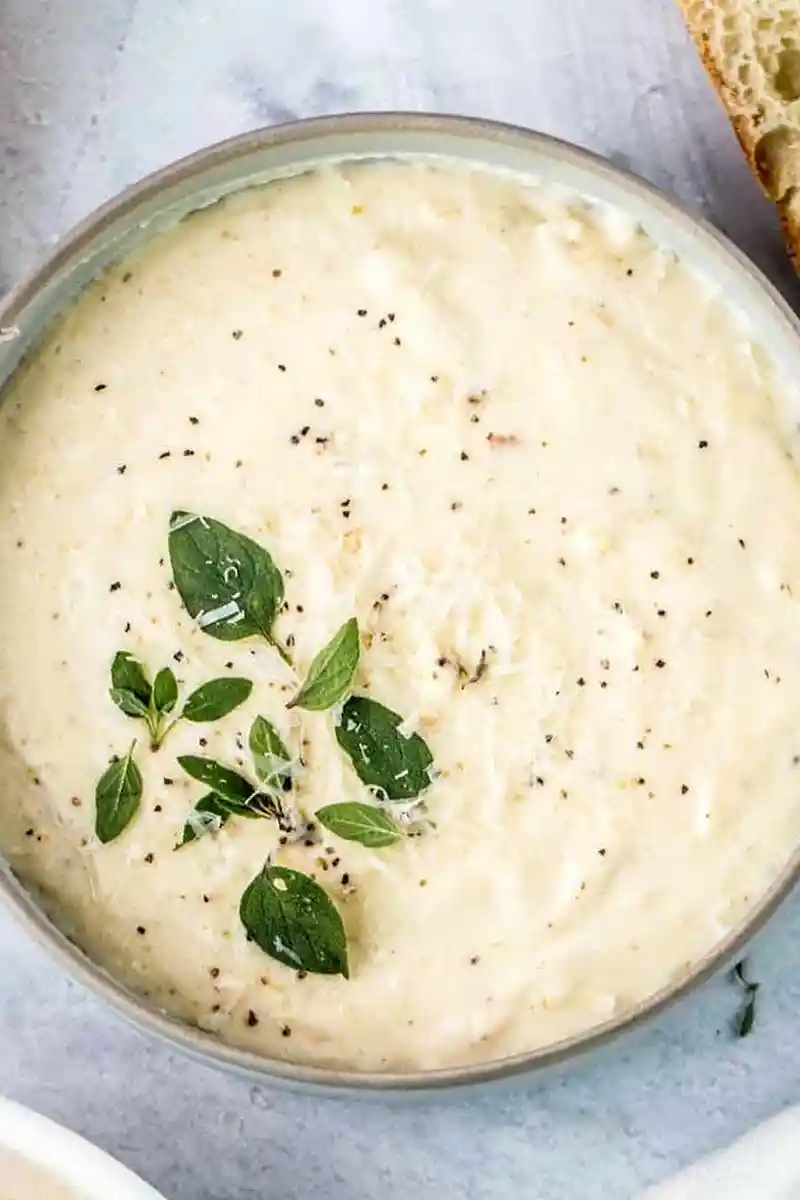
List of ingredients
- 4 Tbsp unsalted butter – provides a rich, creamy base.
- 3 garlic cloves, minced – adds a savory, aromatic depth.
- 1 1/2 cups heavy whipping cream – the primary ingredient for thickness and creaminess.
- 1 Tbsp all-purpose flour – acts as a stabilizer and thickener.
- 1/4 cup whole milk (or 2%) – lightens the consistency of the sauce.
- 1 cup grated parmesan cheese – provides the signature salty, nutty flavor.
- salt and pepper, to taste – used for final seasoning.
step-by-step instructions
- Sauté Aromatics: Heat a skillet over low to medium heat. Melt the butter completely, then add the minced garlic and cook until fragrant, ensuring the garlic does not brown or burn.
- Combine Base: In a separate mixing bowl, whisk together the heavy whipping cream and all-purpose flour until smooth. Pour this mixture into the skillet and stir in the milk.
- Emulsify: Whisk the mixture continuously over low heat until the liquid is smooth and no flour lumps remain.
- Incorporate Cheese: Add the grated parmesan cheese in small portions, whisking constantly after each addition until the cheese is fully melted. Stir in salt and pepper.
- Thicken: Bring the sauce to a light simmer, then immediately reduce the heat to low. Cook and stir until the sauce reaches your desired thick consistency.
Crucial Techniques for a Smooth Texture
Maintain Low Heat to Prevent Separation
Keeping the temperature low is the most critical part of making Alfredo sauce. If the sauce reaches a rolling boil, the fats can separate from the liquids, resulting in a greasy appearance. Once the sauce breaks or separates, it cannot be easily fixed.
Use Freshly Grated Cheese for Better Melting
Avoid using pre-shredded cheese from a bag because it is coated in potato starch or cellulose to prevent clumping. These additives interfere with the melting process and often cause the sauce to become gritty. Grating a block of parmesan by hand ensures a smooth, velvety emulsion.
Pre-whisk Flour into Cream
Mixing the flour into the cold cream before adding it to the pan prevents the formation of lumps. This method is a simpler alternative to a traditional roux and ensures the thickener is evenly distributed. It results in a consistent texture throughout the sauce.
Whisk Constantly During Cheese Addition
Adding the cheese in small increments allows each portion to melt completely before more is added. This gradual process prevents the cheese from clumping together into strings. Constant whisking helps incorporate air and keeps the sauce light.
Customizing Your Sauce
Incorporating Pesto for Added Flavor
Stirring in a few tablespoons of homemade pesto transforms the Alfredo into a creamy pesto sauce. This adds notes of basil, pine nuts, and extra garlic. It is an excellent way to add a fresh, herbal element to the rich cream base.
Adding Cream Cheese for Extra Thickness
While the flour and parmesan provide sufficient thickness, adding a small amount of cream cheese can increase the density. This makes the sauce cling more effectively to wider pasta noodles. Ensure the cream cheese is softened before whisking it in.
Substituting Oil for Butter
If you prefer not to use butter, olive oil is a suitable replacement. While you will lose the buttery flavor, olive oil provides a cleaner taste and a similar fat content for the emulsion. Use a high-quality extra virgin olive oil for the best results.
Adjusting the Garlic Level
For a milder flavor, you can reduce the garlic to one clove or use garlic powder. If you prefer a pungent, bold sauce, increase the minced garlic to four or five cloves. Always sauté garlic slowly to avoid a bitter taste.
Serving Suggestions and Pairings
Best Pasta Shapes for Alfredo
Fettuccine is the traditional choice because its wide, flat surface area holds the heavy sauce well. Penne or rigatoni are also excellent options as the sauce fills the center of the tubes. For smaller bites, farfalle (bowtie pasta) works well with the creamy texture.
Adding Fresh Vegetables
Steamed broccoli, sautéed spinach, or roasted mushrooms complement the richness of Alfredo sauce. To keep the sauce from becoming watery, sauté the vegetables separately and fold them in at the end. Peas are another great addition for a pop of color and sweetness.
Protein Pairings for a Full Meal
Grilled chicken breast is the most common pairing, providing a lean contrast to the heavy cream. Sautéed shrimp or seared scallops add a luxurious feel to the dish. For a vegetarian option, roasted chickpeas or tofu can provide necessary protein.
Using Sauce as a Breadstick Dip
This sauce serves as an excellent dip for warm, homemade garlic breadsticks. Serve the sauce in a small bowl while it is still warm and slightly thinner. This allows the bread to soak up the creamy flavor without the sauce being too heavy.
Creating an Alfredo Pizza Base
Use the sauce as a replacement for tomato sauce on a flatbread or pizza crust. Top the Alfredo base with mozzarella, grilled chicken, and spinach. Bake until the crust is golden and the cheese is bubbly for a white pizza variation.
Storage and Reheating Guidelines
Refrigerator Storage Limits
Store leftover Alfredo sauce in an airtight container or a glass jar in the refrigerator. It will remain fresh for four to five days. Ensure the container is sealed tightly to prevent the sauce from absorbing other odors in the fridge.
Proper Reheating Methods
Reheat the sauce slowly over low heat on the stovetop. Do not use high heat, as this can cause the sauce to break and separate again. If the sauce has thickened too much during storage, whisk in a tablespoon of milk to restore the consistency.
Why Freezing is Not Recommended
Freezing cream-based sauces often ruins the emulsion. Upon thawing, the fat and water components typically separate, leading to a grainy or lumpy texture. For the best quality, it is better to make the sauce in smaller batches that can be used quickly.
Troubleshooting Common Issues
Fixing a Sauce That Separated in the Fridge
It is normal for the fat to settle or separate slightly during cold storage. To fix this, simply stir the sauce vigorously while reheating it over low heat. The application of gentle heat helps the fats reintegrate with the liquids.
Preventing a Gritty Texture
Grittiness is usually caused by overheating the cheese or using pre-shredded varieties. To prevent this, keep the heat strictly on low and use a hand-grater for your parmesan. If the sauce becomes gritty, it cannot be reversed, but you can strain it through a fine-mesh sieve.
Adjusting Sauce Thickness
If the sauce is too thick, whisk in a small amount of milk or pasta water. Pasta water is particularly useful because the starch it contains helps the sauce bind to the noodles. If the sauce is too thin, simmer it for another few minutes on low heat to reduce the liquid.
Frequently Asked Questions
Can I use pre-shredded cheese?
It is not recommended because pre-shredded cheese contains anti-caking agents like cellulose. These additives prevent the cheese from melting smoothly and can result in a grainy sauce.
What is the best milk to use?
Whole milk provides the best creaminess and flavor. However, 2% milk is a suitable alternative if you want to slightly reduce the fat content without significantly changing the texture.
How do I stop the sauce from boiling?
Keep the skillet on the lowest possible heat setting once the sauce begins to thicken. Use a whisk to move the sauce constantly, which distributes the heat evenly and prevents hotspots that lead to boiling.
Can I make this sauce dairy-free?
You can substitute the butter with vegan butter, the cream with full-fat coconut cream, and the parmesan with a nutritional yeast-based vegan cheese. Note that the flavor and thickening properties will differ from the original dairy version.
Can I use a different type of cheese?
While parmesan is traditional, you can use Pecorino Romano for a saltier taste. Mixing the two cheeses can create a more complex flavor profile. Avoid using soft cheeses like mozzarella as they will change the sauce’s character.
How do I prevent the garlic from burning?
Add the garlic only after the butter has melted and keep the heat at a medium-low setting. Sauté the garlic for only 30 to 60 seconds until it smells fragrant, then immediately proceed to the next step.
Print
Easy Homemade Alfredo Sauce
- Total Time: 10 minutes
- Yield: 4 servings 1x
- Diet: General
Description
This easy homemade alfredo sauce is the most incredible sauce from scratch. This is the perfect sauce to use for your favorite pasta dishes and even as a dip.
Ingredients
- 4 Tbsp unsalted butter
- 3 garlic cloves, minced
- 1 1/2 cups heavy whipping cream
- 1 Tbsp all-purpose flour
- 1/4 cup whole milk
- 1 cup grated microbial-rennet parmesan cheese
- salt and pepper, to taste
Instructions
- Step: Heat a skillet to a low/medium heat. Add butter to the pan, and once melted, add garlic and cook until fragrant. Be careful not to burn the garlic.
- Step: In a separate bowl, whisk together cream and flour. Pour the mixture into the skillet, and add the milk. Whisk the mixture over low heat until nice and smooth.
- Step: Add the parmesan cheese in small portions and continue whisking. Do this until all the cheese is incorporated. Whisk in salt and pepper.
- Step: Bring the sauce up to a light simmer, turn the heat to low, and cook until the sauce is nice and thick.
Notes
Low and slow: Keeping the heat low ensures you won’t burn the butter or scald the milk. The sauce must never boil or it will separate. Use hand-shredded cheese to avoid the starch coatings found in pre-shredded cheese which can cause grittiness. Store in the fridge for 4-5 days; reheat over low heat, adding milk if too thick.
- Prep Time: 5 minutes
- Cook Time: 5 minutes
- Category: Side Dish
- Method: Stovetop
- Cuisine: American, Italian
Nutrition
- Serving Size: 1 serving
- Calories: 402 kcal
- Sugar: 3 g
- Sodium: 337 mg
- Fat: 38 g
- Saturated Fat: 23 g
- Unsaturated Fat: 15 g
- Trans Fat: 0 g
- Carbohydrates: 6 g
- Fiber: 0 g
- Protein: 11 g
- Cholesterol: 127 mg