This hearty Korean chicken stew combines tender meat with spicy gochujang and root vegetables for a satisfying meal. It is a one-pot dish that balances heat and sweetness, making it an ideal dinner served over steamed rice.
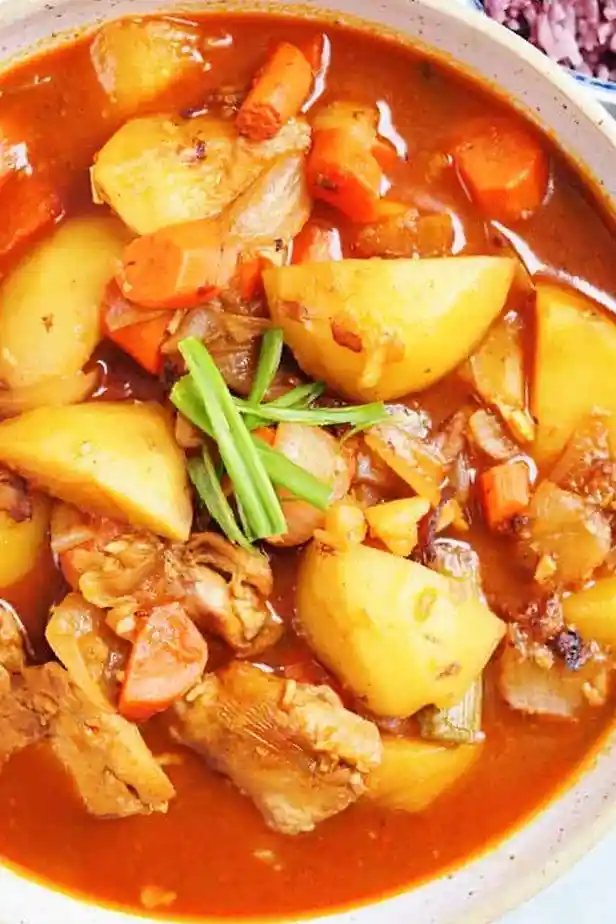
List of ingredients
- 1 lb boneless chicken thighs (chopped into quarters) – use skin-on or skinless based on preference for richness.
- 1 large onion (diced) – provides a sweet aromatic base for the stew.
- 1 carrot (chopped) – adds natural sweetness and color.
- 4 small russet potatoes (or yukon gold potatoes, peeled and chopped into quarters) – these thicken the sauce slightly.
- 3 cups chicken stock (or water) – the primary braising liquid.
- 1 tbsp vegetable oil (or any neutral oil) – used for searing the chicken and onions.
- 1 green onion (chopped into 1-inch long pieces) – used as a fresh aromatic garnish.
- 3 tbsp gochujang – a fermented Korean red chili paste for heat and depth.
- 3 tbsp regular soy sauce – provides the necessary salt and umami.
- 3 tbsp garlic (minced) – adds sharp, savory aromatic notes.
- 1 tbsp white granulated sugar – balances the spicy heat of the chili paste.
- 1 tbsp sesame oil – adds a nutty, toasted finish to the sauce.
step-by-step instructions
- Prepare the sauce: In a small bowl, combine the gochujang, soy sauce, minced garlic, sugar, and sesame oil. Mix until the ingredients are fully blended and set the bowl aside for later use.
- Sauté the aromatics and meat: Heat vegetable oil in a medium-sized pot over medium heat. Add the diced onions and fry until they become translucent, then add the chicken thighs and brown them on both sides to develop flavor.
- Incorporate vegetables: Add the chopped potatoes and carrots to the pot. Cook for 1-2 minutes to lightly sear the vegetables before adding liquids.
- Simmer the stew: Stir in the chicken stock and the prepared sauce mixture. Cover the pot with a lid, bring the liquid to a boil over medium-high heat, and then reduce the temperature to low-medium for a rolling simmer.
- Final cook and garnish: Let the stew simmer for 15-20 minutes until the chicken is cooked through (reaching an internal temperature of 165 F). Garnish the dish with chopped green onions and serve immediately with steamed rice.
Technical Preparation Tips
Choosing the Right Chicken Cut
Boneless chicken thighs are recommended because they remain tender during the simmering process. Unlike chicken breasts, thighs have a higher fat content which prevents the meat from drying out when braised in a spicy sauce.
Proper Vegetable Sizing
Cut the carrots and potatoes into large, uniform chunks. This prevents the vegetables from breaking down or melting into the sauce during the 20-minute simmer, ensuring you have distinct pieces of vegetables in the final dish.
Managing the Searing Process
Ensure the oil is hot before adding the chicken to achieve a proper brown sear. Browning the meat creates a Maillard reaction, which adds a deeper layer of savory flavor to the overall stew that cannot be achieved by boiling alone.
Timing the Sauce Addition
Prepare the sauce completely before you start heating the oil. Since the sauce is added immediately after the stock, having it ready prevents the onions and chicken from overcooking while you mix ingredients.
Customizing Ingredients and Variations
Substituting the Meat
While chicken thighs are traditional, you can use bone-in thighs or drumsticks for a richer broth. If you prefer a different protein, boneless pork shoulder with some fat marbling can be used as a substitute, though it may require a longer simmering time.
Alternative Root Vegetables
If you do not have russet or Yukon Gold potatoes, sweet potatoes or parsnips are excellent alternatives. Sweet potatoes add a creamier texture and an additional layer of sweetness that complements the spicy gochujang.
Adjusting the Spice Level
To reduce the heat, decrease the amount of gochujang and replace a portion of it with tomato paste or a mild chili powder. For those who prefer more spice, add a teaspoon of gochugaru (Korean red chili flakes) to the sauce mixture.
Gluten-Free Adaptations
Regular soy sauce contains wheat, which is not suitable for gluten-free diets. Replace the soy sauce with tamari, coconut aminos, or a certified gluten-free soy sauce to maintain the savory flavor profile.
Serving and Pairing Suggestions
Selecting the Best Rice
Steamed white short-grain rice is the traditional choice as it absorbs the spicy sauce efficiently. Brown rice or cauliflower rice are healthier alternatives that still provide a neutral base to balance the intense flavors of the stew.
Complementary Korean Side Dishes
Serve this stew with kimchi or a Korean cucumber salad to provide a refreshing, acidic contrast to the rich sauce. Bean sprout salad or zucchini fritters also pair well with the savory nature of the chicken.
Adding Extra Texture
Consider adding a side of steamed Korean spinach or seasoned seaweed. These greens add nutritional value and a different textural element to the meal, making it a complete balanced dinner.
Storage and Preservation
Refrigerator Storage
Store leftover stew in an airtight container in the refrigerator for up to 4 days. Ensure the stew has cooled slightly before sealing the container to prevent excessive condensation from affecting the texture.
Freezer Instructions
This dish is freezer-friendly and can be stored in a heavy-duty freezer bag for up to 3 months. Be aware that potatoes can sometimes change texture when frozen, becoming slightly grainier upon thawing.
Effective Reheating Methods
To reheat in a microwave, heat for 2-3 minutes, stirring halfway through to distribute the heat evenly. For a better result, reheat in a pot over medium heat, adding a splash of water or chicken stock if the sauce has thickened too much.
Thawing Frozen Stew
Always defrost frozen stew in the refrigerator overnight before reheating. This ensures the chicken and vegetables thaw evenly, preventing the exterior from overcooking while the center remains cold.
Troubleshooting Common Issues
Preventing Mushy Potatoes
If your potatoes are becoming too soft, check the simmering temperature. Ensure the heat is at a low-medium rolling simmer rather than a hard boil, which can break down the cellular structure of the potatoes too quickly.
Fixing a Thin Sauce
If the sauce is too watery, simmer the stew with the lid off for the last 5-10 minutes of cooking. This allows the liquid to reduce and concentrate, resulting in a thicker, more clingy glaze on the chicken.
Balancing Excessive Saltiness
If the stew tastes too salty due to the soy sauce or stock, add a small amount of extra sugar or a pinch of brown sugar. You can also add more diced potatoes, which will absorb some of the excess salt during the cooking process.
Handling Gamey Meat Odors
Always use fresh chicken that does not have a strong odor upon opening the package. If the meat smells gamey, you can rinse it under cold water and pat it dry before searing to ensure a clean flavor profile.
Frequently Asked Questions
Can I make dakbokkeumtang in advance?
Yes, this stew can be prepared up to 4 days in advance. In fact, the flavors often meld and improve after a day in the refrigerator, making it a great option for meal prep.
What is the best substitute for gochujang?
While gochujang is unique, you can mix miso paste with sriracha and a pinch of sugar as a temporary substitute. However, the authentic fermented flavor of gochujang is central to the dish’s identity.
Can I use a slow cooker for this recipe?
Yes, you can adapt this for a crockpot by searing the meat and onions first. Combine everything in the slow cooker and cook on low for 6-8 hours or high for 3-4 hours.
Why use chicken thighs instead of breasts?
Chicken thighs contain more connective tissue and fat, which prevents them from becoming tough during the braising process. Breasts tend to dry out quickly when simmered for 20 minutes in a salty sauce.
Is the sauce too spicy for children?
The heat level depends on the brand of gochujang used. To make it child-friendly, reduce the gochujang by half and increase the amount of sugar or add a tablespoon of honey to mellow the spice.
Print
Easy Dakbokkeumtang (Korean Chicken Stew)
- Total Time: 30 minutes
- Yield: 2 servings 1x
- Diet: General
Description
A hearty, spicy, savory braised chicken stew with tender potatoes, carrots and onions ready in 30 minutes.
Ingredients
- 1 lb boneless chicken thighs (chopped into quarters)
- 1 large onion (diced)
- 1 carrot (chopped)
- 4 small russet potatoes (or yukon gold potatoes, peeled and chopped into quarters)
- 3 cups chicken stock (or water)
- 1 tbsp vegetable oil (or any neutral oil)
- 1 green onion (chopped into 1-inch long pieces)
- 3 tbsp gochujang
- 3 tbsp regular soy sauce
- 3 tbsp garlic (minced)
- 1 tbsp white granulated sugar
- 1 tbsp sesame oil
Instructions
- Step 1: In a small bowl, combine sauce ingredients. Set aside.
- Step 2: Heat vegetable oil in a medium-sized pot on medium heat. Add onions and fry until translucent. Then add chicken thighs and brown them on both sides.
- Step 3: To the pot, add potatoes, carrots and cook for 1-2 minutes.
- Step 4: Stir in chicken stock with the sauce. Cover with a lid and bring to a boil on medium-high heat. Then reduce to low-medium heat for a rolling simmer.
- Step 5: Simmer for 15-20 minutes until chicken is cooked through. Garnish with green onions and enjoy with rice!
Notes
Chop carrots and potatoes into large chunks to prevent them from melting into the stew. Prepare the sauce in advance. Simmer the stew covered on low-medium heat so the sauce reduces and becomes concentrated with flavor.
- Prep Time: 10 minutes
- Cook Time: 20 minutes
- Category: Main Course
- Method: Braising
- Cuisine: Korean
Nutrition
- Serving Size: 1 serving
- Calories: 1032 kcal
- Sugar: 17 g
- Sodium: 1575 mg
- Fat: 45 g
- Saturated Fat: 12 g
- Unsaturated Fat: 28 g
- Trans Fat: 0.2 g
- Carbohydrates: 105 g
- Fiber: 8 g
- Protein: 55 g
- Cholesterol: 229 mg