This method for pan-seared chicken breasts focuses on thin cuts and a seasoned flour coating to achieve a golden crust. It provides a fast, reliable way to prepare juicy protein for weeknight dinners in about 15 minutes. Use these breasts as a versatile base for various sides or meal-prep bowls.
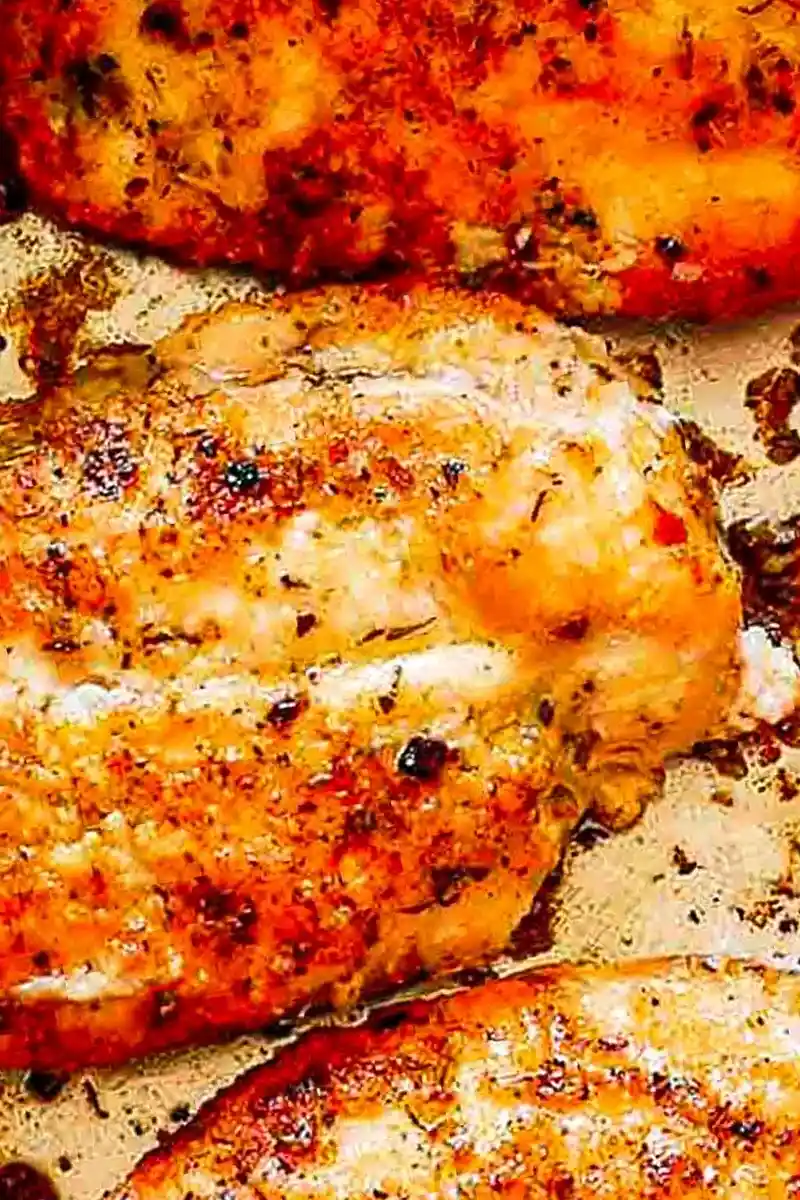
List of ingredients
- 4 chicken breasts (thin, boneless and skinless) – ensure they are evenly thick.
- 1/2 cup flour – used for the dredging coating.
- 1 teaspoon sea salt – for essential seasoning.
- 1/4 teaspoon black pepper – adds a subtle spicy note.
- 1 teaspoon garlic powder – provides savory depth.
- 1 teaspoon onion powder – adds a mild aromatic sweetness.
- 2 teaspoons Italian seasoning – a blend of herbs for classic flavor.
- 2 tablespoons olive oil – for searing at medium-high heat.
step-by-step instructions
- Prepare the meat: Use paper towels to pat your thin chicken breasts completely dry. If you have thick breasts, butterfly them by slicing horizontally nearly through the middle and opening them like a book.
- Mix the coating: In a large mixing bowl, combine the flour, sea salt, black pepper, garlic powder, onion powder, and Italian seasoning. Stir the ingredients well to ensure the spices are evenly distributed.
- Dredge the chicken: Using tongs or a fork, coat each chicken breast thoroughly in the seasoned flour mixture. Shake off any excess flour so the coating remains light and thin.
- Heat the pan: Pour 2 tablespoons of olive oil into a large skillet and heat over medium-high heat. Wait until the oil is hot but not smoking before adding the meat.
- Sear the chicken: Place the floured breasts in the skillet. Cook undisturbed for 4 to 5 minutes per side, turning only once, until the chicken is golden brown and cooked through (about 8-10 minutes total).
- Serve: Remove the chicken from the pan immediately and serve warm alongside pasta or steamed vegetables.
Cooking Secrets for Maximum Crispiness
The Importance of Patting Meat Dry
Surface moisture is the enemy of a good sear. When chicken is damp, the water turns to steam in the pan, which prevents the meat from browning and makes the flour coating gummy. Patting the meat bone-dry with paper towels ensures the oil contacts the flour directly for a crisp crust.
Why Thin-Cut Breasts Work Best
Even thickness is the key to preventing dry meat. Butterflying or pounding thick breasts ensures that the edges do not overcook and become rubbery before the center reaches a safe temperature. This method allows the chicken to cook through in under 10 minutes while maintaining internal juices.
The Role of the Flour Dredge
A light dusting of seasoned flour acts as a protective barrier for the meat. This coating absorbs a small amount of oil and browns quickly, creating a delicate, savory crust. It also helps lock in moisture, preventing the interior from drying out during the high-heat searing process.
Avoiding the Urge to Move the Meat
The golden-brown crust forms through undisturbed contact with the hot pan. If you nudge or flip the chicken too early, you break the searing process and risk tearing the coating. Wait for the meat to release naturally from the pan, which indicates the crust is fully developed.
Temperature and Timing Guidelines
Using a Digital Meat Thermometer
Relying on time alone can lead to overcooked chicken because stove temperatures vary. A digital instant-read thermometer provides an accurate reading of the internal temperature. Insert the probe into the thickest part of the breast to ensure it is safely cooked without being dried out.
The 165°F Internal Temperature Rule
Chicken is safely cooked when it reaches an internal temperature of 165°F. Pulling the meat from the pan exactly at this point prevents the proteins from tightening and becoming stringy. Even a few degrees over this limit can significantly impact the juiciness of the breast.
Why Resting the Meat is Necessary
Letting the chicken rest on a plate for a few minutes allows the muscle fibers to relax. This process redistributes the juices throughout the meat rather than letting them run out on the cutting board. Resting ensures every bite remains moist and tender.
Balancing Heat Levels in the Skillet
Medium-high heat is the ideal setting for a flour-dredged sear. If the heat is too low, the chicken will steam and look pale; if it is too high, the flour will burn before the meat is cooked. The goal is a steady sizzle that browns the exterior and cooks the interior simultaneously.
Alternative Flour Options
Using Rice Flour for Gluten-Free Cooking
Rice flour is an excellent 1:1 substitute for all-purpose flour for those avoiding gluten. It produces a very neutral flavor and a crisp texture that holds up well in the pan. It is often lighter than wheat flour, resulting in a delicate, airy crust.
Almond Flour for a Nutty Crust
Almond flour provides a denser coating with a subtle nutty taste. Because it contains natural fats, it browns more quickly than traditional flours, so you may need to monitor the heat closely. This option adds a rich flavor profile to the chicken.
Corn Flour for Extra Crunch
Corn flour or fine cornmeal adds a distinct grittiness and a deeper gold color to the sear. It creates a sturdier crust that is reminiscent of southern-style frying. This is a great choice for those who prefer a more pronounced crunch.
Potato Starch for a Light Coating
Potato starch creates an almost invisible but very crisp layer. It is highly effective at absorbing surface moisture and producing a smooth, golden finish. It is a common choice in professional kitchens for achieving a clean, high-contrast sear.
Flavor Customization Ideas
Swapping for Cajun Spices
Replace the Italian seasoning with a mix of paprika, cayenne pepper, and dried thyme for a Cajun twist. Keep the flour and salt ratios the same to maintain the structural integrity of the crust. This variation adds a spicy, bold kick to the dish.
Creating a Taco-Style Seasoning
Use cumin, chili powder, and a pinch of smoked paprika in the flour dredge for a Mexican-inspired flavor. This version pairs perfectly with corn tortillas, avocado, and fresh lime. The flour method still works perfectly to keep the meat juicy.
Adding Brightness with Lemon Pepper
Substitute the Italian herbs with lemon pepper seasoning and a touch of dried parsley. The citric notes cut through the richness of the olive oil, creating a bright and punchy flavor. This is especially effective when served with steamed asparagus or quinoa.
Enhancing the Finish with Butter
For a restaurant-style gloss, add a small pat of unsalted butter to the pan during the final minute of cooking. Spoon the foaming butter over the chicken breasts to add richness and a nutty aroma. This step enhances the flavor without requiring a heavy sauce.
Troubleshooting Common Issues
Fixing Dry or Overcooked Meat
Dry chicken is usually the result of cooking past the 165°F internal temperature. If this happens, try reducing the cooking time per side by 30 seconds next time. Ensure the breasts are butterflied to an even thickness to prevent thin edges from drying out first.
Resolving Burnt Exteriors and Raw Centers
This occurs when the pan temperature is too high for the thickness of the meat. Lower the heat to medium or medium-low and increase the cooking time. Pounding the chicken to a uniform half-inch thickness also solves this problem by ensuring even heat penetration.
Correcting Rubbery Texture
Rubbery chicken often stems from inadequate searing or undercooking. Ensure the pan is fully preheated with oil before adding the meat to create an immediate sear. Avoid overcrowding the pan, as this lowers the temperature and causes the meat to steam rather than fry.
Preventing the Coating from Falling Off
The coating usually separates if the chicken was not dried sufficiently before dredging. Pat the meat thoroughly with paper towels and shake off excess flour before searing. Also, avoid moving the chicken until the crust has naturally bonded to the meat.
Storage and Meal Prep Tips
Refrigeration Guidelines and Safety
Allow the cooked chicken to cool for about an hour before placing it in an airtight container. Store it in the refrigerator at or below 40°F to maintain safety. It will remain fresh and flavorful for 3 to 5 days when sealed properly.
Proper Freezing Techniques
To freeze pan-seared chicken, wrap each piece tightly in foil or plastic wrap before placing them in a freezer-safe bag. This prevents freezer burn and preserves the texture of the crust. Frozen chicken can be stored for up to 3 months.
How to Reheat Without Drying the Meat
Avoid high microwave settings, which can make the chicken rubbery. Instead, reheat the meat gently in a skillet over medium-low heat with a teaspoon of water or oil. This restores the moisture and helps re-crisp the exterior coating.
Serving Suggestions
Pairing with Pasta and Grains
Slice the chicken and serve it over garlic butter spaghetti or a bed of wild rice. The savory crust complements creamy sauces or simple olive oil and herb dressings. These pairings turn the simple protein into a filling, balanced meal.
Slicing for Fresh Salads
Allow the chicken to cool completely before slicing it into strips for a salad. It works well over mixed greens with cherry tomatoes, cucumbers, and a balsamic vinaigrette. The seasoned crust adds a necessary savory element to fresh vegetables.
Complementary Vegetable Sides
Sauté zucchini, bell peppers, or spinach in the same skillet used for the chicken. The leftover browned bits (fond) in the pan infuse the vegetables with deep, savory flavor. This is an efficient way to cook a complete meal in one pan.
Frequently Asked Questions
Can I use bone-in chicken breasts?
Yes, but the method must change. Sear the bone-in breast in the pan first to develop the crust, then transfer it to a 375°F oven to finish cooking through. Bone-in cuts take much longer to cook and would burn on the outside if left on the stovetop.
What oil is best for high-heat searing?
Olive oil is excellent, but any neutral oil with a high smoke point works well. Avocado oil, canola oil, or vegetable oil are all suitable choices. Avoid using butter alone for the initial sear, as it burns quickly at medium-high temperatures.
How do I keep chicken from sticking to the pan?
Ensure the pan and oil are fully heated before adding the chicken. Placing meat into a lukewarm pan causes it to bond to the surface. A properly seared piece of chicken will release itself naturally once the crust has formed.
Can I cook vegetables in the same pan?
It is best to cook vegetables after the chicken is removed and resting. If you cook them together, the moisture released by the vegetables will steam the chicken and soften the crispy crust. Use the pan drippings to sauté the vegetables for maximum flavor.
Print
Crispy Pan-Seared Thin-Cut Chicken Breasts
- Total Time: 15 minutes
- Yield: 4 servings 1x
- Diet: General
Description
This pan-seared chicken breast recipe uses thin-cut pieces and a light seasoned flour coating to create a golden, crispy crust while keeping the inside juicy and tender. The chicken cooks in about 10 minutes on the stovetop, making it a realistic weeknight staple.
Ingredients
- 4 chicken breasts (thin, boneless and skinless)
- 1/2 cup flour
- 1 teaspoon sea salt
- 1/4 teaspoon black pepper
- 1 teaspoon garlic powder
- 1 teaspoon onion powder
- 2 teaspoons Italian seasoning
- 2 tablespoons olive oil
Instructions
- Dry: Paper towel dry your thin chicken breasts (if you bought thick ones, make sure to butterfly each one).
- Mix: In a large bowl, combine flour, salt, black pepper, garlic powder, onion powder and Italian Seasoning. Stir well to blend.
- Coat: Using a fork or tongs, coat the chicken breasts in the flour mixture and set aside.
- Sear: Heat 2 tablespoons of olive oil in a large skillet over medium-high heat. Once the skillet is hot, place flour coated chicken breasts in the skillet and cook for 4 to 5 minutes on each side, until golden brown on both sides and cooked through, turning once between cooking, about 8-10 minutes.
- Serve: Remove chicken from pan and serve warm with pasta or vegetables.
Notes
Butterfly or pound thick chicken breasts to an even thickness for juicy results. Pat meat very dry before dredging to ensure a crispy crust. Use an instant-read thermometer to pull chicken at exactly 165°F. Avoid crowding the pan to prevent steaming.
- Prep Time: 5 minutes
- Cook Time: 10 minutes
- Category: Main Course
- Method: Pan-Searing
- Cuisine: American
Nutrition
- Serving Size: 1 chicken breast
- Calories: 254 kcal
- Sugar: 1 g
- Sodium: 713 mg
- Fat: 10 g
- Saturated Fat: 1 g
- Unsaturated Fat: 9 g
- Trans Fat: 0 g
- Carbohydrates: 13 g
- Fiber: 1 g
- Protein: 25 g
- Cholesterol: 72 mg