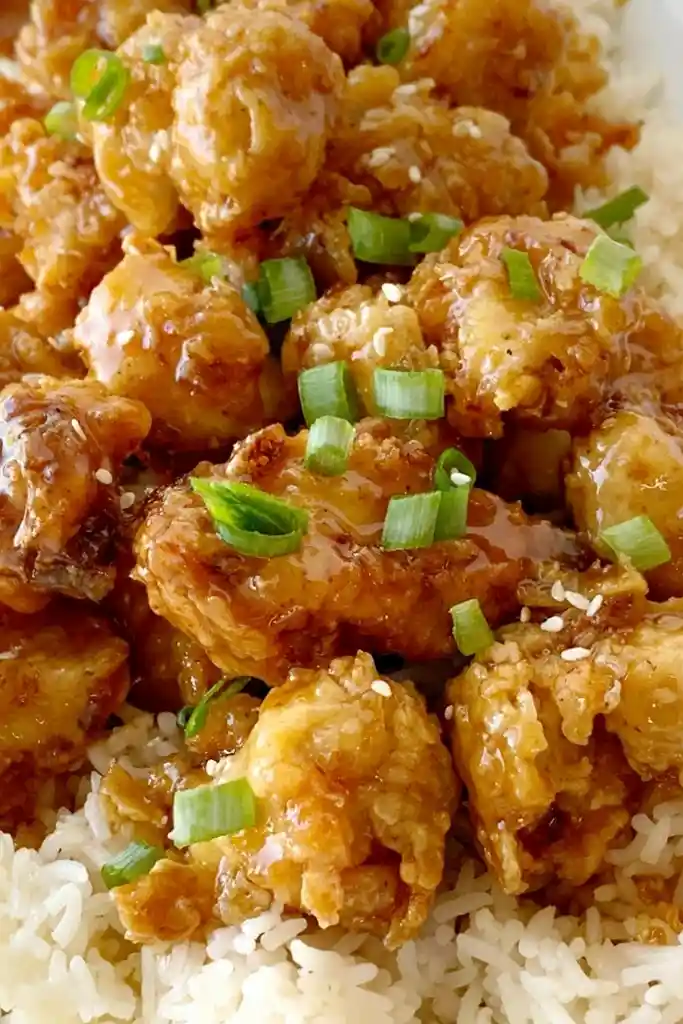
Enjoy a restaurant-quality meal at home with this sweet and savory chicken dish. This recipe features a crunchy breaded exterior tossed in a glossy honey glaze for a perfect dinner.
List of ingredients
- 1/2 cup Honey – provides the primary sweetness and glaze.
- 2 tablespoons low sodium soy sauce – adds savory depth and salt.
- 2 tablespoons water – balances the sauce consistency.
- 1/4 teaspoon sesame oil – adds a nutty aroma.
- 1 tablespoon apple cider vinegar or rice wine vinegar – provides necessary acidity.
- pinch of red pepper flakes (optional) – for a hint of heat.
- 1 tablespoon cornstarch – used as a thickening agent.
- 1 tablespoon water – mixed with cornstarch for the slurry.
- 3 large chicken breasts (about 1 1/2 lbs, cut into large bite-sized pieces) – the main protein.
- 1 1/2 cups flour – the base for the crispy coating.
- 1 teaspoon chili powder – adds smoky flavor to the breading.
- 1 teaspoon cumin – provides earthy notes.
- 1/2 teaspoon coriander – adds a citrusy undertone.
- 1/2 teaspoon onion powder – enhances the savory profile.
- 1 1/2 cups buttermilk – tenderizes the chicken and helps flour adhere.
- canola oil or vegetable oil (about 2″-3″ of oil in a skillet pan with sides) – for pan-frying.
step-by-step instructions
- Heat the Oil: Pour 2″-3″ of canola or vegetable oil into a large frying pan with high sides. Set the burner to medium-high heat and allow the oil to heat up while you prepare other components.
- Boil the Sauce Base: In a saucepan over medium heat, combine honey, soy sauce, water, sesame oil, red pepper flakes (if using), and vinegar. Whisk the ingredients together and bring the mixture to a boil.
- Thicken the Sauce: Stir together cornstarch and 1 tablespoon of water in a small bowl. Slowly whisk this slurry into the boiling sauce, bring it back to a boil, then reduce heat to low and simmer for 10 minutes.
- Prepare the Flour Mix: In a bowl, combine flour, chili powder, cumin, coriander, and onion powder. Stir with a fork until the spices are evenly distributed.
- Prepare the Buttermilk: Pour 1 1/2 cups of buttermilk into a separate bowl.
- Coat the Chicken: Dip chicken pieces one by one into the flour mixture, then into the buttermilk, and finally back into the flour for a double coating.
- Fry the Chicken: Carefully place coated chicken into the hot oil in batches, avoiding overcrowding. Fry for 5-7 minutes, turning as needed, until the crust is golden brown and internal temperature reaches 165 degrees.
- Drain the Chicken: Remove cooked pieces with tongs and place them on a plate lined with paper towels to remove excess oil.
- Combine and Glaze: Put all fried chicken pieces into a large mixing bowl. Pour the hot honey sauce over the chicken and stir gently to coat every piece.
- Serve: Plate the honey chicken over cooked white rice and garnish with sliced green onions.
Mastering the Frying Process
Maintain Steady Oil Temperature
Use a medium-high heat setting to prevent the oil from smoking or burning. If the oil is too cold, the chicken will absorb too much fat and become greasy. If it is too hot, the exterior will burn before the chicken is cooked through.
Prevent Pan Overcrowding
Fry the chicken in small batches of about 14 pieces or fewer depending on your pan size. Overcrowding drops the oil temperature rapidly, which prevents the coating from crisping up. Give each piece enough space to bubble freely.
Utilize High-Sided Cookware
A skillet with high sides is essential to prevent oil from splashing onto your stovetop. This provides a safer environment and allows for a deeper pool of oil. It ensures more even heat distribution around the chicken pieces.
The Double-Dredge Method
Dipping the chicken in flour, then buttermilk, and back in flour creates a thick, craggy crust. This extra layer provides more surface area for the honey sauce to cling to. It also protects the meat from drying out during the frying process.
Verify Internal Temperature
The only way to be certain the chicken is safe to eat is by using a digital meat thermometer. Ensure each piece reaches an internal temperature of 165 degrees Fahrenheit. This guarantees the meat is cooked through while remaining juicy.
Refining the Honey Sauce
Create a Lump-Free Slurry
Always mix your cornstarch with cold water before adding it to the hot sauce. Adding dry cornstarch directly into boiling liquid will create clumps that are difficult to remove. Whisking it into a slurry ensures a smooth, glossy finish.
Balance the Sweetness
If you find the sauce too sweet, increase the amount of apple cider vinegar or soy sauce slightly. The acidity and salt help cut through the richness of the honey. Taste the sauce during the simmering process to make final adjustments.
Manage Sauce Consistency
The sauce should be thick enough to coat the chicken without running off completely. If it becomes too thick during the 10-minute simmer, stir in one tablespoon of water at a time. This thins the glaze to the ideal pouring consistency.
Allow Time for Simmering
Simmering the sauce for 10 minutes allows the honey and spices to meld together. This process reduces the raw taste of the vinegar and concentrates the flavors. Keep the heat on low to prevent the honey from scorching.
Coordinate Sauce and Frying
Start your sauce before you begin frying the first batch of chicken. The sauce can simmer gently on low heat while you work through the frying batches. This ensures both the chicken and the glaze are hot when combined.
Ingredient Substitutions and Alternatives
Substitute Buttermilk with Acidified Milk
If buttermilk is unavailable, combine one cup of whole milk with one tablespoon of lemon juice or white vinegar. Let this mixture sit for five to ten minutes before using. The acidity mimics the properties of buttermilk for tenderizing the meat.
Use Coconut Aminos for Soy-Free Options
Replace the low sodium soy sauce with coconut aminos for a soy-free alternative. Coconut aminos are naturally sweeter, so you may want to slightly reduce the amount of honey used. This keeps the savory-sweet balance intact.
Swap Honey for Maple Syrup
Pure maple syrup can be used as a replacement for honey if you prefer a different sweetness profile. Maple syrup provides a distinct woody flavor that pairs well with the spices in the flour. Use the same measurement as the honey.
Choose Alternative Vinegars
Rice wine vinegar is the traditional choice for a mild, sweet acidity. Apple cider vinegar is a great substitute that provides a slightly sharper tang. Both options work well to balance the heavy sweetness of the honey.
Substitute Chicken Breasts for Thighs
Boneless, skinless chicken thighs can be used instead of breasts for a juicier result. Thighs are more forgiving during the frying process and less likely to overcook. Cut them into uniform bite-sized pieces for even frying.
Serving and Pairing Suggestions
Selecting the Best Rice Base
Steamed jasmine rice is the ideal pairing due to its fragrant aroma and slightly sticky texture. Basmati rice is another excellent choice for those who prefer a fluffier grain. Brown rice offers a nuttier flavor and more fiber.
Pairing with Green Vegetables
Serve this dish alongside steamed broccoli, snap peas, or sautéed bok choy. The bitterness of green vegetables cuts through the sweetness of the honey glaze. This creates a more balanced and nutritious meal.
Enhancing with Fresh Garnishes
Finely sliced green onions add a fresh, pungent contrast to the rich sauce. A sprinkle of toasted sesame seeds adds a professional look and a subtle crunch. These small additions elevate the overall presentation.
Creating a Complete Platter
Arrange the glazed chicken on a large platter surrounded by steamed vegetables and a mound of rice. This family-style presentation makes the meal more inviting. Drizzle any remaining sauce from the pan over the rice for extra flavor.
Storage and Reheating Guidance
Store Components Separately
For the best quality, store the fried chicken and the honey sauce in separate airtight containers. Mixing them before storage can cause the breading to soften and lose its crunch. Combine them only right before reheating and serving.
Refrigeration Timeframes
Cooked chicken and sauce can be kept in the refrigerator for up to three to four days. Ensure the containers are well-sealed to prevent the chicken from absorbing other fridge odors. Keep the sauce in a glass jar for easier reheating.
Use an Air Fryer for Reheating
An air fryer is the best tool for restoring the crispiness of the chicken. Heat the pieces at 350 degrees Fahrenheit for 3-5 minutes until hot. Toss them in the warmed sauce immediately after removing them from the air fryer.
Oven Reheating Method
If you do not have an air fryer, use a conventional oven at 375 degrees Fahrenheit. Place the chicken on a wire rack over a baking sheet to allow air to circulate. Heat for 10 minutes, then toss with the warmed glaze.
Avoid Microwave Reheating
Avoid using a microwave to reheat the breaded chicken as it will make the coating soggy. The microwave steams the breading rather than crisping it. Only use the microwave to quickly warm the honey sauce.
Common Cooking Troubleshooting
Preventing Oil Splatter
Oil splatters when moisture hits the hot fat, so shake off excess buttermilk before frying. Also, ensure the chicken pieces are not frozen or overly damp. Lowering the heat slightly if the oil becomes too aggressive can also help.
Fixing a Too-Thin Sauce
If the sauce remains too thin after simmering, create a small additional cornstarch slurry. Stir in one teaspoon of cornstarch mixed with a teaspoon of water. Bring the sauce back to a boil for one minute to thicken it.
Preventing Flour Clumping
Sift your flour or whisk the spice mixture thoroughly before dredging the chicken. This ensures there are no large clumps of chili powder or onion powder. A smooth flour mix leads to a more even coating on the meat.
Avoiding Burnt Honey
Honey has a high sugar content and can burn quickly if the heat is too high. Keep the sauce on low to medium heat during the simmering phase. Stir frequently to ensure the honey does not stick to the bottom of the pan.
Preventing Coating Separation
Ensure the chicken is patted dry before the first flour dip to help the coating stick. Do not shake the chicken too vigorously after the final flour dredge. Gently place the pieces into the oil to keep the breading intact.
Frequently Asked Questions
How do I know when the oil is ready?
Dip the end of a wooden spoon or a chopstick into the oil. If the oil vigorously bubbles around the wood, it has reached the correct temperature. If there are only a few slow bubbles, let it heat for a few more minutes.
How do I check if the chicken is fully cooked?
Use a meat thermometer to check the thickest part of the largest chicken piece. The chicken is fully cooked and safe to eat when it reaches 165 degrees Fahrenheit. This ensures the meat is juicy and cooked through.
Can I make the sauce in advance?
Yes, the honey sauce can be made a day in advance and stored in the refrigerator. When you are ready to use it, gently reheat it in a saucepan over low heat. Add a splash of water if the sauce has thickened too much in the fridge.
Why is my chicken not crispy?
This usually happens if the oil temperature was too low or if the pan was overcrowded. Ensure the oil is bubbling actively before adding the chicken. Avoid adding too many pieces at once, which drops the temperature and causes sogginess.
Can I bake this instead of frying?
While this recipe is designed for frying, you can bake the coated chicken at 400 degrees Fahrenheit. Place the pieces on a parchment-lined sheet and spray them with oil for a similar effect. However, the texture will be less crunchy than the pan-fried version.
Print
Crispy Honey Chicken
- Total Time: 50 minutes
- Yield: 6 servings 1x
- Diet: General
Description
Crispy Honey Chicken fried on the stove top and then covered in a sweet honey soy sauce dressing. Serve over rice for a better-than-takeout dinner!
Ingredients
- 1/2 cup honey
- 2 tablespoons low sodium soy sauce
- 2 tablespoons water
- 1/4 teaspoon sesame oil
- 1 tablespoon apple cider vinegar
- pinch of red pepper flakes
- 1 tablespoon cornstarch
- 1 tablespoon water
- 3 large chicken breasts, cut into bite-sized pieces
- 1 1/2 cups flour
- 1 teaspoon chili powder
- 1 teaspoon cumin
- 1/2 teaspoon coriander
- 1/2 teaspoon onion powder
- 1 1/2 cups buttermilk
- canola or vegetable oil for frying
Instructions
- Heat Oil: Pour 2-3″ of canola or vegetable oil into a large frying pan and heat on medium-high.
- Prepare Sauce: Whisk honey, soy sauce, water, sesame oil, red pepper flakes, and vinegar in a saucepan and bring to a boil.
- Thicken Sauce: Mix cornstarch and water, stir into the boiling sauce, bring back to a boil, then simmer on low for 10 minutes.
- Mix Dredge: Combine flour, chili powder, cumin, coriander, and onion powder in a bowl.
- Coat Chicken: Dip chicken pieces in the flour mixture, then the buttermilk, and then back into the flour.
- Fry Chicken: Fry chicken in batches for 5-7 minutes until golden brown and internal temperature reaches 165°F.
- Drain: Place cooked chicken on paper towel-lined plates to drain.
- Combine: Toss the cooked chicken in a large bowl with the hot honey sauce until fully coated.
- Serve: Serve over cooked rice with sliced green onions.
Notes
Do not overcrowd the pan during frying to ensure a crispy texture. If the sauce becomes too thick, thin it with 1-2 tablespoons of water.
- Prep Time: 30 minutes
- Cook Time: 20 minutes
- Category: Main Course
- Method: Pan-frying
- Cuisine: Chinese
Nutrition
- Serving Size: 1 serving
- Calories: 378 kcal
- Sugar: 26 g
- Sodium: 380 mg
- Fat: 6 g
- Saturated Fat: 2 g
- Unsaturated Fat: 4 g
- Trans Fat: 0 g
- Carbohydrates: 52 g
- Fiber: 1 g
- Protein: 30 g
- Cholesterol: 79 mg