This one-pan meal delivers restaurant-quality flavor in just 30 minutes. It is a high-protein, low-carb dish that works perfectly as a quick weeknight dinner.
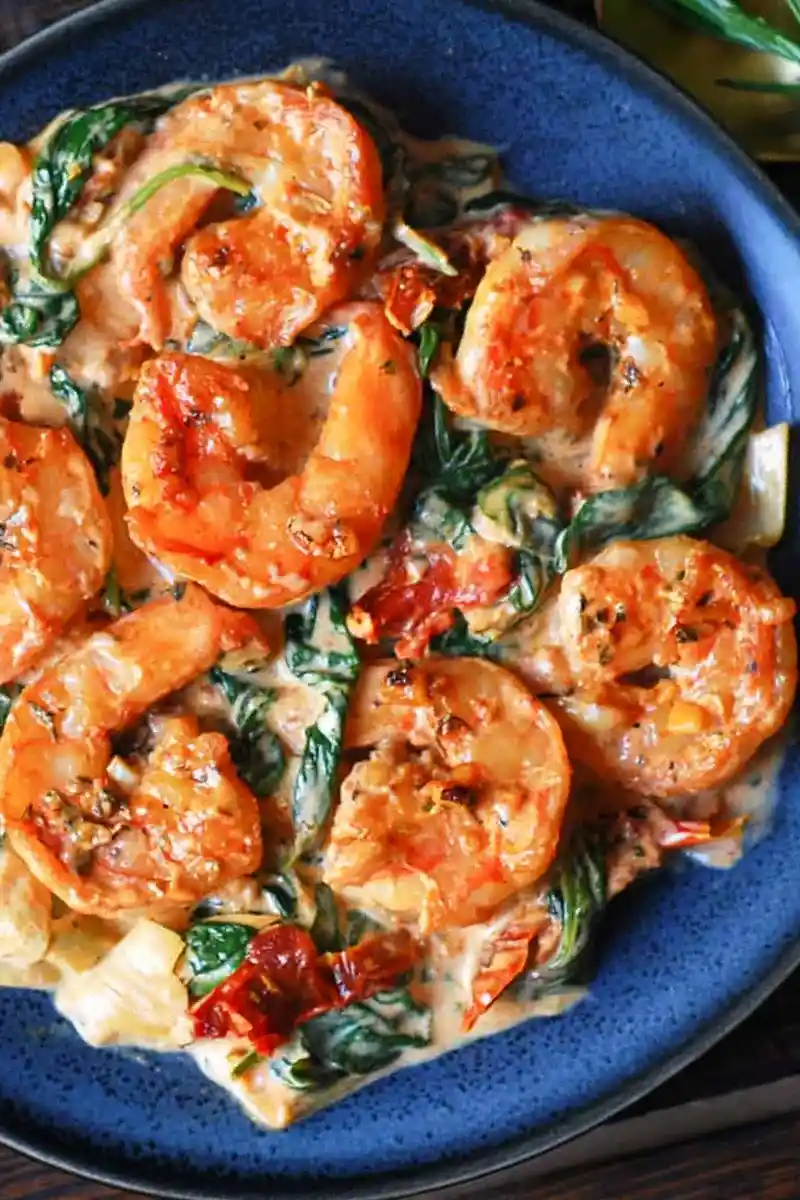
List of ingredients
- 1 lb raw shrimp (large, peeled, and deveined, 16-20 count per pound) – ensures tender texture.
- 1 teaspoon smoked paprika (for seasoning shrimp) – adds a subtle woody depth.
- 1/2 teaspoon Italian seasoning (blend of thyme, basil, oregano, and rosemary) – provides classic herbal notes.
- 1/4 teaspoon salt – enhances overall flavor.
- 1/4 teaspoon coarse black pepper – adds a mild spicy bite.
- 5 cloves garlic, minced – provides a pungent aromatic base.
- 2 tablespoons olive oil – used for searing the shrimp.
- 4 oz sun-dried tomatoes, chopped (about 1/4 cup) – adds a concentrated sweet and tangy flavor.
- 14 oz artichoke hearts, drained and chopped (about 1 cup) – adds a unique earthy texture.
- 4 oz fresh spinach – adds color and nutrients.
- 1 cup heavy cream – creates the rich, velvety sauce.
- 1/4 teaspoon smoked paprika (for the sauce) – reinforces the smoky profile.
- Salt to taste – for final seasoning adjustments.
step-by-step instructions
- Season the Shrimp: Toss the raw, peeled, and deveined shrimp with smoked paprika, Italian seasoning, salt, and coarse black pepper until evenly coated.
- Sear the Shrimp: Heat 2 tablespoons of olive oil in a large skillet over medium-high heat. Add the shrimp and minced garlic, cooking for about 2 minutes per side until pink. To avoid steaming, work in batches and do not overcrowd the pan.
- Prepare the Shrimp: Remove the seared shrimp from the skillet and set them aside on a plate.
- Sauté the Vegetables: In the same skillet, add the chopped sun-dried tomatoes and artichoke hearts. Stir and cook for 1 minute over medium heat.
- Wilt the Spinach: Stir in the fresh spinach and cook for a couple of minutes until the leaves have wilted.
- Simmer the Sauce: Pour in 1 cup of heavy cream and add the remaining smoked paprika. Bring the mixture to a simmer and stir for about 1 minute. Season with salt if needed.
- Assemble the Dish: Return the seared shrimp to the skillet. Spoon the sauce over the shrimp and simmer for another 2 minutes until the shrimp are heated through and fully cooked.
Professional Cooking Tips for Perfect Results
Preventing Rubbery Shrimp
Overcooking shrimp causes them to tighten and become rubbery. Cook them only until they turn pink and form a ‘C’ shape; if they curl into a tight ‘O’, they are overdone.
The Importance of Searing in Batches
Crowding the skillet drops the temperature of the oil, which causes the shrimp to release moisture and steam rather than sear. Searing in batches ensures a golden-brown crust and better flavor development.
Managing Garlic to Avoid Bitterness
Garlic burns quickly at high temperatures, which can make the entire sauce taste bitter. Add the garlic toward the end of the searing process or keep the heat controlled to ensure it softens without browning too deeply.
Optimizing Sun-Dried Tomato Use
Using sun-dried tomatoes packed in olive oil provides a plumper texture than dry-packed versions. You can use a small amount of the oil from the jar to sear the shrimp for added depth of flavor.
Achieving the Right Sauce Thickness
The sauce thickens as it simmers due to the reduction of the heavy cream. If the sauce becomes too thick, add a tablespoon of water or broth to loosen it; if too thin, simmer for an extra minute.
Dairy-Free and Diet Substitutions
Using Coconut Milk for Dairy-Free Creaminess
Replace the heavy cream with full-fat unsweetened coconut milk for a dairy-free alternative. This provides a similar thickness, though it will introduce a slight coconut flavor to the dish.
Cashew Cream as a Nutrient-Dense Option
Blend soaked raw cashews with water until smooth to create a thick cashew cream. This substitute mimics the richness of heavy cream without the dairy and adds a subtle nuttiness.
Thickening Almond or Oat Milk
Almond or oat milk is thinner than heavy cream and may result in a watery sauce. Create a slurry by mixing a small amount of flour with olive oil, stir it into the vegetables first, then gradually whisk in the milk.
Replacing Sun-Dried Tomatoes with Fresh Options
If sun-dried tomatoes are unavailable, use halved cherry tomatoes for a fresher, more acidic taste. Alternatively, use diced fresh tomatoes, but cook them longer to evaporate excess moisture.
Substitutions for Fresh Spinach
Kale or arugula can be used as a replacement for spinach. Note that kale requires a longer sauté time to soften, while arugula should be added at the very end to prevent it from overcooking.
Using Different Protein Sources
This sauce pairs well with seared salmon fillets or scallops. For a poultry version, use skinless boneless chicken breasts or thighs, ensuring they are cooked through before adding the cream sauce.
Serving and Pairing Ideas
Low-Carb Vegetable Bases
To keep the meal low-carb, serve the shrimp over steamed broccoli, asparagus, or sautéed green beans. These vegetables soak up the creamy sauce while keeping the calorie count lower.
Using Zucchini Noodles or Zoodles
Spiralized zucchini offers a gluten-free alternative to pasta. Sauté the zoodles for 2-3 minutes before adding the shrimp and sauce to prevent them from releasing too much water.
Roasted Spaghetti Squash
Roast a spaghetti squash and scrape out the strands with a fork to create a healthy nest for the shrimp. This provides a hearty texture and a natural sweetness that complements the artichokes.
Traditional Pasta Pairings
For a comforting meal, serve the dish over angel hair, spaghetti, or bow-tie pasta. Toss the cooked pasta directly into the skillet with the sauce for maximum flavor coating.
Pairing with Gnocchi or Ravioli
Store-bought cheese ravioli or potato gnocchi elevate this dish to a gourmet level. Pan-sear the gnocchi first to give them a crispy exterior before combining them with the Tuscan sauce.
Storage and Reheating Guidance
Short-Term Refrigeration
Store leftover Tuscan shrimp in an airtight container in the refrigerator for up to two days. Because of the cream and seafood, this dish does not store well for long periods.
Why Freezing is Not Recommended
Freezing this dish causes the heavy cream sauce to separate and the shrimp to become tough upon thawing. For the best quality, consume the meal fresh or within the refrigeration window.
Best Stovetop Reheating Method
Reheat the leftovers in a high-sided skillet over medium-low heat. Add a splash of chicken stock, milk, or heavy cream to help the sauce re-emulsify and return to its creamy state.
Microwave Reheating Tips
If using a microwave, heat the dish in 30-second intervals. Stir frequently to ensure even heating and to prevent the sauce from breaking or becoming greasy.
Common Troubleshooting and FAQs
Can I use frozen shrimp for this recipe?
Yes, frozen shrimp work well as long as they are completely thawed and patted dry with paper towels. Excess moisture on the shrimp will prevent them from searing and may water down the sauce.
Can I use frozen spinach instead of fresh?
Frozen spinach can be used, but it must be thawed and squeezed very thoroughly to remove all excess liquid. Otherwise, the spinach will release water into the pan and thin out the cream sauce.
How can I add more spice to the dish?
To increase the heat, add a pinch of crushed red pepper flakes or a dash of cayenne pepper during the vegetable sauté phase. A drizzle of sriracha at the end also adds a modern spicy twist.
Which cheese can I add for extra flavor?
Grated Parmesan, Asiago, or Pecorino Romano are excellent additions. Stir a small amount into the sauce at the end or sprinkle it over the plated dish for a salty, nutty finish.
How do I add a bright, citrusy note?
Squeeze a fresh lemon wedge over the finished dish just before serving. The acidity of the lemon cuts through the richness of the heavy cream and enhances the flavor of the shrimp.
What should I do if the sauce separates?
If the sauce looks greasy or split, whisk in a tablespoon of warm water or a small amount of additional cream over low heat. Constant stirring while reheating usually helps the emulsion reform.
Print
Creamy Tuscan Shrimp with Spinach and Artichokes
- Total Time: 30 minutes
- Yield: 4 servings 1x
- Diet: Gluten-Free
Description
Creamy Tuscan Shrimp is a delicious one-pan 30-minute restaurant-quality meal featuring spinach, artichokes, sun-dried tomatoes, and garlic. It is low-carb, high in protein, and gluten-free.
Ingredients
- 1 lb raw shrimp (large, peeled, and deveined)
- 1 teaspoon smoked paprika
- 1/2 teaspoon Italian seasoning
- 1/4 teaspoon salt
- 1/4 teaspoon black pepper (coarse)
- 5 cloves garlic (minced)
- 2 tablespoons olive oil
- 4 oz sun-dried tomatoes (chopped)
- 14 oz artichoke hearts (drained and chopped)
- 4 oz fresh spinach
- 1 cup heavy cream
- 1/4 teaspoon smoked paprika
- salt to taste
Instructions
- Step: Season the shrimp with smoked paprika, Italian seasoning, salt, and black pepper.
- Step: Heat olive oil in a large skillet over medium-high heat; add shrimp and minced garlic, cooking for about 2 minutes per side, then remove shrimp to a plate.
- Step: In the same skillet, add chopped sun-dried tomatoes and artichokes, stirring for 1 minute on medium heat.
- Step: Add fresh spinach and cook until wilted.
- Step: Stir in heavy cream and paprika, bringing to a simmer for about 1 minute; season with salt if needed.
- Step: Return the seared shrimp to the skillet, spooning the sauce over them, and simmer for 2 minutes or more until shrimp are fully cooked through.
Notes
For a low-carb option, serve over roasted broccoli or zoodles. For a more comforting meal, serve over pasta or gnocchi.
- Prep Time: 15 minutes
- Cook Time: 15 minutes
- Category: Main Course
- Method: Searing
- Cuisine: Italian
Nutrition
- Serving Size: 1 serving
- Calories: 558 kcal
- Sugar: 14 g
- Sodium: 727 mg
- Fat: 39 g
- Saturated Fat: 16 g
- Unsaturated Fat: 13 g
- Trans Fat: 0.01 g
- Carbohydrates: 25 g
- Fiber: 7 g
- Protein: 31 g
- Cholesterol: 250 mg