This quick meal combines succulent chicken with a rich, herby sauce for a satisfying dinner. It uses only five main ingredients and takes about 30 minutes to prepare.
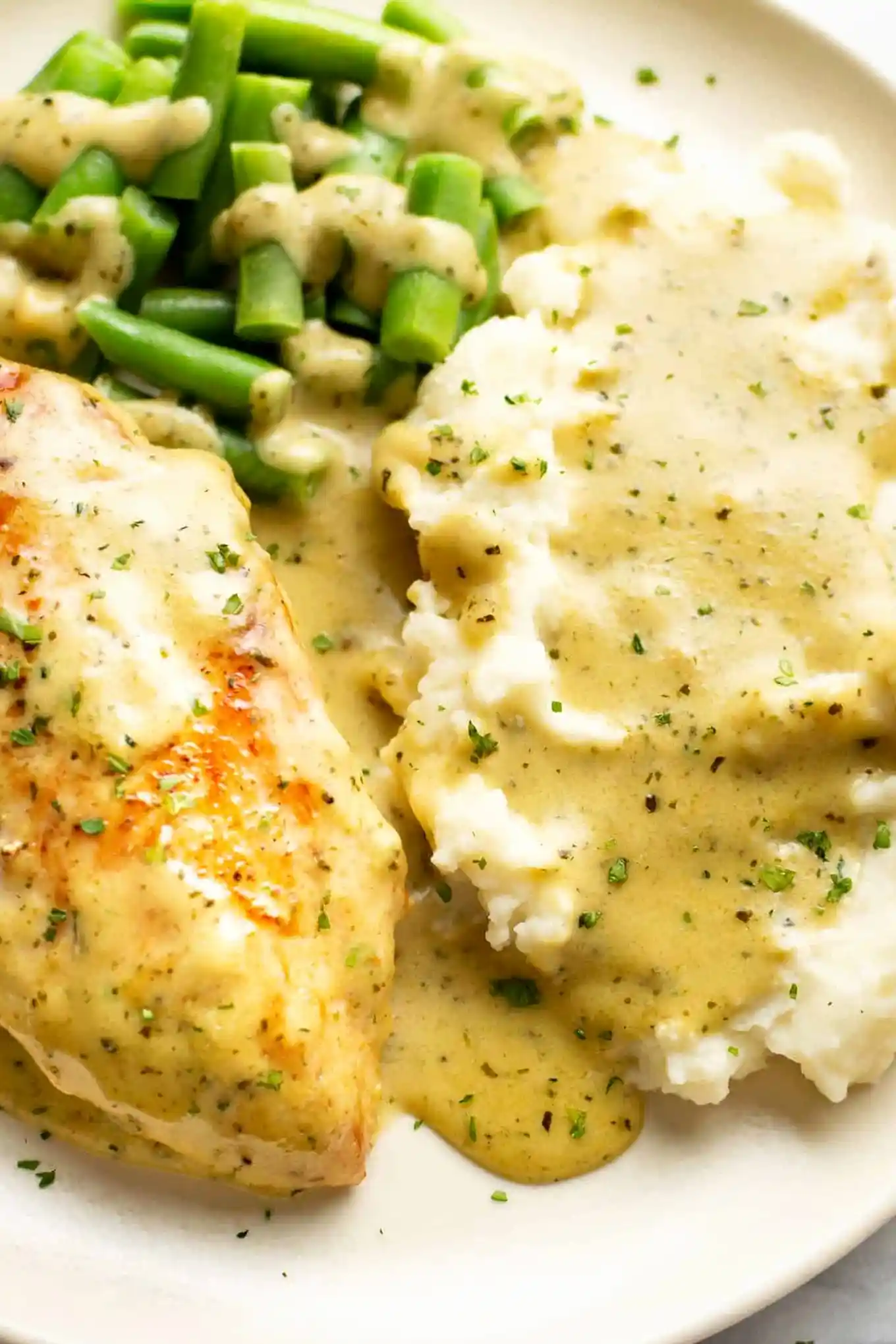
List of ingredients
- 2 large chicken breasts – sliced lengthwise into cutlets for even cooking.
- Salt and pepper – used for basic seasoning, though salt should be used sparingly.
- 1 tablespoon olive oil – provides a high smoke point for searing.
- 1 tablespoon butter – adds richness and helps with browning the meat.
- 1/2 cup pesto – a high-quality basil pesto adds the primary flavor profile.
- 1 cup heavy cream or whipping cream – creates the thick, velvety consistency of the sauce.
step-by-step instructions
- Prepare the meat: Cut the chicken breasts in half lengthwise to create four thinner cutlets. Season them with pepper and a small amount of salt, keeping in mind that pesto often contains significant sodium.
- Sear the chicken: Heat the olive oil and butter in a skillet over medium-high heat. Once the pan is hot, sear the chicken for 4 to 5 minutes per side until golden brown, then move the meat to a plate.
- Create the sauce: Lower the heat to medium and stir the pesto and heavy cream into the pan until the mixture is well combined.
- Simmer and finish: Return the chicken and any accumulated plate juices to the skillet. Simmer for approximately 5 minutes until the chicken reaches an internal temperature of 165F and the sauce has thickened.
- Adjust consistency: If the sauce reduces too quickly before the chicken is fully cooked, stir in a small amount of water or low-sodium chicken broth to loosen it.
Ways to Enhance the Flavor
Using Freshly Made Basil Pesto
Homemade pesto often has a more vibrant color and a punchier basil flavor than store-bought versions. Freshly blended basil, pine nuts, and parmesan create a brighter taste profile that elevates the cream sauce.
Adding a Squeeze of Fresh Lemon
Adding a teaspoon of lemon juice at the very end of cooking cuts through the richness of the heavy cream. The acidity balances the fats and brightens the herbal notes of the pesto.
Incorporating Freshly Grated Parmesan
While pesto contains cheese, stirring in an extra tablespoon of freshly grated parmesan during the simmering stage adds depth. This increases the saltiness and thickens the sauce slightly more.
Adding Red Pepper Flakes
A pinch of crushed red pepper flakes adds a subtle heat that complements the garlic in the pesto. This contrast prevents the creamy sauce from tasting too heavy or one-dimensional.
Adding Fresh Garlic
Sautéing one minced garlic clove in the butter before adding the cream can intensify the aromatic quality of the dish. This provides a sharper garlic flavor than what is found in pre-made pesto.
Protein Alternatives and Adjustments
Using Boneless Skinless Chicken Thighs
Chicken thighs are more forgiving and remain juicy even if slightly overcooked. If using thighs, increase the searing time per side to ensure the meat is tender and fully cooked through.
Substituting with Firm Tofu
Press extra-firm tofu to remove excess water before slicing into slabs. Sear the tofu in the same oil and butter mixture until golden before proceeding with the sauce steps.
Adapting for Shrimp
Shrimp cook much faster than chicken and should be seared for only 2 minutes per side. Remove them from the pan immediately and return them to the sauce only for the final minute of simmering.
Using Pre-cooked Rotisserie Chicken
To save time, use shredded rotisserie chicken instead of raw breasts. Skip the searing step and simply simmer the pre-cooked meat in the pesto cream sauce until heated through.
Using Turkey Cutlets
Turkey breast cutlets can be used as a leaner alternative to chicken. Follow the same searing and simmering process, but be careful not to overcook them as turkey dries out faster than chicken.
Perfecting the Pesto Cream Sauce
Avoiding Sauce Separation
Ensure the heat is reduced to medium before adding the cream to prevent the sauce from breaking. Stirring constantly helps maintain a stable emulsion between the oil in the pesto and the dairy.
Controlling Sauce Thickness
The sauce thickens as it simmers due to the reduction of the cream. If you prefer a thinner sauce, add a tablespoon of chicken broth or water at the end of the cooking process.
Adjusting Salt Levels
Because pesto brands vary wildly in salt content, always taste the sauce before adding extra salt. It is easier to add salt at the end than to fix an overly salty sauce.
Maintaining the Green Color
Overcooking the sauce on high heat can cause the basil in the pesto to turn brown. Keep the heat at a gentle simmer to preserve the bright green appearance of the dish.
Managing the Fat Content
If the sauce appears too oily, it may be due to the oil content in the pesto. You can stir in a small amount of cornstarch slurry to bind the fats and create a smoother texture.
Best Side Dish Pairings
Garlic Mashed Potatoes
Creamy mashed potatoes are ideal for soaking up the excess pesto sauce. The buttery flavor of the potatoes complements the garlic and basil notes of the chicken.
Al Dente Pasta Options
Fettuccine or linguine are traditional pairings for this type of creamy sauce. Toss the cooked pasta directly into the pan with the chicken to coat every strand in the pesto cream.
Steamed Broccolini or Asparagus
Green vegetables provide a crisp texture and a fresh taste that balances the richness of the cream. Lightly steam them with lemon and salt for a healthy accompaniment.
Fluffy Basmati or Jasmine Rice
Rice acts as a neutral base that allows the bold flavors of the pesto to stand out. Using a long-grain rice ensures the dish doesn’t feel too heavy overall.
Fresh Garden Salad with Vinaigrette
A salad with a sharp balsamic or lemon vinaigrette provides a necessary acidic contrast. This helps cleanse the palate between bites of the rich, creamy chicken.
Roasted Root Vegetables
Carrots and parsnips roasted with olive oil add a natural sweetness to the meal. This sweetness pairs well with the salty parmesan and herbaceous basil in the sauce.
Essential Cooking Equipment
Choosing the Right Skillet
A cast iron or stainless steel skillet is best for achieving a deep golden sear on the chicken. Non-stick pans work well for the sauce but may not provide the same level of browning for the meat.
Using an Instant-Read Thermometer
The only way to ensure chicken is safe and juicy is by checking the internal temperature. Remove the chicken from the heat exactly when it reaches 165F to avoid dryness.
Tongs for Easy Flipping
Using tongs allows you to flip the cutlets without tearing the meat or losing the seared crust. This is more effective than using a fork or spatula for thinner cutlets.
Measuring Cups for Accuracy
Accurate measurements of heavy cream and pesto are vital for the sauce’s consistency. Using standard measuring cups ensures the ratio of fat to flavor remains balanced.
Storage and Reheating Methods
Refrigerating Leftovers Properly
Store the chicken and sauce in an airtight glass container to keep the flavors fresh. The dish will stay safe to eat in the refrigerator for 3 to 4 days.
The Best Way to Reheat Cream Sauce
Reheat the chicken slowly over low heat on the stovetop. If the sauce has thickened too much in the fridge, add a splash of milk or broth to restore the silky texture.
Why You Should Avoid Freezing
Dairy-based sauces often separate or become grainy when frozen and thawed. To maintain the quality of the pesto cream, it is best to consume this meal fresh or refrigerated.
Reheating in an Oven
If reheating a larger portion, place the chicken in a baking dish and cover it with foil. Heat at 325F until warmed through to prevent the cream from evaporating.
Common Cooking Troubleshooting
What to Do if the Chicken Sticks to the Pan
If the meat sticks, it usually means the pan was not hot enough when the chicken was added. Use a spatula to gently lift the meat, and allow the natural release to happen as the sear develops.
Fixing a Sauce That is Too Thin
If the sauce is too runny, simmer it for a few extra minutes without the lid on. You can also stir in a small amount of grated parmesan cheese to help thicken the liquid.
Preventing the Pesto from Burning
Pesto contains nuts and cheese which can burn if the heat is too high. Always reduce the skillet temperature to medium before stirring in the pesto and cream.
Handling Overcooked Chicken Breast
If the chicken becomes dry, avoid simmering it for the full 5 minutes in the sauce. Instead, add the meat back at the very end just to warm it through.
Dealing with Curdling Cream
Curdling happens when the heat is too high or the cream is added to an extremely hot pan. Ensure the pan is at a medium simmer and stir continuously to keep the sauce smooth.
Frequently Asked Questions
Can I use half-and-half instead of heavy cream?
Half-and-half has a lower fat content, which means the sauce will be significantly thinner. Since there is no flour or cornstarch used as a thickener, heavy cream is necessary for the desired consistency.
Which type of pesto works best for this recipe?
Traditional basil pesto is the best choice for this dish. However, sun-dried tomato pesto can be used for a different flavor profile, provided the other steps remain the same.
How do I know when the chicken is done?
The chicken is fully cooked and safe to eat when it reaches an internal temperature of 165F. Use a meat thermometer in the thickest part of the cutlet to verify.
Can I make this in one pot without removing the chicken?
Removing the chicken allows you to sear the meat properly without overcooking it while the sauce reduces. If you leave the chicken in, the meat may become tough before the sauce thickens.
Is it possible to make this dairy-free?
You can substitute the heavy cream with full-fat coconut milk and use a dairy-free pesto. Note that the flavor will shift slightly toward a coconut profile, and the thickness may vary.
Print
Creamy Pesto Chicken
- Total Time: 30 minutes
- Yield: 4 servings 1x
- Diet: General
Description
This creamy pesto chicken recipe is ridiculously easy to make, and the silky and bright pesto cream sauce is delicious! With just 5 ingredients, this is a simple yet elevated meal.
Ingredients
- 2 large chicken breasts
- Salt & pepper (to taste)
- 1 tablespoon olive oil
- 1 tablespoon butter
- 1/2 cup pesto
- 1 cup heavy/whipping cream
Instructions
- Step: Cut the chicken in half lengthwise so you have 4 thinner cutlets. Season with salt & pepper.
- Step: Add the oil and butter to a skillet over medium-high heat. Once the pan is hot, sear the chicken for 4-5 minutes/side until golden. Transfer to a plate.
- Step: Reduce the heat to medium. Add the pesto and cream to the pan and stir until combined, then add the chicken back to the skillet, along with the plate juices, and simmer for about 5 minutes or until the chicken is cooked through (165F) and the sauce has thickened up. Add in a splash of water or low sodium chicken broth if the sauce reduces too much before the chicken is cooked.
Notes
Out of store bought varieties, DeLallo’s pesto is my favorite.
- Prep Time: 10 minutes
- Cook Time: 20 minutes
- Category: Main Course
- Method: Pan-frying
- Cuisine: American
Nutrition
- Serving Size: 1 serving
- Calories: 507 kcal
- Sugar: 3 g
- Sodium: 460 mg
- Fat: 42 g
- Saturated Fat: 19 g
- Unsaturated Fat: 12 g
- Trans Fat: 0.1 g
- Carbohydrates: 4 g
- Fiber: 0.5 g
- Protein: 27 g
- Cholesterol: 150 mg