This simple baked chicken recipe uses a creamy parmesan topping to ensure the meat stays moist and tender. It is an efficient meal for busy weeknights that delivers high-flavor results with minimal effort.
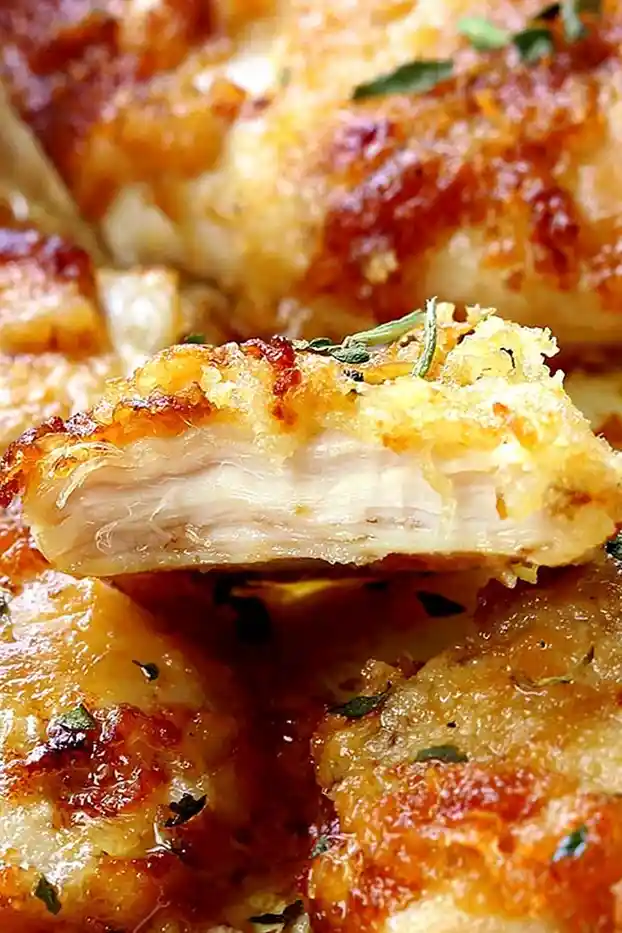
List of ingredients
- 4 boneless, skinless chicken breasts (trimmed of excess fat) – ensure they are similar in size for even cooking.
- 1 cup mayonnaise or Greek yogurt – serves as the base for the moist topping.
- 1 cup parmesan cheese, sharp Cheddar, or Asiago (divided) – adds a savory, salty crust.
- 1 tsp seasoning salt – provides a balanced blend of salt and spices.
- 1/2 tsp black pepper – adds a mild heat to the topping.
- 1 tsp garlic powder – enhances the savory profile of the dish.
- Milk or buttermilk – used for the initial soaking process to tenderize the meat.
step-by-step instructions
- Prepare the Meat: Cut each chicken breast into three large chunks or strips. Place the chicken pieces in a bowl of milk or buttermilk and let them soak for 20 to 30 minutes, or leave them overnight in the refrigerator.
- Preheat the Oven: Set your oven to 375 F.
- Create the Topping: In a small mixing bowl, combine the mayonnaise, 1/2 cup of the parmesan cheese, seasoning salt, black pepper, and garlic powder until smooth.
- Assemble the Dish: Arrange the soaked chicken pieces in a 9×13 inch baking dish. Spread the mayonnaise mixture evenly over the top of the chicken, then sprinkle the remaining 1/2 cup of parmesan cheese over the surface.
- Bake: Cook for 40 to 45 minutes or until the chicken is cooked through. For a more browned appearance, you may place the dish under the broiler for one to two minutes.
- Serve: Serve the chicken with a side of steamed broccoli. Garnish with fresh parsley if desired.
Meat Quality and Preparation
The Benefits of a Buttermilk Soak
Soaking chicken in milk or buttermilk helps break down the muscle fibers through the action of lactic acid. This process tenderizes the meat and prevents it from becoming rubbery during the baking process. It also adds a subtle tang that complements the cheesy topping.
Achieving Uniform Meat Slices
Cutting the breasts into three equal chunks or strips ensures that all pieces cook at the same rate. This prevents smaller pieces from overcooking while larger chunks remain raw in the center. Aim for a consistent thickness across all pieces for the best results.
Removing Excess Fat and Sinew
Trimming the excess fat and connective tissue from the edges of the chicken breasts improves the overall texture. This ensures that the meat is lean and that the topping adheres better to the surface. Use a sharp knife to remove any white gristle before cutting.
Monitoring Internal Temperature
Using a meat thermometer is the only way to guarantee the chicken is safe and juicy. The chicken is fully cooked when it reaches an internal temperature of 165 F. Removing the meat as soon as it hits this mark prevents the proteins from tightening and drying out.
Ingredient Alternatives
Using Greek Yogurt for Less Fat
Greek yogurt is an excellent substitute for mayonnaise if you prefer a lower-fat option. It provides a similar creamy consistency and adds a slightly tart flavor to the topping. Ensure you use plain, unsweetened yogurt to avoid altering the savory taste.
Substituting Parmesan with Sharp Cheddar
Sharp Cheddar is a great alternative for those who prefer a bolder, creamier cheese flavor. While parmesan provides a salty, nutty crust, cheddar melts more fluidly and creates a richer topping. Use a finely shredded variety for the best distribution.
Using Asiago for a Stronger Taste
Asiago cheese offers a sharper and more pungent flavor than standard parmesan. It melts well and creates a distinctively savory crust on the chicken breasts. This is a great option for those who enjoy an intense cheese profile.
Replacing Seasoning Salt with Sea Salt
If you do not have seasoning salt, you can use a combination of sea salt and a pinch of paprika. Seasoning salt usually contains a mix of salt, sugar, and paprika, so mimicking this blend maintains the original flavor. Adjust the amount based on the saltiness of your chosen cheese.
Flavor Enhancements
Adding Smoked Paprika for Color
Adding a half teaspoon of smoked paprika to the topping gives the dish a deeper red color and a subtle wood-fired taste. This adds visual appeal and a layer of complexity to the flavor profile. It works particularly well when using Greek yogurt instead of mayonnaise.
Mixing in Basil Pesto
Folding two tablespoons of basil pesto into the mayonnaise mixture introduces a bright, herbal quality. The garlic and pine nuts in the pesto complement the parmesan cheese and garlic powder. This variation shifts the dish toward a more traditional Italian flavor profile.
Incorporating Fresh Lemon Zest
Stirring in the zest of one lemon adds a citrusy brightness that cuts through the richness of the cheese and mayonnaise. This is best added just before the topping is spread on the chicken. The acidity helps balance the salty notes of the parmesan.
Using Dried Italian Herbs
Adding a pinch of dried oregano or basil to the seasoning mix increases the aromatic quality of the dish. These herbs blend well with the garlic and cheese to create a more complex flavor. Ensure the herbs are finely ground to avoid large dry flakes in the topping.
Serving Suggestions
Pairing with Steamed Broccoli
Steamed broccoli provides a fresh, crisp contrast to the rich, creamy texture of the chicken. The natural bitterness of the broccoli balances the saltiness of the parmesan crust. Lightly season the broccoli with salt and pepper to match the main dish.
Serving over Garlic Pasta
Placing the chicken on top of a bed of linguine or fettuccine tossed in garlic and olive oil creates a complete meal. The pasta absorbs the juices that release from the chicken during baking. This is an ideal option for a more filling dinner.
Pairing with Roasted Carrots
Honey-glazed or simple roasted carrots add a touch of sweetness that complements the savory chicken. Roast them in the oven at the same temperature as the chicken for convenience. The sweetness of the carrots helps balance the salty cheese topping.
Serving with a Fresh Spinach Salad
A side salad of fresh spinach with a light vinaigrette provides a refreshing element to the plate. The acidity of the vinegar helps cleanse the palate between bites of the creamy chicken. Add sliced cucumbers or cherry tomatoes for extra texture.
Storage and Preservation
Proper Refrigeration Techniques
Store any remaining chicken in an airtight container to prevent it from absorbing odors from other foods. Place the container in the coldest part of the refrigerator, usually the back of the top shelf. The chicken will remain fresh and safe for consumption for up to three to four days.
Freezing the Cooked Chicken
Cooked chicken can be frozen for longer preservation by wrapping individual pieces tightly in aluminum foil. Place the wrapped pieces in a heavy-duty freezer bag to prevent freezer burn. This method preserves the moisture and flavor for up to two months.
Using Airtight Storage Containers
Glass containers with locking lids are the most effective for storing this recipe. They provide a better seal than plastic and do not leach chemicals into the food. This ensures the creamy topping remains intact and does not dry out during storage.
Determining Maximum Shelf Life
While the chicken is safe for several days, the texture of the cheese topping begins to degrade after 72 hours. For the best quality, consume the leftovers within three days of the initial cook. If the topping appears separated, it can be fixed during the reheating process.
Reheating Instructions
Low-Temperature Oven Reheating
To maintain the texture of the chicken, reheat it in the oven at 325 F. Cover the dish with foil to trap moisture and prevent the cheese from burning. Heat for 10 to 15 minutes or until the center is warm.
Quick Microwave Heating
For a faster option, microwave the chicken on medium power in 30-second intervals. Use a microwave-safe lid or a damp paper towel to cover the meat. This prevents the chicken from becoming rubbery or drying out due to excessive heat.
Adding a Splash of Water
Adding a teaspoon of water or chicken broth to the pan before reheating helps create steam. This steam rehydrates the creamy topping and keeps the meat tender. It is especially useful when using the oven method for reheating.
Avoiding Overcooking During Reheat
Avoid reheating the chicken until it is bubbling hot, as this often leads to dryness. Heat only until the meat is warm to the touch. Overheating the protein fibers will cause them to shrink and lose their moisture.
Make-Ahead Advice
The Advantage of Overnight Brining
Marinating the chicken in milk or buttermilk overnight allows the tenderizing agents to penetrate deeper into the meat. This results in a more consistent texture throughout the breast. Keep the chicken in a sealed container in the refrigerator to avoid cross-contamination.
Pre-preparing the Mayo Mixture
The topping can be mixed and stored in a small jar up to 24 hours in advance. This reduces the active prep time on the day of cooking. Keep the mixture refrigerated until you are ready to spread it on the chicken.
Cutting Meat in Advance
Cutting the chicken breasts into strips a day early saves time during the dinner rush. Store the pre-cut pieces in the buttermilk soak immediately to ensure they stay moist. Ensure the container is deep enough to fully submerge the meat.
Ready-to-Bake Assembly
You can assemble the entire dish in the 9×13 pan and keep it refrigerated for up to 6 hours. When you are ready to cook, place the cold dish directly into the preheated oven. Note that you may need to add 5 to 10 minutes to the baking time.
Cooking Troubleshooting
Preventing the Cheese from Burning
If the cheese browns too quickly before the chicken is cooked, cover the dish loosely with aluminum foil. This shields the topping from direct heat while allowing the meat to finish cooking. Remove the foil for the last five minutes to regain the golden color.
Resolving Undercooked Meat
If the center of the chicken is still pink, increase the oven temperature slightly or extend the bake time in 5-minute increments. Ensure the chicken pieces are not crowded too closely together, as this can create cold spots. Use a thermometer to verify the center temperature.
Managing Excess Moisture in the Pan
If too much liquid accumulates in the baking dish, you can carefully drain some of it before serving. This usually happens if the chicken was not patted dry after the buttermilk soak. Patting the meat with a paper towel before adding the topping helps prevent this.
Adjusting for Thinner Breast Cuts
Thinner chicken breasts will cook significantly faster than thick ones. Reduce the baking time to 30 to 35 minutes to prevent the meat from drying out. Always check the internal temperature early when working with smaller cuts.
Frequently Asked Questions
Can I use frozen chicken breasts?
Yes, but they must be completely thawed in the refrigerator before they are cut and soaked. Baking frozen chicken directly will lead to uneven cooking and an excess of liquid in the pan. Thawing ensures the buttermilk soak can actually penetrate the meat.
How do I check for doneness?
The most reliable method is using a digital meat thermometer to ensure the center reaches 165 F. You can also check if the juices run clear when the meat is pierced with a fork. However, the thermometer is the only way to guarantee safety and moisture.
Is a 9×13 pan mandatory?
A 9×13 pan is recommended to ensure the chicken pieces are in a single layer. If you use a smaller dish, the chicken may be too crowded, which leads to steaming rather than baking. You can use any rectangular baking dish of similar dimensions.
Can I substitute the milk?
You can use plain yogurt, kefir, or even a mixture of milk and a teaspoon of lemon juice. The goal is to provide an acidic medium to tenderize the proteins. Avoid using water, as it will not provide the same tenderizing benefits as milk or buttermilk.
Print
Creamy Parmesan Baked Chicken
- Total Time: 50 minutes
- Yield: 6 servings 1x
- Diet: General
Description
Full of flavor, moist, tender melt in your mouth chicken and best of all, simple to make!
Ingredients
- 4 boneless, skinless chicken breasts, trimmed of excess fat
- 1 cup mayonnaise or Greek yogurt
- 1 cup parmesan cheese, sharp Cheddar, or Asiago, divided
- 1 tsp seasoning salt
- 1/2 tsp black pepper
- 1 tsp garlic powder
- Milk or buttermilk for soaking
Instructions
- Soak: Cut each chicken breast into 3 large chunks or strips and place them in a bowl of milk or buttermilk to soak for 20-30 minutes or overnight.
- Prepare Topping: Preheat oven to 375 F. In a small bowl, combine the mayonnaise, 1/2 cup of parmesan cheese, and seasonings.
- Assemble: Place chicken into a 9×13 baking dish, spread the mixture evenly on top of the chicken breasts, and sprinkle with the remaining parmesan.
- Bake: Bake for about 40-45 minutes, or until cooked through. Optional: finish under the broiler for a minute or two to get them extra browned on top.
- Serve: Serve with steamed broccoli and season with a dash of fresh parsley, if desired.
Notes
Brining or marinating the chicken in milk or buttermilk is a key step to ensure the breasts stay extra juicy when baked.
- Prep Time: 5 minutes
- Cook Time: 45 minutes
- Category: Dinner
- Method: Baking
- Cuisine: American
Nutrition
- Serving Size: 1 serving
- Calories: 410 kcal
- Sugar: 3 g
- Sodium: 680 mg
- Fat: 28 g
- Saturated Fat: 11 g
- Unsaturated Fat: 14 g
- Trans Fat: 0 g
- Carbohydrates: 6 g
- Fiber: 1 g
- Protein: 32 g
- Cholesterol: 135 mg